产品描述
门窗钢化玻璃简介
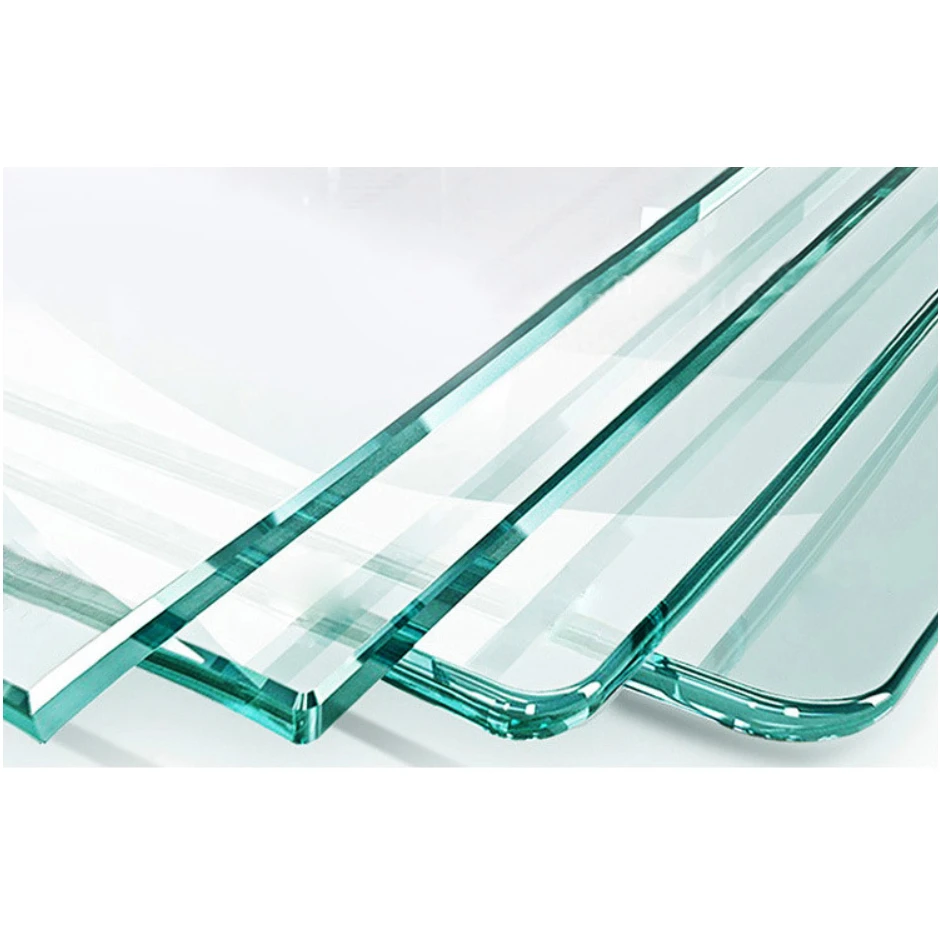
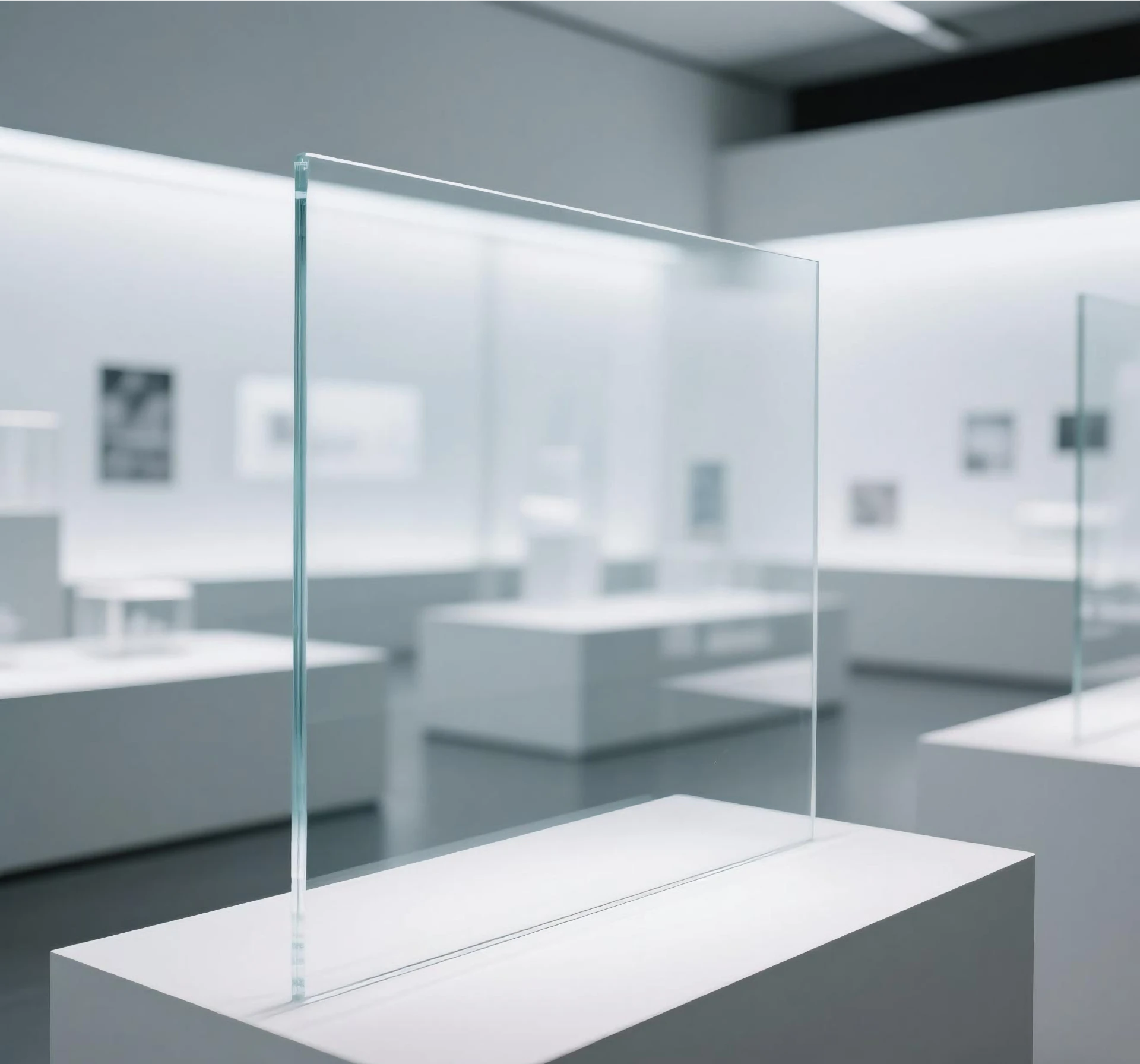
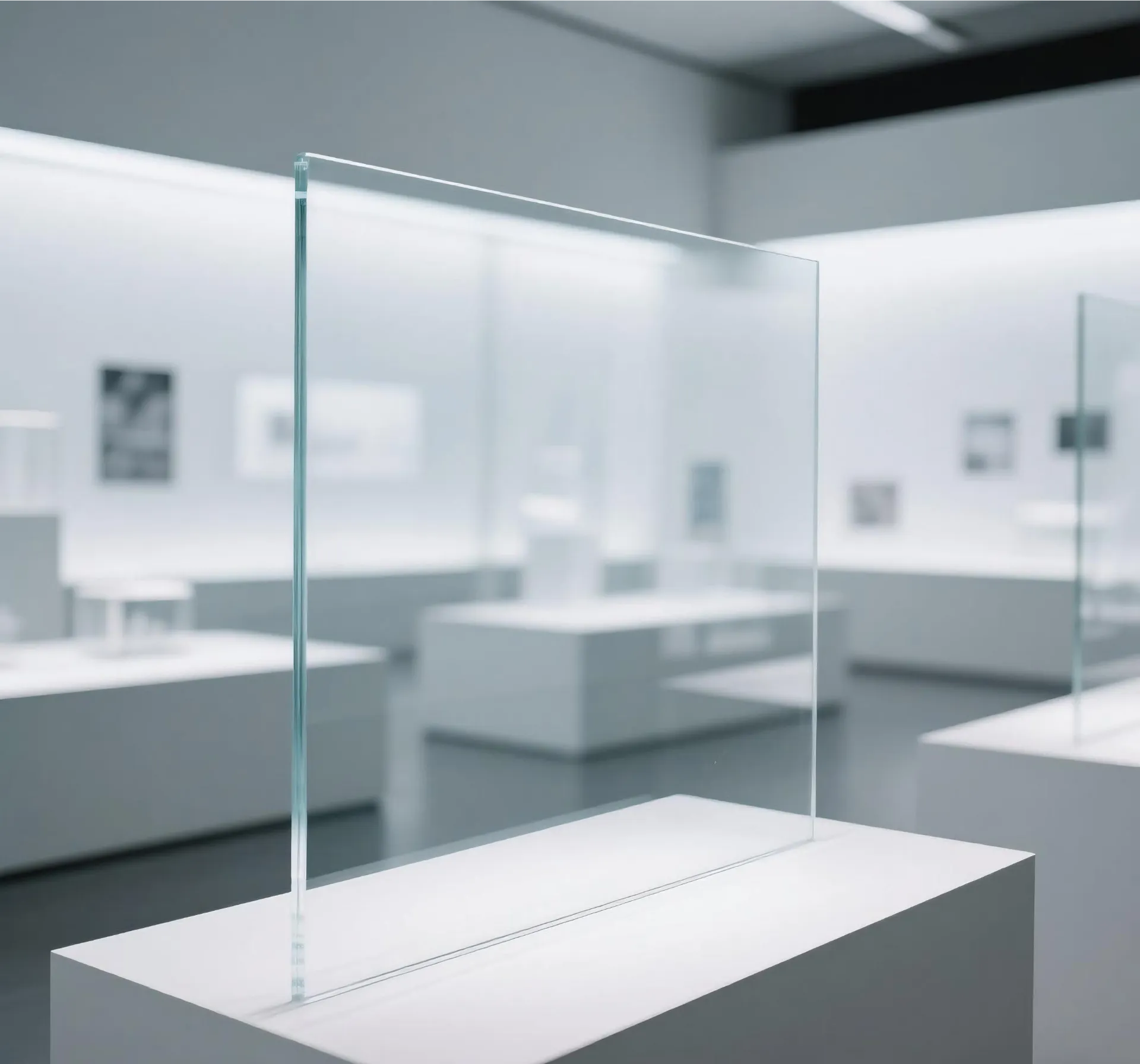
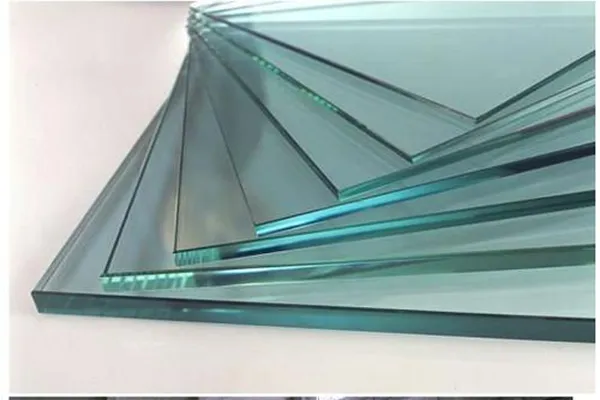
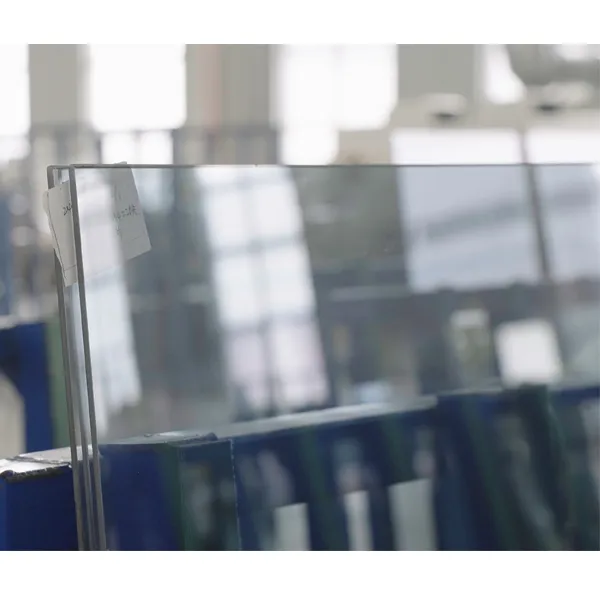
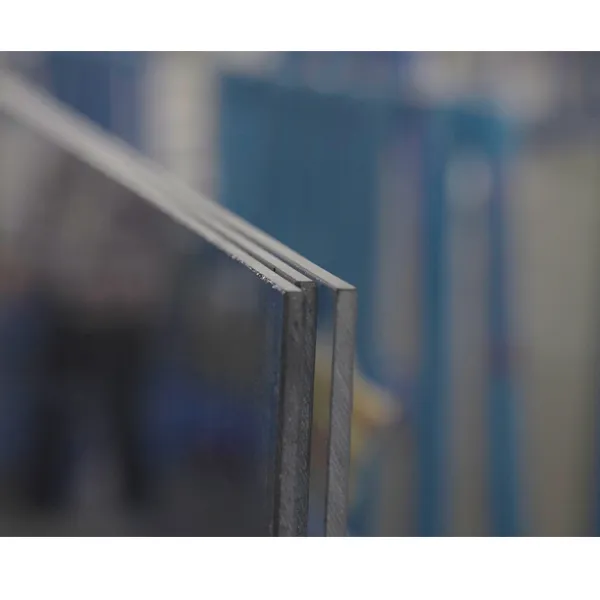
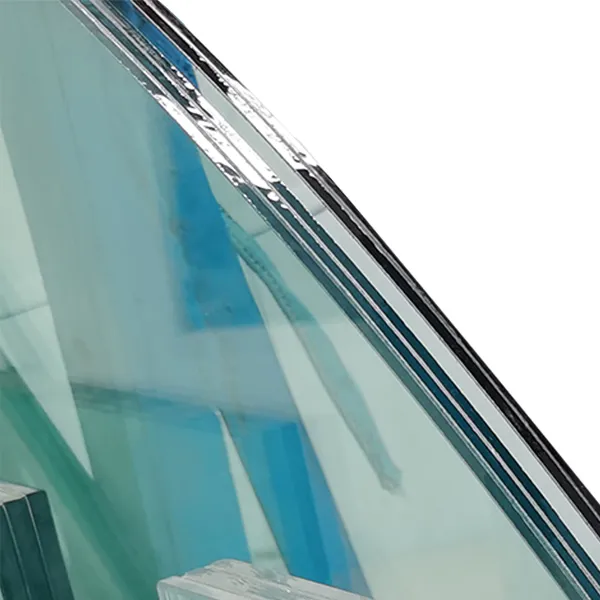
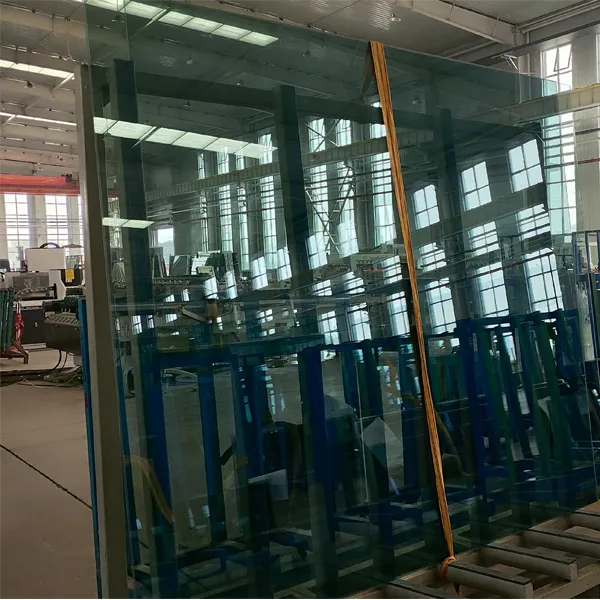
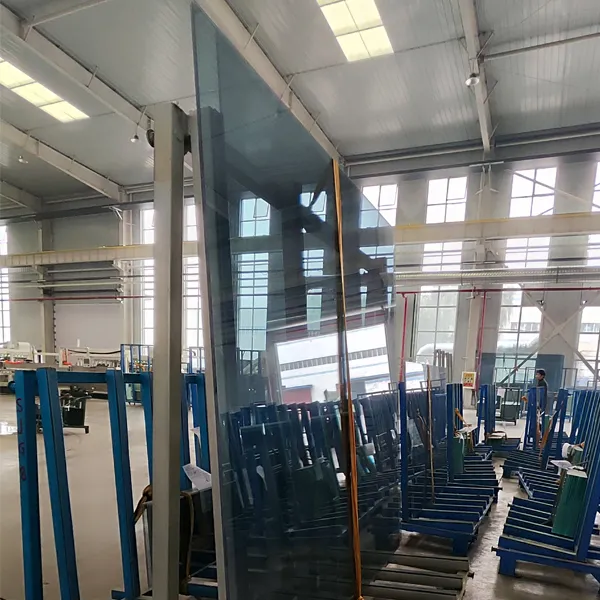
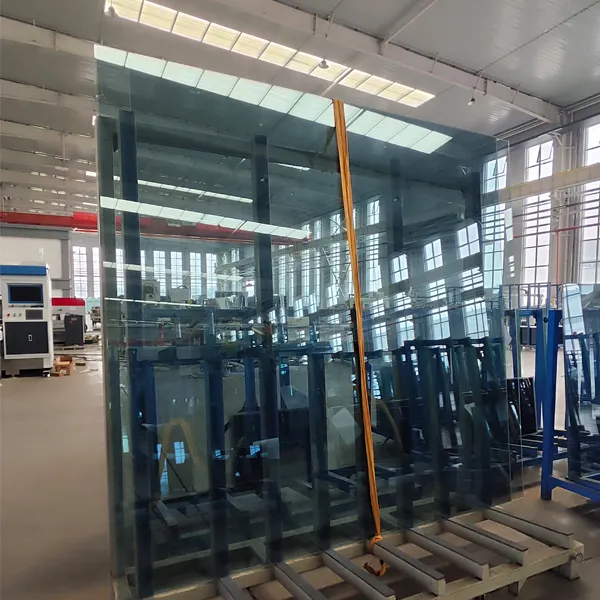
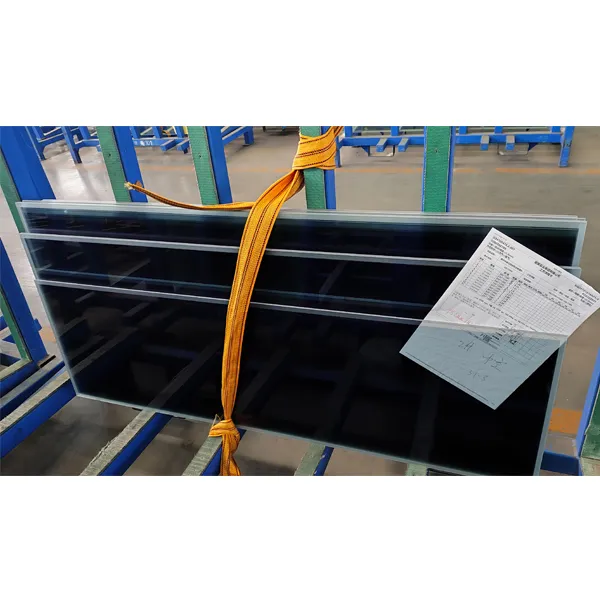
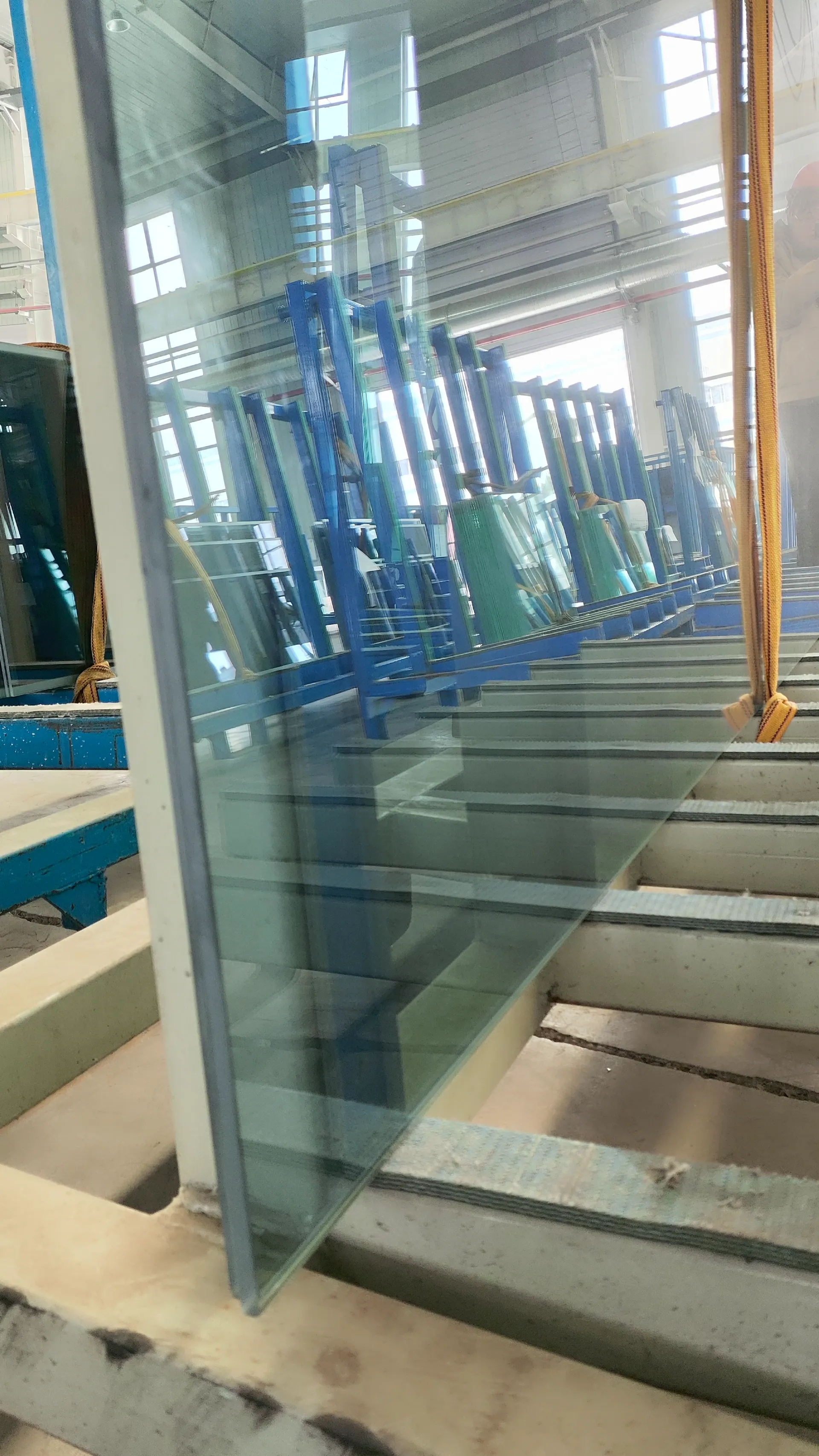
门窗钢化玻璃是一种通过对普通平板玻璃进行物理或化学处理来提高性能的安全玻璃。物理钢化是将普通玻璃加热至接近其软化点(600-650℃),然后快速空冷(淬火),使玻璃表面形成均匀的压应力,内部形成拉应力。这种应力状态赋予钢化玻璃高强度,其抗弯强度和抗冲击强度比普通玻璃高出3-5倍。
或者说,化学钢化采用离子交换:玻璃表面层中的碱金属离子与熔盐中的碱金属离子进行交换,在玻璃表面形成压应力层。
钢化玻璃破碎时,会碎成细小、不锋利的碎片,大大降低人员受伤的风险。这符合建筑安全玻璃的要求。
钢化玻璃在门窗中的应用
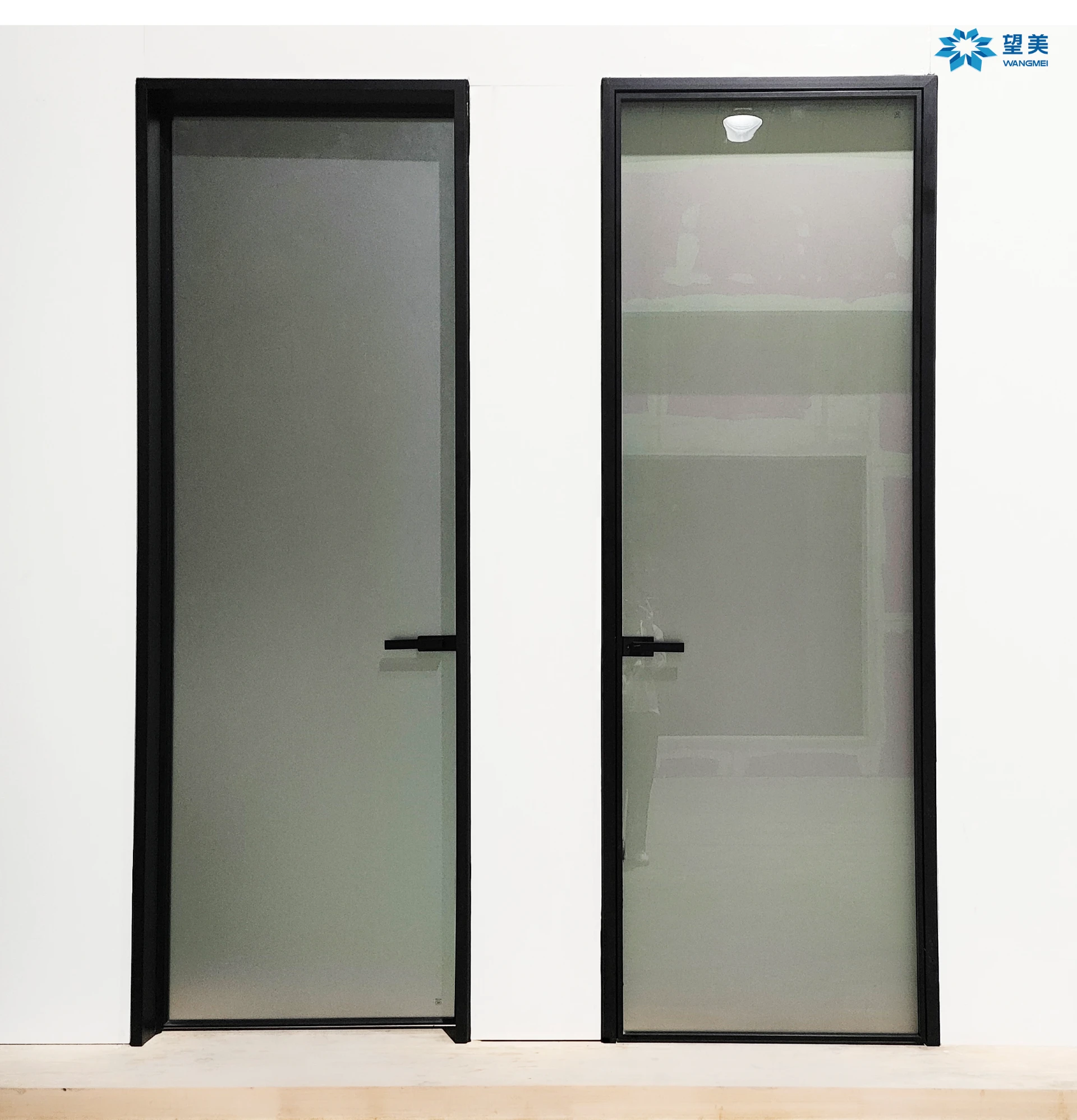
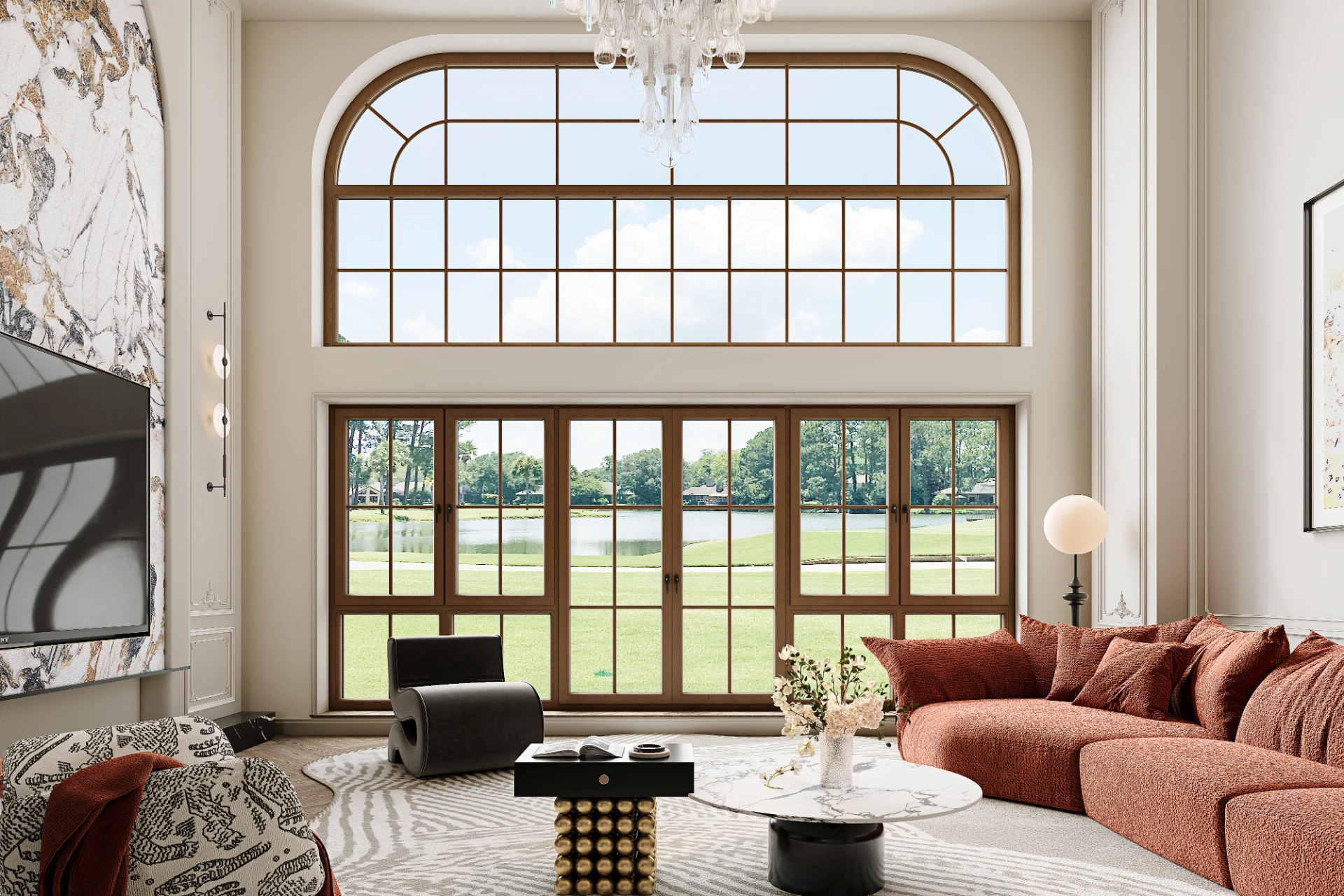
- 建筑门窗:广泛应用于住宅、商业和办公楼的门窗。它不仅满足采光需求,还能确保安全,防止因外部撞击或温度变化导致玻璃破碎而造成的伤害。例如,高层住宅外窗的钢化玻璃可以抵御强风、冰雹等恶劣天气,而商业建筑落地门窗的钢化玻璃则可以承受人流量大带来的碰撞风险。
- 阳光房:阳光房需要大面积的玻璃才能获得充足的采光。钢化玻璃具有高强度和安全性,可以承受季节性温度变化引起的热胀冷缩应力,以及强风、冰雪等外力,确保阳光房的安全性和稳定性。
- Indoor partitions: Used for dividing interior spaces, such as office partitions or separations between living rooms and dining areas. Tempered glass’s high light transmittance maintains spatial transparency, while its safety features prevent injuries from accidental breakage.
- Skylights: Tempered glass in building skylights can resist impacts from falling objects like hailstones, ensuring the skylight’s normal operation and personnel safety. It also has good thermal insulation, reducing indoor heat loss or excessive heat gain.
推拉门钢化玻璃
钢化玻璃适合用于窗户吗?
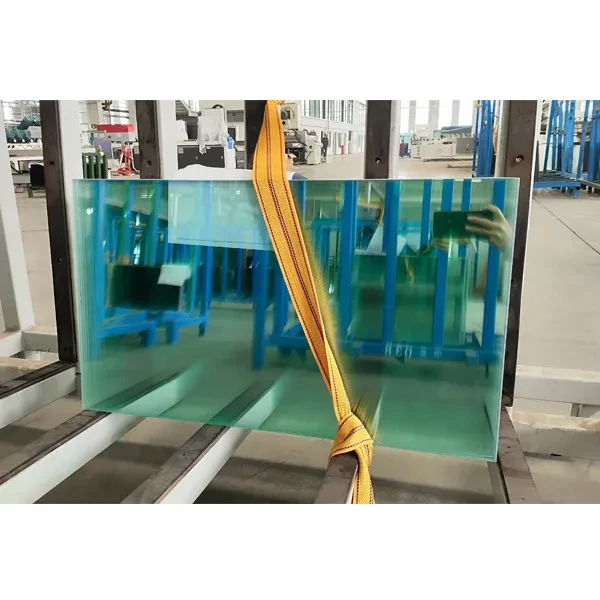
是的,钢化玻璃因其更高的安全性和耐用性而成为窗户的理想选择。它能够承受强烈的冲击、极端的温度和环境压力,是住宅和商业用途的理想选择。即使发生破损,它也会碎裂成更小、更安全的碎片,从而降低受伤风险。与标准玻璃相比,钢化玻璃还能更好地抵抗刮擦和风压。钢化玻璃用途广泛,可以根据客户需求定制厚度、色调和涂层,从而提高能源效率和紫外线防护性能。无论是大型玻璃幕墙还是标准窗户,钢化玻璃都能提供可靠性、安全性和美观的灵活性。
窗户钢化玻璃要求
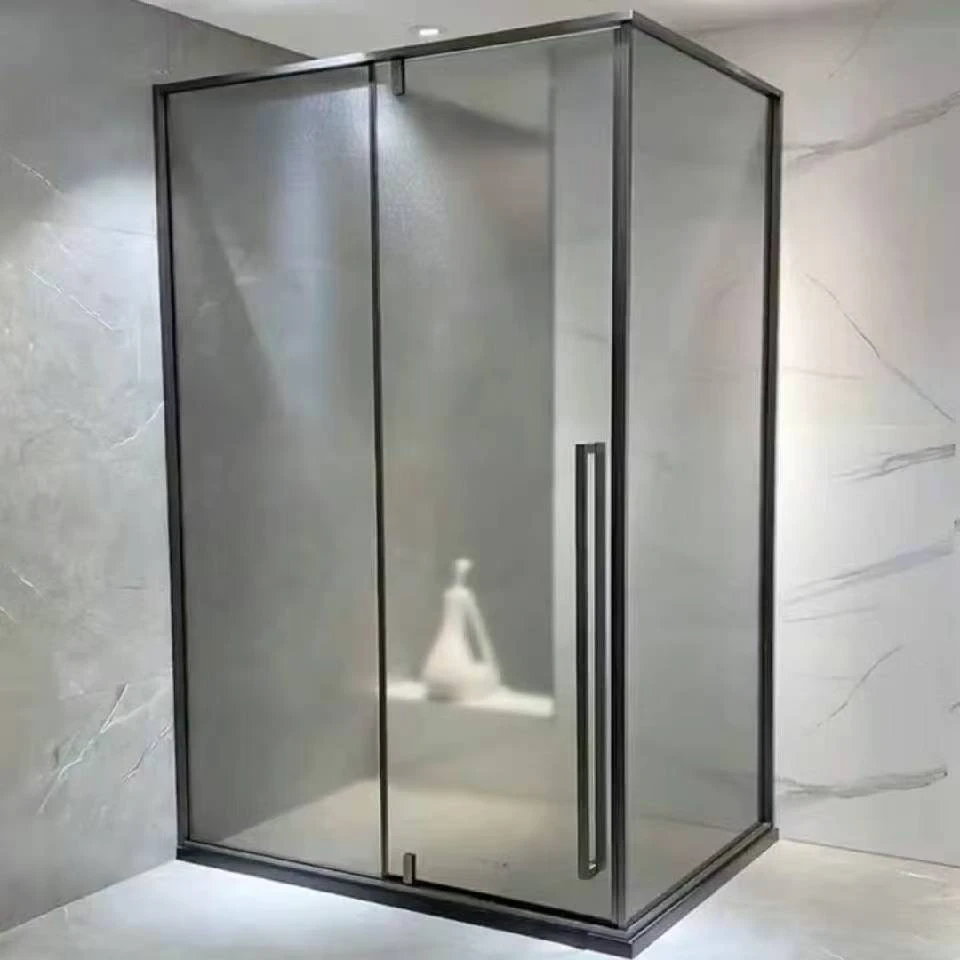
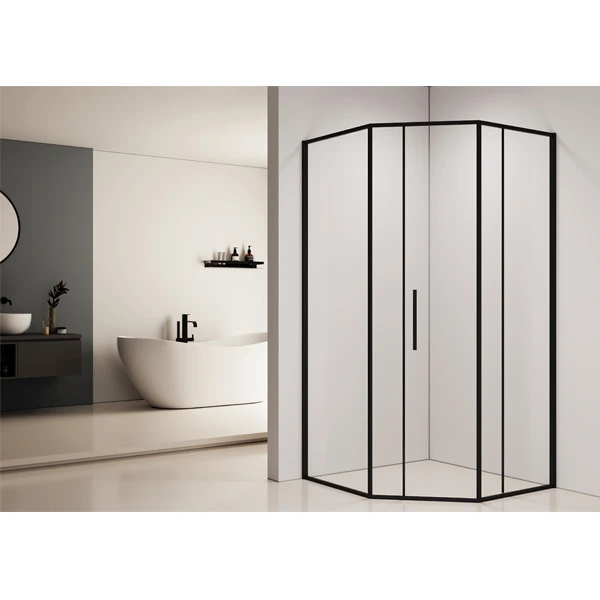
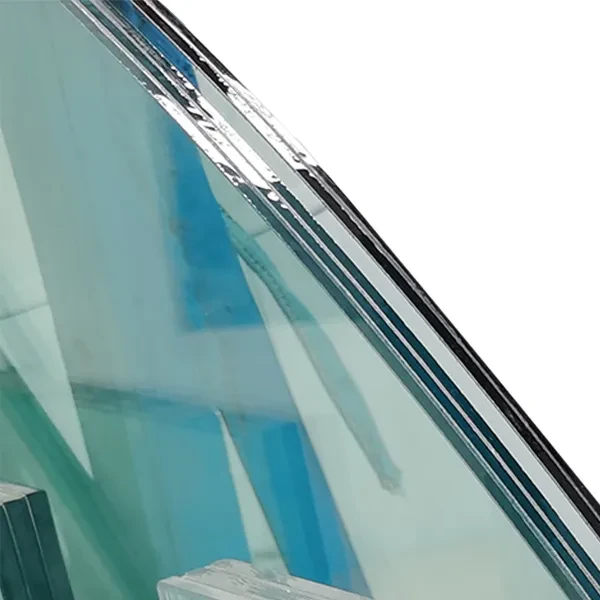
Tempered glass is often required for windows in specific locations to ensure safety, particularly in areas prone to human impact. Building codes typically mandate tempered glass for large windows, sliding doors, and glass near walkways or in bathrooms. The tempering process makes the glass up to five times stronger than standard glass, and its breakage pattern—small, granular pieces—reduces injury risks. Whether for high-rise apartments, commercial spaces, or residential homes, tempered glass windows provide peace of mind while meeting regulatory standards.