Premium Bathroom Mirror Guide from Low Iron Glass Supplier
Selecting a high-performance bathroom mirror involves more than just choosing a reflective surface; it requires a balance between aesthetic clarity, safety, and resilience against high-humidity environments. In professional architectural installations, the transition from standard float glass to specialized mirrors is driven by the need for superior light transmission and corrosion resistance. Whether for luxury hotel suites or modern residential bathrooms, the core requirement is a product that prevents oxidation and maintains clarity despite constant exposure to water vapor.
This guide explores the technical distinctions between basic, anti-fog, and smart mirror systems, focusing on how material choices—such as silver-coated glass and waterproof backing—impact the longevity of the installation. By understanding the integration of LED lighting and intelligent temperature control, procurement managers and designers can better specify products that enhance both the functionality and the visual expansion of compact bathroom spaces.

Technical Composition and Material Standards for Bathroom Mirrors
The efficacy of a bathroom mirror depends heavily on its multilayered construction. At its base, high-quality mirrors utilize silver or aluminum-coated glass, which provides the primary reflective property. To ensure durability in humid zones, these surfaces are treated with specialized coating technologies that enhance anti-scratch and anti-fog properties, reducing the frequency of maintenance and ensuring a crisp image.
Crucially, the rear of the glass is sealed with a high-performance waterproof layer. This protection is essential to prevent the silvering from oxidizing, which typically manifests as "black edge" corrosion in lower-quality products. For high-traffic commercial environments, tempered glass is often specified to improve impact resistance, ensuring that any accidental breakage results in small, blunt fragments rather than sharp shards, thereby aligning with international safety standards.
Beyond basic reflection, the industry has seen a shift toward integrated functional layers. This includes the application of heating wires for active defogging or the integration of touch-sensitive sensors for LED control, transforming the mirror from a passive tool into an active component of the bathroom's utility system.

Functional Categorization: From Basic Utility to Smart Integration
Bathroom mirrors are generally categorized by their technological complexity and the specific problem they solve within the space. For budget-conscious residential projects, Basic Type mirrors provide essential functionality with a moisture-proof backplate, focusing on high reflectivity and standard durability. These are ideal for guest bathrooms or rental properties where simple utility is the priority.
For users prioritizing convenience and visibility, Anti-Fog Type mirrors employ heating elements or specialized chemical coatings. These mechanisms prevent water vapor from condensing on the surface, a critical feature for bathrooms without high-capacity ventilation systems. This ensures that the mirror remains usable immediately after a hot shower, enhancing the user experience in luxury residential settings.
The most advanced segment is the Smart Type, which integrates a suite of electronic features. These mirrors often include:
- LED Lighting Strips: Providing shadow-free illumination for makeup and shaving.
- Touch Control: Intuitive interfaces for adjusting brightness or toggling the defogger.
- Connectivity: Integrated Bluetooth speakers and digital clocks for a streamlined morning routine.
Application Scenarios and Spatial Optimization Strategies
In household bathroom spaces, the mirror serves a dual purpose: daily grooming and visual expansion. Full-wall mirrors are frequently utilized in smaller bathrooms to create an illusion of depth, effectively doubling the perceived space. Many designers now integrate mirrors with storage cabinets, creating a hybrid solution that maximizes vertical space while maintaining a clean, minimalist aesthetic.
Commercial venues, such as luxury hotels and fitness clubs, have different requirements. In these settings, durability and safety are paramount. Public restrooms typically utilize tempered glass mirrors to withstand heavy use and reduce liability. In beauty salons and gym dressing rooms, multi-sided or ring-light mirrors are implemented to provide comprehensive viewing angles, which is essential for professional grooming and makeup application.
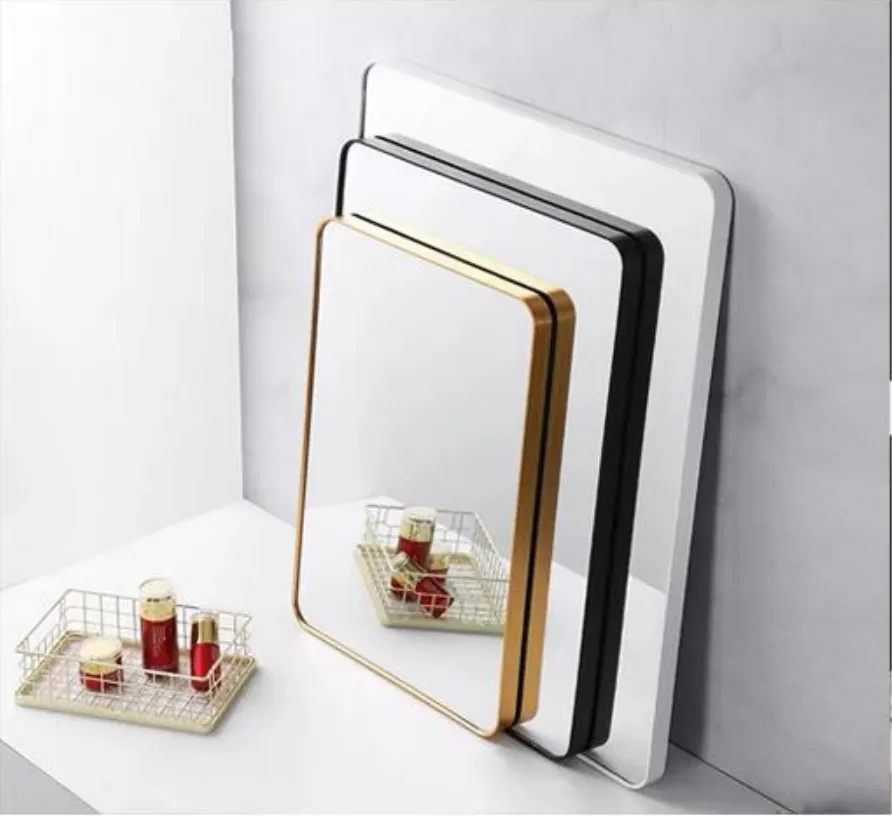
Personalized architectural designs are also pushing the boundaries of mirror application. Arc-shaped or geometric mirrors, achieved through precision cutting and engraving, are paired with Nordic or Industrial style frames. These artistic interpretations move the mirror beyond a tool, treating it as a piece of wall art that defines the character of the bathroom interior.
Comparison of Bathroom Mirror Specifications by Use Case
| Mirror Category | Core Material | Key Feature | Primary Application |
|---|---|---|---|
| Basic Mirror | Silver-coated Glass | Moisture-proof Backing | Budget Residential |
| Anti-Fog Mirror | Coated Glass + Heater | Condensation Prevention | Luxury Homes / Spas |
| Smart Mirror | Integrated Electronics | LED & Touch Control | High-end Hotels |
| Safety Mirror | Tempered Glass | Impact Resistance | Public Restrooms |
| Artistic Mirror | Custom-cut Glass | Geometric Shapes | Boutique Design |
Procurement Considerations for High-Humidity Environments
When sourcing mirrors for professional projects, buyers must evaluate the quality of the backing and the precision of the edge treatment. A common mistake is overlooking the grade of the waterproof layer; inferior coatings lead to premature silver oxidation in steam-heavy rooms. Procurement managers should verify that the supplier uses high-grade silvering processes and provides certifications for humidity resistance.
Another critical factor is the integration of electrical components in smart mirrors. Ensure that the LED drivers and heating elements are rated for bathroom use (IP-rated) to prevent electrical hazards. The choice between integrated mirror cabinets and standalone mirrors also affects the overall procurement cost and installation timeline, as cabinets require deeper wall recesses and integrated plumbing considerations.
Finally, consider the total cost of ownership. While basic mirrors have a lower initial price, anti-fog and smart options reduce maintenance frustration and increase the property value. Evaluating the supplier's ability to provide custom dimensions and shapes is also vital for projects with non-standard bathroom layouts, ensuring a seamless fit without the need for on-site modifications.
Future Trends in Intelligent Mirror Technology
The bathroom mirror is evolving from a static reflective surface into an interactive hub. The trend toward "Smart Home" integration is driving the development of mirrors that can display real-time health data, weather updates, and personalized grooming tips. We are seeing a move toward seamless integration where the mirror acts as the interface for the entire bathroom's climate and lighting control.
Sustainability is also becoming a primary driver in manufacturing. There is a growing demand for eco-friendly coatings and the use of recycled glass substrates without compromising optical clarity. Companies are focusing on energy-efficient LED systems that provide high lumen output with minimal power consumption, aligning with global carbon neutrality goals.
From a design perspective, the "hidden technology" approach is gaining traction. This means smart features—like defoggers and displays—are completely invisible when the mirror is off, maintaining a clean, traditional look while offering modern functionality. This balance of minimalism and intelligence is expected to dominate high-end architectural glass specifications in the coming years.
Frequently Asked Questions About Bathroom Mirrors
What causes the black edges on bathroom mirrors over time?
Black edges are caused by oxidation of the silver reflective layer. This happens when moisture penetrates the waterproof backing, reacting with the silver. High-quality mirrors use superior sealing and protective coatings to prevent this process.
How does an anti-fog mirror actually work?
Anti-fog mirrors typically use a heating pad attached to the back of the glass. By warming the glass surface to a temperature above the dew point, it prevents water vapor from condensing into droplets, keeping the mirror clear.
Is tempered glass necessary for all bathroom mirrors?
While not required for every home, tempered glass is highly recommended for public areas, hotels, and gyms. It is much stronger than standard glass and breaks into small, blunt pieces, significantly reducing the risk of injury.
Can smart mirrors be installed in very small bathrooms?
Yes, smart mirrors are often ideal for small spaces. By combining lighting and mirroring into one unit, they eliminate the need for separate wall lamps, saving space and creating a cleaner visual profile.
How should I clean a mirror with an anti-fog coating?
Avoid using abrasive cleaners or harsh chemicals that can strip the coating. A soft microfiber cloth and a mild glass cleaner or a mixture of water and vinegar are generally recommended to maintain the surface integrity.
What should I look for when choosing a low iron glass supplier for mirrors?
Look for a supplier with a comprehensive industrial chain, certified quality management systems (like ISO9001), and experience in deep-processing glass. Ensure they can provide customized solutions and have a proven track record of export quality.
Technical References and Industry Resources
- ISO Quality Management Standards for Glass Manufacturing
- ASTM International Standards for Flat Glass and Mirrors
- National Glass Association Technical Guidelines
- Energy Efficiency Guidelines for Integrated LED Lighting
For professional procurement of architectural glass and customized bathroom mirror solutions, Wangmei Group provides a complete industrial chain from raw float glass to high-end deep processing. Contact our technical team for specifications tailored to your project requirements.
Explore Related Glass Solutions