
Understanding the Float Glass Tin Bath Process and its Modern Applications
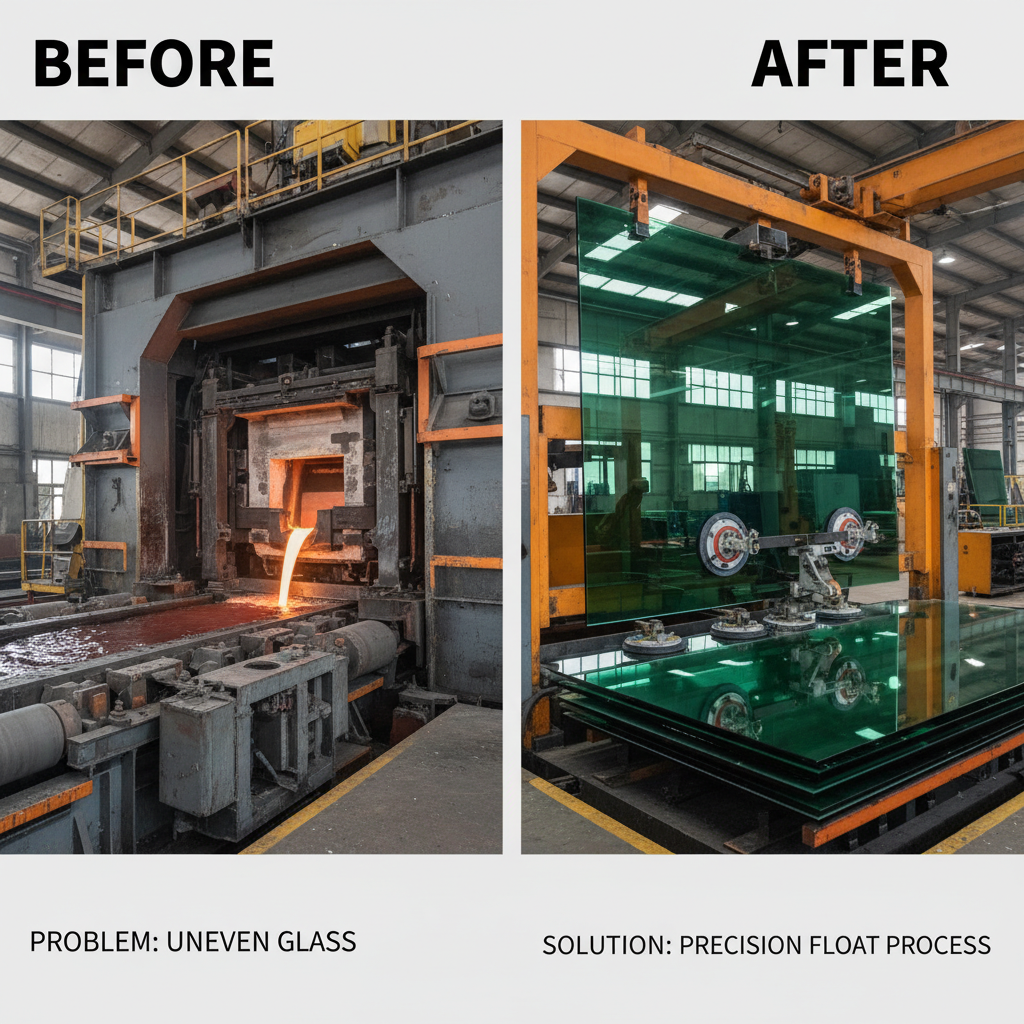
The float glass tin bath – it’s not just a process, it's the backbone of modern glassmaking. You see a pristine window, a sleek car windshield, a polished storefront? Almost certainly, it started in a tin bath. We’re talking about a continuous, automated process where molten glass is floated on a bed of molten tin – a deceptively simple concept that took decades to refine. It’s moved beyond just making flat glass; it’s integral to the production of specialized glass for solar panels, automotive applications, and high-performance architecture. Knowing the intricacies of this process isn't just academic; it's crucial for anyone involved in material selection, construction, and even architectural design. For years, glass production was about rolling or drawing sheets. These methods introduced imperfections, inconsistencies in thickness, and required costly polishing. The float glass process, pioneered by Pilkington in the 1950s, changed everything. It drastically improved the quality, reduced manufacturing costs, and increased production speeds. Now, we’re facing global demands for larger glass sheets, lighter weights, and improved performance characteristics.
Read more »

 By:Ryan Edwards - April 8, 2026
 By:David Miller - April 6, 2026
 By:Brian Thompson - April 3, 2026
 By:Ethan Clark - March 27, 2026


