Green float glass is a cornerstone of modern construction and design, offering a versatile and essential material for a wide range of applications. Its unique properties, combined with growing demand for sustainable building solutions, have cemented its position as a key component in the global glass industry. Understanding the nuances of green float glass – from its manufacturing process to its environmental impact and diverse uses – is crucial for architects, builders, and anyone involved in the built environment.
The production of green float glass represents a significant economic force worldwide. According to recent data from the UN Comtrade database, global glass exports totaled over $150 billion in 2022, with float glass representing a substantial portion. However, traditional glass manufacturing can be energy-intensive and contribute to carbon emissions. This has led to a growing push for more sustainable production methods and the development of “greener” glass options, creating both challenges and opportunities for manufacturers.
The increased focus on energy efficiency and environmentally responsible building practices is driving the demand for green float glass. It’s not merely a material; it’s a response to the urgent global need for sustainable infrastructure and reduced carbon footprints. This increased demand benefits not just manufacturers, but also downstream industries such as automotive, solar energy, and interior design.
The Significance of Green Float Glass
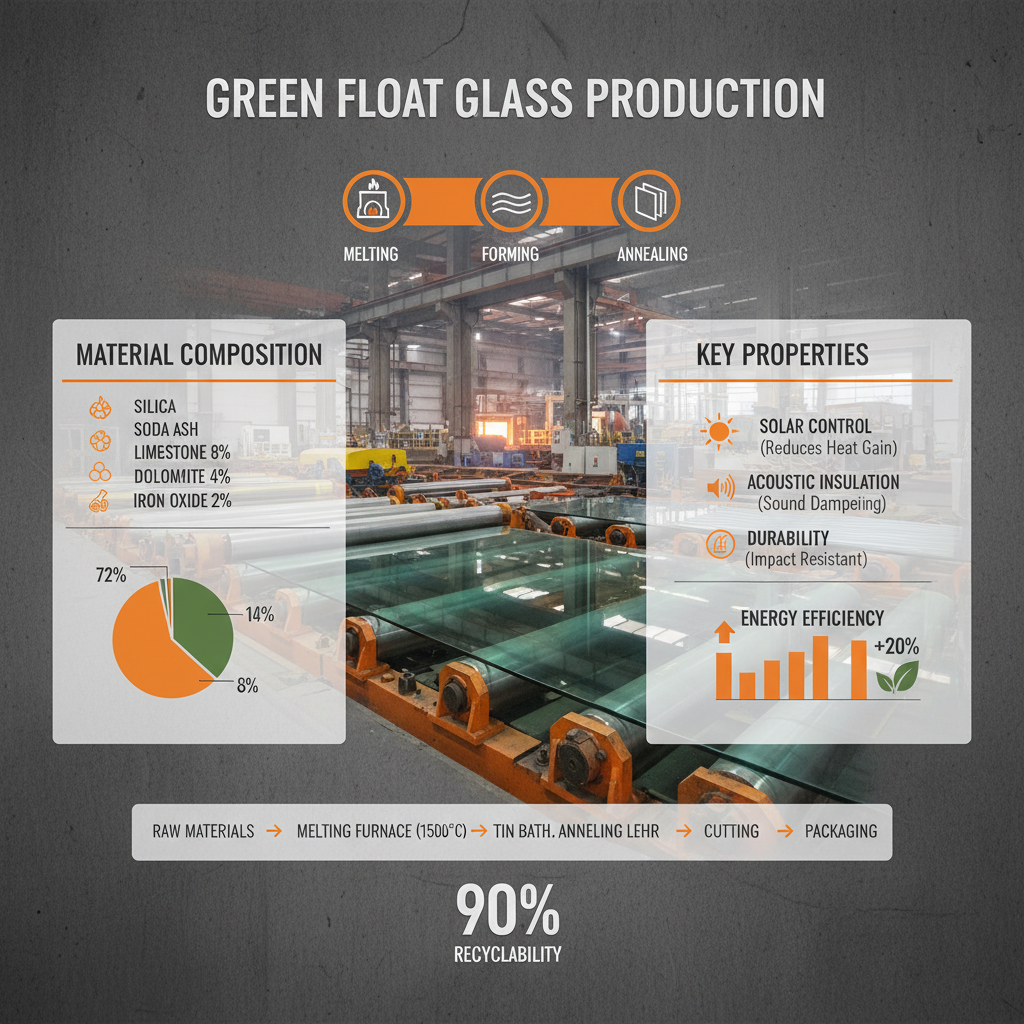
Green float glass is no longer simply a material choice; it’s a statement about a commitment to sustainability and responsible manufacturing. The subtle green tint, a result of the iron oxide content within the glass, offers unique aesthetic qualities while contributing to energy efficiency. Modern advances in glass technology are enhancing these properties, making it ideal for a growing number of applications.
Its importance extends beyond building construction. The automotive industry utilizes green float glass for windshields and side windows, enhancing safety and reducing solar heat gain. The solar energy sector relies on high-transmission green float glass as a cover for solar panels, maximizing light absorption and energy conversion. The increasing demand across these sectors highlights its vital role in a greener future.
Understanding Green Float Glass
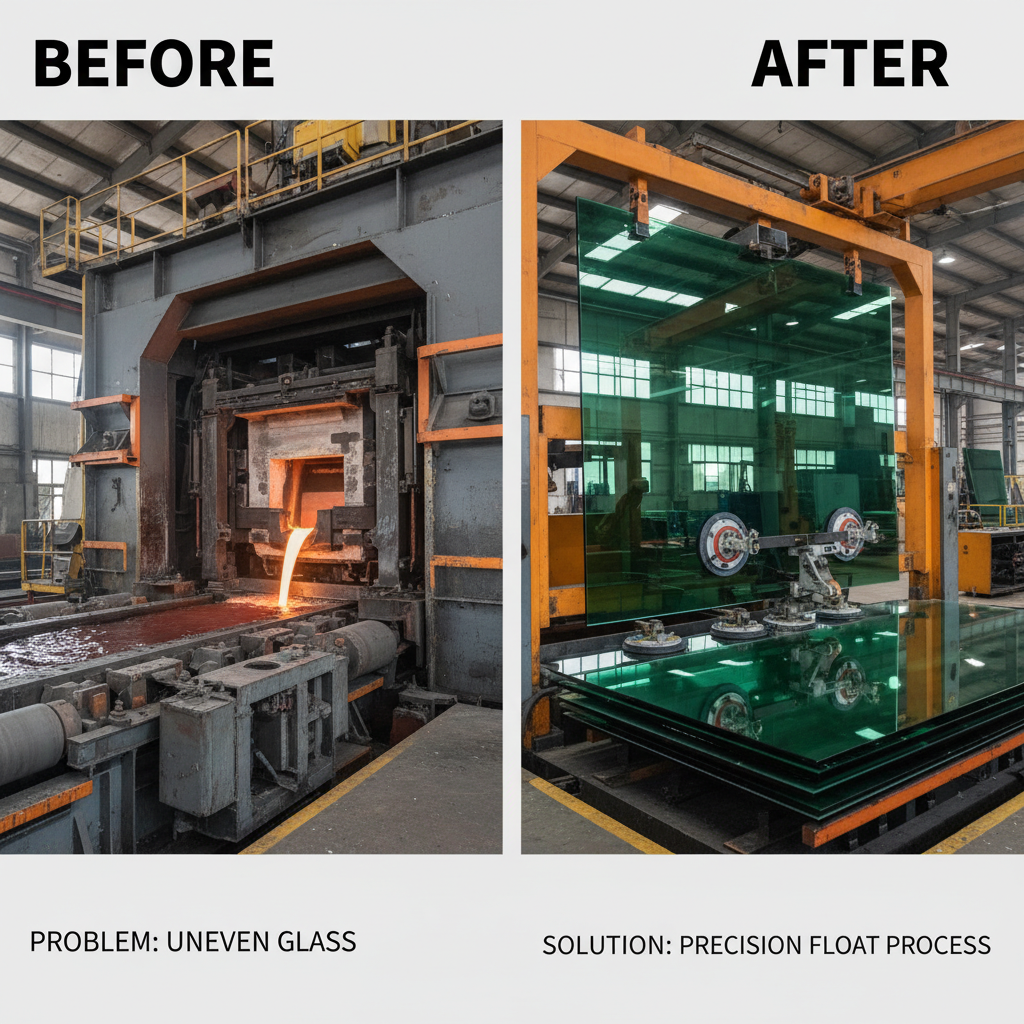
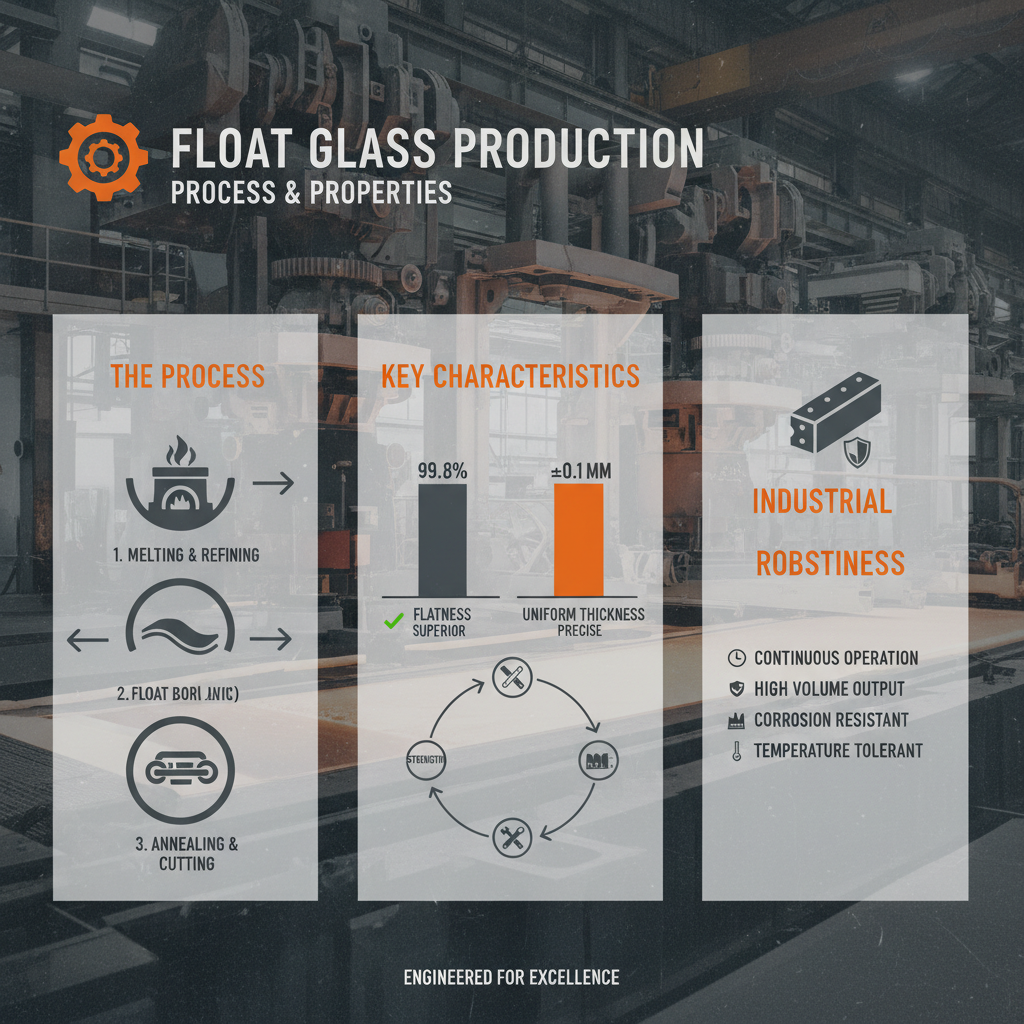
Green float glass is a sheet of glass made by floating molten glass on a bed of molten tin. This process yields a remarkably flat and uniform surface, free from distortions. The characteristic green hue comes from the presence of iron oxide impurities within the silica sand used in the glassmaking process. While often seen as a byproduct, this iron oxide content actually provides several benefits, including UV filtering and some degree of solar heat reduction.
Its connection to modern industry is deeply ingrained. The float glass process, invented in the 1950s, revolutionized glass manufacturing, replacing older, less efficient methods. This innovation enabled mass production of high-quality glass, making it affordable and accessible for a wide range of applications. It fundamentally altered the landscape of construction and design.
In a world increasingly focused on resource conservation and environmental stewardship, understanding the lifecycle of green float glass—from raw material sourcing to recycling—is paramount. The industry is actively exploring ways to minimize its environmental impact, including utilizing recycled glass cullet and implementing more energy-efficient manufacturing processes.
Core Properties of Green Float Glass
The core properties of green float glass are what make it such a valuable material. Firstly, its exceptional clarity allows for high light transmission, crucial for windows and skylights. Secondly, it possesses excellent thermal stability, meaning it resists cracking or breaking due to temperature fluctuations. These properties contribute directly to energy efficiency, reducing the need for heating and cooling.
Furthermore, green float glass demonstrates considerable chemical resistance, making it impervious to most common pollutants and weathering agents. Its durability, combined with its relatively low cost, makes it a practical choice for both interior and exterior applications. This balance of performance characteristics explains its widespread adoption across numerous industries.
Lastly, the inherent strength of float glass allows for it to be further processed – tempered for increased safety, laminated for enhanced security, or coated for specific performance characteristics. These post-processing options expand its versatility, allowing it to meet a wider range of design and functional requirements.
Applications Across Industries
The applications of green float glass are incredibly diverse. In construction, it’s fundamental to windows, doors, curtain walls, and interior partitions. Its strength and clarity make it ideal for these load-bearing and light-transmitting elements. Architects frequently utilize it to create modern, aesthetically pleasing building facades.
Beyond building, the automotive sector relies heavily on green float glass for windshields, side windows, and rear windows. These components provide crucial visibility, safety, and protection for vehicle occupants. The glass also contributes to vehicle aerodynamics and fuel efficiency.
Green Float Glass Application Breakdown
Advantages and Long-Term Value
The advantages of utilizing green float glass extend beyond its functional properties. Cost-effectiveness is a key benefit, as it’s generally more affordable than many specialized glass types. Its readily available and well-established manufacturing process contributes to its competitive pricing. This makes it an accessible option for a broad spectrum of projects.
In terms of sustainability, while not inherently ‘green’ in its basic form, green float glass is 100% recyclable, reducing landfill waste and conserving raw materials. Moreover, its energy-efficient properties—reducing heat gain and loss—contribute to lower energy consumption in buildings and vehicles, ultimately reducing carbon emissions.
Future Trends in Green Float Glass
The future of green float glass is being shaped by several key trends. Firstly, advancements in coating technologies are enhancing its energy performance, allowing for greater solar control and improved thermal insulation. These coatings can selectively filter wavelengths of light, optimizing energy efficiency without compromising visibility.
Secondly, the integration of smart glass technologies—such as electrochromic glass that changes opacity in response to electrical signals—is poised to revolutionize the way we utilize glass in buildings. These innovations offer dynamic control over light and heat, maximizing comfort and energy savings.
Finally, research into alternative glass compositions – using lower-iron content or incorporating recycled materials – is aiming to further reduce the environmental footprint of glass production. These innovations will be essential in meeting increasingly stringent sustainability standards.
Addressing Challenges and Optimizing Production
One major challenge in green float glass production is the high energy consumption of the melting process. Traditional methods rely heavily on fossil fuels, contributing to carbon emissions. Overcoming this requires investment in alternative energy sources and more efficient furnace designs.
Another challenge is managing the variability in raw material quality. Fluctuations in the iron oxide content of silica sand can affect the color and clarity of the glass. Implementing stricter quality control measures and exploring alternative sand sources are crucial to ensure consistent product quality.
Optimizing production also involves reducing waste and maximizing the use of recycled glass cullet. Implementing closed-loop manufacturing systems, where broken or discarded glass is collected and reprocessed, is essential for creating a more sustainable and circular economy.
Summary of Challenges and Solutions in Green Float Glass Production
| Challenge |
Impact on Green Float Glass |
Proposed Solution |
Implementation Timeline |
| High Energy Consumption |
Increased Carbon Footprint |
Transition to Electric Furnaces, Utilizing Renewable Energy Sources |
5-10 Years |
| Raw Material Variability |
Inconsistent Glass Quality |
Stricter Quality Control, Alternative Sand Sourcing |
2-5 Years |
| Waste Generation |
Landfill Burden, Resource Depletion |
Implement Closed-Loop Recycling Systems |
1-3 Years |
| Transportation Costs |
Increased Environmental Impact |
Localize Production, Optimize Logistics |
3-7 Years |
| Limited Use of Recycled Content |
Reduced Sustainability Benefits |
Invest in Cullet Processing Technology |
2-5 Years |
| Regulatory Compliance |
Increased Costs, Operational Complexity |
Proactive Environmental Management Systems |
Ongoing |
FAQS
Green float glass offers several environmental advantages. It's 100% recyclable, reducing landfill waste and conserving raw materials. Its inherent thermal properties contribute to energy efficiency, lowering heating and cooling costs and reducing carbon emissions. While the manufacturing process can be energy intensive, advancements are continuously being made to minimize its environmental impact through the use of recycled cullet and alternative energy sources.
The iron oxide present in green float glass provides several benefits. It acts as a natural UV filter, protecting interiors from harmful rays. It also reduces solar heat gain, contributing to improved energy efficiency. However, it slightly reduces light transmission compared to low-iron glass, although the difference is often negligible in most applications. The color saturation is directly proportional to the iron content.
While green float glass offers a degree of inherent strength, it's generally not sufficient for high-security applications on its own. However, it can be laminated with specialized interlayers to create laminated safety glass that provides enhanced impact resistance and security. Tempering the glass also significantly increases its strength and resistance to breakage, making it suitable for certain security applications.
The lifespan of green float glass in a building facade is typically very long, often exceeding 50 years with proper maintenance. It’s highly resistant to weathering, corrosion, and degradation. However, the lifespan can be affected by factors such as exposure to extreme weather conditions, air pollution, and improper installation. Regular inspections and cleaning can help prolong its lifespan.
Yes, green float glass is 100% recyclable. The recycling process involves collecting broken or discarded glass (cullet), removing contaminants, and crushing it into smaller pieces. This cullet is then melted down and used as a raw material in the production of new glass, reducing the need for virgin materials and conserving energy.
Generally, green float glass is cost-competitive with other common glass types. Its readily available and well-established manufacturing process contributes to its affordability. However, specialized glass types like low-iron glass or coated glass may have a higher upfront cost. The long-term cost benefits of green float glass, such as energy efficiency and reduced maintenance, should also be considered.
Conclusion
Green float glass stands as a cornerstone material in the modern world, offering a compelling combination of durability, versatility, and increasing sustainability. From its pivotal role in construction and automotive industries to its contributions to renewable energy, its importance continues to grow alongside evolving environmental concerns. The inherent advantages of green float glass—its recyclability, energy efficiency, and cost-effectiveness—make it a vital component in building a more sustainable future.
Looking ahead, continued innovation in glass technology will be critical. Further research into alternative manufacturing processes, coupled with the wider adoption of smart glass technologies, will unlock even greater potential for green float glass. To fully realize its benefits, collaboration between manufacturers, architects, and policymakers is essential to drive sustainable practices and promote the responsible use of this valuable material. Visit our website at green float glass to learn more about our product offerings and sustainable solutions.