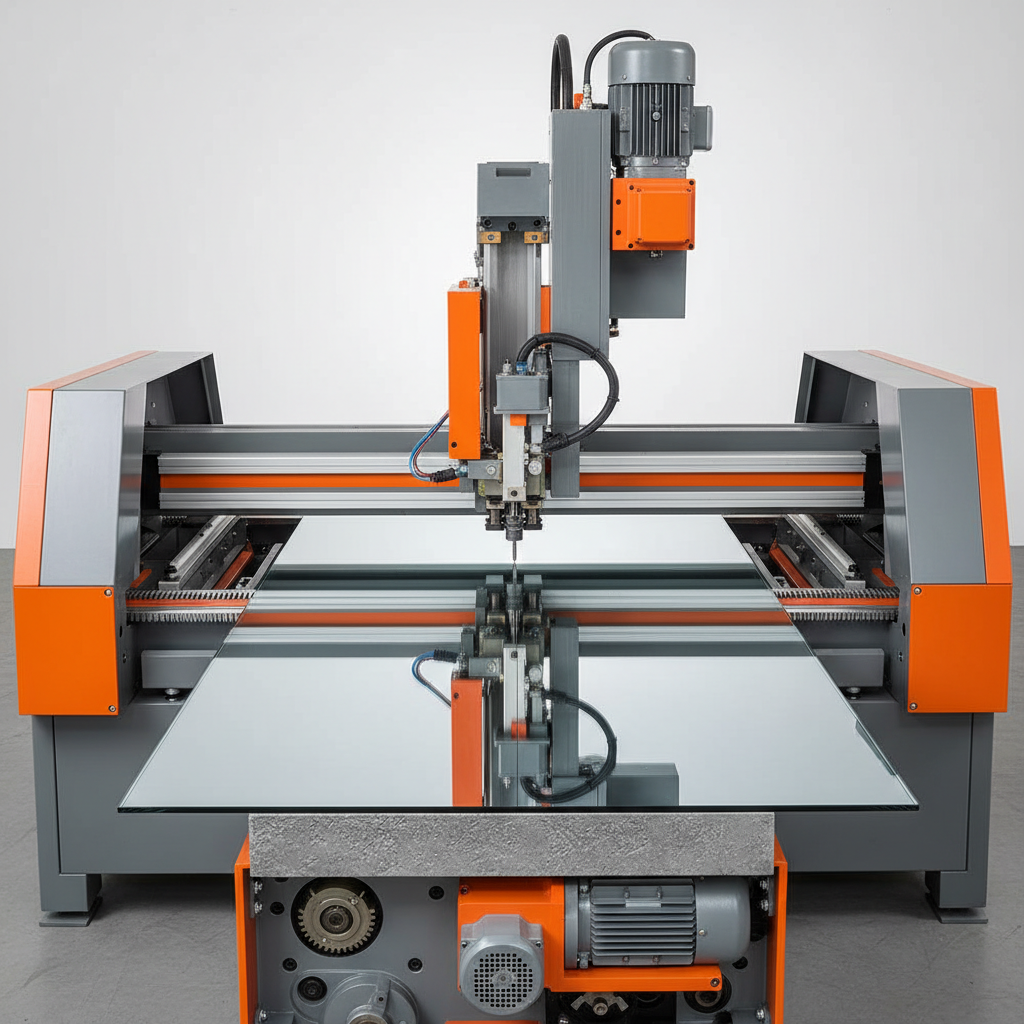
Float glass window – it’s more than just clear panes. After years walking job sites, seeing everything from residential builds to massive commercial projects, you realize how fundamental good glass is. It dictates light, energy efficiency, safety, and frankly, the whole feel of a space. It's not glamorous work, hauling sheets and checking for imperfections, but you quickly learn to appreciate the difference between a well-made float glass window and something… less so. It impacts everyone, every day.
The global demand for float glass window is substantial and steadily growing. The UN estimates that over half the world’s population now lives in urban areas, driving construction and renovation rates. The International Organization for Standardization (ISO) sets rigorous quality standards, but even with those, variations exist. What we’re seeing now is a real push for higher performance glass – better insulation, stronger security – especially in developing economies rapidly expanding their infrastructure. The challenge? Scaling production while maintaining quality and sustainability.
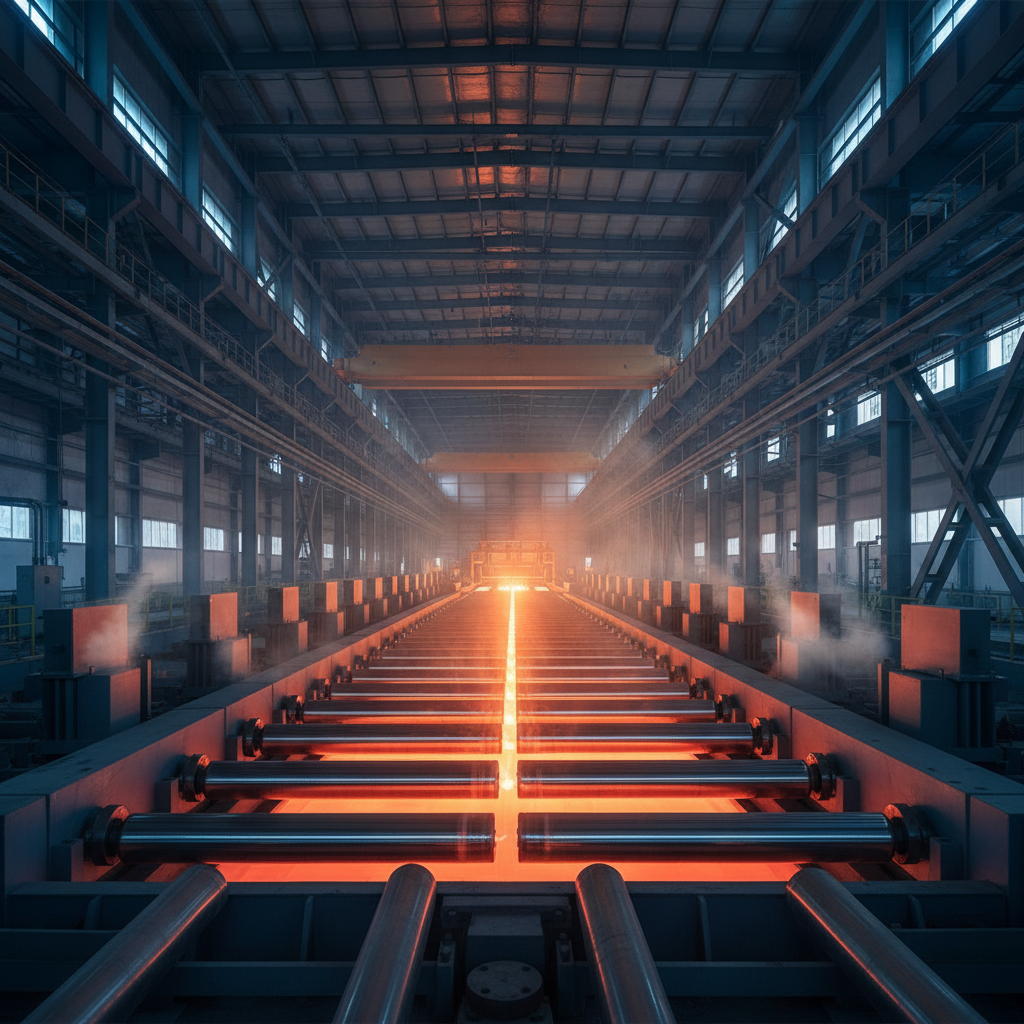
Simply put, float glass window is glass made through a process where molten glass is floated on a bed of molten tin. This creates a perfectly flat surface with no distortion – a massive improvement over older methods. It's the standard for most architectural glass applications today, and its widespread use is directly tied to the massive expansion of modern construction. You see it everywhere, from skyscrapers to your basic home window.
The Fundamentals of Float Glass Window
The core of a good building project is about material integrity. Float glass window excels here. Its consistent thickness and flat surface are crucial for everything from achieving optimal thermal performance to creating aesthetically pleasing facades. I've seen too many projects delayed or compromised because of subpar glass – warping, inconsistencies in tint, even just breakage during installation. Investing in quality from the start saves headaches later.
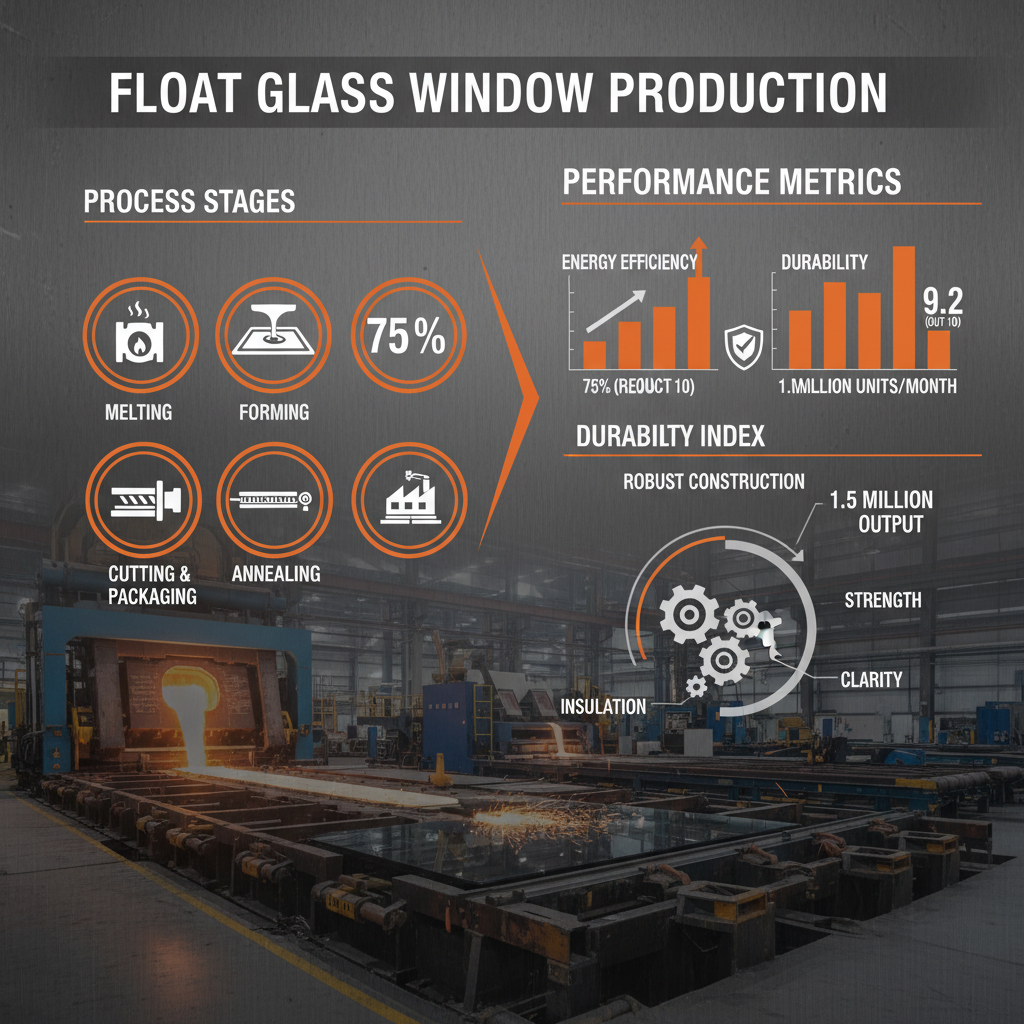
What really matters is understanding the entire process, from the initial molten mixture to the final annealing and cutting. That’s where expertise comes in. You need to know what to look for, how to assess quality, and how different manufacturing processes impact the final product. It's not just about price; it's about long-term performance and reliability.
Global Relevance and Industry Standards
The demand for float glass window isn’t localized. It's a global story, driven by urbanization, infrastructure development, and increasingly stringent building codes. China, India, and Southeast Asia are experiencing massive growth, creating huge demand. But that also means increased scrutiny on sustainability and environmental impact. We’re seeing more and more projects requiring low-E coatings and recycled glass content.
Industry standards, like those set by ISO, are critical. They ensure a baseline level of quality, but they’re not always enough. I’ve worked on projects where glass technically met the ISO standard but still performed poorly in real-world conditions. That's where due diligence and supplier vetting become essential. A certificate isn’t a guarantee; understanding the manufacturing process is.
One big challenge is navigating differing regulations. What's acceptable in one country might not be in another. You need to understand local building codes and ensure the glass you're using complies with all relevant requirements. Failure to do so can result in costly delays, rework, and even legal issues. It's a logistical puzzle, honestly.
Defining Float Glass Window: A Core Building Material
At its heart, float glass window provides a clear, flat, and consistent surface. The process itself – floating molten glass on molten tin – prevents the distortions that plagued older manufacturing methods. This seemingly simple innovation revolutionized the industry. It’s the foundation upon which almost all modern architectural glass is built.
It's about more than just visibility. Float glass window allows for the application of various coatings, enhancing its properties. Low-E coatings improve thermal insulation, reducing energy consumption. Tempered glass increases strength and safety. Laminated glass provides security and soundproofing. The base material is adaptable, which makes it so versatile.
This adaptability ties directly into modern sustainability efforts. Energy efficiency is paramount, and float glass window, when properly treated, plays a significant role in reducing a building's carbon footprint. It’s a core component of green building design, and demand for high-performance glass is only going to increase.
Key Factors Influencing Float Glass Window Performance
There are several critical factors to consider when evaluating float glass window. First, clarity. Any distortion impacts the aesthetic and can affect light transmission. Second, strength. Tempered and laminated options offer vastly different levels of resistance to impact and breakage. Third, thermal performance. Low-E coatings are crucial for reducing heat gain and loss.
Then there's sound insulation. Laminated glass, with its interlayer, significantly reduces noise transmission. And finally, UV protection. Certain coatings can block harmful UV rays, protecting interior furnishings and improving occupant comfort. Each of these factors impacts the overall cost and suitability for a specific application.
Float Glass Window Performance Comparison
Global Applications and Diverse Use Cases
You see float glass window in everything. Skyscrapers obviously, where its structural integrity and clarity are essential. But also in residential construction, automotive windshields, and even solar panels. In post-disaster relief operations, quick-install glass panels are used to provide temporary shelter and security.
In remote industrial zones, it’s crucial for creating safe and efficient work environments. The agricultural sector utilizes it in greenhouses to maximize light transmission and control temperature. The specific requirements vary greatly depending on the application, but the underlying principle remains the same: providing a clear, durable, and reliable barrier.
Advantages and Long-Term Value Proposition
The initial cost of float glass window can sometimes be higher than alternatives, but the long-term value is undeniable. Reduced energy consumption translates to lower operating costs. Increased safety provides peace of mind. And the durability means less frequent replacement. It’s an investment, not just an expense.
Beyond the practical benefits, there’s an aesthetic value. Good glass enhances the look and feel of a building, creating a more inviting and comfortable space. It's about creating a positive user experience, and that contributes to the overall success of a project. You can't put a price on that.
Future Trends and Innovations in Float Glass Window Technology
We're seeing a lot of innovation in coatings, particularly those that are self-cleaning or can generate electricity. Smart glass, which can change its opacity on demand, is also gaining traction. And there's a growing focus on sustainable manufacturing processes, including using recycled glass and reducing energy consumption.
Digital fabrication techniques, like robotic glass cutting and assembly, are improving efficiency and precision. Automation is streamlining the production process and reducing waste. These advancements are all aimed at improving performance, reducing costs, and minimizing the environmental impact of float glass window.
The industry is also exploring new materials, like aerogels, which offer exceptional insulation properties. Integrating these materials into float glass window could revolutionize energy efficiency in buildings. It’s an exciting time to be in this field.
Summary of Challenges and Solutions in Float Glass Window Manufacturing
| Challenge |
Impact on Float Glass Window |
Potential Solution |
Implementation Cost (1-10) |
| Raw Material Cost Volatility |
Increased Production Expenses |
Long-Term Supply Contracts & Recycling Programs |
6 |
| Maintaining Consistent Quality |
Reduced Product Reliability & Increased Rejection Rates |
Automated Quality Control Systems & Strict Process Monitoring |
8 |
| Energy Consumption in Production |
High Operating Costs & Environmental Impact |
Implementing Energy-Efficient Technologies & Renewable Energy Sources |
7 |
| Logistical Challenges & Transportation Costs |
Delays & Increased Final Product Price |
Optimizing Transportation Routes & Regional Production Facilities |
5 |
| Skilled Labor Shortage |
Difficulty Maintaining Production Capacity & Quality |
Investing in Training Programs & Automation |
9 |
| Meeting Stringent Environmental Regulations |
Increased Compliance Costs & Potential Penalties |
Adopting Sustainable Manufacturing Practices & Waste Reduction Strategies |
6 |
FAQS
Typically, a well-maintained float glass window in a residential setting can last anywhere from 20 to 30 years, or even longer. Factors like climate, exposure to the elements, and quality of installation play a crucial role. Proper sealing and occasional cleaning can significantly extend its lifespan. We see failures more often due to seal issues than the glass itself.
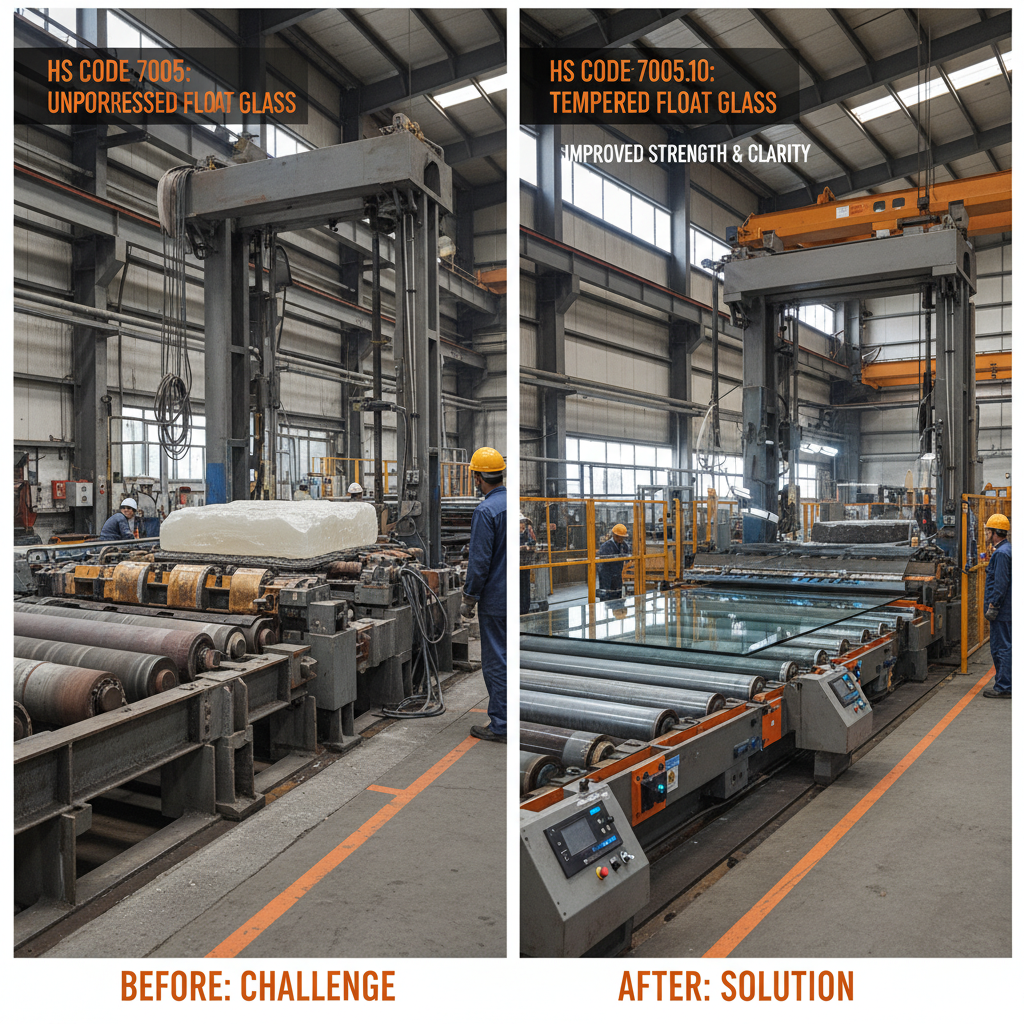
Tempered glass is significantly stronger than standard float glass window. It undergoes a heat treatment process that makes it approximately four times more resistant to breakage. If it does break, it shatters into small, relatively harmless pieces, rather than large, sharp shards. This makes it ideal for areas where safety is paramount, like doors and windows near walkways.
Low-E (low-emissivity) coating is a microscopic, transparent coating applied to the glass surface. It reduces the amount of heat that passes through the window, improving energy efficiency. In winter, it keeps heat inside, and in summer, it keeps heat outside. This can lead to significant savings on heating and cooling costs. It's a relatively small investment with a big payoff.
Yes, laminated glass is excellent for noise reduction. It consists of two or more layers of glass bonded together with a plastic interlayer. This interlayer dampens sound vibrations, significantly reducing noise transmission. It’s often used in areas exposed to high levels of noise pollution, like near airports or busy roads.
Consider the recycled content of the glass and the manufacturing process. Look for suppliers who prioritize energy efficiency and sustainable practices. Low-E coatings also contribute to environmental friendliness by reducing energy consumption. Choosing local suppliers can also minimize transportation emissions.
Use a mild detergent and warm water. Avoid abrasive cleaners or scouring pads, as they can scratch the glass. A soft cloth or sponge is best. Rinse thoroughly and dry with a clean, lint-free cloth. For stubborn stains, a glass cleaner specifically designed for windows can be used. Avoid cleaning in direct sunlight, as it can cause streaks.
Conclusion
Float glass window is a cornerstone of modern construction, impacting everything from energy efficiency and safety to aesthetics and comfort. Its seemingly simple design belies a complex manufacturing process and a wide range of applications. Understanding the nuances of different glass types, coatings, and installation techniques is crucial for ensuring optimal performance and long-term value.
Looking ahead, innovation in materials and manufacturing will continue to drive improvements in float glass window technology. The focus will be on sustainability, energy efficiency, and enhanced performance. By embracing these advancements, we can create buildings that are not only beautiful and functional but also environmentally responsible and resilient. To learn more about our float glass window solutions, visit our website: float glass window.