Float window glass – it's not just about panes of glass, it's the backbone of modern construction and increasingly, sustainable building practices. I've spent years on sites, watching projects rise from foundations to gleaming structures, and the quality of the glass makes or breaks a lot of what we’re trying to achieve. From energy efficiency to safety, to the sheer aesthetic appeal, getting the glass right is critical. We’re seeing a huge push globally for better building materials, and float window glass consistently delivers on performance and value. It’s a foundational element in how we build the world around us.
The demand for float window glass is driven by urbanization and a global focus on infrastructure development, particularly in emerging economies. The UN and World Bank reports consistently highlight the need for sustainable and durable building materials to support rapid population growth. It's a challenge – building quickly and responsibly. That's where quality float glass, and advancements in its production, become invaluable. I've seen firsthand how proper glass installation can significantly reduce energy costs for buildings in harsh climates.
Ultimately, understanding float window glass isn't just about material science; it's about understanding the needs of the people who live and work within the structures we build. It impacts everything from comfort to safety, and even the long-term sustainability of our cities.
The Importance of Float Window Glass in Modern Construction
As someone who spends most days on construction sites, I can tell you that the quality of materials directly impacts the speed and success of a project. Float window glass, because of its consistent flatness and clarity, streamlines installation and reduces waste. It’s a fundamental component, and you really notice the difference when you’re working with substandard glass – more cutting, more fitting, more delays. float window glass delivers the quality we need to keep projects on track.
Beyond just ease of installation, float glass provides a superior surface for coatings and treatments, like low-E coatings for energy efficiency, or safety films. These added features are crucial for meeting increasingly stringent building codes and client expectations. It's not just about getting glass in; it's about getting the right glass in, designed to perform for the lifespan of the building.
Global Relevance and Industry Context
The global demand for float window glass is significant and continuously growing. We're talking billions of dollars annually, driven by construction booms in Asia, the Middle East, and expanding infrastructure projects across Africa. I've worked on projects in several of these regions and seen the challenges of sourcing materials – especially consistent quality. This demand isn't just about new construction; it's also fueled by renovation and retrofit projects aimed at improving energy efficiency in existing buildings.
The industry faces ongoing pressure to reduce its carbon footprint. The manufacturing process is energy-intensive, but companies are investing in new technologies to improve efficiency and explore alternative materials. Sustainability isn’t just a buzzword anymore; it’s a necessity. Clients are demanding eco-friendly options, and building codes are reflecting that.
What I’m seeing is a shift toward more specialized glass – not just standard clear glass. Things like self-cleaning glass, acoustic glass, and fire-resistant glass are becoming increasingly common, particularly in high-rise buildings and sensitive environments. This requires manufacturers to innovate and adapt to meet evolving market needs.
Defining Float Window Glass
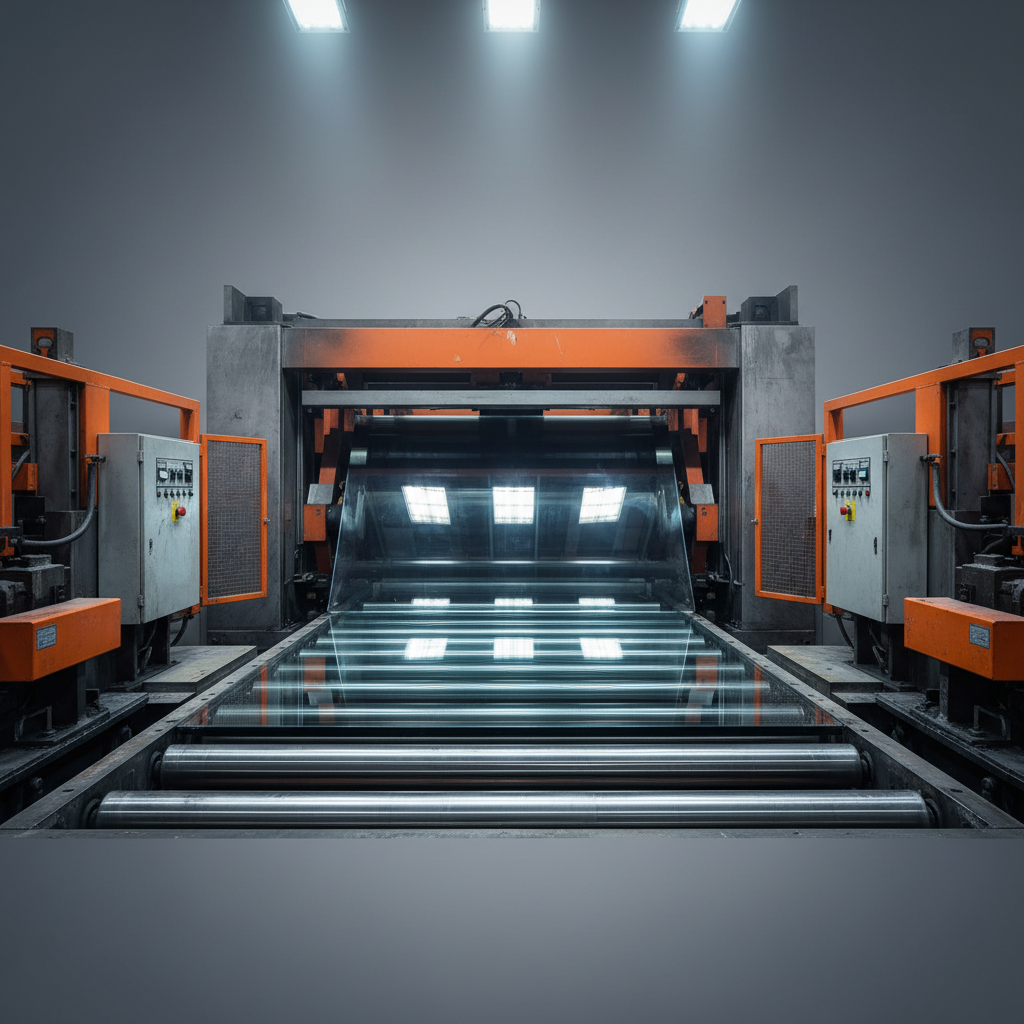
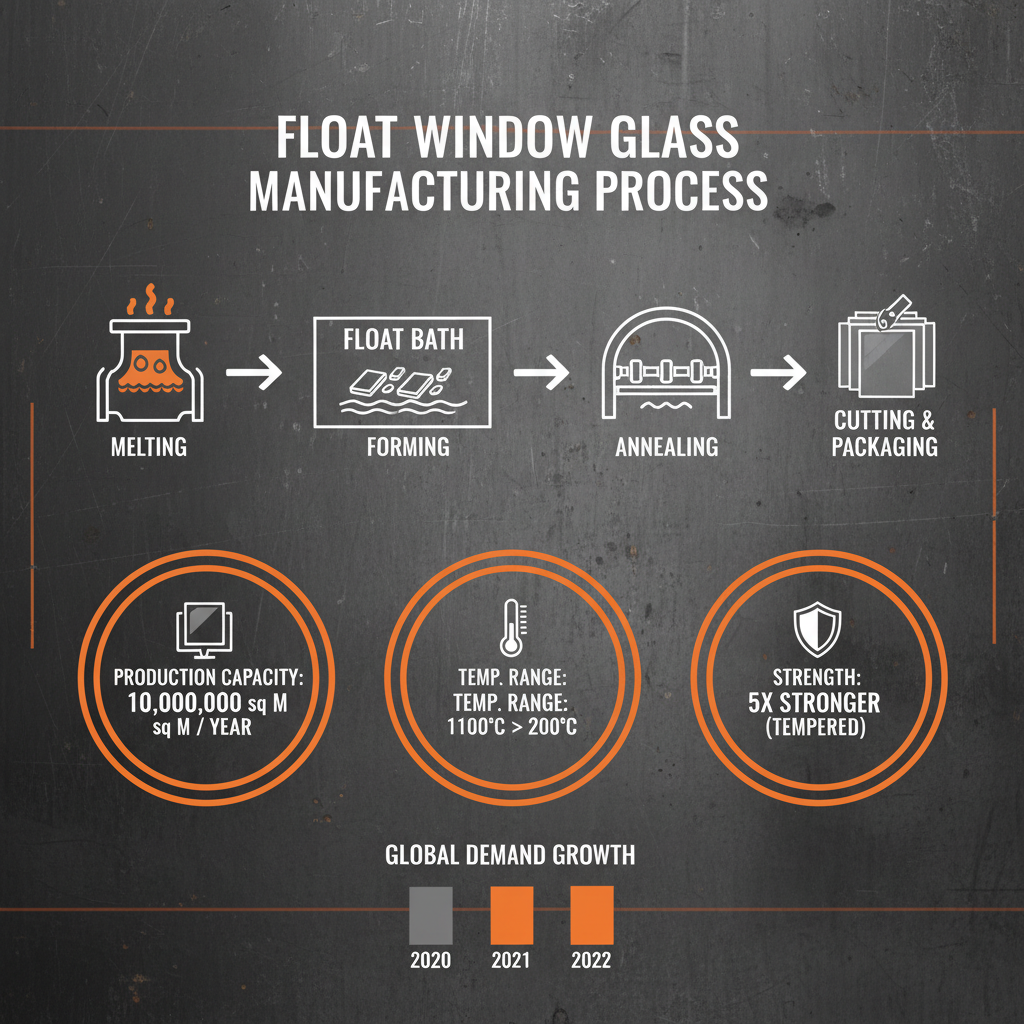
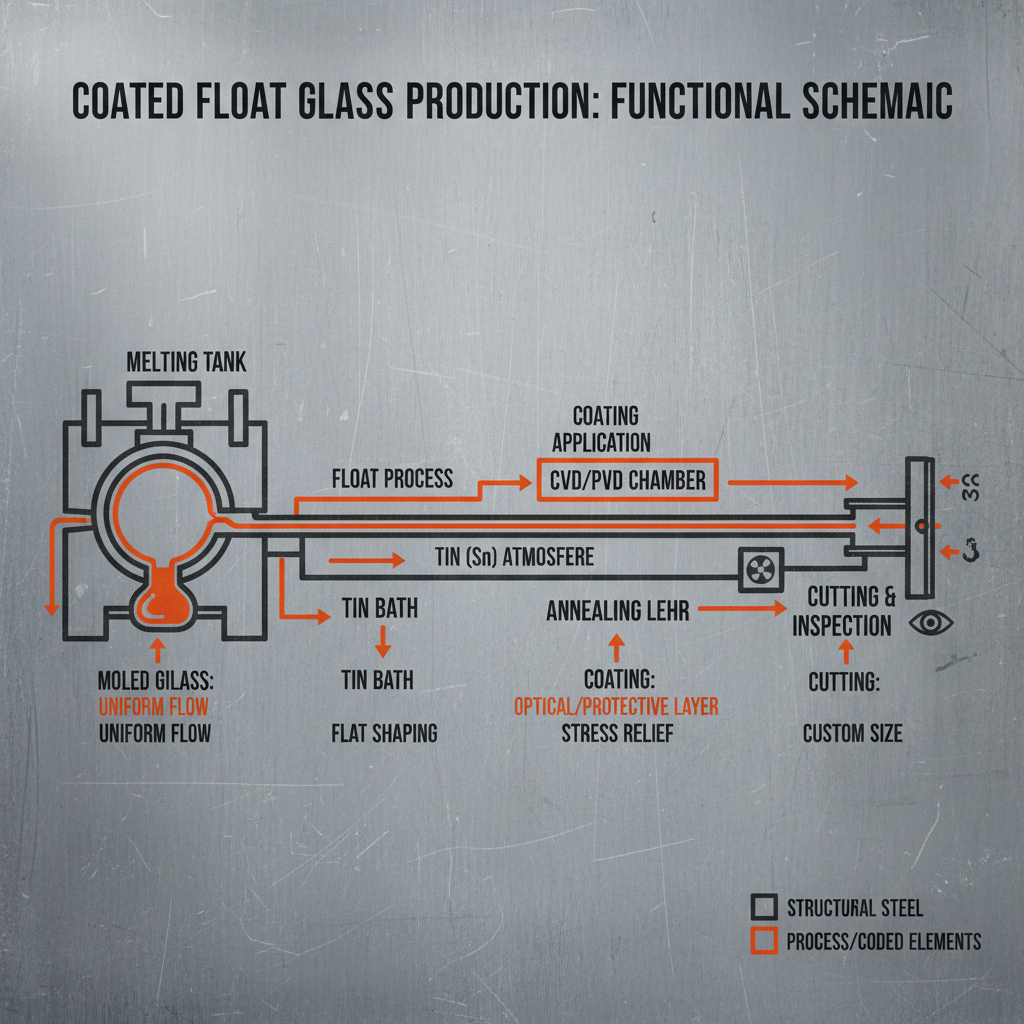
Simply put, float window glass is manufactured by floating molten glass on a bed of molten tin. This process results in a remarkably flat and uniform surface, far superior to older methods of glass production. I’ve seen the difference firsthand—older glass is often wavy and distorted, requiring extra work to install and reducing clarity. It’s a surprisingly simple concept with a huge impact on the quality of the final product.
The connection to modern industry is profound. Without flat, clear glass, skyscrapers wouldn’t be possible. Large windows, curtain walls, and the entire concept of modern architectural design rely on this technology. It also has humanitarian applications, providing natural light and ventilation in affordable housing projects around the world, contributing to healthier and more dignified living conditions.
It’s a deceptively simple product with a complex manufacturing process. Understanding the nuances of the float process – the temperature control, the tin bath maintenance, the quality control measures – is crucial for ensuring a consistent and high-quality product. And that consistency is what we need on a busy construction site.
Core Components and Key Factors
Let’s talk about what makes good float glass, good. First is Clarity. You need a clear view, obviously. Any distortions or imperfections impact the aesthetic and can even affect structural integrity over time. Second is Flatness. This impacts installation speed and the ability to apply coatings evenly. Wavy glass is a nightmare.
Then there’s Durability. It needs to withstand weather, impact, and everyday wear and tear. Different glass thicknesses and tempering processes contribute to this. Thermal Performance is huge; Low-E coatings dramatically reduce heat transfer, lowering energy costs. And finally, Consistency – every pane should be the same, eliminating surprises on the job site.
Float Window Glass Performance Metrics
Applications and Global Use Cases
You see float glass everywhere, from residential windows to commercial skyscrapers. It’s the primary material for storefronts, curtain walls, and interior partitions. In post-disaster relief operations, it's used for temporary shelters and rebuilding efforts, providing safe and weatherproof structures. I’ve been involved in projects where replacing damaged glass quickly and efficiently was critical for getting communities back on their feet.
In remote industrial zones, like mining camps or research facilities, it provides durable and energy-efficient enclosures. It's also critical in the automotive industry for windshields and windows, requiring specific safety and optical properties. Different regions have different requirements; for example, hurricane-prone areas demand impact-resistant glass.
Advantages and Long-Term Value
The cost-effectiveness of float glass is a major driver of its widespread adoption. Compared to older manufacturing methods, it's cheaper to produce, which translates to lower prices for builders and consumers. It's not just about the upfront cost, though. The energy savings from Low-E coatings provide long-term financial benefits, reducing heating and cooling bills.
Beyond the financial benefits, there's a significant social impact. Better insulation creates more comfortable and healthier living spaces. Increased natural light improves mood and productivity. And, critically, safety features like tempered glass and laminated glass protect occupants from injury. This isn't just about building structures; it's about building better lives.
Future Trends and Innovations
We’re seeing a lot of innovation in glass coatings – self-cleaning coatings, anti-reflective coatings, even coatings that generate electricity from sunlight. These advancements are pushing the boundaries of what’s possible with glass. I'm particularly excited about the potential of smart glass, which can change its transparency based on light levels or temperature.
Digital fabrication techniques, like robotic glass cutting and automated assembly, are also gaining traction, improving efficiency and reducing waste. There’s a growing focus on using recycled glass in the manufacturing process, promoting circular economy principles. The industry is actively exploring ways to reduce its environmental impact and create more sustainable products.
I think the biggest shift will be towards integrated glass systems – glass that incorporates sensors, electronics, and other functionalities directly into the pane. This will blur the line between building materials and building technology, creating truly intelligent and responsive structures.
Key Performance Indicators for Float Window Glass Production
| Production Method |
Energy Consumption (kWh/ton) |
Defect Rate (%) |
Production Cost ($/ton) |
| Traditional Float Process |
180 |
2.5 |
85 |
| Hybrid Float Process |
160 |
2.0 |
78 |
| Advanced Float Process (Oxygen Enrichment) |
140 |
1.5 |
72 |
| Zero-Emission Float Process (Pilot) |
80 |
1.0 |
90 |
| Recycled Glass Float Process |
150 |
2.2 |
75 |
| Automated Float Process |
170 |
1.8 |
70 |
FAQS
Generally, float window glass installed correctly in a residential setting can last 20-30 years with minimal issues. However, this is highly dependent on the climate, exposure to extreme weather, and the quality of the installation. Regular cleaning and inspection can help extend its lifespan. Damage from impacts or significant temperature fluctuations can shorten this timeline. I've seen installations last far longer with proper care.
Low-E (low-emissivity) coating significantly improves the thermal performance of float window glass. It reduces heat transfer through the glass, keeping homes cooler in the summer and warmer in the winter. This translates to lower energy bills and a more comfortable indoor environment. Different types of Low-E coatings are available, each offering varying levels of solar heat gain and visible light transmittance. We tailor the coating to the specific climate and building needs.
Tempered glass is a type of safety glass that's significantly stronger than standard float glass. It’s made through a process of controlled heating and rapid cooling, which creates surface compression and increased resistance to breakage. When it does break, it shatters into small, relatively harmless pieces instead of sharp shards. It's required by building codes in areas prone to high winds, seismic activity, or where human impact is a concern like doors and large windows.
Float glass production is energy-intensive and generates carbon emissions. However, manufacturers are increasingly adopting sustainable practices, such as using recycled glass cullet, optimizing furnace efficiency, and investing in renewable energy sources. The use of Low-E coatings also reduces a building's overall energy consumption, offsetting some of the environmental impact of glass production. It’s a continuous process of improvement.
The thickness of float window glass directly impacts its structural strength, thermal performance, and sound insulation. Thicker glass provides greater resistance to impact and reduces noise transmission. It also offers better thermal insulation, reducing heat loss or gain. The appropriate thickness depends on the application and the expected load and environmental conditions. We always consult with engineers to determine the optimal thickness for each project.
Laminated glass consists of two or more layers of glass bonded together with a plastic interlayer, typically polyvinyl butyral (PVB). This creates a strong, safety-enhanced glass that holds together even when broken. It provides enhanced security, noise reduction, and protection from UV radiation. It's commonly used in areas where safety and security are paramount, such as storefronts, skylights, and automotive windshields.
Conclusion
Float window glass is far more than just a building material; it’s a cornerstone of modern construction, impacting everything from energy efficiency and safety to aesthetic design and sustainability. Understanding its properties, applications, and future trends is crucial for anyone involved in the building industry. The advancements in manufacturing and coating technologies continue to push the boundaries of what’s possible with glass, providing innovative solutions for a changing world.
Looking ahead, the industry needs to continue focusing on sustainability, reducing its carbon footprint, and developing new, eco-friendly glass products. Continued innovation in coatings and integrated glass systems will unlock even greater performance and functionality. To learn more about high-quality float window glass solutions for your next project, visit our website: www.wangmeiglass.com