Coated float glass represents a significant advancement in materials science with global implications. From enhancing energy efficiency in buildings to enabling cutting-edge technologies, its applications are diverse and constantly expanding. Understanding the properties and applications of coated float glass is crucial for architects, engineers, and policymakers alike, impacting everything from sustainable construction to advancements in automotive safety. This knowledge empowers informed decision-making and fosters innovation in various sectors.
The demand for coated float glass is driven by growing concerns about energy consumption and environmental sustainability. Globally, the construction industry is a major contributor to carbon emissions, and high-performance glass coatings offer a practical solution for reducing energy loss and improving building performance. Furthermore, specialized coatings enhance the functionality of glass, providing benefits such as solar control, safety, and aesthetic appeal, leading to increased adoption across various industries.
Investing in research and development related to coated float glass is paramount for driving innovation and meeting evolving industry needs. As we move toward a more sustainable future, advancements in glass coating technology will play an increasingly vital role in creating energy-efficient buildings, safer transportation systems, and more sustainable industrial processes. coated float glass offers compelling solutions to complex global challenges.
Introduction to Coated Float Glass
Coated float glass is a fundamental building material that has undergone significant advancements in recent decades. The core innovation lies in the application of thin metallic or oxide coatings onto the surface of float glass, drastically altering its properties and expanding its functional capabilities. These coatings, often applied using techniques like magnetron sputtering, are responsible for enhancing attributes such as thermal performance, light transmission, and aesthetic appearance.
The use of coated float glass isn’t merely about improving buildings; it’s a critical component in addressing global energy challenges. By reducing heat transfer through windows and facades, these coatings minimize the need for artificial heating and cooling, resulting in significant energy savings and a reduced carbon footprint. Furthermore, specialized coatings can improve the safety and security of structures, offering protection against breakage and external threats.
Global Relevance and Industry Context
The global market for coated float glass is substantial and continues to grow, driven by increasing construction activity, stringent energy efficiency regulations, and a rising demand for sustainable building materials. According to a report by Grand View Research, the global coated glass market size was valued at USD 42.78 billion in 2022 and is expected to expand at a compound annual growth rate (CAGR) of 5.5% from 2023 to 2030. This growth is particularly pronounced in emerging economies where rapid urbanization is driving demand for modern building solutions.
The ISO standards organization plays a vital role in establishing quality and performance benchmarks for coated float glass, ensuring consistent product quality and facilitating international trade. Similarly, building codes in many countries, like the EU’s Energy Performance of Buildings Directive (EPBD), mandate the use of energy-efficient glazing materials, boosting the demand for high-performance coated glass. These regulations are intended to reduce greenhouse gas emissions and combat climate change.
A significant challenge lies in balancing performance requirements with cost considerations. While advanced coatings offer superior benefits, they often come at a higher price point. This creates a need for innovation in coating materials and application processes to reduce costs without compromising quality and performance. Addressing this challenge will be crucial for ensuring widespread adoption of coated float glass in both developed and developing nations.
Defining Coated Float Glass
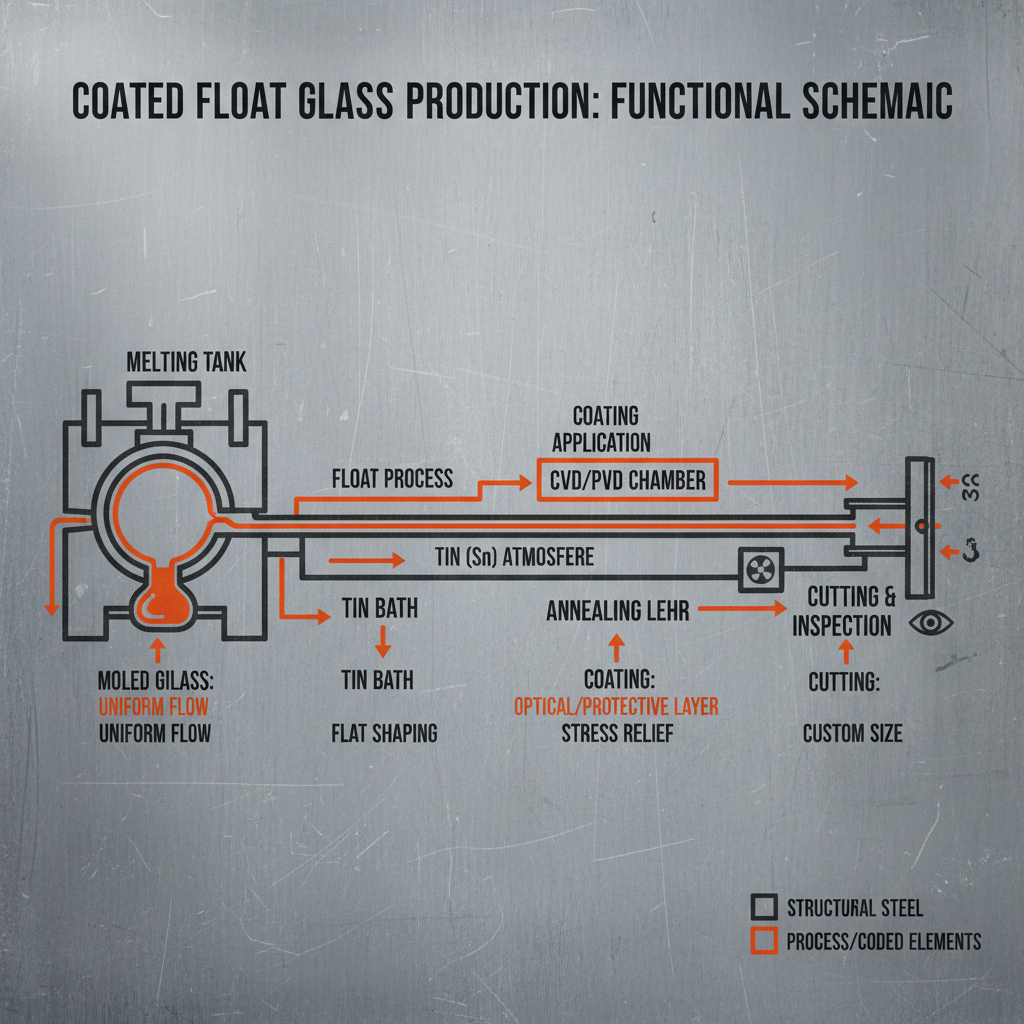
Coated float glass, at its core, is standard float glass with one or more thin layers of metallic or metallic oxide applied to its surface. The ‘float’ process itself, invented in the 1950s, involves floating molten glass on a bed of molten tin, creating a perfectly flat and uniform surface. It's this flat, high-quality base that makes it ideal for receiving these performance-enhancing coatings.
The coatings themselves are incredibly thin, often measured in nanometers, and are applied using various deposition techniques like sputtering, chemical vapor deposition (CVD), and pyrolytic deposition. Each technique results in different coating characteristics and suitability for specific applications. The choice of coating material and application method dictates the glass’s properties – from its ability to reflect infrared radiation to its visible light transmittance.
Its connection to modern industry and humanitarian needs is profound. In construction, it's fundamental for creating energy-efficient buildings, reducing heating and cooling costs. In automotive, it enhances safety and comfort. In specialty applications, it's used in solar panels, displays, and even medical devices, demonstrating its versatility and crucial role in technological advancement. coated float glass directly contributes to a more sustainable and technologically advanced world.
Key Factors and Core Components
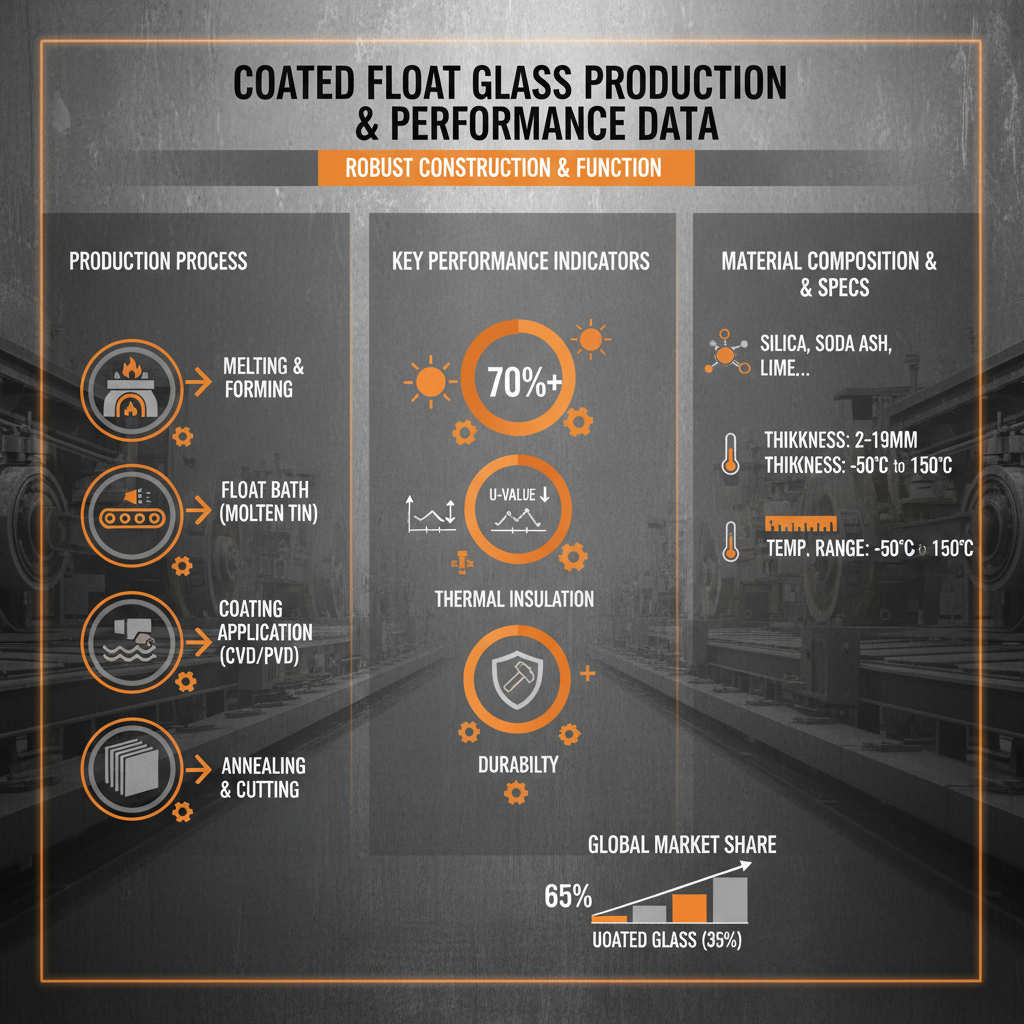
Durability is a key factor. Coatings must withstand environmental exposure, including UV radiation, moisture, and temperature fluctuations, without degrading or losing their performance. High-quality coatings are designed for longevity, offering decades of reliable performance. Scalability refers to the ability to efficiently produce coated glass in large volumes to meet growing demand. Modern coating lines are highly automated, enabling high-throughput production and consistent quality control.
Cost-efficiency is paramount. While advanced coatings offer superior performance, they must be affordable to be widely adopted. Optimization of coating materials and application processes is crucial for reducing production costs. Solar control is another critical aspect, achieved by selectively reflecting or absorbing solar radiation, reducing heat gain and glare. The level of solar control can be tailored to specific climate conditions and building orientations. Finally, Safety is a key consideration, with coatings enhancing glass strength and reducing the risk of breakage, contributing to occupant safety.
Coated Float Glass Performance Metrics
Global Applications and Use Cases
In the construction industry, coated float glass is extensively used in windows, facades, and skylights to improve energy efficiency, reduce glare, and enhance aesthetic appeal. Commercial buildings, in particular, benefit from these properties, leading to reduced operating costs and improved occupant comfort. In automotive applications, coated glass enhances safety and comfort by reducing glare, providing UV protection, and improving thermal management within the vehicle.
In post-disaster relief operations, coated float glass can be incorporated into temporary shelters to provide improved thermal insulation and protection from the elements. Its durability and weather resistance make it a suitable material for these challenging environments. In remote industrial zones, specialized coatings can enhance the performance of solar panels, providing a sustainable energy source for off-grid communities.
Regions with extreme climates, such as the Middle East and Australia, rely heavily on coated glass to mitigate the effects of intense heat and sunlight. In these areas, high-performance coatings are essential for creating comfortable and energy-efficient buildings. Similarly, countries in colder climates utilize coated glass to minimize heat loss and reduce energy consumption.
Advantages and Long-Term Value
The tangible benefits of coated float glass extend beyond energy savings. Reduced energy consumption translates into lower utility bills, providing long-term cost savings for building owners and occupants. The enhanced durability and safety features contribute to reduced maintenance costs and improved structural integrity. From a sustainability perspective, coated glass minimizes the environmental impact of buildings by reducing energy demand and lowering carbon emissions.
On an emotional level, the use of coated glass enhances occupant comfort and well-being by providing a more pleasant and healthy indoor environment. The reduced glare and improved thermal comfort contribute to increased productivity and a greater sense of well-being. From a logical standpoint, the reliable performance and long lifespan of coated glass instill trust and confidence in its value as a long-term investment.
Future Trends and Innovations
The future of coated float glass is poised for exciting advancements, driven by emerging technologies and sustainability concerns. Researchers are exploring the use of new materials, such as graphene and quantum dots, to create coatings with even higher performance characteristics. Smart coatings that dynamically adjust their properties in response to changing environmental conditions are also under development, offering the potential for unprecedented energy efficiency.
Digital transformation and automation are playing an increasingly important role in the manufacturing of coated glass. Advanced coating lines are incorporating machine learning algorithms to optimize coating processes and improve quality control. Furthermore, the integration of Building Information Modeling (BIM) with glass coating specifications will streamline the design and construction process, enhancing efficiency and reducing errors.
Sustainability remains a key driver of innovation. The development of environmentally friendly coating materials and application processes is a major focus. Recyclable coatings and the reduction of volatile organic compounds (VOCs) in coating formulations are crucial steps toward creating a more sustainable industry.
Challenges and Solutions
One common limitation is the relatively high cost of certain advanced coatings, hindering their widespread adoption, particularly in price-sensitive markets. Addressing this requires continued research into more affordable coating materials and efficient application techniques. Another challenge is the complexity of optimizing coating performance for specific climate conditions and building orientations. This necessitates the development of sophisticated modeling tools and customized coating solutions.
Expert insights suggest a shift towards multifunctional coatings that offer a combination of benefits, such as solar control, thermal insulation, and self-cleaning properties. This approach can maximize value and reduce the need for multiple coating layers. Furthermore, collaborative partnerships between coating manufacturers, glass fabricators, and building designers are crucial for fostering innovation and ensuring seamless integration of coated glass into building projects.
Summary of Challenges and Solutions in Coated Float Glass Production
| Challenge |
Impact Area |
Solution Strategy |
Implementation Timeline |
| High Production Costs |
Market Accessibility |
Optimize Coating Material Sourcing |
Short-Term (6-12 Months) |
| Limited Climate Specificity |
Performance Optimization |
Develop Adaptive Coating Algorithms |
Medium-Term (1-3 Years) |
| Environmental Concerns (VOCs) |
Sustainability |
Transition to Water-Based Coatings |
Ongoing |
| Durability in Harsh Environments |
Long-Term Reliability |
Enhance Coating Hardness and UV Resistance |
Medium-Term (1-3 Years) |
| Lack of Standardized Testing |
Quality Control |
Collaborate on Industry-Wide Testing Protocols |
Long-Term (3+ Years) |
| Supply Chain Disruptions |
Production Continuity |
Diversify Raw Material Suppliers |
Ongoing |
FAQS
Coated float glass significantly reduces energy consumption in commercial buildings by minimizing heat transfer through windows and facades. This leads to lower utility bills, reduced carbon emissions, and improved occupant comfort through reduced glare and consistent temperatures. Additionally, certain coatings enhance safety and security by resisting breakage and providing UV protection. These benefits contribute to a more sustainable and productive work environment.
The type of coating dictates the specific performance characteristics of the glass. Low-E coatings minimize heat transfer, reflective coatings reduce glare and solar heat gain, tinted coatings control light transmission and aesthetics, anti-reflective coatings maximize clarity, and self-cleaning coatings reduce maintenance. Selecting the right coating depends on the building’s climate, orientation, and specific performance requirements.
A properly installed and maintained coated float glass window typically has a lifespan of 20-30 years, or even longer. The longevity depends on factors like the quality of the coating, the climate, and the level of exposure to harsh environmental conditions. Regular cleaning and inspection can help extend the lifespan and maintain optimal performance. High-quality coatings are designed to withstand UV radiation and moisture without significant degradation.
Yes, coated float glass is generally more expensive than standard glass due to the additional manufacturing processes and materials involved. However, the long-term benefits, such as reduced energy costs and lower maintenance, often outweigh the initial investment. Furthermore, government incentives and rebates may be available in some regions to offset the cost of energy-efficient upgrades, making coated glass a more affordable option.
Selecting the appropriate coating requires considering your climate's specific needs. In hot climates, prioritize coatings that reduce solar heat gain and glare. In cold climates, focus on coatings that minimize heat loss. In areas with both hot summers and cold winters, a balanced coating offering both solar control and thermal insulation is ideal. Consulting with a glass specialist or architect can help determine the optimal coating for your project.
While the glass itself is recyclable, the coatings can present challenges for traditional glass recycling processes. However, advancements are being made in recycling technologies to effectively separate and recover the coating materials. It’s important to check with local recycling facilities for their specific guidelines on coated glass disposal. The industry is also exploring the development of more recyclable coating materials.
Conclusion
In conclusion, coated float glass represents a pivotal advancement in materials science with profound implications for energy efficiency, sustainability, and technological innovation. Its versatility allows for adaptation across diverse applications – from enhancing building performance and automotive safety to enabling renewable energy solutions. The benefits extend beyond mere cost savings, encompassing environmental responsibility and improved occupant well-being.
Looking ahead, continued investment in research and development is crucial to unlock the full potential of coated float glass. Exploring new materials, optimizing coating processes, and integrating smart technologies will pave the way for even more high-performance and sustainable solutions. Visit our website at www.wangmeiglass.com to learn more about our comprehensive range of coated float glass products and how we can help you meet your specific needs.