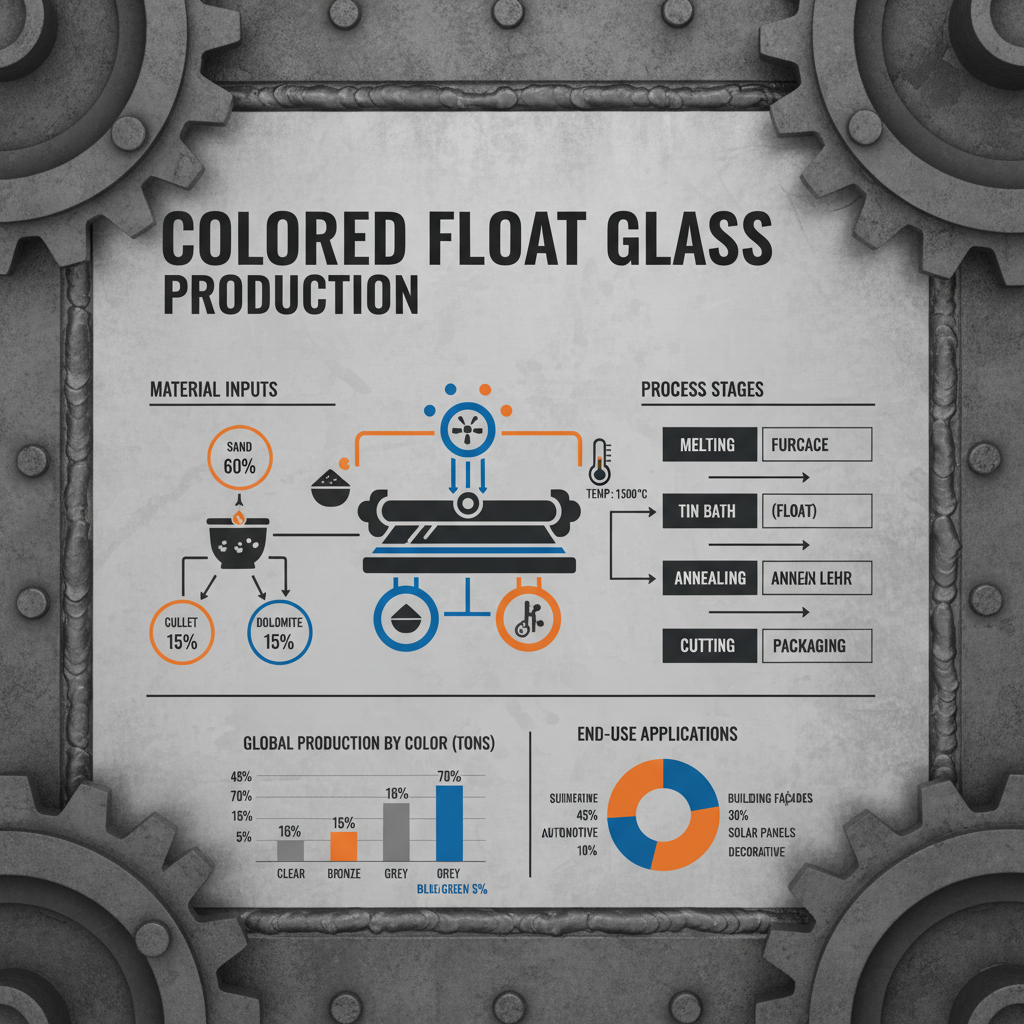
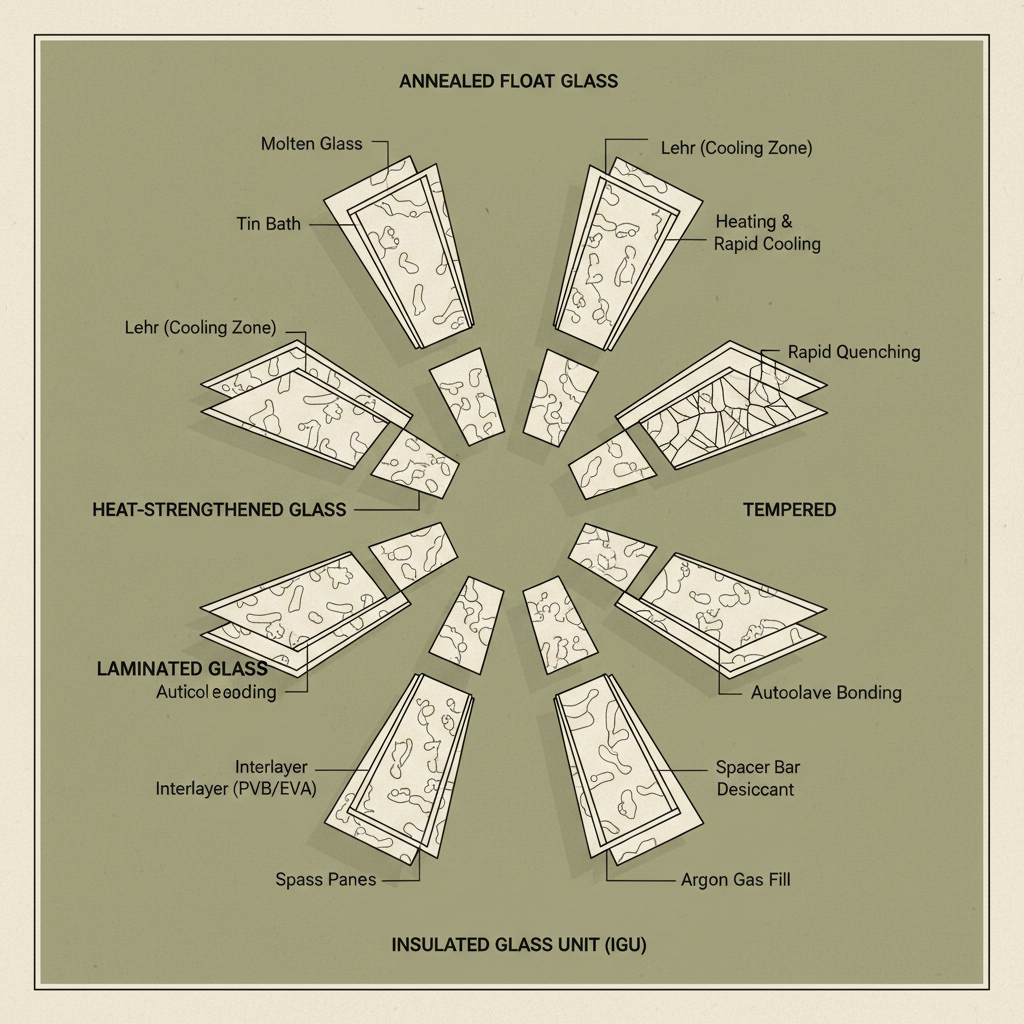
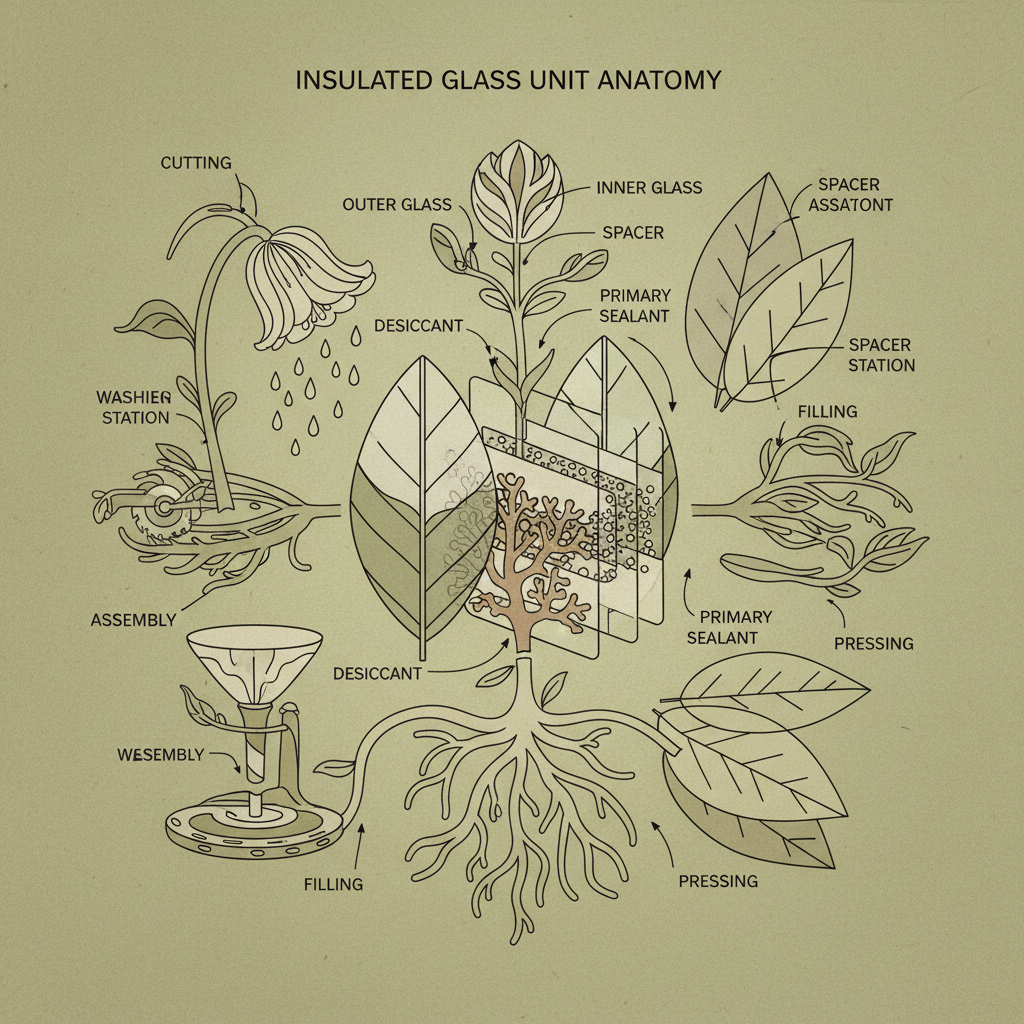
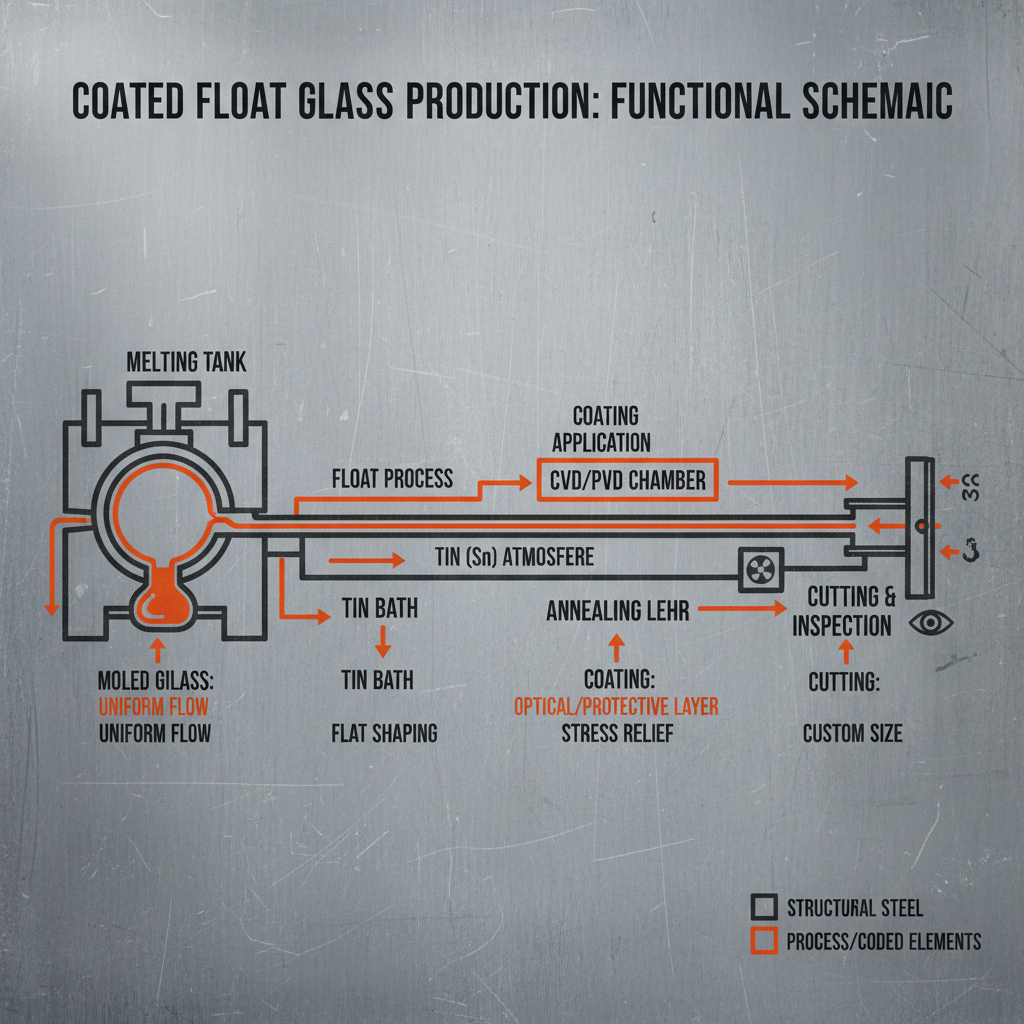
Colored float glass is a fundamental material in modern construction and design, offering a versatile blend of aesthetic appeal and functional benefits. Its production involves melting raw materials like silica, soda ash, and limestone, then floating the molten glass on a bed of molten tin to create a perfectly flat surface. Color is achieved through the addition of metallic oxides during the melting process, resulting in a wide spectrum of hues and opacities. This process has revolutionized the glass industry, providing a consistent, high-quality product utilized globally.
The global demand for colored float glass is driven by its applications in architecture, automotive, interior design, and increasingly, renewable energy solutions like solar panels. According to industry reports, the global float glass market was valued at over USD 200 billion in 2023 and is projected to grow at a CAGR of around 4-5% in the coming years. This growth is particularly prominent in developing economies with expanding construction sectors. Addressing the need for sustainable and energy-efficient building materials, colored float glass offers solutions for thermal regulation and reduced energy consumption.
Understanding the intricacies of colored float glass – from its manufacturing process to its diverse applications and future innovations – is crucial for professionals across various industries. It empowers informed decision-making, fosters creative design solutions, and contributes to a more sustainable built environment. From enhancing building aesthetics to enabling advanced technological applications, colored float glass plays a pivotal role in shaping our modern world.
The Significance of Colored Float Glass
The widespread use of colored float glass stems from its ability to enhance both the aesthetic and functional aspects of various applications. Beyond purely decorative purposes, colored glass can significantly impact energy efficiency by reducing solar heat gain, minimizing glare, and contributing to improved indoor environmental quality. colored float glass offers a diverse range of color options, allowing architects and designers to achieve unique and visually appealing designs.
The significance of this material lies not only in its tangible benefits but also in its contribution to sustainable building practices. By reducing reliance on artificial lighting and minimizing the need for excessive cooling systems, colored float glass actively promotes energy conservation and a lower carbon footprint. This aligns with growing global trends towards green building certifications and environmentally responsible construction.
Understanding Colored Float Glass: A Global Perspective
Colored float glass has become a globally traded commodity, with major production centers located in China, Europe, and North America. China currently dominates the market, accounting for over 50% of global production. However, increasing demand from emerging economies in Asia, Latin America, and Africa is driving growth in regional manufacturing capacities. The international market is heavily influenced by factors like raw material costs, energy prices, and governmental regulations concerning environmental standards.
The standardization of colored float glass is largely governed by international organizations like ISO (International Organization for Standardization), which sets quality control benchmarks and technical specifications. The United Nations Environment Programme (UNEP) also plays a role in promoting sustainable glass production and recycling practices. Supply chain disruptions, such as those experienced during the COVID-19 pandemic, have highlighted the importance of diversifying sourcing and strengthening global logistics networks.
Addressing the challenge of glass waste is a crucial global issue. While glass is 100% recyclable, a significant portion still ends up in landfills. Innovative recycling technologies and increased public awareness are vital for promoting a circular economy for colored float glass, minimizing environmental impact, and conserving valuable resources.
Defining Colored Float Glass
Colored float glass is a type of sheet glass manufactured using the float process, with the addition of coloring agents during the melting stage. These agents, typically metallic oxides, impart specific hues and opacities to the glass, ranging from subtle tints to vibrant, saturated colors. Unlike stained glass, where color is applied to the surface, the color in float glass is inherent throughout the material, resulting in a consistent and durable finish.
Its connection to modern industry stems from its versatility and efficiency in large-scale production. The float process ensures a consistently flat and uniform surface, making it ideal for applications requiring precise dimensions and optical clarity. The ability to customize color allows for architectural expression and branding opportunities, fulfilling both functional and aesthetic requirements across diverse industries.
Beyond aesthetic and functional applications, colored float glass addresses the growing need for energy-efficient building materials. Specific colored glass formulations can selectively filter sunlight, reducing heat gain during summer months and minimizing glare, thus contributing to lower energy consumption and improved indoor comfort. This addresses crucial humanitarian needs relating to climate control in vulnerable communities.
Key Properties of Colored Float Glass
The properties of colored float glass extend beyond its visual appeal. Durability is a key characteristic, with the inherent strength of float glass enhanced by the homogenous distribution of colorants. This makes it resistant to scratches, impacts, and weathering, ensuring long-lasting performance in various applications.
Thermal stability is another crucial property. Colored float glass can withstand significant temperature fluctuations without cracking or distorting, making it suitable for both interior and exterior environments. The precise control over the melting and cooling process ensures consistent thermal performance across batches.
Colored Float Glass Performance Characteristics
Applications of Colored Float Glass Worldwide
Colored float glass finds widespread application in architectural facades, providing aesthetic appeal while controlling solar heat gain. From iconic skyscrapers to residential buildings, colored glass transforms building exteriors, creating striking visual statements. In post-disaster relief operations, colored float glass can contribute to the rapid construction of durable and aesthetically pleasing shelters, offering a sense of dignity to those affected.
The automotive industry utilizes colored float glass for windshields, side windows, and sunroofs, enhancing driver safety and vehicle aesthetics. Furthermore, interior design benefits from its use in partitions, furniture, and decorative elements, adding color and sophistication to living and working spaces. In remote industrial zones, colored float glass provides robust and reliable glazing for workshops and laboratories.
The Advantages of Utilizing Colored Float Glass
The primary advantage of colored float glass lies in its ability to enhance energy efficiency. By selectively filtering sunlight, it reduces the need for artificial lighting and air conditioning, leading to significant cost savings over the lifespan of a building. This translates to a lower carbon footprint and a more sustainable built environment.
Beyond energy savings, colored float glass offers enhanced visual comfort by minimizing glare and reducing eye strain. The aesthetic benefits are undeniable, allowing for creative design possibilities and enhancing the overall ambiance of spaces. Its durability and resistance to weathering ensure long-term performance and minimal maintenance requirements, providing a reliable and cost-effective solution.
From a social impact perspective, colored float glass contributes to safer and more comfortable living and working environments. Its use in architectural facades can enhance the aesthetic appeal of communities, fostering a sense of pride and well-being. The trustworthiness of colored float glass is also backed by industry standards and quality certifications, ensuring reliability and performance.
Future Trends in Colored Float Glass Technology
Innovations in colored float glass technology are focused on enhancing performance and sustainability. The development of new colorants with improved light fastness and thermal stability is an ongoing area of research. Integration with smart glass technologies, allowing for dynamic control of light transmission and privacy, is gaining momentum.
The adoption of digital printing techniques enables customized designs and intricate patterns on colored float glass, opening up new possibilities for architectural expression. Utilizing recycled glass cullet in the manufacturing process reduces reliance on virgin raw materials, promoting a circular economy. Further research into low-emissivity (Low-E) coatings applied to colored glass will improve energy efficiency.
The convergence of colored float glass with renewable energy technologies, such as Building-Integrated Photovoltaics (BIPV), holds immense potential. Transparent or translucent colored glass integrated with solar cells can generate electricity while maintaining aesthetic appeal, contributing to a sustainable energy future.
Challenges and Solutions
One challenge lies in the cost of specialized colorants and the complexity of achieving consistent color uniformity across large-scale production runs. Implementing advanced quality control measures and investing in automated color mixing systems can mitigate this issue. Another challenge is the environmental impact of producing certain colorants, particularly those containing heavy metals.
Finding eco-friendly alternatives and optimizing manufacturing processes to minimize waste are crucial steps towards sustainability. The relatively high weight of glass also presents logistical challenges during transportation and installation. Developing thinner, lighter versions of colored float glass without compromising strength or performance is an ongoing area of research.
Expert insights suggest focusing on collaborative research and development between glass manufacturers, colorant suppliers, and architectural firms. This will drive innovation, address sustainability concerns, and unlock the full potential of colored float glass in creating a more aesthetically pleasing and energy-efficient built environment.
Core Analysis of Future Trends in Colored Float Glass Technology
| Trend Category |
Current Status |
Potential Impact (1-10) |
Implementation Barriers |
| Smart Glass Integration |
Early Adoption Phase |
8 |
High Cost, Technical Complexity |
| Digital Printing Advancements |
Growing Popularity |
7 |
Ink Durability, Scalability |
| Recycled Glass Usage |
Increasing, but Limited |
9 |
Collection Infrastructure, Quality Control |
| Low-E Coating Development |
Mature Technology, Ongoing Refinement |
6 |
Cost Optimization, Performance Trade-offs |
| BIPV Integration |
Emerging Market |
10 |
Efficiency, Aesthetics, Cost |
| Eco-Friendly Colorant Alternatives |
Research & Development Phase |
7 |
Performance, Cost, Scalability |
FAQs
Colored float glass in building facades offers numerous benefits, including enhanced energy efficiency through solar heat gain reduction, improved visual comfort by minimizing glare, and aesthetic versatility. The consistent quality and durability of float glass ensure long-lasting performance and minimal maintenance. Furthermore, colored glass can contribute to a building's unique identity and visual appeal, increasing its overall value. Properly selected colored glass can contribute to LEED certification points.
The coloring process in float glass manufacturing is carefully controlled to ensure it does not compromise the structural integrity of the glass. Metallic oxides are incorporated uniformly throughout the molten glass, maintaining its inherent strength and durability. Rigorous quality control measures are implemented to verify that the glass meets stringent safety standards and can withstand expected loads and stresses. Modern manufacturing techniques guarantee color consistency without affecting structural properties.
Yes, colored float glass is 100% recyclable. The recycling process involves collecting glass waste, sorting it by color, and crushing it into cullet. This cullet is then used as a raw material in the manufacturing of new glass products, reducing the need for virgin materials and conserving energy. Recycling colored glass also reduces landfill waste and minimizes environmental impact. The process preserves the quality and properties of the glass.
Colored float glass typically has a slightly higher cost compared to clear float glass due to the addition of coloring agents and the more complex manufacturing process. However, the added cost can be offset by the long-term benefits of improved energy efficiency, reduced lighting costs, and enhanced aesthetic value. Furthermore, the lifespan of colored float glass is comparable to clear glass, ensuring a good return on investment. The exact cost difference depends on the color, opacity, and quantity ordered.
Colored float glass contributes to sustainable building practices in several ways. It reduces energy consumption by minimizing solar heat gain and glare, lowering the demand for air conditioning and artificial lighting. The use of recycled glass cullet in manufacturing conserves natural resources and reduces landfill waste. Colored glass can also enhance indoor environmental quality, promoting occupant well-being. Its durability and long lifespan contribute to a reduced lifecycle impact.
Colored float glass is widely used in interior design for various applications, including partitions, shower enclosures, furniture accents, and decorative panels. Its versatility allows for creative design solutions, adding color, sophistication, and a sense of spaciousness to interiors. Backsplashes, shelving, and table tops are also popular applications. Different colors and opacities can be used to create unique visual effects and enhance the aesthetic appeal of spaces.
Conclusion
In conclusion, colored float glass represents a significant advancement in materials science and a cornerstone of modern architectural and design practices. From its inherent energy-efficient properties and aesthetic versatility to its contribution to sustainable building practices, colored float glass offers a compelling solution for a wide range of applications. The continual innovations in coloring techniques, smart glass integration, and recycling processes further solidify its importance in shaping the future of the built environment.
Looking ahead, the potential for colored float glass extends beyond conventional applications. Embracing research and development in areas like BIPV integration and eco-friendly colorants will unlock even greater opportunities for sustainability and innovation. Investing in education and promoting awareness among industry professionals and consumers will be crucial for maximizing the benefits of this remarkable material and fostering a more colorful, energy-efficient, and aesthetically pleasing world. Visit our website: www.wangmeiglass.com for more information.