Coloured float glass represents a significant advancement in materials science and architectural design. Its ability to transmit light while offering vibrant aesthetic possibilities has revolutionized the construction industry, impacting everything from residential buildings to large-scale commercial projects. Beyond aesthetics, coloured float glass provides functional benefits such as solar control, privacy, and enhanced safety, making it a crucial element in sustainable and modern design.
The global demand for coloured float glass is driven by several factors including increasing urbanization, a growing emphasis on energy efficiency in buildings, and a rising consumer preference for aesthetically pleasing designs. This demand is particularly pronounced in emerging economies where rapid infrastructure development is underway. Understanding the nuances of coloured float glass – its production, properties, and applications – is therefore vital for architects, engineers, designers, and anyone involved in the building and construction sector.
Coloured float glass isn't merely a decorative element; it's a functional component contributing to building performance and occupant well-being. Its versatility allows for countless applications, and continued innovation promises even more exciting possibilities for the future of architectural glass.
The Significance of Coloured Float Glass
Coloured float glass has transitioned from a niche aesthetic choice to a vital component in modern architectural design and engineering. The ability to tailor light transmission, reduce solar heat gain, and add vibrant colour to building facades makes it invaluable. The increasing global focus on sustainable building practices further reinforces its importance, as coloured float glass contributes to energy efficiency and reduces reliance on artificial lighting.
Its significance lies not only in its functional properties but also in its design versatility. Architects and designers can create stunning visual effects and unique building identities using a wide range of colours and textures in coloured float glass. This has led to its increasing adoption in iconic architectural projects worldwide.
Global Relevance and Industry Context
The global coloured float glass market is substantial and steadily growing, valued at billions of dollars annually. According to industry reports, the Asia-Pacific region dominates the market, driven by rapid construction activities in countries like China and India. North America and Europe also represent significant markets, with a growing demand for high-performance and sustainable glass solutions. The demand is predicted to continue growing as building standards become more stringent and aesthetic demands rise.
The industry is facing challenges related to raw material costs, energy consumption during production, and the environmental impact of glass manufacturing. However, innovations in glass technology and production processes are addressing these challenges, leading to more sustainable and cost-effective coloured float glass solutions. International standards, such as those set by ISO, play a crucial role in ensuring quality and safety across the industry.
One major challenge the industry addresses is reducing the carbon footprint associated with glass production. This is driving the adoption of recycled glass content, more efficient furnace technologies, and the development of low-emission coloured glass coatings. The industry also addresses the need for stronger and more durable glass products to meet stringent safety requirements in modern buildings.
Defining Coloured Float Glass
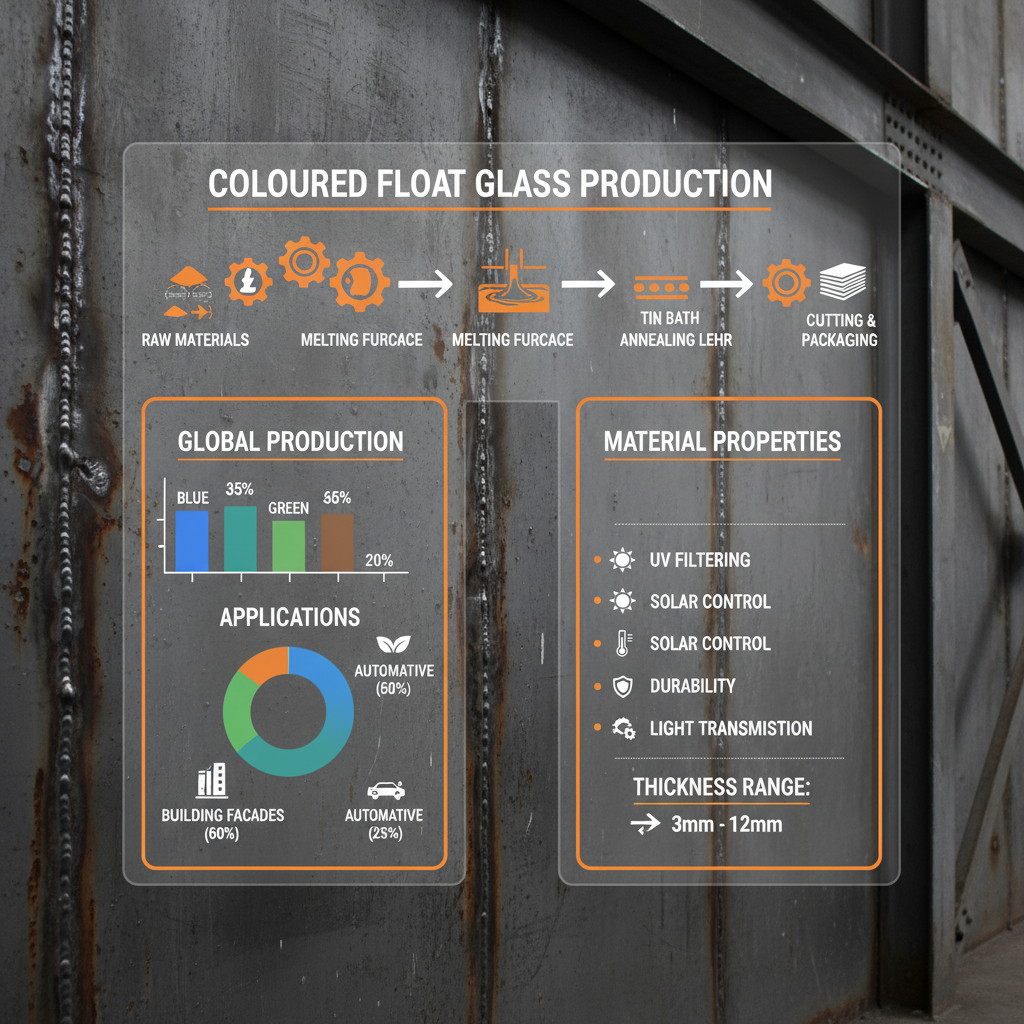
Coloured float glass is a type of glass manufactured using the float process, where molten glass is floated on a bed of molten tin to create a smooth, flat surface. The crucial difference lies in the addition of metal oxides during the melting process. These oxides impart specific colours to the glass, ranging from subtle tints to vibrant hues. Common colouring agents include iron oxide (green/brown), cobalt oxide (blue), selenium (pink/red), and chromium oxide (green).
Unlike coloured glass created through surface coatings, the colour in coloured float glass is integral to the glass itself, meaning it won’t scratch or fade over time. This makes it ideal for both interior and exterior applications where durability and long-lasting colour are essential. It directly addresses the need for materials that require minimal maintenance and provide a lasting aesthetic appeal.
The connection to modern industry and humanitarian needs stems from its versatility and performance characteristics. Coloured float glass enhances building aesthetics, improves energy efficiency, provides safety, and is used in various specialized applications, from solar panels to architectural art. coloured float glass is increasingly vital in sustainable design and modern architecture.
Key Properties of Coloured Float Glass
Coloured float glass boasts a remarkable combination of properties that contribute to its widespread use. One key aspect is its light transmission control. Different colours and thicknesses can be used to regulate the amount of natural light entering a building, reducing glare and minimizing the need for artificial lighting.
Another crucial property is thermal performance. Certain colours absorb or reflect solar radiation, helping to reduce heat gain in summer and heat loss in winter, leading to lower energy consumption. Its inherent durability is a significant advantage, resisting weathering, corrosion, and impacts, ensuring long-lasting performance.
Coloured Float Glass Performance Attributes
Applications Across Industries
Coloured float glass finds diverse applications across multiple industries. In architecture, it's used for facades, windows, skylights, and interior partitions, enhancing aesthetics and building performance. The automotive industry utilizes coloured glass for windshields and windows, providing safety, privacy, and solar control.
The solar energy sector employs coloured glass as a substrate for photovoltaic cells, optimizing light absorption and energy conversion. In interior design, it’s used for furniture, decorative panels, and lighting fixtures, adding a touch of elegance and sophistication. Regions like Europe and North America frequently utilize coloured float glass in high-end architectural projects, while Asia-Pacific focuses on large-scale building developments and solar energy applications.
Benefits and Long-Term Value
The advantages of using coloured float glass extend beyond aesthetic appeal. From a cost perspective, reduced energy consumption translates to lower operating costs over the building’s lifespan. Sustainability is another significant benefit, as coloured float glass contributes to energy efficiency, reduces carbon emissions, and can incorporate recycled materials.
Its impact on safety and security is undeniable, offering increased structural integrity and protection against external threats. The emotional value stems from the aesthetic pleasure and enhanced well-being that coloured glass provides, creating more inviting and comfortable spaces. Furthermore, using this material builds trust with clients and stakeholders, demonstrating a commitment to quality, innovation, and responsible design.
Future Trends and Innovations
The future of coloured float glass is poised for significant advancements. One emerging trend is the development of dynamic coloured glass that can change colour or transparency in response to external stimuli like light or temperature, offering even greater control over building performance. Research into nanotechnology is leading to the creation of coloured glass with enhanced properties like self-cleaning and anti-reflective coatings.
The integration of digital printing technologies allows for customized designs and patterns on coloured float glass, opening up new possibilities for architectural expression. The growing emphasis on circular economy principles is driving the development of more sustainable production processes and increased use of recycled glass content. These innovations are all aligned with the goals of green energy and digital transformation.
Furthermore, automation in glass manufacturing processes is increasing efficiency and reducing production costs, making coloured float glass more accessible and competitive. The combination of these advancements will solidify its position as a key material in the future of sustainable and innovative architecture.
FAQS
Coloured float glass, when properly installed and maintained, typically boasts a lifespan of 50-100 years in exterior applications. Its inherent durability and resistance to weathering, corrosion, and UV degradation contribute to its longevity. However, factors such as environmental exposure, climate conditions, and the quality of installation can influence the actual lifespan. Regular cleaning and periodic inspections can help maximize its durability.
Coloured float glass significantly impacts building energy efficiency by regulating light transmission and solar heat gain. Different colours absorb or reflect varying amounts of solar radiation, reducing the need for air conditioning in hot climates and minimizing heat loss in colder regions. It can also reduce glare and reliance on artificial lighting, leading to lower energy consumption and reduced carbon emissions. Choosing the appropriate colour and thickness for a specific climate is crucial for optimizing energy performance.
Yes, coloured float glass is highly recyclable. It can be crushed and reused as a raw material in the production of new glass products, reducing the need for virgin materials and minimizing waste. Recycling coloured glass requires specialized processes to separate the colours, but the environmental benefits are substantial. The increasing adoption of circular economy principles is driving the development of more efficient glass recycling technologies.
A wide range of colour options is available in coloured float glass, including shades of bronze, grey, green, blue, and pink. The colour is achieved by adding different metal oxides during the manufacturing process. Custom colours can also be created to meet specific design requirements. The choice of colour depends on aesthetic preferences, functional needs, and the desired level of light transmission and solar control.
Generally, coloured float glass is slightly more expensive than clear float glass due to the added cost of the metal oxides and the specialized manufacturing process. However, the price difference is often offset by the energy savings and aesthetic benefits that coloured glass provides. The cost can also vary depending on the colour, thickness, and quantity ordered.
Safety considerations for coloured float glass are similar to those for clear float glass. Tempered or laminated coloured glass is recommended for applications where breakage could pose a safety hazard, such as windows and doors. Tempered glass is stronger and breaks into small, blunt pieces, while laminated glass holds together even when broken. Always ensure that the glass meets relevant safety standards and building codes.
Conclusion
Coloured float glass is a multifaceted material with significant implications for architecture, sustainability, and design. Its unique combination of aesthetic appeal, functional properties, and long-term value makes it an indispensable element in modern building practices. Understanding its nuances, from manufacturing processes to application possibilities, is critical for professionals seeking innovative and sustainable solutions.
Looking ahead, continued innovation in coloured float glass technology promises even greater efficiency, versatility, and environmental responsibility. We encourage architects, designers, and builders to explore the possibilities of coloured float glass and harness its potential to create beautiful, energy-efficient, and sustainable structures. Visit our website at www.wangmeiglass.com to learn more about our range of coloured float glass products.