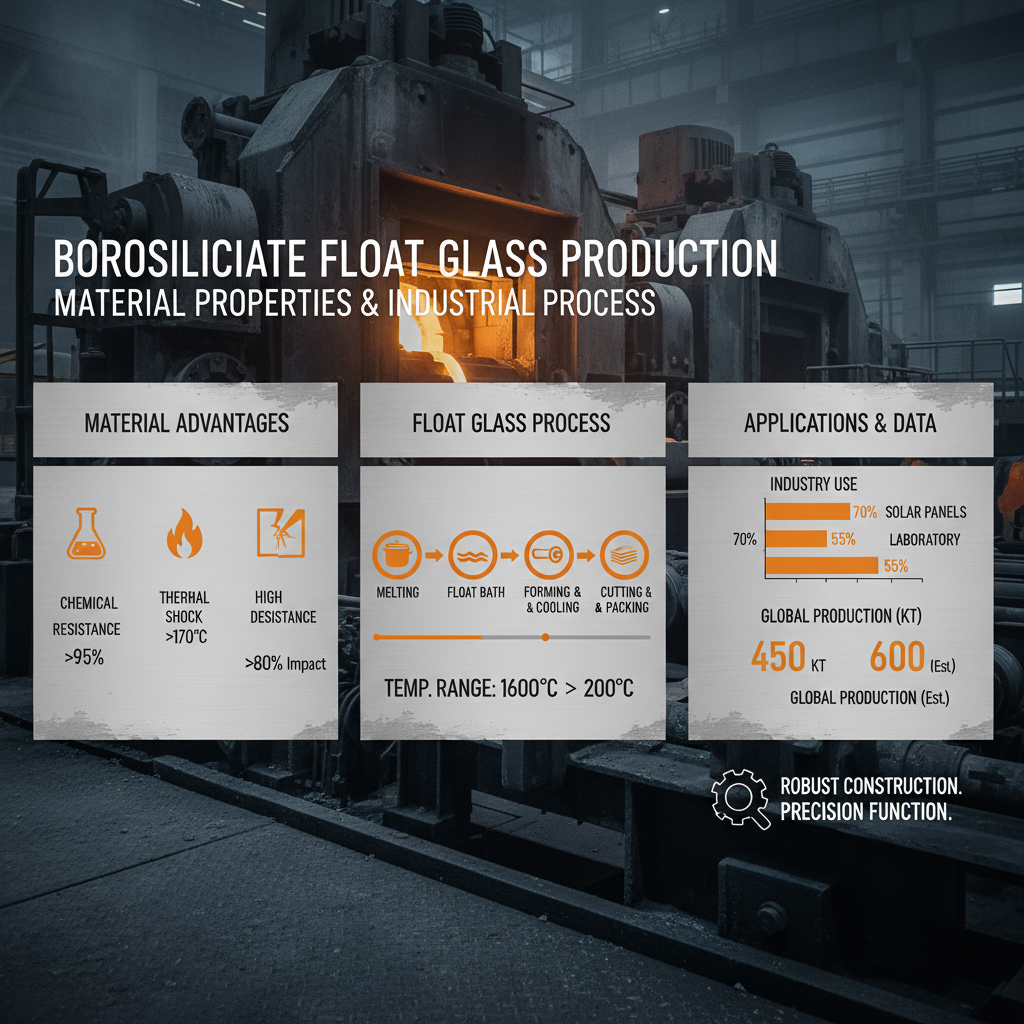
Frosted float glass is a versatile material gaining prominence across a multitude of industries, from architectural design to interior décor and beyond. Its unique aesthetic qualities – a subtle diffusion of light coupled with enhanced privacy – make it a compelling alternative to traditional clear glass. Understanding the nuances of frosted float glass, its production processes, and its diverse applications is crucial for professionals in construction, design, and manufacturing seeking innovative and functional solutions. The global demand for specialty glass, including frosted varieties, is steadily increasing, driven by a desire for both form and function in modern spaces.
The increasing demand for frosted float glass is linked to the growth in sustainable building practices and a preference for minimalist design. Architects and designers are continually searching for materials that enhance natural light while minimizing glare and ensuring privacy. Moreover, frosted glass offers a cost-effective way to achieve a sophisticated look without compromising on safety or durability. The ease of maintenance and the versatility in terms of shapes and sizes further contribute to its widespread adoption.
As building codes evolve to prioritize energy efficiency and occupant well-being, frosted float glass, especially when combined with other advanced glass technologies like low-E coatings, is becoming an increasingly attractive option for creating comfortable and sustainable environments. This trend is expected to continue, driving innovation in both the manufacturing and application of this increasingly sought-after material.
What is Frosted Float Glass?
Frosted float glass is created by treating the surface of standard float glass, typically through sandblasting or acid etching. This process creates a textured surface that diffuses light, reducing transparency while still allowing illumination to pass through. The result is a glass that offers privacy without completely blocking light, making it ideal for a variety of applications. frosted float glass provides a sophisticated and subtle aesthetic that complements modern design trends.
The level of frosting can be varied to control the degree of obscuration, ranging from a subtle, almost imperceptible texture to a more pronounced, fully frosted appearance. This flexibility allows for customization to meet specific design requirements and privacy needs. It’s a cost-effective way to add a design element that enhances both the functionality and visual appeal of spaces.
The Global Relevance of Frosted Glass
The demand for frosted glass is globally distributed, with significant markets in North America, Europe, and Asia-Pacific. The construction industry's growth in these regions, particularly in urban areas, is a primary driver. Furthermore, increasing awareness about privacy and aesthetics in both residential and commercial spaces contributes to its popularity. According to the UN, urban populations are expected to continue growing, necessitating innovative building materials that address the challenges of density and privacy.
Data from the World Bank indicates a consistent rise in construction spending worldwide, coupled with a shift towards sustainable and energy-efficient building designs. Frosted float glass aligns with these trends, offering energy savings through reduced glare and heat gain. The ISO standards for glass quality and safety also play a crucial role in ensuring the reliability and performance of frosted glass products in international markets.
A key challenge in the frosted glass market is balancing cost-effectiveness with high-quality production. Substandard products can compromise safety and durability, highlighting the importance of adhering to rigorous quality control measures and industry standards. This demand for quality and consistency creates a need for reliable suppliers capable of meeting global requirements.
Defining Frosted Float Glass
Frosted float glass is a type of processed glass manufactured by applying a texture to one or both surfaces of standard float glass. This texture is typically achieved through sandblasting, acid etching, or chemical etching, creating a subtle, diffused appearance. Essentially, the process modifies the surface of the glass, scattering light and reducing its transparency.
Its connection to modern industry lies in its ability to meet evolving demands for privacy, aesthetics, and functionality in architecture and design. Unlike traditional privacy films, which can peel or fade, the frosted texture is integral to the glass itself, ensuring long-lasting performance and durability. It is frequently used in offices, bathrooms, and conference rooms where partial visual obstruction is desired.
In terms of humanitarian needs, frosted float glass can contribute to improved living conditions in densely populated areas or temporary shelters, providing privacy and a sense of dignity. Its robustness also makes it suitable for use in challenging environments. frosted float glass represents a simple yet effective solution for enhancing both the quality and safety of built environments.
Key Characteristics of Frosted Float Glass
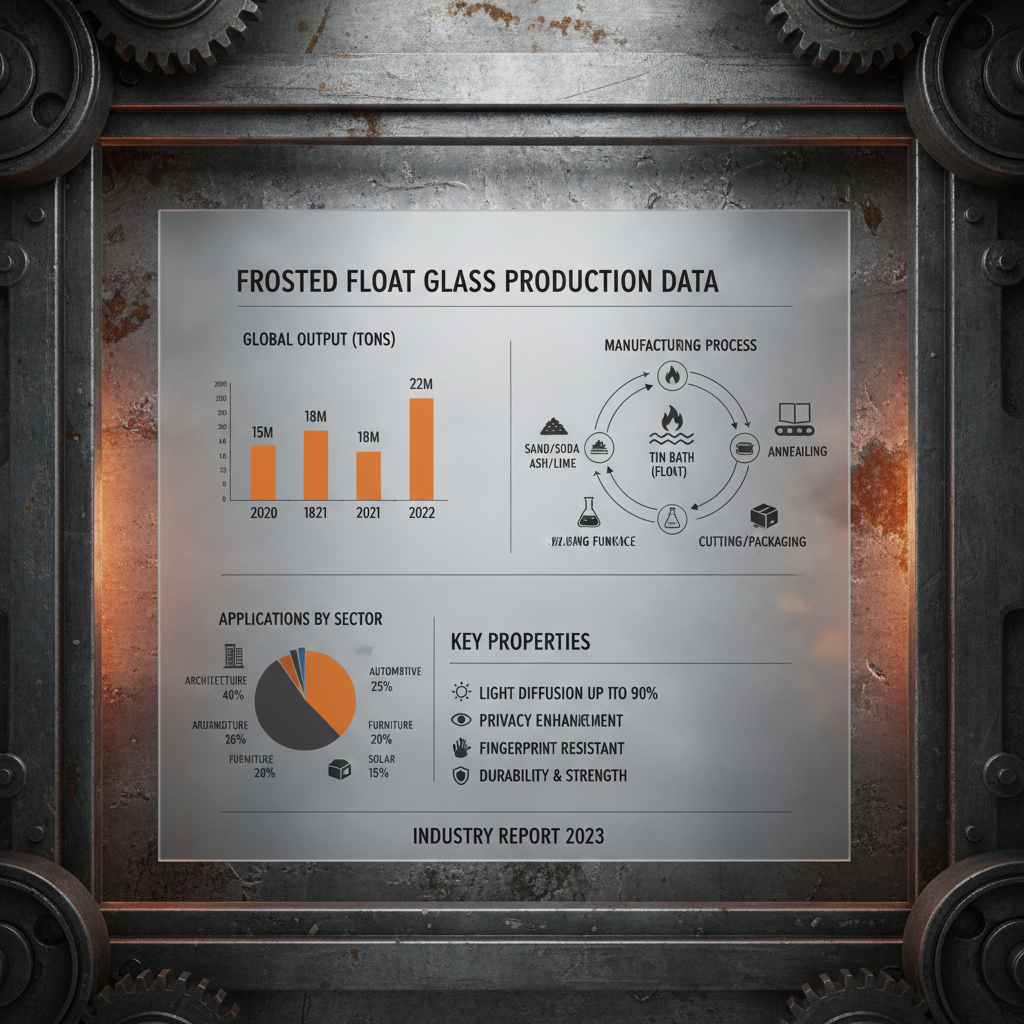
Frosted float glass boasts several key characteristics that make it a highly sought-after material. Firstly, its privacy level is a significant advantage, obscuring vision while still allowing natural light to permeate. Secondly, it exhibits excellent durability, resisting scratches and maintaining its frosted appearance over time.
Thirdly, frosted float glass offers exceptional light diffusion, reducing glare and creating a softer, more comfortable ambiance. Fourthly, it is remarkably versatile, capable of being cut, shaped, and tempered to suit diverse design needs. These characteristics contribute to its broad range of applications and enduring popularity.
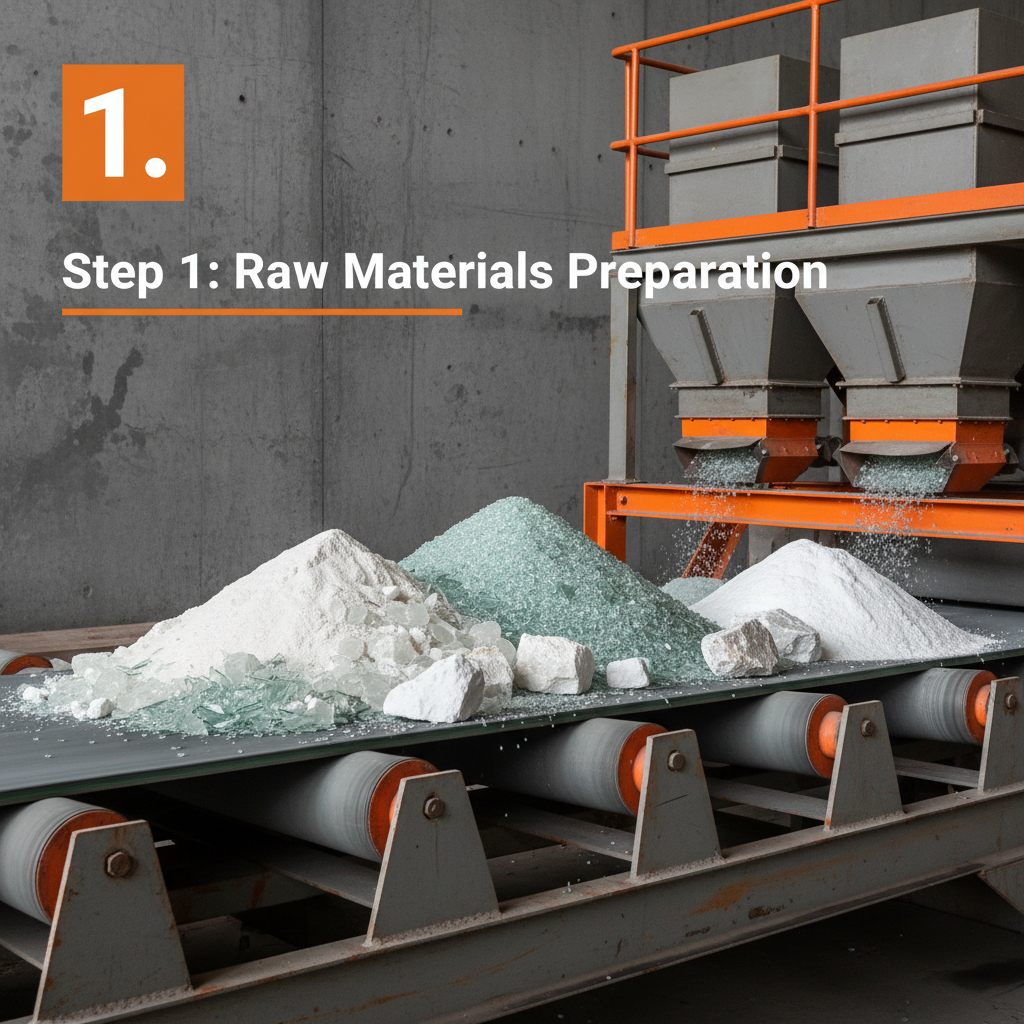
Frosted Float Glass Production Methods & Effectiveness
Diverse Applications of Frosted Float Glass
Frosted float glass finds widespread use in architectural applications. It’s commonly utilized in office partitions to create private workspaces while maintaining an open and airy feel. Furthermore, it’s frequently incorporated into bathroom designs, shower enclosures, and interior doors to enhance privacy without sacrificing natural light.
Beyond architectural uses, frosted glass is popular in furniture design. Table tops, cabinet doors, and shelving frequently utilize frosted glass to add a touch of elegance and sophistication. In retail environments, it's employed in display cases and storefronts to create visually appealing presentations.
Advantages and Long-Term Value
The advantages of using frosted float glass extend beyond aesthetics. Cost-effectively, it provides a privacy solution without the expense of replacing existing glass or installing blinds. From a sustainability perspective, it reduces the need for artificial lighting, leading to energy savings and a smaller carbon footprint. The long-term value is evident in its durability and low maintenance requirements.
On an emotional level, frosted glass can create a sense of calm and serenity, particularly in spaces designed for relaxation or contemplation. Logically, it offers a reliable and secure privacy solution, contributing to a feeling of safety and well-being. This combination of tangible benefits and intangible qualities makes frosted glass a truly valuable addition to any project.
Future Trends in Frosted Float Glass Manufacturing
The future of frosted float glass manufacturing is poised for innovation, driven by advancements in technology and sustainability. Researchers are exploring new etching techniques that minimize environmental impact and enhance the precision of the frosting process. The integration of smart glass technologies, such as electrochromic coatings, with frosted glass is also on the horizon.
Digital printing techniques are being developed to allow for customized frosted patterns and designs, offering greater design flexibility. Furthermore, the adoption of automation and artificial intelligence in manufacturing processes will likely lead to increased efficiency and reduced production costs. These developments will contribute to a more sustainable and versatile frosted glass industry.
The increasing focus on green building practices will further accelerate the demand for eco-friendly frosted glass options, such as those made with recycled materials or utilizing low-energy manufacturing processes. This trend underscores the importance of continuous innovation and a commitment to sustainability in the frosted glass industry.
FAQS
Frosted float glass, when properly installed and maintained, can last for decades. The frosted finish itself is integral to the glass, not a coating, so it won't peel or fade. However, like any glass product, it can be susceptible to damage from impact. With proper care, a lifespan of 20-30 years is readily achievable, maintaining its aesthetic and functional properties.
While both frosted and sandblasted glass achieve a textured surface, the processes differ. Sandblasting uses abrasive particles to etch the glass, resulting in a more pronounced texture. Frosted glass typically utilizes acid etching, creating a more subtle and uniform finish. Frosted glass often provides better light diffusion and a softer aesthetic compared to the coarser texture of sandblasted glass.
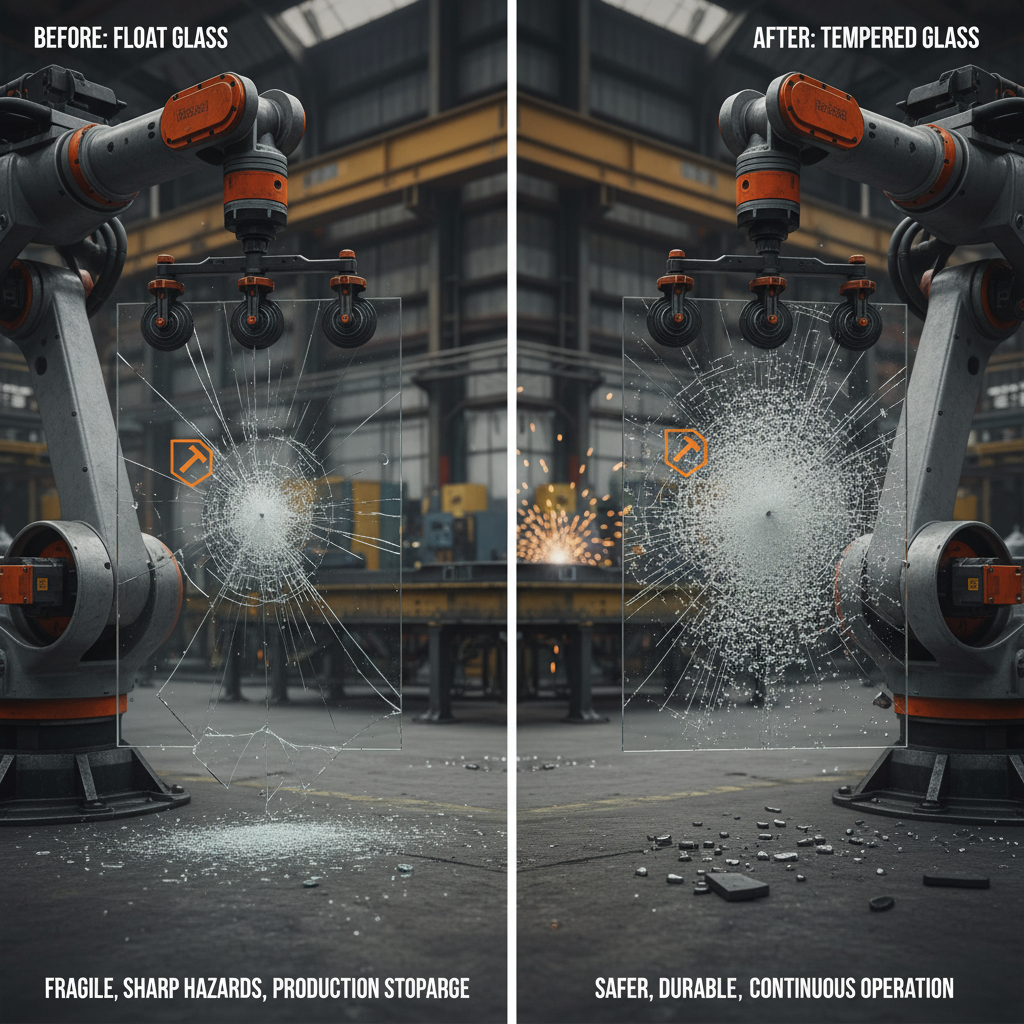
Yes, absolutely. Frosted float glass can be tempered after the frosting process, significantly increasing its strength and resistance to breakage. Tempered frosted glass is recommended for applications where safety is a primary concern, such as doors, shower enclosures, and areas prone to impact. This combines the aesthetic benefits of frosting with enhanced safety features.
Frosted float glass is relatively easy to clean. Regular cleaning with a mild glass cleaner and a soft cloth is usually sufficient. Avoid abrasive cleaners, as these can scratch the surface. The frosted texture can make it slightly more challenging to remove stubborn stains, but these can generally be addressed with a bit of extra effort and appropriate cleaning products.
Frosted glass is widely used in interior design for creating privacy in bathrooms, bedrooms and offices. It's often used for shower enclosures, partition walls, cabinet doors, and decorative panels. Its ability to diffuse light makes it perfect for creating a soft, ambient atmosphere, while still allowing natural light to enter the space. It offers design flexibility and a touch of sophistication.
Frosted float glass generally costs more than clear float glass due to the additional processing required. The exact price difference depends on the thickness of the glass, the level of frosting, and any additional treatments like tempering or coatings. However, considering the added benefits of privacy, aesthetics, and functionality, the incremental cost is often justified.
Conclusion
In summary, frosted float glass is a versatile and increasingly popular material offering a unique combination of privacy, aesthetics, and functionality. Its widespread applications across architecture, interior design, and furniture demonstrate its enduring value. The ongoing advancements in manufacturing techniques and the growing focus on sustainability promise an even brighter future for this innovative glass product.
Looking ahead, the adoption of frosted float glass is poised to expand further as demand for energy-efficient, aesthetically pleasing, and privacy-enhancing building materials continues to grow. We encourage you to explore the possibilities of frosted float glass for your next project and discover how it can transform your vision into reality.