The distinction between float glass vs tempered glass is fundamental in modern construction, automotive industries, and countless everyday applications. Understanding their properties – from strength and safety to clarity and cost – is crucial for architects, engineers, manufacturers, and consumers alike. The right glass choice directly impacts structural integrity, user safety, and project budgets, making informed decisions essential.
Globally, the demand for both float glass and tempered glass continues to rise, driven by urbanization, infrastructure development, and increasing safety regulations. According to the UN, global construction is projected to reach $8 trillion by 2030, fueling demand for high-quality glazing materials. Choosing between float glass vs tempered glass is not merely a technical detail; it's a critical factor in ensuring sustainable, resilient, and safe environments.
This distinction addresses a core challenge: balancing cost-effectiveness with performance requirements. While float glass offers affordability and clarity, tempered glass provides superior strength and safety. Choosing the correct type is about understanding the specific demands of the application and mitigating potential risks.
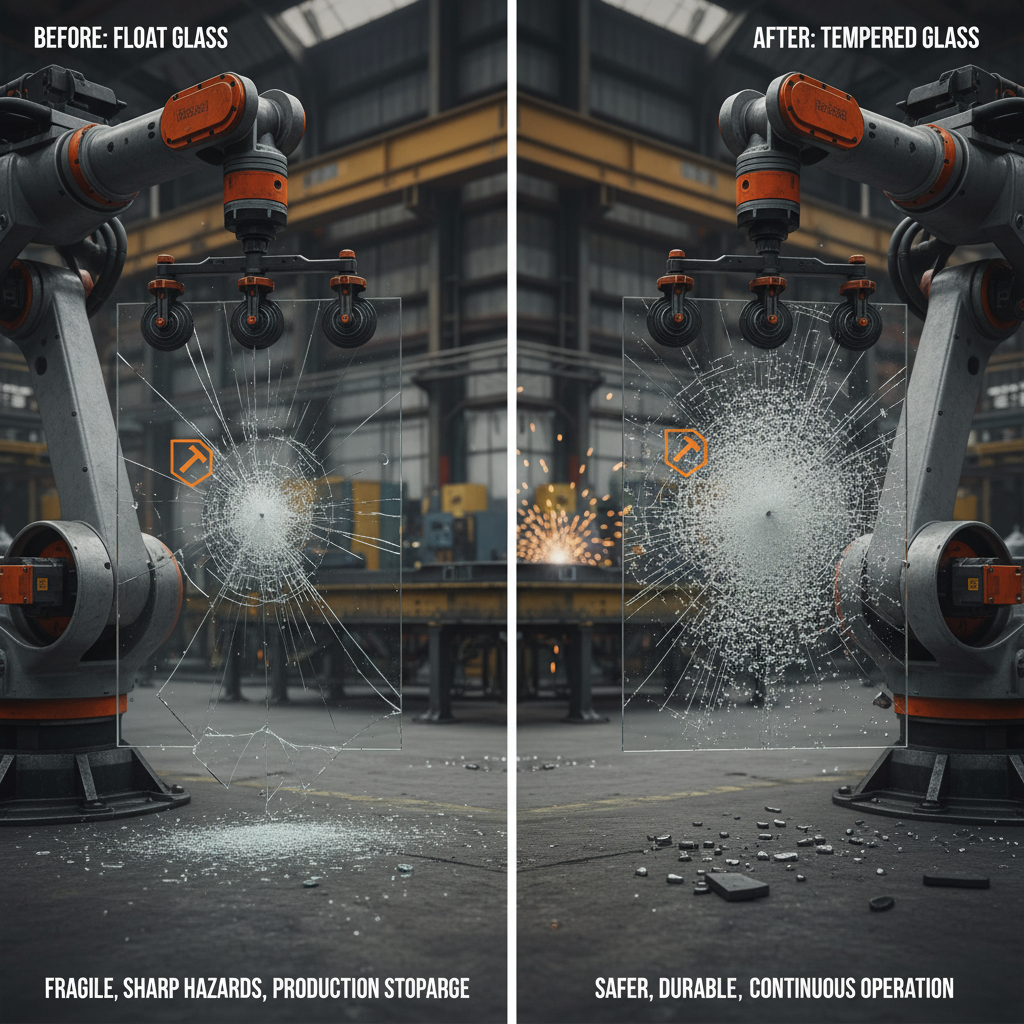
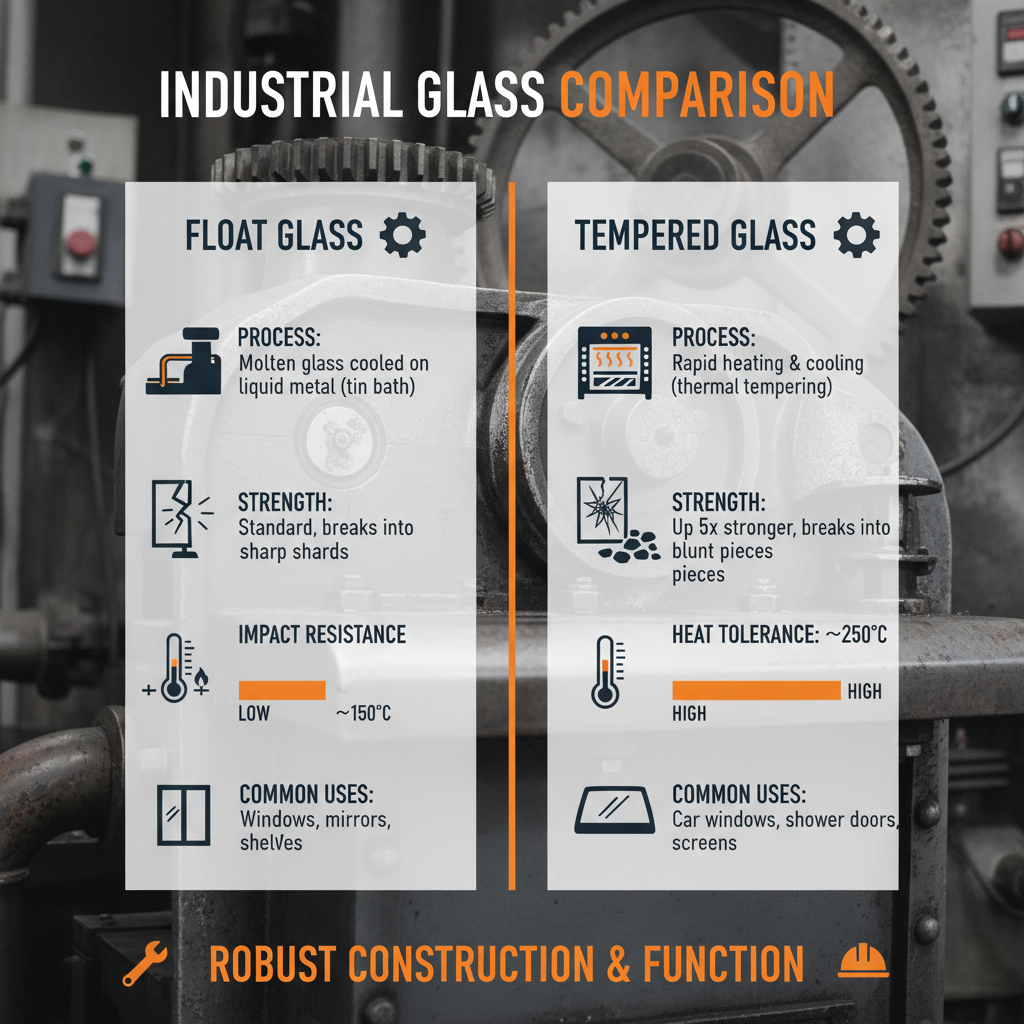
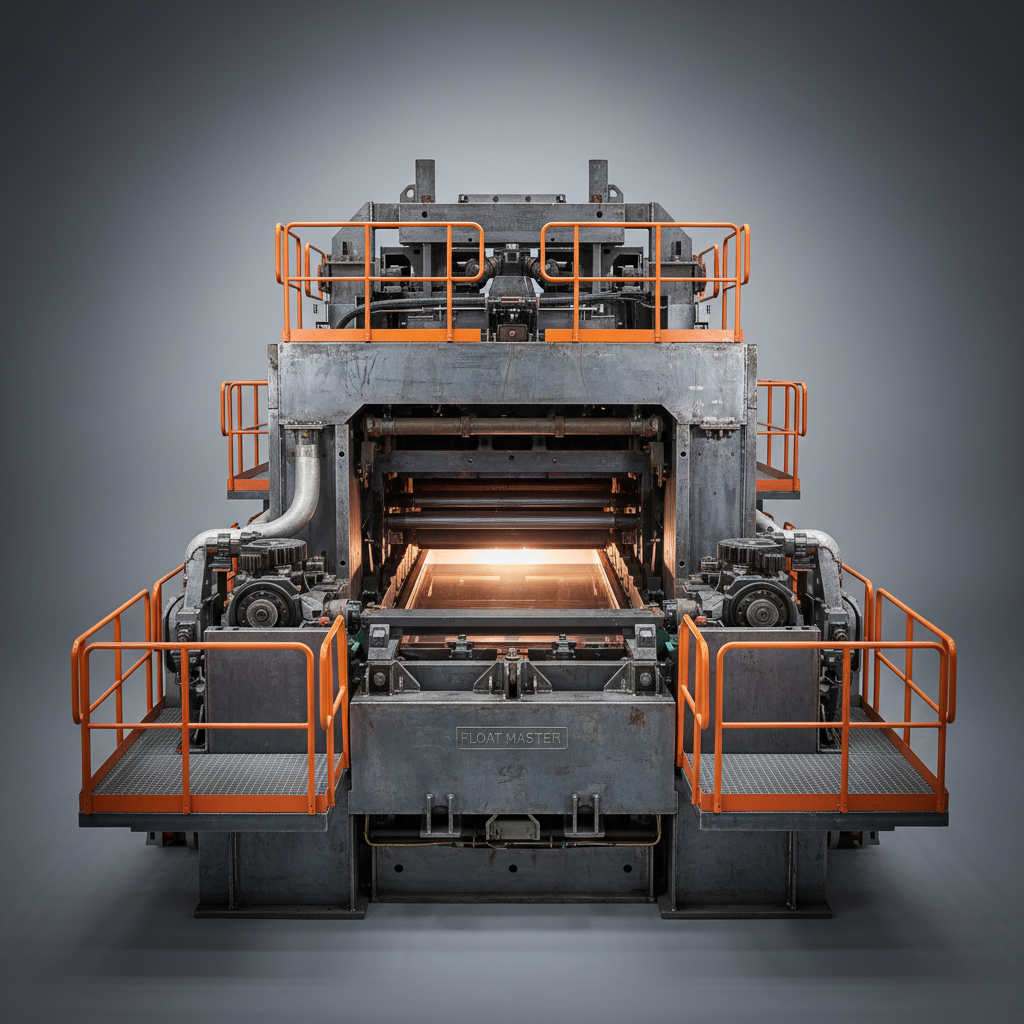
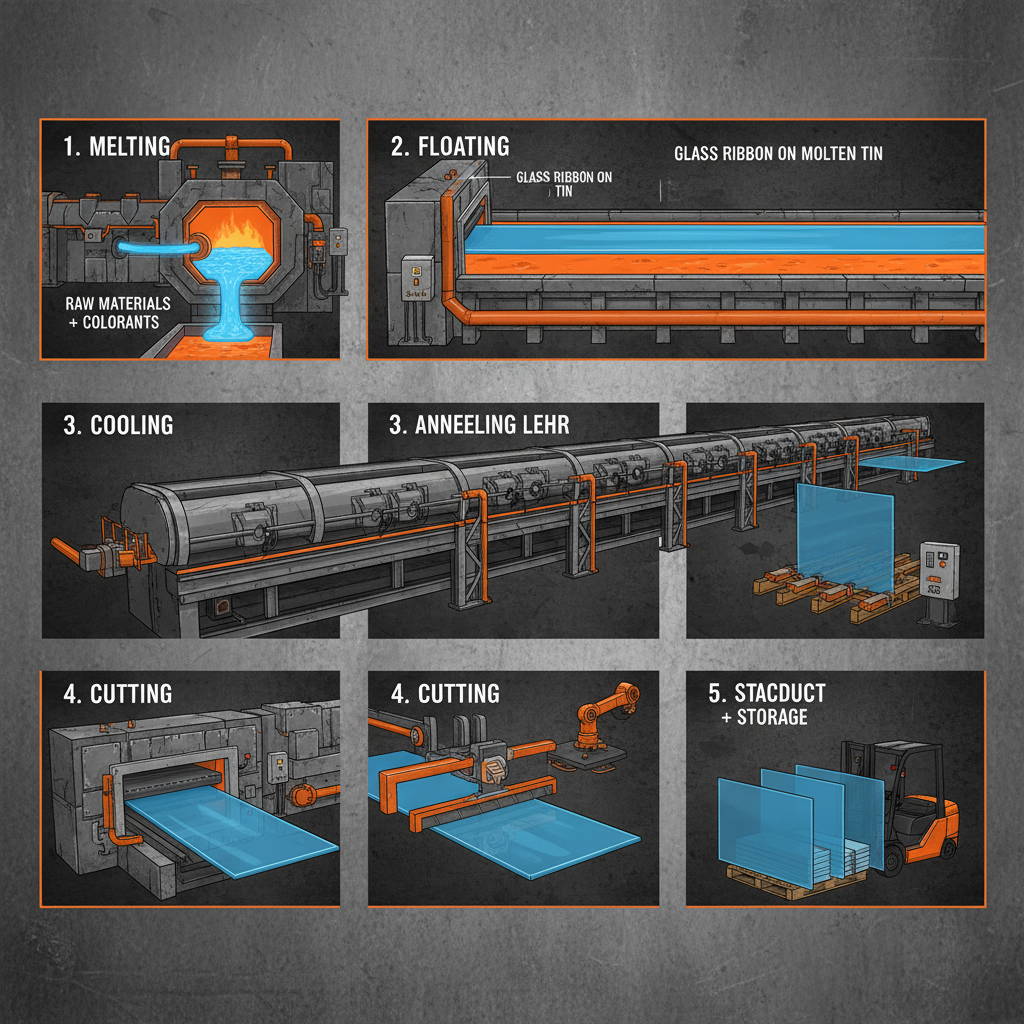
Float glass, the most common type of glass used in construction and automotive applications, is manufactured through a process where molten glass is floated on a bed of molten tin. This results in a perfectly flat, uniform surface with excellent clarity. It's primarily used where optical properties are important, like windows and mirrors.
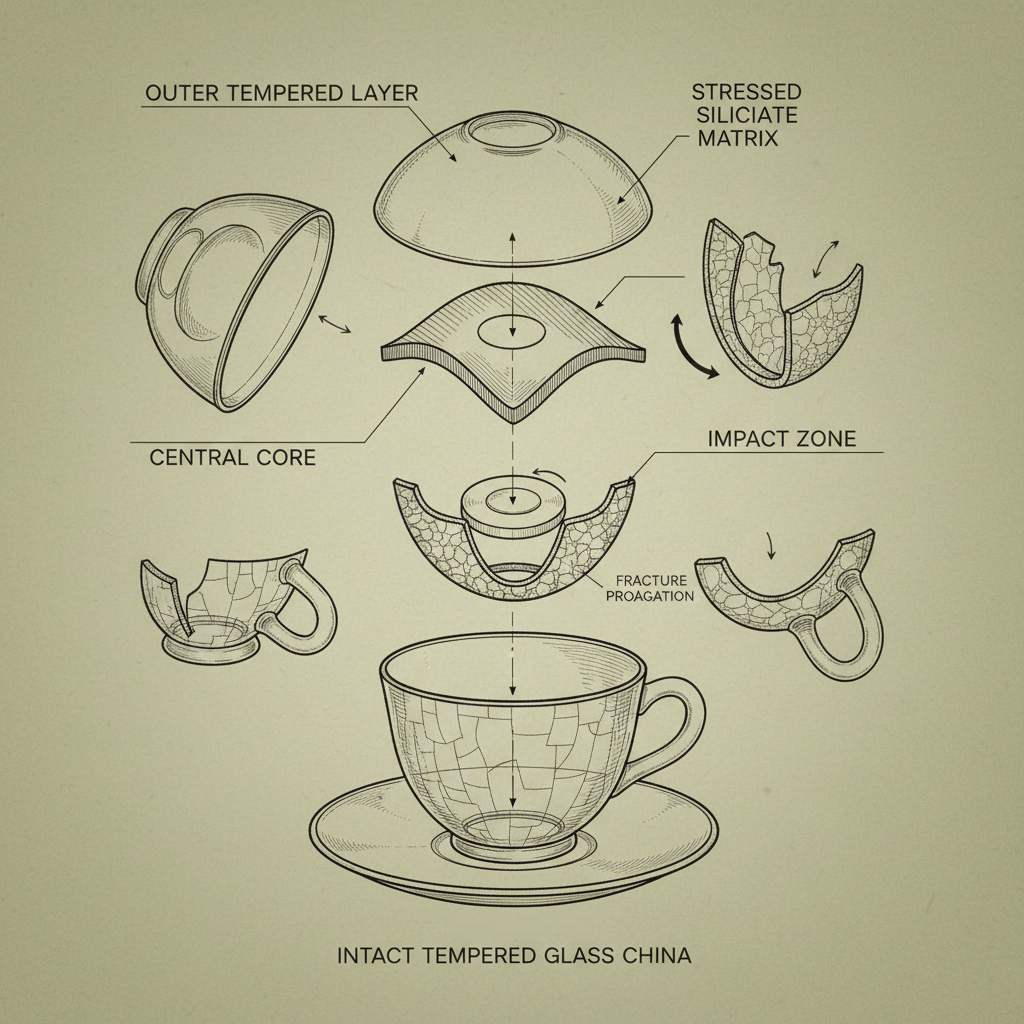
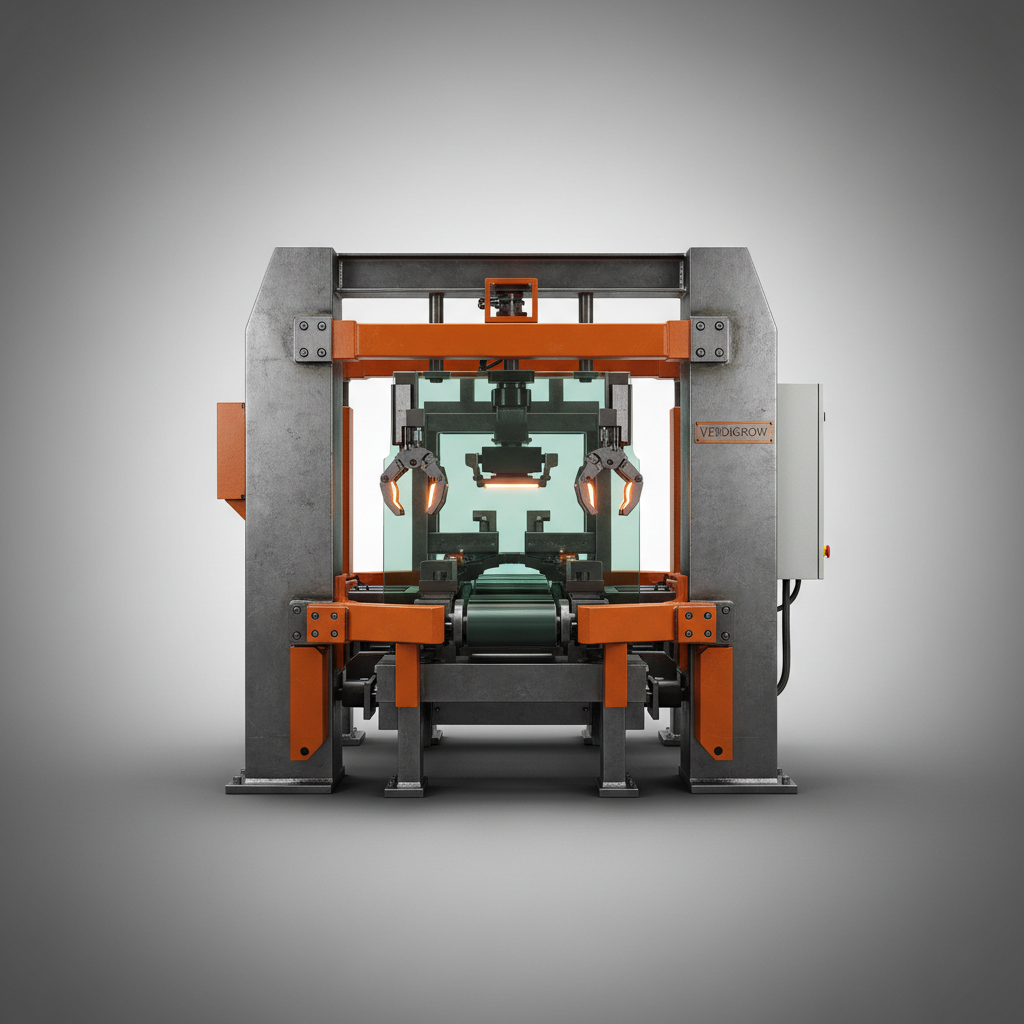
Tempered glass, conversely, undergoes a heat treatment process that significantly increases its strength. This process involves heating the glass to a high temperature and then rapidly cooling it, creating a surface compression that makes it far more resistant to breakage. When it does break, it shatters into small, relatively harmless pieces, making it a safety glass.
The key difference lies in how they break. Float glass shatters into large, sharp shards, posing a significant risk of severe injury. Tempered glass, when broken, disintegrates into small, relatively harmless granular pieces. This makes tempered glass a safety glass, suitable for applications where breakage could cause harm, like doors and windows. It’s a critical consideration when choosing between float glass vs tempered glass.
Yes, tempered glass is significantly harder to cut, drill, or alter once it has been tempered. The tempering process introduces high internal stresses. Attempting to cut or drill tempered glass can cause it to shatter. Therefore, any cutting, drilling, or shaping must be done before the glass is tempered. Float glass is much more easily modified.
Generally, tempered glass cannot be repaired. Even a small chip or crack can compromise the structural integrity of the glass and lead to spontaneous shattering. Because of the internal stresses, any attempt to repair it could create a dangerous situation. Replacement is almost always the recommended course of action. It highlights the need to carefully weigh the pros and cons of float glass vs tempered glass.
Building codes typically require tempered glass in areas where human impact is likely, such as shower doors, sidelights near doors, and windows within a certain height of the floor. These regulations are in place to minimize the risk of injury from broken glass. Always consult local building codes to ensure compliance.
Tempered glass typically costs around 50-100% more than float glass for a standard window size. This higher cost reflects the additional manufacturing process and the increased safety features. However, the long-term benefits, such as reduced risk of injury and lower replacement costs, can often outweigh the initial price difference. Evaluating the specific needs of the project is essential when considering float glass vs tempered glass.
While laminated glass offers excellent safety (holding together when broken), it doesn't necessarily have the same impact resistance as tempered glass. Laminated glass is a good choice for security, but tempered glass is often preferred when high strength and resistance to thermal stress are paramount. The choice between laminated glass and tempered glass depends on the specific application and required performance characteristics.
In conclusion, the choice between float glass vs tempered glass hinges on a careful assessment of the intended application, safety requirements, and budget constraints. Float glass remains a cost-effective solution where strength isn’t paramount, offering clarity and ease of manufacturing. However, tempered glass’s superior strength and safety characteristics make it indispensable in applications where breakage could pose a hazard.
Looking ahead, continued innovation in glass technology will likely lead to even more specialized and high-performance materials. By understanding the fundamental differences between these two core glass types – and staying abreast of emerging trends – architects, builders, and consumers can make informed decisions that prioritize safety, sustainability, and long-term value. For more information and a wide range of glass solutions, visit our website: www.wangmeiglass.com.