0%

Table of Contents

The float glass process, a revolutionary technique in glass manufacturing, has fundamentally transformed the construction, automotive, and numerous other industries. This process, developed by Sir Alistair Pilkington in the 1950s, allows for the production of flat glass with exceptional quality, clarity, and consistency. Understanding the nuances of this process is critical for professionals involved in material science, engineering, and architectural design, enabling them to optimize material selection and construction techniques.

Globally, the demand for float glass continues to rise, driven by rapid urbanization, infrastructure development, and increasing automotive production. According to the UN, global urbanization is projected to reach 68% by 2050, creating a substantial need for high-quality building materials, with float glass being a core component. The World Bank reports significant investments in infrastructure projects across developing nations, further fueling demand. The ISO standards related to glass quality are consistently updated to reflect the advancements in float glass technology, demonstrating its continued importance.

The float glass process addresses the challenges associated with traditional glass manufacturing methods, which often resulted in imperfections, distortion, and high production costs. By enabling mass production of high-quality flat glass, this process has made modern architecture and design possible, contributing to energy efficiency through advanced glazing solutions and enhancing safety standards in various applications.
Understanding the Revolutionary Float Glass Process and Its Global Impact

Introduction to the float glass process

Understanding the Revolutionary Float Glass Process and Its Global Impact

The float glass process represents a cornerstone of modern glass manufacturing, dramatically improving both the quality and cost-effectiveness of producing flat glass sheets. It’s a continuous process where molten glass is floated on a bed of molten tin, creating a perfectly flat surface due to gravity and the surface tension of the liquids.

This method eliminated the imperfections inherent in older techniques like plate or drawn glass production, resulting in glass that is smoother, more uniform in thickness, and free from distortion. The ability to produce large sheets of high-quality float glass has enabled innovations in architectural design, automotive safety, and various other applications requiring optically clear and structurally sound glass.

Defining the float glass process

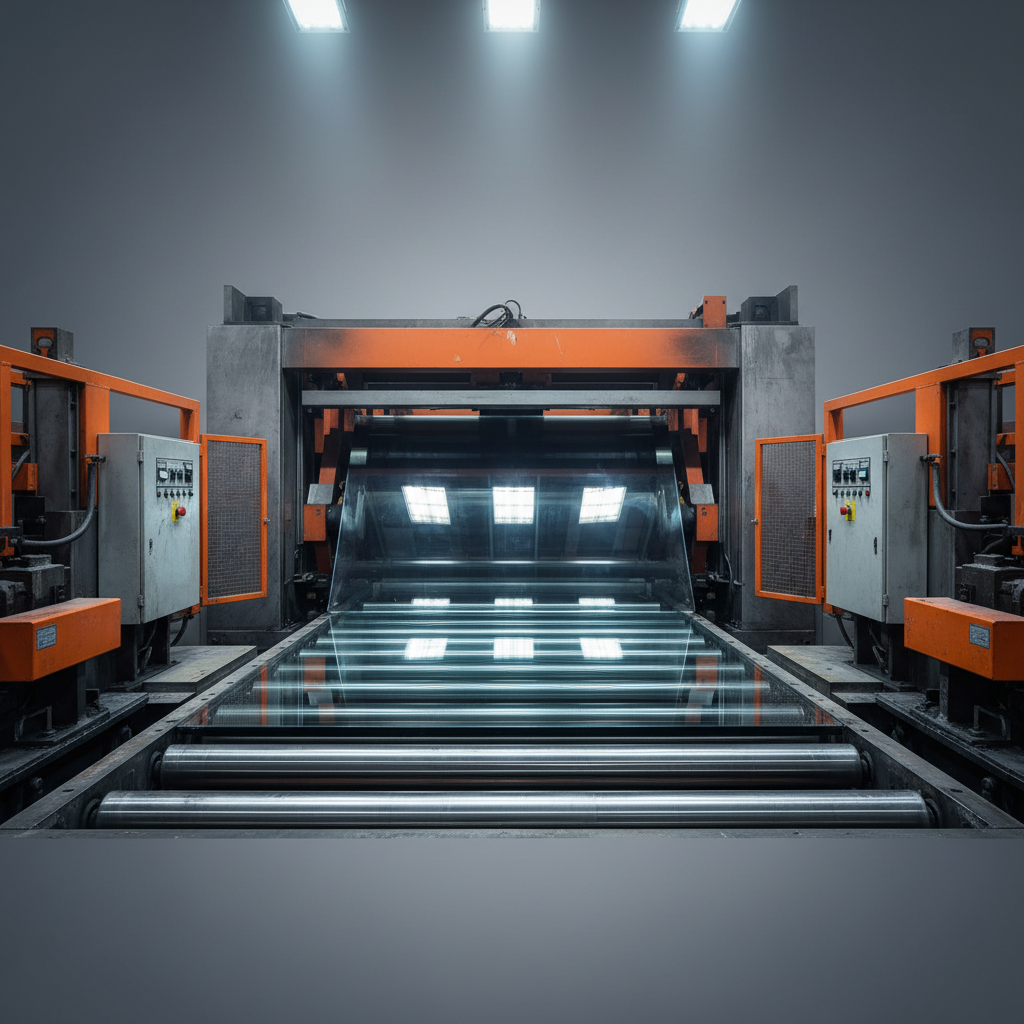
The float glass process is a continuous manufacturing process in which molten glass, typically a soda-lime composition, is poured onto a bath of molten tin. The density difference between glass and tin causes the glass to float, creating a perfectly flat and uniform surface. This eliminates the need for grinding and polishing, drastically reducing production costs and improving glass quality.

This process isn’t merely about producing flat glass; it’s a foundational element enabling advancements across diverse industries. From energy-efficient windows reducing building heating and cooling costs to laminated safety glass in automobiles protecting passengers, the impact of float glass is pervasive.

The float glass process is intrinsically linked to modern industrial needs, offering a scalable and reliable method for producing large volumes of high-quality glass, vital for construction, automotive, and numerous other sectors. It directly addresses the need for optically clear, structurally sound, and consistently sized glass components.

Core Components of the float glass process

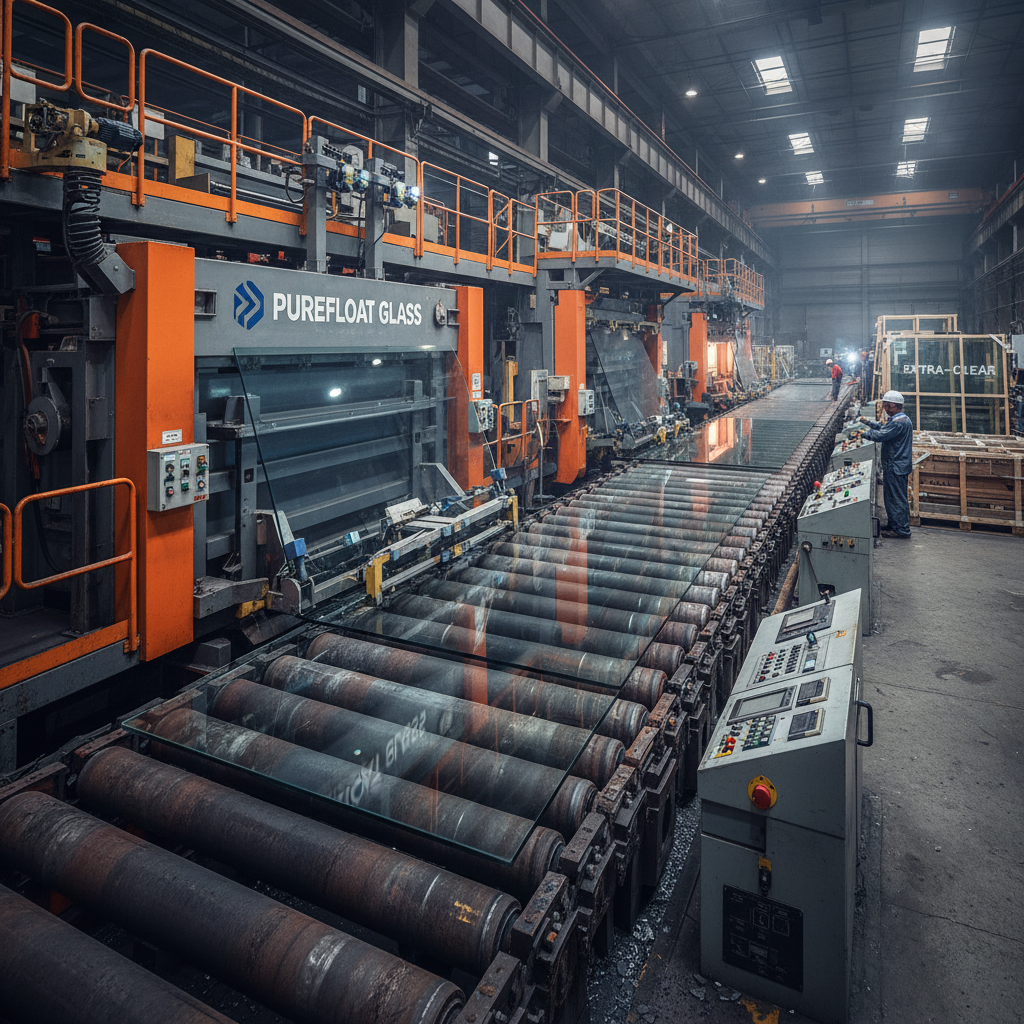
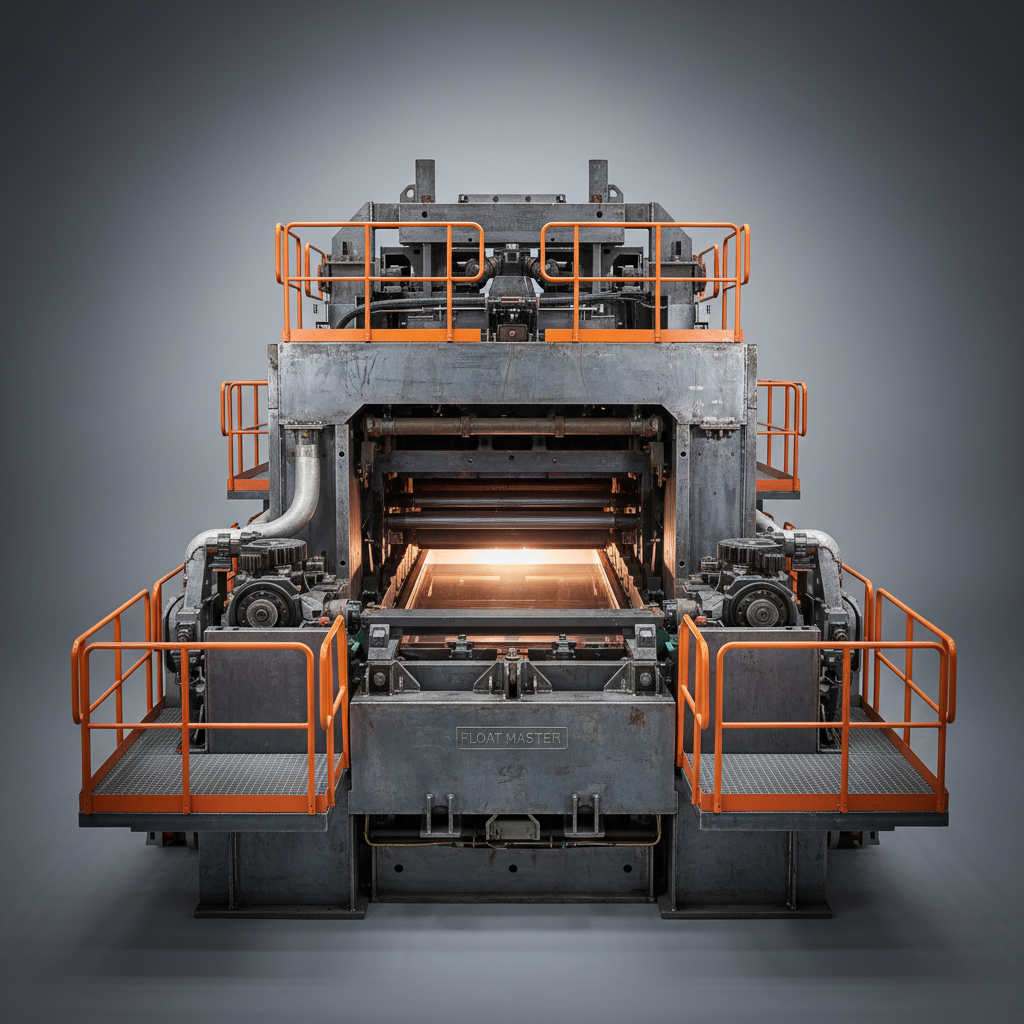
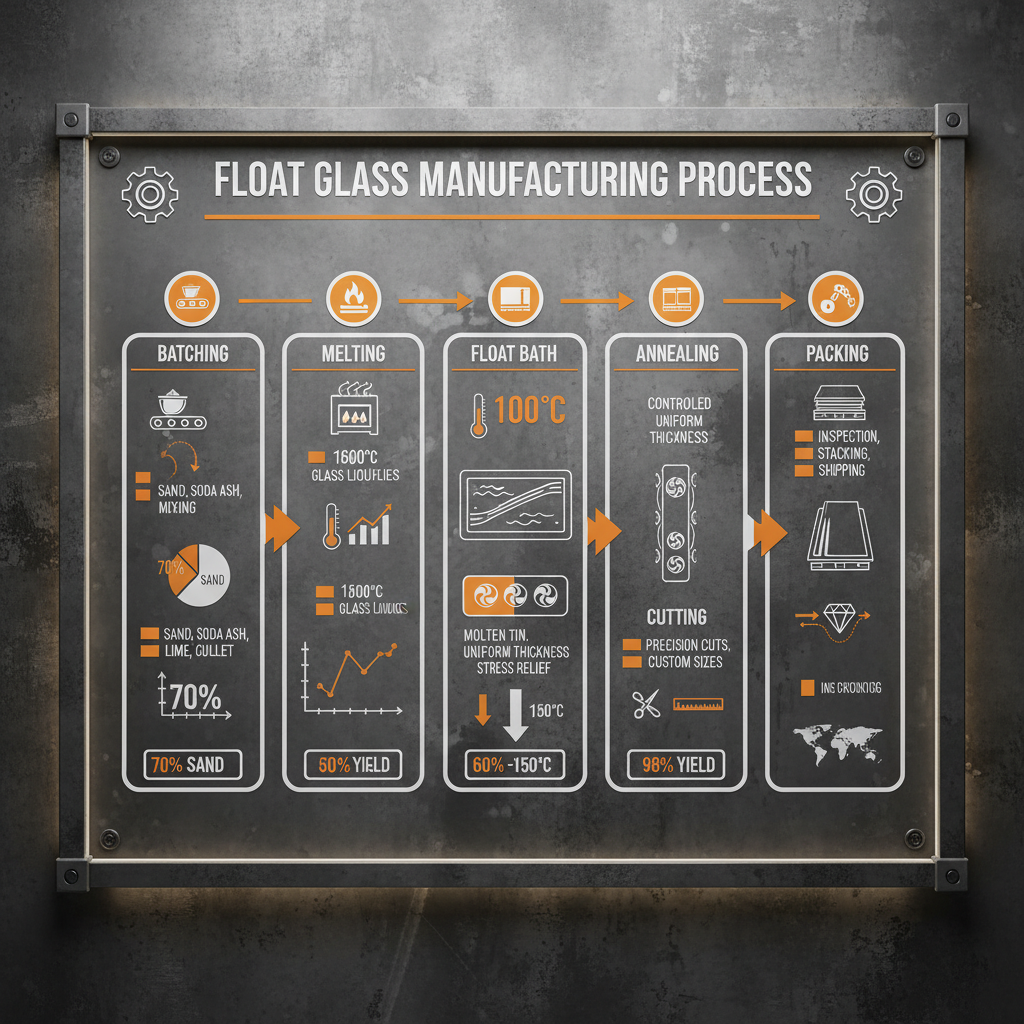
The float glass process relies on several key components working in harmony. These include the melting furnace, which heats the raw materials (primarily silica sand, soda ash, and limestone) to approximately 1500°C. This molten glass is then carefully poured onto the tin bath, maintained at a controlled temperature, enabling the floating process.

The atmosphere within the furnace and tin bath is crucial; it's typically a reducing atmosphere created using nitrogen and hydrogen to prevent oxidation of the tin. After floating, the glass ribbon passes through an annealing lehr to gradually cool it, relieving internal stresses and enhancing its strength. Finally, quality control inspections ensure the glass meets stringent specifications.

These components are not isolated entities; their precise coordination is paramount for achieving the desired glass quality. Optimizing each stage, from raw material input to final inspection, is vital for maximizing efficiency and minimizing defects within the float glass process.

Key Factors Influencing float glass process Quality

Several critical factors influence the quality of glass produced through the float glass process. Temperature control is paramount; maintaining precise temperatures in the melting furnace, tin bath, and annealing lehr ensures consistent glass viscosity, surface flatness, and stress relief.

The composition of the glass batch also plays a significant role. Subtle variations in the ratio of silica, soda ash, limestone, and other additives can affect properties like refractive index, thermal expansion, and chemical durability. Atmospheric control within the furnace and tin bath is vital to prevent oxidation and ensure the tin remains molten and inert.

Comparative Analysis of float glass process Variables


Global Applications of the float glass process

The applications of float glass are incredibly diverse, spanning across numerous industries and regions. In the construction sector, it is the primary material for windows, facades, and interior partitions, enabling energy-efficient buildings and modern architectural designs. Regions experiencing rapid urbanization, such as Asia and Latin America, are major consumers of float glass for their expanding building projects.

The automotive industry heavily relies on float glass for windshields, side windows, and rear windows, prioritizing safety and visibility. Stringent safety regulations worldwide drive the demand for laminated and tempered float glass in vehicles. The demand is concentrated in major automotive manufacturing hubs like Europe, North America, and China.

Beyond these core applications, float glass is used in furniture, mirrors, solar panels, and even medical devices. In post-disaster relief operations, temporary shelters often incorporate float glass for windows and doors, offering improved living conditions. In remote industrial zones, float glass provides protective barriers and enclosures for sensitive equipment.

Advantages & Long-Term Value of float glass process

The float glass process delivers significant advantages over traditional methods, primarily in terms of cost efficiency, improved quality, and scalability. The continuous nature of the process allows for high-volume production, reducing per-unit costs. The resulting glass is exceptionally flat, clear, and uniform in thickness, eliminating the need for costly grinding and polishing operations.

Long-term value is derived from the enhanced durability and energy efficiency of float glass. Its resistance to weathering and corrosion ensures a long service life, reducing replacement costs. Advanced coatings applied to float glass can significantly reduce heat transfer, lowering energy consumption and carbon emissions, promoting sustainability and lowering operational costs.

Future Trends & Innovations in float glass process

The future of the float glass process is focused on enhancing sustainability, reducing energy consumption, and incorporating advanced functionalities. Research is underway to develop low-carbon glass compositions utilizing recycled materials and alternative raw materials. Digitalization and automation are being integrated into the process, optimizing temperature control, monitoring glass quality in real-time, and minimizing waste.

The development of self-cleaning glass, incorporating nanocoatings that repel dirt and water, is gaining traction. Smart glass, capable of dynamically adjusting its transparency based on external conditions, is becoming increasingly popular in architectural applications. Integration with renewable energy sources, such as solar power, to reduce the carbon footprint of the process, is a key area of focus.

FAQS

What are the primary raw materials used in the float glass process?

The main raw materials for float glass production are silica sand (the primary glass former), soda ash (sodium carbonate, acts as a fluxing agent), and limestone (calcium carbonate, stabilizes the glass). Other additives, such as alumina, magnesia, and boron oxide, are used in smaller quantities to fine-tune the glass's properties like strength, chemical durability, and refractive index. The careful proportioning of these materials is crucial for achieving the desired glass quality.

How does the temperature of the tin bath affect the final glass product?

The temperature of the molten tin bath is critically important. It must be precisely controlled, typically around 1000-1100°C, to ensure the molten glass can float effectively without dissolving the tin or solidifying prematurely. Maintaining the optimal temperature ensures a perfectly flat surface and prevents defects like wrinkles or waves in the glass. Too low a temperature causes viscosity issues; too high, and it risks tin contamination.

What safety measures are taken when working with molten tin in the float glass process?

Working with molten tin presents significant safety challenges due to its high temperature and potential for exothermic reactions. Comprehensive safety protocols are implemented, including the use of protective clothing, such as heat-resistant suits and face shields. The atmosphere surrounding the tin bath is carefully controlled to prevent oxidation and explosions. Regular inspections and maintenance of equipment are vital to prevent leaks and ensure safe operation. Emergency shutdown systems are also standard.

How does the annealing process contribute to the strength of float glass?

The annealing process, where the glass ribbon is slowly cooled, is essential for relieving internal stresses that develop during the float process. Rapid cooling would create residual stresses, making the glass brittle and prone to fracture. Controlled cooling allows the glass molecules to rearrange, minimizing stresses and significantly increasing its mechanical strength and resistance to thermal shock. This improves the glass's overall durability and safety.

What are the environmental impacts of the float glass process and how are they being addressed?

The float glass process can have environmental impacts related to energy consumption, greenhouse gas emissions, and waste generation. Efforts to mitigate these impacts include optimizing furnace efficiency, utilizing recycled glass cullet in the batch mix, and implementing advanced emission control technologies. Research into alternative, low-carbon glass compositions and utilizing renewable energy sources are also underway to reduce the process's carbon footprint and promote sustainability.

What is the typical lifespan of a float glass furnace before it needs to be rebuilt?

The lifespan of a float glass furnace typically ranges from 8 to 15 years, depending on operational factors, maintenance practices, and the glass composition being produced. Over time, the refractory materials lining the furnace degrade due to the high temperatures and corrosive effects of the molten glass. A complete rebuild involves dismantling the furnace, replacing the refractory lining, and upgrading equipment. Regular inspections and preventative maintenance can help extend the furnace's lifespan and optimize performance.

Conclusion

In conclusion, the float glass process has revolutionized the glass industry, providing a cost-effective and reliable method for producing high-quality flat glass essential for countless applications. Its impact extends from enhancing energy efficiency in buildings to improving automotive safety, underpinning modern infrastructure and design. Understanding the intricacies of this process is crucial for professionals across a multitude of sectors.

Looking forward, continued innovation in materials, automation, and sustainability will be key to further optimizing the float glass process. The adoption of greener technologies, incorporating recycled materials, and reducing energy consumption will be vital for minimizing its environmental footprint and ensuring its long-term viability. Explore further insights and product details by visiting our website: www.wangmeiglass.com.

Ryan Edwards

Ryan Edwards

Ryan Edwards is the Digital Marketing Manager for Wangmei Group in the US market. He is responsible for developing and implementing digital strategies to increase brand awareness and generate leads. Ryan manages the company’s online presence, including website content, social media marketing, and search engine optimization. He leverages data analytics
Previous Understanding Float Glass Properties for Modern Applications and Industry Innovation
Next Advanced Float Glass Design for Modern Architecture and Industrial Applications