Annealed float glass, a cornerstone of modern construction and numerous industrial applications, is increasingly vital in addressing global needs ranging from sustainable building practices to enhancing safety standards. Its unique properties – strength, transparency, and versatility – make it a fundamental material in a world demanding durable and efficient solutions. Understanding the nuances of annealed float glass is crucial for architects, engineers, manufacturers, and policymakers alike, impacting everything from energy efficiency to disaster resilience.
The global demand for annealed float glass is driven by the expanding construction sector, particularly in developing economies, and a growing emphasis on energy-efficient building materials. According to the UN, urbanization is projected to continue at a rapid pace, increasing the need for robust and cost-effective building solutions. The World Bank highlights the importance of sustainable infrastructure development, and annealed float glass plays a key role in achieving this goal through its recyclability and thermal performance. This increasing demand presents both opportunities and challenges, necessitating a focus on responsible manufacturing and efficient supply chains.
Annealed float glass represents a fundamental advancement in glass production, offering a superior alternative to traditional methods. Its consistent quality and large-scale producibility address critical needs in modern industry and humanitarian efforts. From providing safe and reliable windows for residential and commercial buildings to forming the basis for specialized glass products, annealed float glass is a vital component in countless applications.
Introduction: Global or Industry Context
Annealed float glass’s significance extends far beyond simple window panes. It is a fundamental component in the solar energy sector, providing the protective layer for solar panels, enabling the harnessing of renewable energy sources. The increasing demand for sustainable energy solutions directly correlates with the need for high-quality, durable annealed float glass. Its consistent properties also make it an essential material in the automotive industry, offering safety and clarity for vehicle windshields and windows.
The growth of the architectural glass market is heavily reliant on annealed float glass. As urbanization continues and building designs become more complex, the demand for large, structurally sound glass elements rises. Innovations in glass technology, often building upon the foundation of annealed float glass, are driving new architectural possibilities. However, this growth must be balanced with environmental considerations, leading to a greater focus on recycling and responsible sourcing of raw materials.
Definition & Meaning
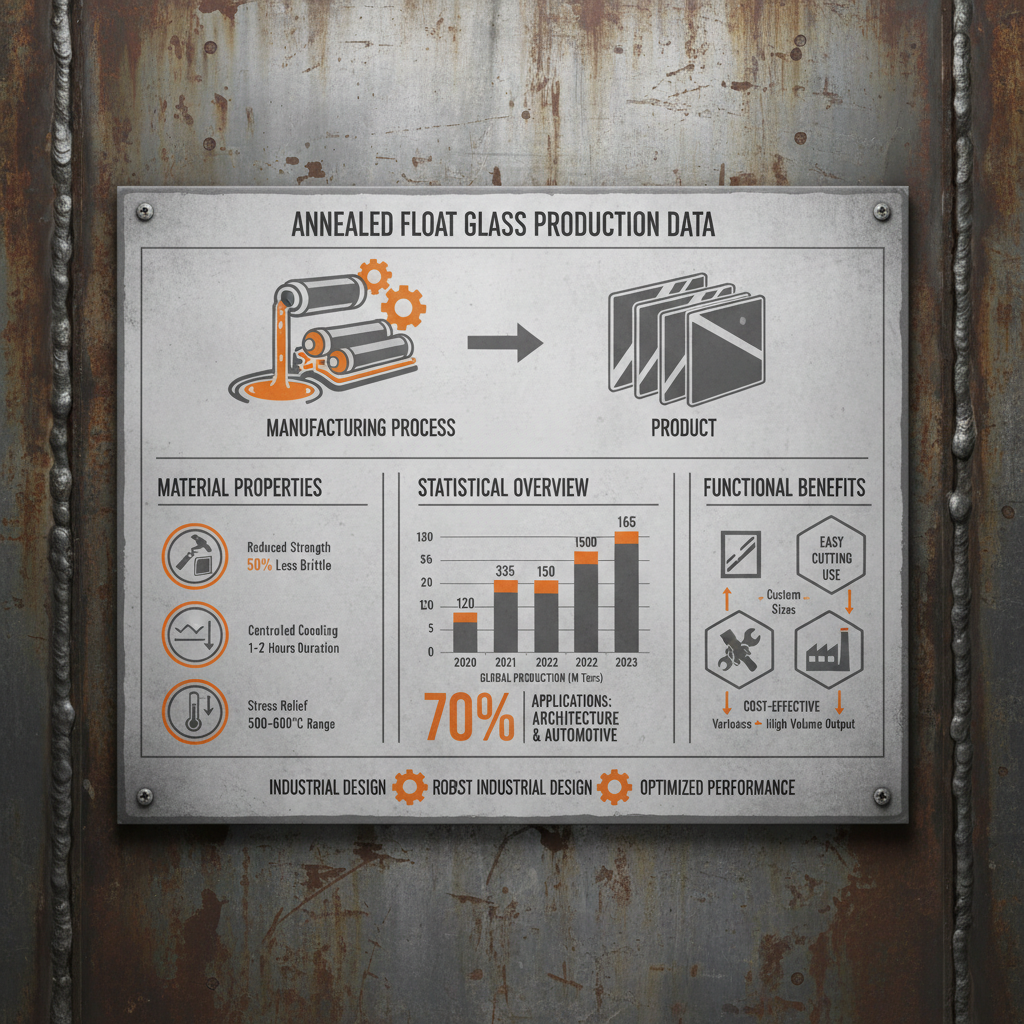
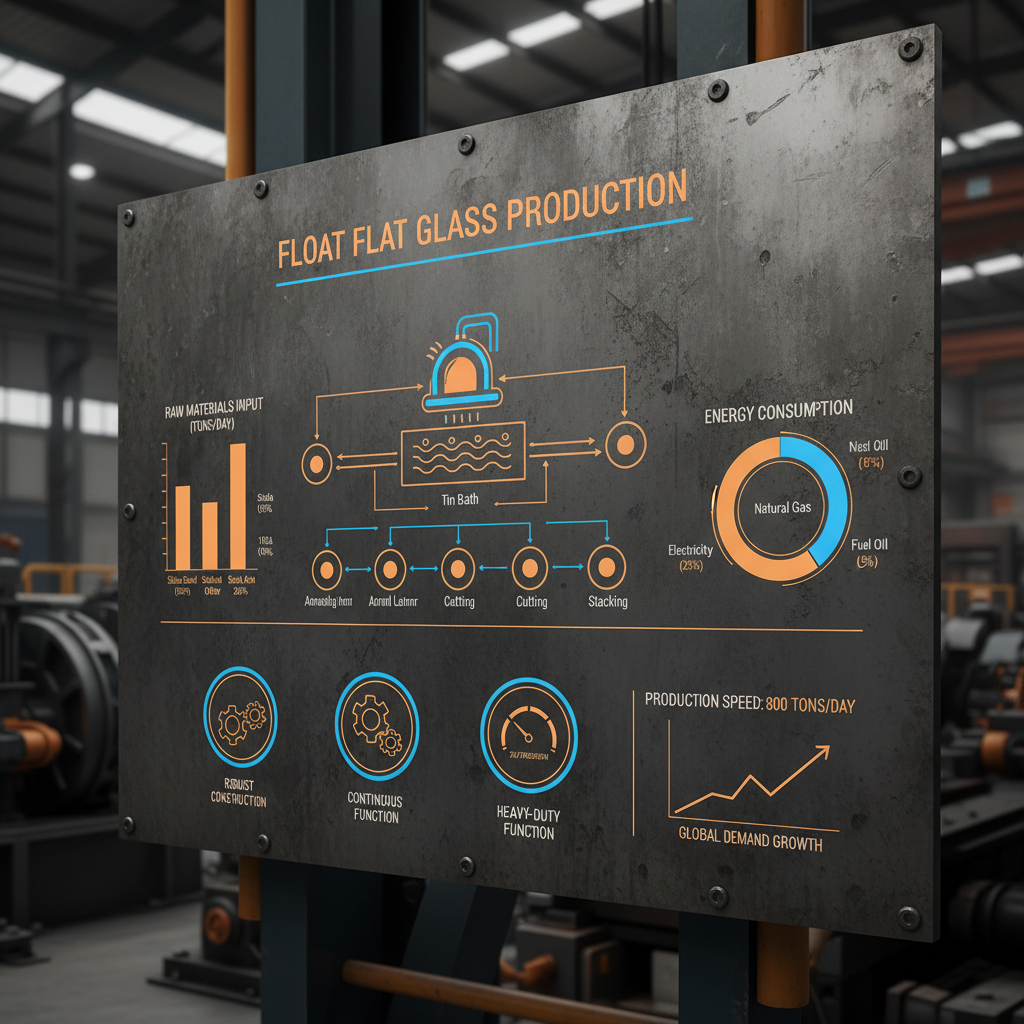
Annealed float glass is a type of sheet glass manufactured through a process known as the float process. Molten glass is floated on a bed of molten tin, creating a perfectly smooth and uniform surface. Subsequently, the glass undergoes a controlled cooling, or annealing, process. This annealing reduces internal stresses within the glass, making it more durable and less prone to breakage. The result is a high-quality, transparent material with exceptional optical clarity.
The connection to modern industry stems from its consistency and scalability. Unlike hand-blown or older glassmaking methods, the float process allows for continuous production of large sheets of glass with minimal distortion. This is critical for applications requiring precise dimensions and optical properties. Its relevance to humanitarian needs arises from its use in creating safe and sheltered environments. Whether it’s constructing emergency shelters after a disaster or providing natural light in developing communities, annealed float glass contributes to improved living conditions.
Essentially, annealed float glass represents a foundational element in modern construction, transportation, and numerous other industries, offering a blend of strength, clarity, and versatility that makes it indispensable in a vast range of applications.
Key Factors or Core Components
Durability: The annealing process significantly enhances the structural integrity of the glass. By relieving internal stresses, it reduces the risk of shattering and makes it more resistant to thermal shock and mechanical impact. This durability translates to longer-lasting products and reduced replacement costs. annealed float glass is commonly utilized where safety and longevity are paramount.
Optical Clarity: The float process yields a surface that is remarkably flat and free of imperfections. This ensures high light transmission and minimal distortion, making annealed float glass ideal for windows, skylights, and other applications where clear visibility is essential. Its clarity is a crucial feature in architectural designs.
Versatility: Annealed float glass can be further processed into a wide range of products, including tempered glass, laminated glass, and coated glass. This versatility allows it to meet diverse application requirements, from enhancing safety and security to improving energy efficiency. Its adaptability is key to its widespread use.
Cost-Effectiveness: While offering superior performance compared to older glassmaking methods, the float process is highly efficient, allowing for large-scale production at a relatively low cost. This makes annealed float glass an economically viable option for a wide range of projects.
Thermal Performance: Annealed float glass, while not inherently high-performing in terms of insulation, serves as an excellent base for incorporating coatings that dramatically improve its thermal properties. Low-E coatings, for example, can significantly reduce heat transfer, improving energy efficiency in buildings.
Global Applications & Use Cases
Annealed float glass is ubiquitous in the construction industry, forming the primary glazing material for residential and commercial buildings worldwide. From skyscrapers in bustling metropolises to family homes in rural areas, its use is widespread. In Europe, stringent energy efficiency standards have driven the adoption of high-performance annealed float glass with specialized coatings to reduce heat loss.
The automotive sector relies heavily on annealed float glass for windshields, side windows, and rear windows. Its safety features, such as its ability to shatter into small, relatively harmless pieces, are crucial for passenger protection. Major automotive manufacturing hubs in countries like Japan, Germany, and the United States are significant consumers of this material.
In post-disaster relief operations, annealed float glass is often used to construct temporary shelters and repair damaged buildings. Its availability and relative ease of installation make it a practical choice in emergency situations. Furthermore, in remote industrial zones, annealed float glass provides essential glazing for workshops, laboratories, and control rooms.
annealed float glass Applications by Sector
Advantages & Long-Term Value
The cost-effectiveness of annealed float glass, combined with its inherent durability, provides significant long-term value. Reduced replacement frequency translates to lower maintenance costs for buildings and vehicles. Furthermore, its recyclability contributes to a circular economy, minimizing environmental impact. This makes it a financially responsible choice for both individuals and organizations.
From a sustainability perspective, annealed float glass offers several benefits. Its energy-efficient properties, when combined with appropriate coatings, reduce heating and cooling costs, lowering carbon emissions. The glass manufacturing process itself is continually evolving to reduce energy consumption and minimize waste. The assurance of safety it provides creates peace of mind for occupants of buildings and passengers in vehicles, fostering a sense of security and well-being.
Future Trends & Innovations
Ongoing research is focused on developing thinner and lighter annealed float glass with enhanced strength and durability. Nanotechnology is being explored to create self-cleaning glass surfaces and improve thermal insulation properties. Integration with smart building technologies, such as dynamic glazing that adjusts light transmission based on environmental conditions, is another area of innovation.
The increasing demand for sustainable building materials is driving the development of low-carbon glass manufacturing processes. These processes aim to reduce greenhouse gas emissions and minimize the environmental impact of glass production. Automation and digital transformation are also playing a key role, optimizing production efficiency and improving quality control.
Challenges & Solutions
One significant challenge is the energy intensity of glass manufacturing. While advancements are being made, reducing energy consumption remains a priority. Solutions include investing in more efficient furnaces, utilizing renewable energy sources, and optimizing production processes. The transportation of annealed float glass can also be costly and environmentally impactful.
Another challenge is ensuring the responsible sourcing of raw materials. This requires establishing transparent supply chains and promoting ethical mining practices. Furthermore, improving the recyclability of annealed float glass is crucial for closing the loop and minimizing waste. Investment in advanced recycling technologies and infrastructure is essential.
Addressing these challenges requires collaboration between glass manufacturers, researchers, policymakers, and consumers. By embracing innovation and prioritizing sustainability, we can ensure that annealed float glass continues to play a vital role in a more sustainable future.
Key Considerations for Optimizing Annealed Float Glass Performance
| Manufacturing Process |
Thermal Resistance |
Surface Coatings |
Recyclability Rating |
| Float Process Optimization |
7/10 |
Low-E Coating Application |
9/10 |
| Annealing Temperature Control |
8/10 |
Anti-Reflective Coating |
8/10 |
| Raw Material Purity |
6/10 |
Self-Cleaning Coating |
7/10 |
| Process Automation |
9/10 |
UV Protection Coating |
8/10 |
| Quality Control Standards |
8/10 |
Tinted Coatings |
7/10 |
| Waste Reduction Strategies |
7/10 |
Patterned Coatings |
6/10 |
FAQS
Annealed float glass offers a compelling combination of benefits for construction projects. Its exceptional clarity provides abundant natural light, reducing the need for artificial illumination and lowering energy costs. It’s durability ensures long-lasting performance, minimizing maintenance and replacement expenses. Additionally, its versatility allows for a wide range of design possibilities, contributing to aesthetically pleasing and structurally sound buildings.
The annealing process is critical for enhancing the strength of float glass. During manufacturing, rapid cooling can create internal stresses within the glass structure, making it susceptible to breakage. Annealing involves slowly cooling the glass in a controlled manner, relieving these stresses and making the glass significantly more resistant to thermal shock and mechanical impact. This results in a more durable and reliable material.
Yes, annealed float glass is highly recyclable, making it an environmentally responsible material choice. Recycled glass can be used to manufacture new glass products, reducing the demand for raw materials and minimizing landfill waste. However, the recycling process requires energy, so optimizing collection and processing methods is essential. Furthermore, responsible sourcing of raw materials is crucial for minimizing the environmental footprint of glass production.
While both annealed and tempered glass originate from the float glass process, they differ significantly in their properties. Annealed glass cools slowly, reducing internal stresses. Tempered glass, however, undergoes an additional heat treatment and rapid cooling process, creating a hardened outer layer. This makes tempered glass significantly stronger and more resistant to breakage, but it shatters into small, relatively harmless pieces upon impact, unlike annealed glass which breaks into larger, sharper shards.
Coatings play a vital role in enhancing the performance of annealed float glass. Low-E coatings reduce heat transfer, improving energy efficiency, while anti-reflective coatings increase light transmission. UV protection coatings minimize fading of interior furnishings, and self-cleaning coatings reduce maintenance requirements. The choice of coating depends on the specific application and desired performance characteristics.
Annealed float glass is commonly used in automotive windshields, side windows, and rear windows due to its clarity, durability, and optical properties. Automotive glass often undergoes further processing, such as lamination for safety, to prevent shattering into dangerous shards upon impact. Its ability to be shaped and molded to complex designs makes it ideal for vehicle glazing applications.
Conclusion
In conclusion, annealed float glass stands as a foundational material in modern society, providing essential solutions across diverse industries. Its unique combination of durability, optical clarity, versatility, and cost-effectiveness makes it indispensable in construction, automotive manufacturing, renewable energy, and numerous other applications. Understanding its properties and potential is crucial for architects, engineers, and policymakers alike.
Looking ahead, continued innovation in glass manufacturing processes and coating technologies will further enhance the performance and sustainability of annealed float glass. Prioritizing responsible sourcing, efficient recycling, and the development of low-carbon production methods will be essential for ensuring its long-term viability. To learn more about our range of annealed float glass products and how they can meet your specific needs, visit our website: www.wangmeiglass.com