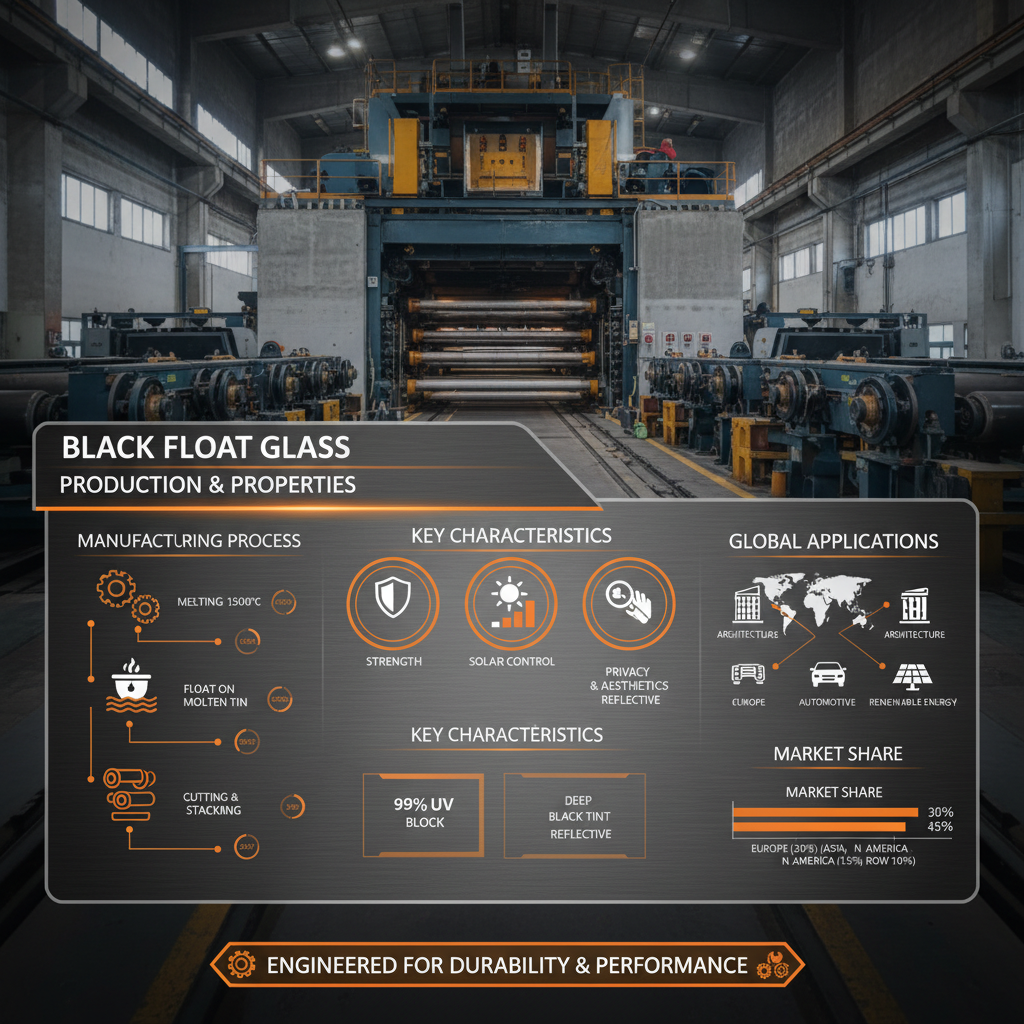
Black float glass represents a significant advancement in materials science, offering unique aesthetic and functional properties that cater to a wide range of applications. Its inherent characteristics, such as exceptional flatness, transparency, and strength, make it a preferred choice in modern architecture, interior design, and specialized industrial sectors. Understanding the nuances of black float glass is crucial for architects, designers, and manufacturers seeking to innovate and optimize their projects.
Globally, the demand for high-performance glass solutions is surging, driven by increasing urbanization and a growing emphasis on energy efficiency and aesthetic appeal. Black float glass, with its ability to reduce glare, enhance privacy, and provide a sleek, modern look, is ideally positioned to meet these evolving needs. According to the UN, global construction is projected to grow significantly in the coming decades, further driving demand for advanced materials like black float glass.
The value of black float glass extends beyond its functional attributes. It empowers creativity in architectural design, allowing for the creation of striking visual statements and sophisticated environments. Its durability ensures long-lasting performance, reducing lifecycle costs and contributing to sustainable building practices. Investing in understanding and utilizing black float glass is therefore essential for professionals aiming to stay at the forefront of innovation.
Introduction to Black Float Glass
Black float glass isn't merely a material; it's a design element that fundamentally alters the aesthetic and functional possibilities of architectural and interior spaces. Its distinctive appearance, stemming from a specialized coating, provides a sophisticated and contemporary look that complements a wide range of design styles. The versatility of black float glass extends its appeal beyond purely visual considerations.
This glass type offers superior performance characteristics, including enhanced glare reduction and improved thermal control. The unique manufacturing process contributes to its high strength and durability, ensuring long-term reliability and minimal maintenance. It's a material chosen not just for its beauty, but for its contribution to safety, energy efficiency, and overall structural integrity.
Global Relevance and Market Trends
The global market for float glass is substantial, with increasing demand driven by growth in construction, automotive, and renewable energy sectors. Within this market, black float glass represents a niche yet rapidly expanding segment. Data from the World Bank indicates a consistent rise in global construction spending, particularly in emerging economies, contributing to the growing demand for specialized glass products.
A significant trend is the increasing emphasis on sustainable building practices. Black float glass, with its ability to reduce solar heat gain and lower energy consumption, aligns perfectly with these goals. Furthermore, the desire for modern and aesthetically pleasing designs is fueling the adoption of black float glass in high-end residential and commercial projects.
The challenge lies in ensuring a consistent supply of high-quality black float glass to meet this growing demand. Geopolitical factors and raw material availability can impact production costs and lead times, requiring manufacturers and suppliers to maintain resilient supply chains.
Defining Black Float Glass
Black float glass is a type of high-quality, flat glass manufactured using the float process, but enhanced with a specialized coating that gives it a dark, opaque appearance. Unlike tinted glass, which allows some light transmission, black float glass significantly reduces light penetration, offering enhanced privacy and glare control. black float glass differs from simply applying a film, as the color is integral to the glass itself, making it more durable and resistant to scratching.
This process isn’t solely aesthetic. The coating also impacts the glass’s thermal properties. It effectively minimizes solar heat gain, contributing to a building's energy efficiency and reducing the need for air conditioning. This makes it a vital component in modern sustainable architectural designs.
Its connection to modern industry is profound. Beyond construction, black float glass finds application in automotive manufacturing (rear windows, sunroofs), solar panel backing, and specialized interior design, demonstrating its versatility and importance across various sectors.
Key Properties of Black Float Glass
Black float glass possesses a unique combination of properties that set it apart from traditional glass types. Firstly, its Opacity is a key feature; it offers exceptional privacy and minimizes visibility, making it ideal for applications where concealment is crucial. Secondly, it demonstrates remarkable Durability, resisting scratches, impacts, and weathering, ensuring a long service life.
The glass also exhibits excellent Thermal Performance, reducing solar heat gain and minimizing energy costs. Its inherent Strength enables the creation of large, uninterrupted glass surfaces, adding to its architectural appeal. Furthermore, the Aesthetic Versatility of black float glass allows it to seamlessly integrate into a wide range of design styles, from minimalist modern to classic contemporary. Finally, it offers superior UV Protection, safeguarding interiors from fading and damage caused by ultraviolet radiation.
Performance Comparison of Black Float Glass Production Methods
Applications Across Industries
The applications of black float glass are remarkably diverse, spanning numerous industries. In architecture, it’s utilized for facades, curtain walls, and interior partitions, creating striking visual effects and enhancing privacy. The automotive industry utilizes black float glass in rear windows and sunroofs, contributing to vehicle aesthetics and passenger comfort.
The solar energy sector employs black float glass as a backing material for solar panels, improving their efficiency and durability. Within interior design, it’s used in furniture, decorative elements, and wall coverings, adding a touch of sophistication to any space. In remote industrial zones, its robustness provides safe and secure glazing solutions for critical infrastructure.
Furthermore, it is increasingly being implemented in high-security applications, such as bank teller windows and security booths, owing to its opacity and resistance to breakage. This widespread adoption demonstrates its versatility and value across diverse sectors.
Benefits and Long-Term Value
The benefits of employing black float glass extend far beyond its aesthetic appeal. From a cost perspective, its durability translates to reduced replacement and maintenance costs over its lifespan. Its sustainability features, such as reduced energy consumption, contribute to environmentally responsible building practices. The enhanced safety it provides – through reduced visibility and increased strength – protects occupants and assets.
Moreover, black float glass fosters a sense of dignity and privacy for occupants, enhancing their overall well-being. Its innovative use in design fosters a sense of trust with clients, highlighting a commitment to quality and sophistication. The long-term value of black float glass lies in its ability to enhance both the functional and emotional aspects of built environments.
Future Innovations and Challenges
The future of black float glass is poised for exciting advancements. Research and development are focused on incorporating nanotechnology to enhance its thermal performance and self-cleaning properties. Integration with smart glass technologies – allowing for dynamic control of transparency – represents another promising avenue for innovation. The rise of digital fabrication techniques will also enable more complex and customized applications.
However, challenges remain. Reducing the environmental impact of the manufacturing process and sourcing sustainable raw materials are critical priorities. Ensuring consistent quality control and addressing potential supply chain disruptions are also essential for sustained growth. The adoption of automation and artificial intelligence in production processes will be crucial to overcome these challenges.
The integration of black float glass with Building Information Modeling (BIM) software will streamline design and construction processes, fostering greater efficiency and collaboration. Furthermore, advancements in coating technologies could lead to even more sophisticated performance characteristics.
Summary of Black Float Glass Manufacturing Analysis
| Manufacturing Process |
Material Cost (USD/sqm) |
Production Time (hours/sqm) |
Quality Control Rating (1-10) |
| Float Process with Ceramic Frit |
15-20 |
24 |
8 |
| Magnetron Sputtering Coating |
20-25 |
18 |
9 |
| Chemical Vapor Deposition (CVD) |
25-35 |
36 |
7 |
| Sol-Gel Coating Process |
10-15 |
48 |
6 |
| Electrodeposition Coating |
12-18 |
12 |
7 |
| Plasma Enhanced CVD |
30-40 |
24 |
8 |
FAQS
While both black float glass and tinted glass reduce light transmission, they differ significantly in their composition and performance. Tinted glass achieves its color through the addition of chemical compounds during the manufacturing process, allowing some light to pass through. Black float glass, however, utilizes a specialized coating applied to the surface, resulting in much greater opacity and superior privacy. This coating also enhances its thermal properties and durability, making it a more robust and energy-efficient option.
Yes, black float glass is exceptionally well-suited for use in double-glazed windows. In fact, it often performs better in this application. The combination of black float glass with a low-E coating and an inert gas fill maximizes thermal insulation, significantly reducing heat transfer. This contributes to lower energy bills and a more comfortable indoor environment. Its inherent strength also makes it safe and reliable for use in multi-pane window systems.
The manufacturing of black float glass, like any industrial process, has environmental impacts. However, advancements are being made to mitigate these effects. Manufacturers are increasingly focusing on utilizing recycled glass cullet, reducing energy consumption during production, and implementing responsible waste management practices. Furthermore, the long-term energy savings achieved through its thermal properties contribute to a reduced carbon footprint over the lifecycle of the material.
Absolutely. Black float glass can be cut to precise dimensions and tempered to increase its strength and resistance to breakage. Tempering involves heating the glass to a high temperature and then rapidly cooling it, creating compressive stresses that make it much more durable. This process is commonly used for applications requiring enhanced safety, such as shower doors, railings, and furniture. Edge polishing can also be performed for a refined aesthetic.
The lead time for custom-sized black float glass can vary depending on the quantity, complexity of the order, and the manufacturer's current production schedule. Generally, standard sizes are readily available with a shorter lead time of 1-2 weeks. Custom cuts and tempering typically require an additional 2-4 weeks. It's always best to contact the supplier directly for an accurate estimate based on your specific requirements.
Yes, black float glass is generally more expensive than clear float glass due to the additional manufacturing steps involved in applying the specialized coating. However, the added benefits – enhanced privacy, superior thermal performance, and a sophisticated aesthetic – often justify the higher cost, especially in projects where these features are prioritized. Consider it an investment in long-term value and design excellence.
Conclusion
In summary, black float glass represents a compelling material choice for architects, designers, and manufacturers seeking a combination of aesthetic appeal, functional performance, and sustainability. Its unique properties – opacity, durability, thermal efficiency, and strength – make it ideal for a wide range of applications, from architectural facades to automotive components. Understanding its capabilities empowers professionals to create innovative and impactful designs.
Looking ahead, continued advancements in manufacturing technologies and coating materials will further enhance the performance and versatility of black float glass. Embracing these innovations and addressing the challenges related to sustainability and supply chain resilience will ensure its continued success as a leading material in the built environment. For further information and to explore our range of black float glass products, please visit our website: www.wangmeiglass.com.