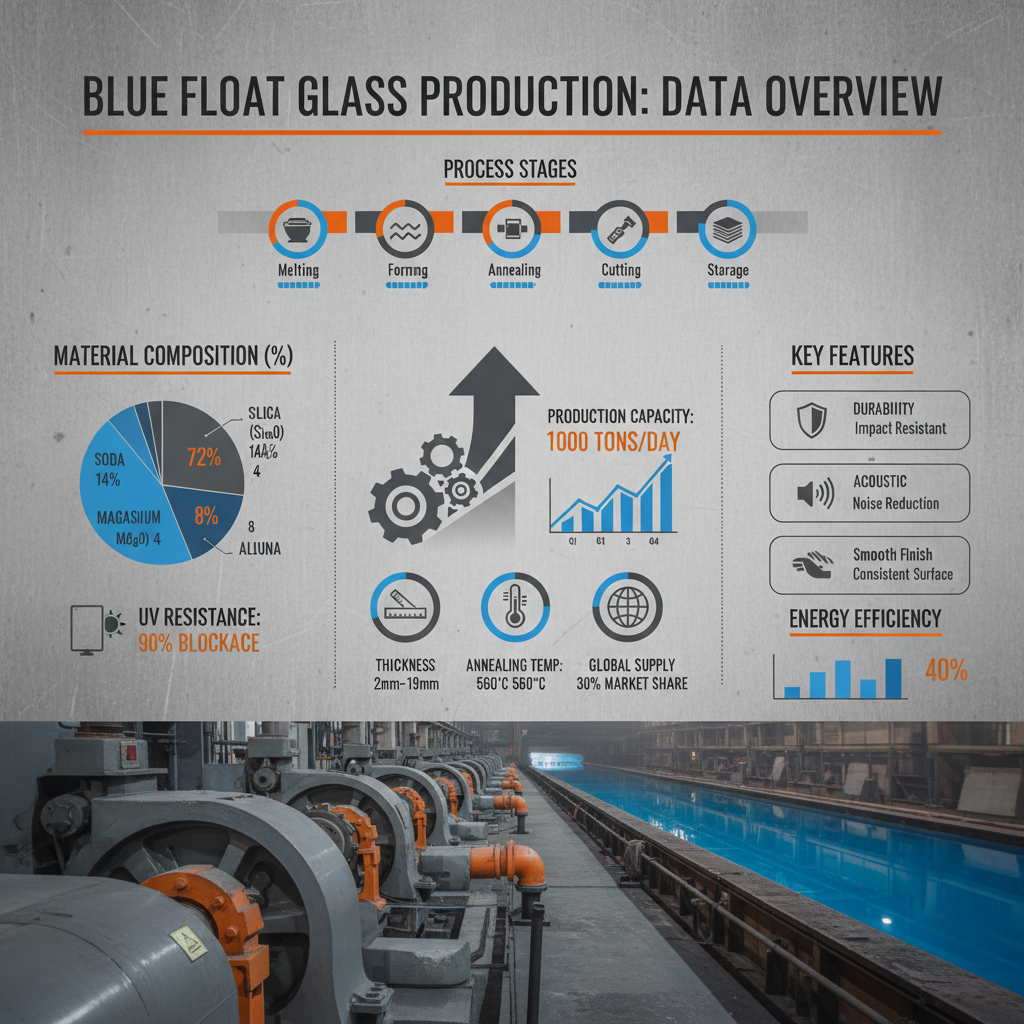
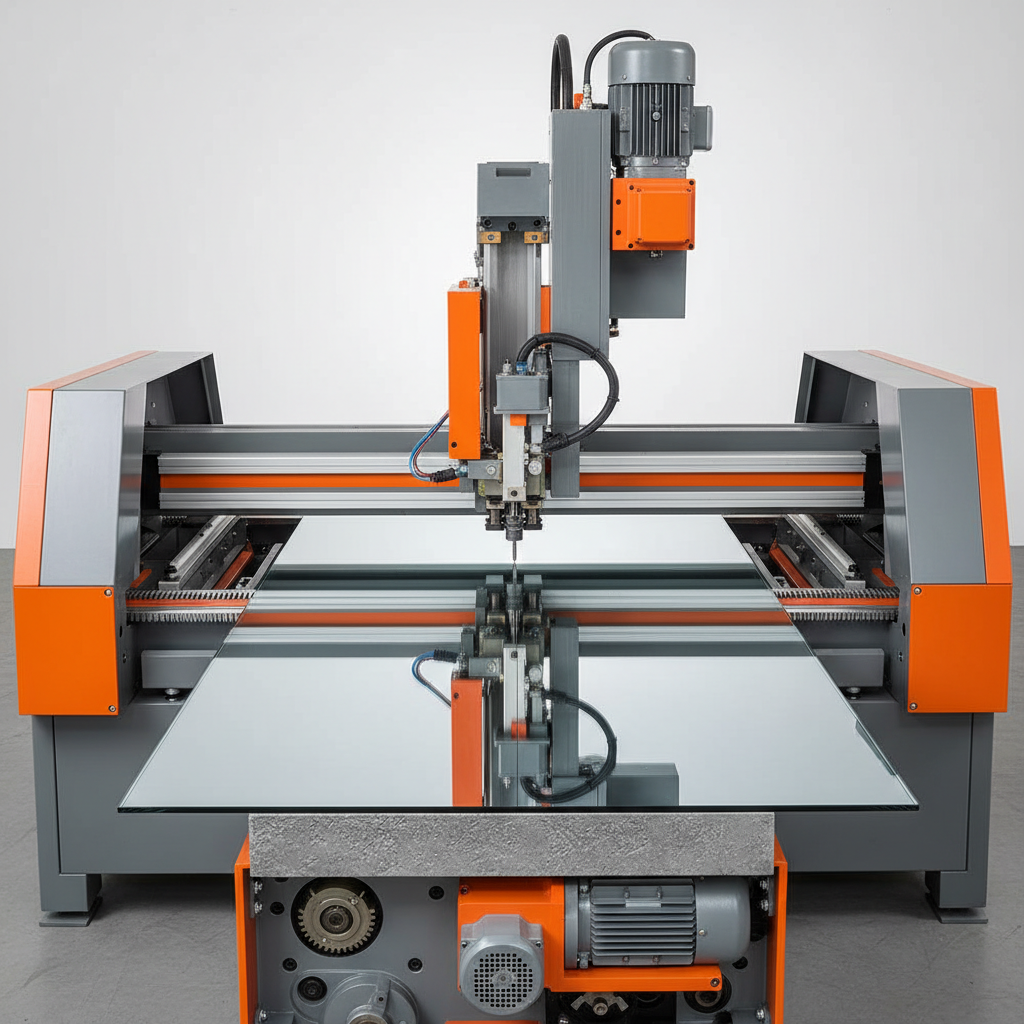
Blue float glass represents a significant advancement in materials science, impacting industries from construction and automotive to specialized optical applications. Its consistent quality, clarity, and versatility make it a fundamental component in modern infrastructure and product design. Understanding the nuances of blue float glass – its manufacturing, properties, and applications – is crucial for professionals and consumers alike, offering optimized solutions for diverse needs.
Globally, the demand for high-performance glass continues to rise, driven by urbanization, infrastructure development, and increasing standards for energy efficiency. Blue float glass stands out due to its unique aesthetic properties and ability to control light transmission, making it a preferred choice in architectural designs seeking both functionality and visual appeal. Addressing challenges in production scalability and sustainable sourcing is key to unlocking its full potential.
The widespread adoption of blue float glass is a testament to its inherent value. Its consistent quality and diverse applications contribute to safer, more energy-efficient, and aesthetically pleasing environments, solidifying its role in a rapidly evolving world.
Introduction to blue float glass
Blue float glass, a variation of standard float glass, distinguishes itself through the incorporation of metal oxides during the manufacturing process. This addition imparts a subtle blue hue while simultaneously altering the glass's light transmission properties. The resulting product is highly valued for its aesthetic qualities and its ability to reduce glare, making it ideal for a range of architectural and design applications.
This specialized glass isn't merely about aesthetics; it significantly impacts building performance. By selectively filtering light, blue float glass reduces solar heat gain, lowering energy consumption and improving indoor comfort. This contributes to more sustainable building practices and a reduction in carbon footprint, aligning with global environmental goals.
Global Relevance of blue float glass
The global market for float glass is substantial, with a projected value exceeding USD 200 billion by 2028, according to recent industry reports (source: Grand View Research). Within this market, specialty glass like blue float glass is experiencing increased demand due to growing awareness of its functional and aesthetic benefits. Regions undergoing rapid urbanization, particularly in Asia-Pacific, are driving significant growth in the sector.
ISO standards for glass quality, such as ISO 9001, play a crucial role in ensuring the consistency and reliability of blue float glass production globally. These standards dictate rigorous quality control measures throughout the manufacturing process, from raw material selection to final product inspection. Compliance with these standards is essential for manufacturers seeking to compete in international markets.
A key challenge facing the industry is balancing increasing demand with the need for sustainable manufacturing practices. The energy-intensive nature of glass production necessitates the development of innovative technologies to reduce carbon emissions and minimize environmental impact. The adoption of recycled glass and the exploration of alternative energy sources are critical steps towards achieving a more sustainable future for blue float glass production.
Defining blue float glass
Blue float glass is a type of sheet glass manufactured using the float process, where molten glass is floated on a bed of molten tin. The crucial difference lies in the addition of specific metal oxides, primarily cobalt, during the melting process. These oxides impart a distinctive blue tint to the glass, while also altering its light transmission and absorption characteristics. Blue float glass is fundamentally different from colored glass produced by surface coatings, offering a consistent color throughout its entire thickness.
This glass is deeply connected to modern industry due to its performance advantages. It's used extensively in architectural design to create visually striking facades, improve energy efficiency, and enhance occupant comfort. The ability to control light transmission also makes it valuable in automotive applications, where it can reduce glare and improve driver visibility.
Beyond purely practical applications, blue float glass serves a humanitarian purpose by enhancing the quality of life in buildings. Its calming aesthetic contributes to more pleasant and productive indoor environments, ultimately impacting well-being and contributing to a more positive built environment.
Core Properties of blue float glass
One of the key properties of blue float glass is its exceptional optical performance. The blue tint reduces glare and provides a subtle, yet effective, level of shading. This is particularly beneficial in buildings located in areas with high solar radiation, as it helps to maintain a comfortable indoor temperature and reduce the need for artificial lighting.
Durability is another defining characteristic. Like standard float glass, blue float glass is highly resistant to scratching, weathering, and chemical corrosion. This ensures a long service life, even in harsh environmental conditions. Its strength allows for use in a wide range of applications, from windows and doors to furniture and decorative elements.
blue float glass Property Comparison
Applications of blue float glass
In architectural design, blue float glass is frequently used in building facades, curtain walls, and windows. Its ability to reduce glare and provide a subtle aesthetic enhancement makes it a popular choice for commercial buildings, residential complexes, and public spaces. The glass creates a modern and sophisticated look, while also improving energy efficiency.
Automotive applications leverage the glare-reducing properties of blue float glass in windshields and side windows, enhancing driver visibility and safety. Interior design utilizes it for decorative elements such as furniture inlays, backsplashes, and partitions, adding a touch of elegance and sophistication to spaces.
Advantages of Utilizing blue float glass
The most tangible benefit of blue float glass is its contribution to energy savings. By reducing solar heat gain, it lowers the demand for air conditioning, resulting in lower energy bills and a smaller carbon footprint. This makes it a cost-effective and environmentally responsible choice for building owners and developers.
Beyond cost and sustainability, blue float glass offers significant aesthetic advantages. Its unique blue hue adds a touch of elegance and sophistication to any space, enhancing its visual appeal and creating a more inviting atmosphere. This can lead to increased property values and improved tenant satisfaction.
Future Trends in blue float glass Technology
Research and development efforts are focused on enhancing the performance characteristics of blue float glass through the incorporation of nanotechnology. Nanoparticles can be used to further improve its light transmission properties, increase its strength, and enhance its self-cleaning capabilities.
The integration of smart glass technologies with blue float glass is another promising trend. Smart glass can dynamically adjust its transparency in response to changing light conditions, providing even greater control over energy efficiency and occupant comfort. This opens up new possibilities for creating truly intelligent and responsive building environments.
Sustainable manufacturing processes are also gaining traction, with companies exploring the use of recycled glass and alternative energy sources to reduce the environmental impact of production. This aligns with the growing global demand for eco-friendly building materials and promotes a circular economy.
Challenges and Solutions in blue float glass Implementation
One of the primary challenges in working with blue float glass is the potential for increased cost compared to standard float glass, due to the specialized manufacturing process and the use of cobalt oxide. This can be a barrier for projects with tight budgets.
Another challenge lies in maintaining color consistency across large batches of glass. Subtle variations in the cobalt oxide concentration can lead to noticeable differences in hue, which can be undesirable in architectural applications. Careful quality control and precise manufacturing processes are crucial to mitigating this risk.
Solutions include optimizing manufacturing processes to reduce cobalt oxide usage, exploring alternative coloring agents, and implementing robust quality control measures to ensure consistent color across all products. Government incentives and tax breaks can also help to offset the higher cost of blue float glass, encouraging its adoption in sustainable building projects.
Summary of Challenges and Solutions for blue float glass
| Challenge |
Impact on Project |
Potential Solution |
Implementation Cost |
| High Production Cost |
Increased Project Budget |
Process Optimization & Material Substitution |
Medium |
| Color Inconsistency |
Aesthetic Issues & Client Dissatisfaction |
Stringent Quality Control & Batch Testing |
Low to Medium |
| Limited Supplier Availability |
Long Lead Times & Supply Chain Disruptions |
Diversifying Supplier Network |
Low |
| Complexity in Fabrication |
Increased Labor Costs & Fabrication Errors |
Specialized Training for Fabricators |
Medium |
| Transportation Challenges |
Damage During Transit & Increased Shipping Costs |
Protective Packaging & Careful Handling |
Low |
| Perception of Limited Applications |
Underexploited Potential & Missed Opportunities |
Marketing & Education on Diverse Uses |
Low to Medium |
FAQS
Blue float glass offers several advantages for commercial buildings. Its primary benefit is reducing glare and solar heat gain, leading to improved occupant comfort and lower energy costs. The aesthetic appeal also enhances the building’s visual identity, potentially increasing property value. Furthermore, it contributes to LEED certification points due to its energy efficiency, making buildings more sustainable.
While both blue float glass and tinted glass reduce glare and heat gain, blue float glass offers a more consistent and natural aesthetic. Tinted glass can sometimes appear overly dark or alter color perception. Cost-wise, blue float glass is generally more expensive due to the specialized manufacturing process, but the performance benefits and aesthetic value often justify the investment.
Blue float glass is versatile, but its suitability depends on the specific climate and building orientation. It’s particularly effective in sunny climates and for east- or west-facing facades where solar heat gain is high. In colder climates, its heat-reducing properties might require balancing with adequate insulation to prevent heat loss. A professional glass consultant can assess the best application for a given project.
Blue float glass has a long lifespan, typically exceeding 20 years with proper care. Maintenance is minimal – regular cleaning with standard glass cleaner is usually sufficient. Avoid abrasive cleaners that could scratch the surface. In coastal areas, occasional cleaning to remove salt buildup may be necessary to maintain optimal clarity and performance.
Building codes and regulations vary by location. It’s essential to check local building codes to ensure that the blue float glass meets safety requirements, such as impact resistance and fire ratings. Energy efficiency standards may also dictate the type of glazing allowed, and blue float glass can often contribute to meeting those standards.
Yes, blue float glass is recyclable. Glass is 100% recyclable, and can be crushed and used as a raw material in the production of new glass products, including more blue float glass. This contributes to a circular economy and reduces the environmental impact of glass waste. Check with local recycling facilities for specific guidelines.
Conclusion
Blue float glass represents a powerful intersection of aesthetics, performance, and sustainability. Its ability to reduce glare, improve energy efficiency, and enhance building design makes it a valuable asset in modern construction and interior design. From reducing energy consumption and costs to improving occupant comfort and well-being, the benefits are far-reaching.
As technology continues to advance, we can expect even more innovative applications of blue float glass, including smart glass integrations and enhanced performance characteristics. Continued research and development, combined with a commitment to sustainable manufacturing practices, will unlock its full potential, making it an increasingly important material in shaping the future of the built environment. Explore the possibilities and discover how blue float glass can elevate your next project. Visit our website: www.wangmeiglass.com