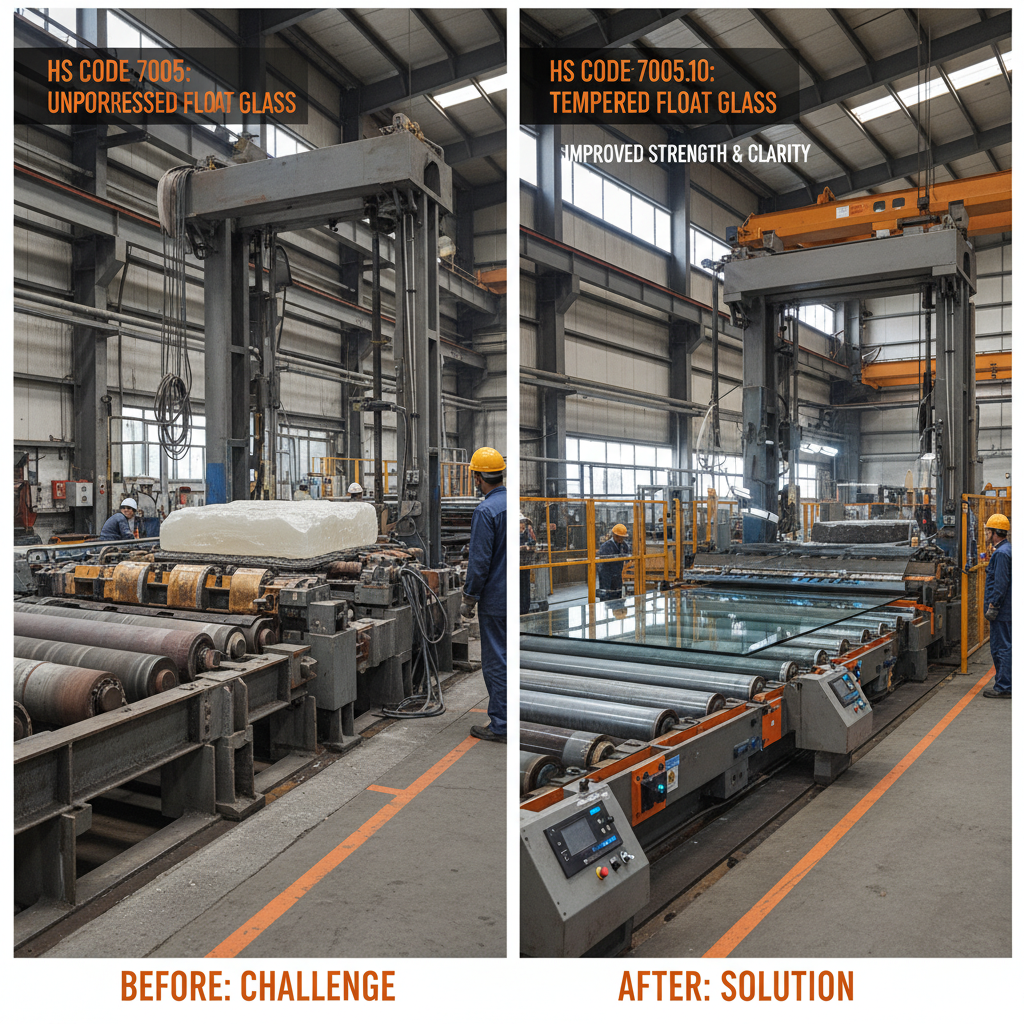
Float glass cut to size is a fundamental element in modern construction and various industries globally. Its versatility, stemming from the precise manufacturing process and ability to be tailored to specific dimensions, makes it indispensable. From architectural glazing to automotive windshields and specialized scientific instruments, the demand for custom-cut float glass continues to grow, driving innovation in production techniques and application methods. Understanding the nuances of float glass cut to size is crucial for professionals in these sectors, ensuring optimal performance, safety, and cost-effectiveness.
The global market for float glass, and consequently, float glass cut to size, is substantial and constantly evolving. According to industry reports, the glass market was valued at over USD 134.8 billion in 2023 and is projected to reach USD 179.8 billion by 2030. This growth is fueled by increasing construction activities, particularly in emerging economies, and the rising demand for energy-efficient building materials. This signifies a crucial role for businesses that specialize in providing bespoke glass solutions.
The increasing complexity of architectural designs and the stringent safety regulations surrounding glazing further elevate the importance of precise and reliable float glass cut to size services. Companies are now focusing on advanced cutting technologies, such as CNC machines and waterjet cutting, to meet these demands. This emphasizes the need for specialized expertise and quality control throughout the production process.
Defining Float Glass Cut to Size
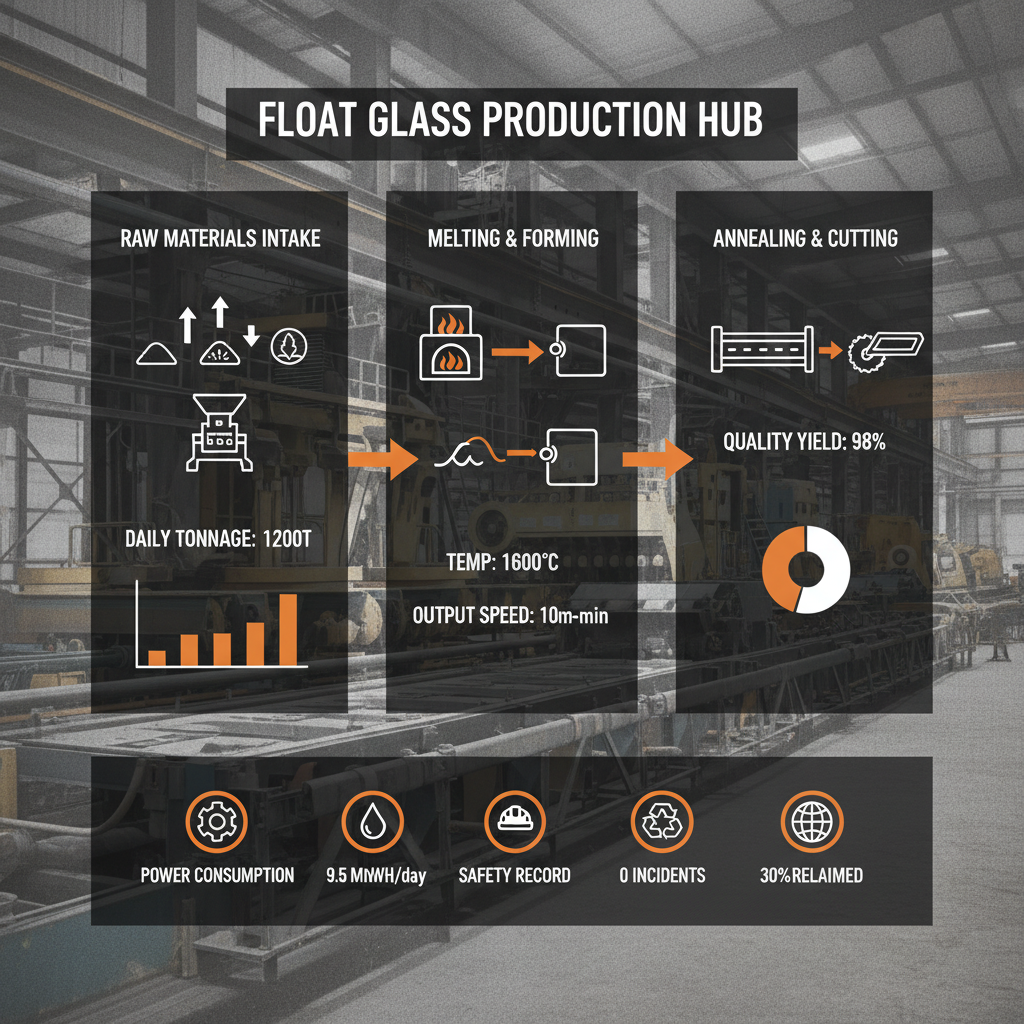
Float glass cut to size refers to the process of precisely cutting standard float glass sheets into custom dimensions according to specific client requirements. Float glass itself is manufactured using the float process, where molten glass is floated on a bed of molten tin, creating a perfectly flat and uniform surface. This inherent quality, combined with the ability to be precisely cut, makes it suitable for a vast range of applications.
This process isn't merely about reducing glass sheets to smaller sizes; it's about enabling architectural visions, ensuring safety standards are met, and optimizing material usage. It plays a critical role in a multitude of industries, from construction and automotive to interior design and specialized manufacturing, offering tailored solutions where standard sizes fall short.
Global Relevance and Industry Context
The demand for float glass cut to size is intricately linked to global construction trends and infrastructural development. Rapid urbanization, particularly in Asia-Pacific and developing countries, is driving a surge in building construction, creating a significant demand for high-quality glazing solutions. The ISO standards for glass quality and safety, combined with regional building codes, mandate precise cutting and finishing, further emphasizing the importance of specialized services.
Beyond construction, the automotive industry is a major consumer of float glass cut to size, utilizing it for windshields, side windows, and rear screens. The increasing focus on vehicle safety and fuel efficiency necessitates the use of lightweight, high-strength glass, often requiring custom shapes and sizes. The aerospace and marine industries also demand precise glass components, further broadening the scope of this market.
A key challenge lies in ensuring consistent quality and timely delivery amidst fluctuating raw material costs and global supply chain disruptions. Companies that can offer reliable sourcing, efficient cutting processes, and streamlined logistics are best positioned to thrive in this dynamic environment. This requires continual investment in technology and skilled personnel.
Understanding the Manufacturing Process
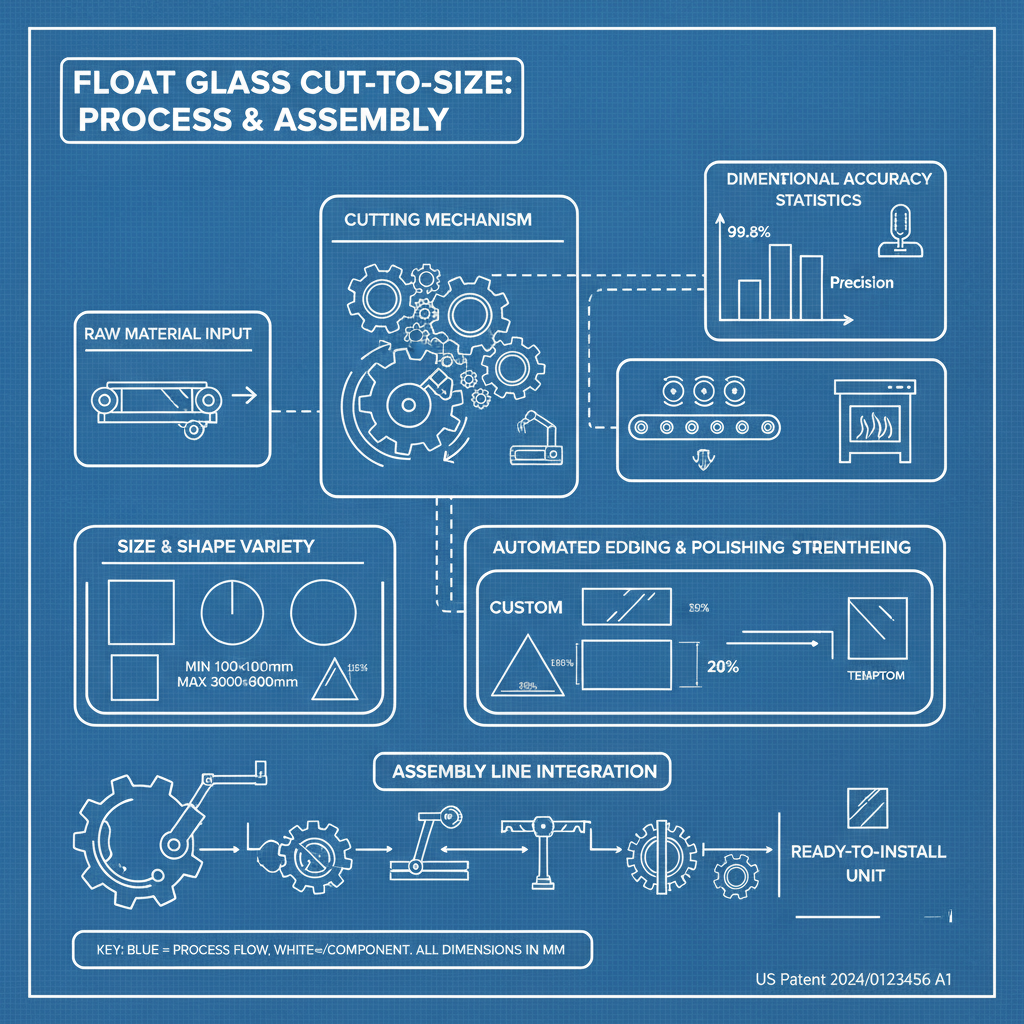
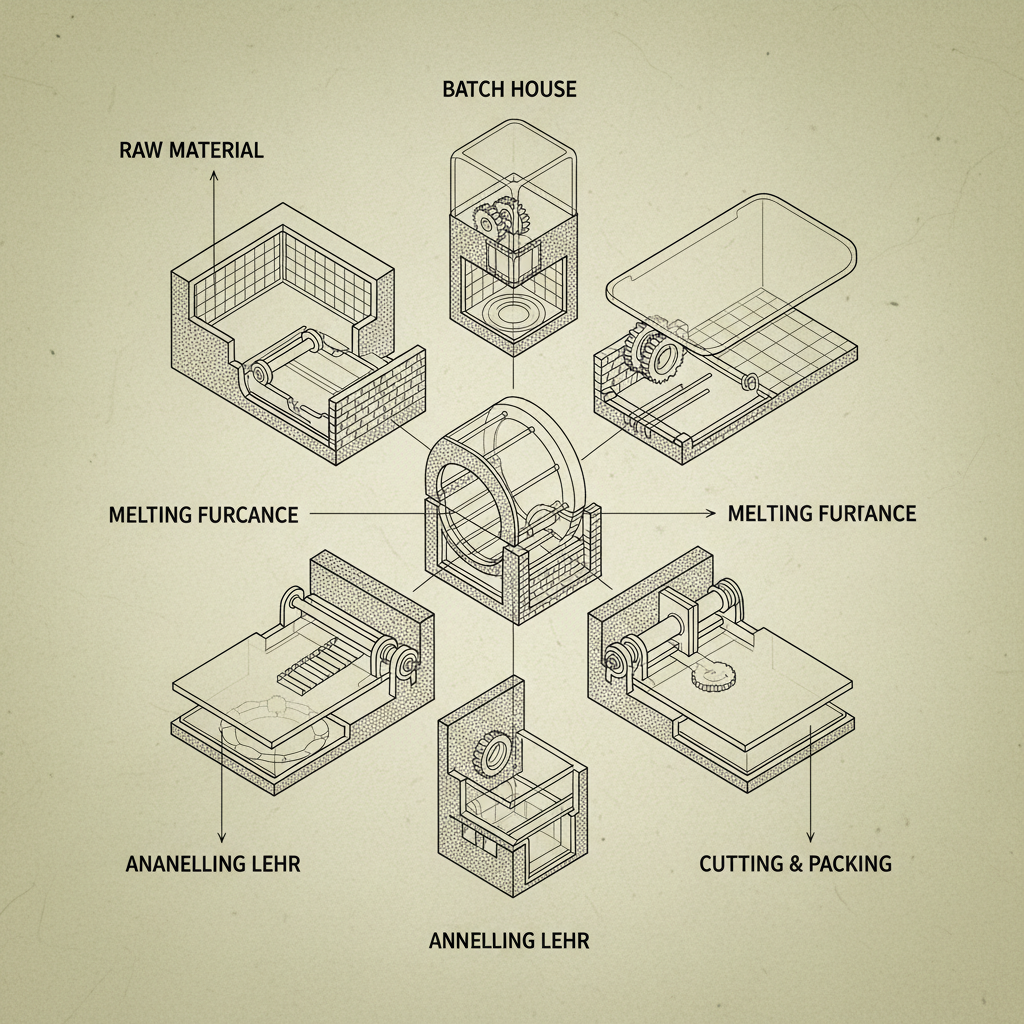
The manufacturing of float glass cut to size begins with the standard float glass production process. Once the glass sheet is cooled and inspected for quality, it undergoes a precise cutting phase. Modern cutting techniques include diamond wheel cutting, CNC cutting, and waterjet cutting, each offering varying levels of precision and suitability for different glass thicknesses and complexities.
CNC cutting, in particular, has revolutionized the industry, enabling automated and highly accurate cutting of intricate shapes. Waterjet cutting, which uses a high-pressure stream of water mixed with abrasive particles, is ideal for cutting thick or fragile glass without causing thermal stress. Edge finishing processes, such as grinding, polishing, and beveling, are then applied to ensure smooth and safe edges.
Quality control is paramount throughout the entire process. Each piece of cut glass is meticulously inspected for dimensions, edge quality, and defects before being packaged and shipped. Traceability is also crucial, allowing manufacturers to track the origin of the glass and the cutting parameters used, ensuring accountability and enabling continuous improvement.
Core Properties and Advantages
Float glass cut to size boasts several key properties that contribute to its widespread adoption. These include high optical clarity, excellent flatness, and superior strength. Its inherent smoothness provides exceptional light transmission, making it ideal for glazing applications where visual clarity is paramount.
The advantages extend beyond these inherent properties. The ability to customize glass dimensions minimizes waste, reduces installation time, and allows for greater design flexibility. This cost-effectiveness, combined with the material's durability and ease of maintenance, makes it a compelling choice for a wide range of projects.
Performance Metrics of Different float glass cut to size Methods
Diverse Applications Across Industries
The applications of float glass cut to size are remarkably diverse. In the construction industry, it's used for windows, doors, curtain walls, and interior partitions. Architects increasingly favor custom glass solutions to create unique and aesthetically pleasing building facades. Furthermore, the demand for energy-efficient glass, such as low-E glass, is driving innovation in cutting techniques.
The automotive sector relies heavily on float glass cut to size for windshields, side windows, and rear windows. These components must meet stringent safety standards, including impact resistance and clarity. The furniture industry utilizes it for tabletops, shelving, and decorative elements. Specialized applications include laboratory glassware, scientific instruments, and display cases.
Long-Term Value and Sustainability
Investing in high-quality float glass cut to size provides long-term value through its durability, energy efficiency, and reduced maintenance requirements. Glass is a recyclable material, and advancements in glass recycling technologies are further enhancing its sustainability profile. Choosing reputable suppliers who prioritize responsible manufacturing practices contributes to a circular economy.
From a social impact perspective, safe and reliable glazing solutions contribute to healthier and more comfortable living and working environments. The use of energy-efficient glass reduces energy consumption, lowering carbon emissions and mitigating climate change. The aesthetic appeal of glass enhances the quality of life and fosters a sense of well-being.
Future Trends and Innovations in Glass Cutting
The future of float glass cut to size is marked by several key trends. Advanced cutting technologies, such as laser cutting and ultrasonic cutting, are gaining traction, offering even greater precision and efficiency. The integration of artificial intelligence (AI) and machine learning (ML) into cutting processes is enabling automated optimization and defect detection.
The development of smart glass, which can change its transparency and reflectivity in response to external stimuli, is creating new opportunities for customized glazing solutions. Furthermore, research into sustainable glass materials, such as bio-based glass and recycled glass, is gaining momentum, promising a more environmentally friendly future for the industry.
Digitalization, including Building Information Modeling (BIM) and cloud-based collaboration platforms, is streamlining the entire supply chain, from design and fabrication to installation and maintenance. This enhances communication, reduces errors, and improves project efficiency.
Analysis of Challenges and Solutions in the Float Glass Cut to Size Industry
| Challenge |
Impact on float glass cut to size |
Potential Solution |
Implementation Cost (1-10) |
| Raw Material Price Volatility |
Increased production costs and reduced profit margins. |
Long-term supply contracts, diversification of suppliers. |
6 |
| Skilled Labor Shortage |
Difficulty maintaining quality and meeting demand. |
Investment in training programs and automation. |
7 |
| Tight Delivery Deadlines |
Increased pressure on production and logistics. |
Optimized production scheduling, streamlined logistics. |
5 |
| Waste Generation |
Environmental impact and increased disposal costs. |
Improved cutting algorithms, glass recycling programs. |
4 |
| Quality Control Issues |
Customer dissatisfaction and product returns. |
Automated inspection systems, rigorous quality standards. |
8 |
| Supply Chain Disruptions |
Delays in production and delivery. |
Diversified sourcing, strategic inventory management. |
6 |
FAQS
The turnaround time for custom float glass cut to size typically ranges from 3 to 7 business days, depending on the complexity of the cuts, the quantity ordered, and our current production schedule. Rush orders are available for an additional fee. We strive to provide accurate lead times during the quoting process and keep customers informed of any potential delays. Factors such as glass thickness, edge work requirements, and specialized coatings can influence the overall processing time.
We can cut float glass in a wide range of thicknesses, generally from 2mm to 19mm. We routinely handle common thicknesses such as 3mm, 4mm, 6mm, 8mm, 10mm, and 12mm. For thicknesses outside of this range, please contact us to discuss feasibility and pricing. The cutting process is adjusted based on glass thickness to ensure clean, accurate cuts without breakage.
Yes, we offer a comprehensive range of edge work options, including seaming, grinding, polishing, beveling, and pencil polishing. Edge work enhances the appearance and safety of the glass, eliminating sharp edges and providing a professional finish. The choice of edge work depends on the application and desired aesthetic. We can advise on the best option for your specific needs.
We accept a variety of file formats for custom cut designs, including .DWG, .DXF, .AI, and .PDF. We prefer vector-based files for optimal accuracy. For simpler shapes, a detailed sketch with accurate dimensions may be sufficient. Please ensure that all files are clearly labeled and include any relevant specifications, such as glass thickness and edge work requirements.
While we specialize in cutting float glass, we partner with local glass tempering and lamination facilities to offer comprehensive solutions. We can coordinate the entire process, from cutting to tempering or lamination, to ensure a seamless experience for our customers. Tempering increases the strength of the glass, while lamination adds a layer of safety by holding the glass together if it breaks.
We take full responsibility for ensuring the accuracy of our cuts. In the unlikely event of damage during processing or an incorrect cut due to our error, we will promptly replace the glass at no additional cost. We require photographic evidence of the damage or error before processing a replacement. We carefully inspect all glass before packaging to minimize the risk of damage during transit.
Conclusion
Float glass cut to size remains an indispensable component across a diverse range of industries, offering unparalleled versatility, precision, and value. From enabling architectural innovation to enhancing safety standards in automotive applications and beyond, its significance continues to grow alongside evolving technological advancements and sustainability initiatives. The ability to customize glass dimensions minimizes waste, optimizes material usage, and unlocks design possibilities previously unattainable.
Looking ahead, continued investment in advanced cutting technologies, coupled with a commitment to sustainable manufacturing practices, will further solidify the role of float glass cut to size in shaping a more efficient, safe, and aesthetically pleasing future. For all your custom glass needs, visit our website today at www.wangmeiglass.com.