The Harmonized System (HS) code for float glass is a crucial element in international trade, offering a standardized method for classifying products. Understanding the intricacies of the float glass hs code is vital for businesses involved in import and export, ensuring accurate tariff calculations, trade statistics, and compliance with regulations. Its relevance extends to monitoring global trade flows, facilitating economic analysis, and implementing trade policies effectively.
Globally, the float glass industry is a multi-billion dollar market, with significant production and consumption concentrated in Asia, Europe, and North America. Accurate HS code classification of float glass – encompassing various thicknesses, coatings, and applications – is paramount for efficient customs clearance and avoiding costly delays. The World Customs Organization (WCO) maintains and updates the HS nomenclature, impacting how float glass is categorized and taxed worldwide.
In a world increasingly reliant on transparent materials for construction, automotive, and renewable energy sectors, a clear understanding of the float glass hs code is no longer just a logistical necessity; it's a strategic advantage. Properly classifying float glass facilitates smoother international transactions, reduces trade friction, and supports the growth of a global industry that underpins numerous vital economic activities.
Defining and Understanding the float glass hs code
The float glass hs code is a six to ten-digit code used to classify float glass for customs and trade purposes. These codes are standardized internationally by the World Customs Organization (WCO) and are essential for determining tariffs, collecting trade statistics, and enforcing trade regulations. The core classification falls under Chapter 70 of the Harmonized System, encompassing glass and glassware.
This standardization is critical for the modern global economy. Without a consistent system like the HS code for float glass, tracking trade volumes, calculating duties accurately, and ensuring fair trade practices would be significantly more challenging. The system facilitates seamless movement of goods across borders, supporting both manufacturers and consumers.
The Global Context of float glass hs code
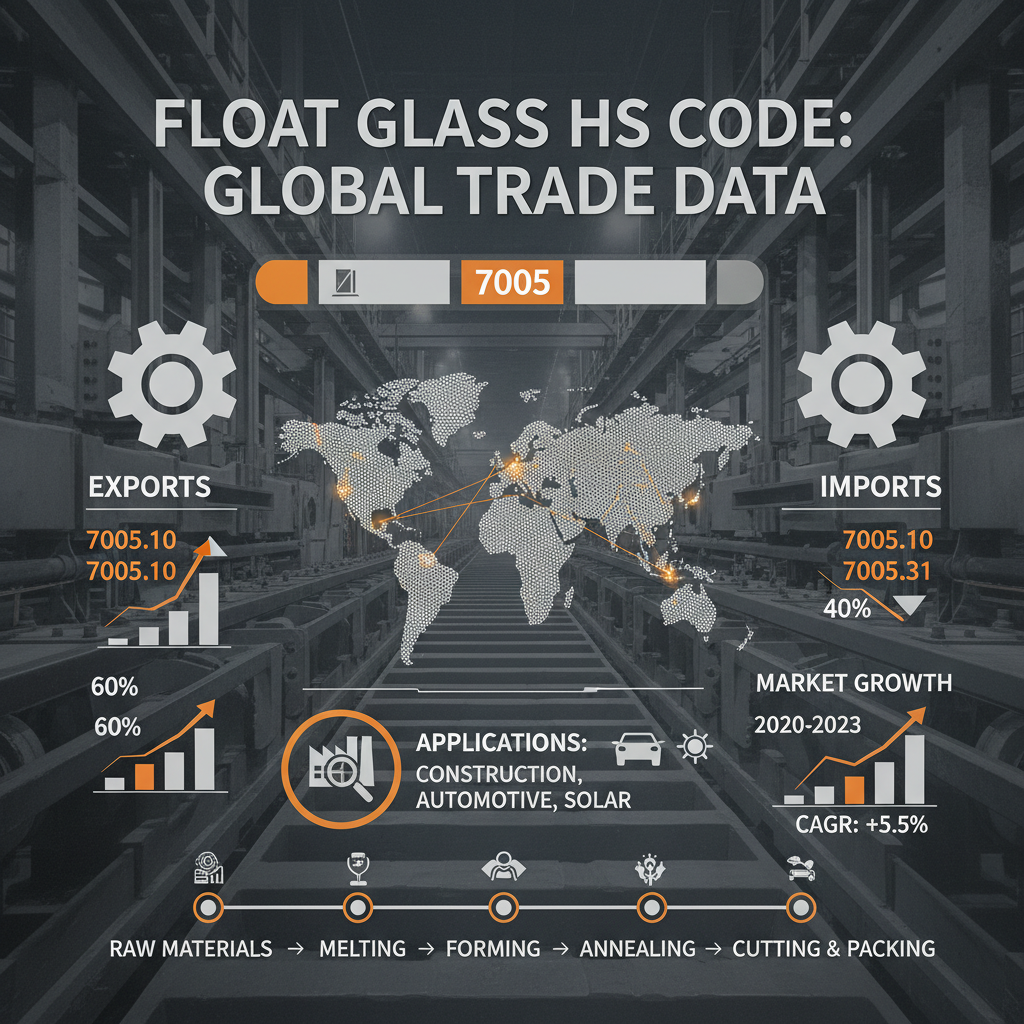
The float glass industry is a significant component of the global manufacturing landscape, with production heavily concentrated in China, followed by other Asian countries, Europe, and North America. Accurate application of the float glass hs code is therefore vital for monitoring international trade patterns in this sector. Data published by organizations like the United Nations Comtrade database rely on these classifications to track import and export values.
Variations in national tariff schedules built upon the HS code can create complexities. While the base HS code is standardized, individual countries may add further subdivisions for specific product characteristics or implement different duty rates. Staying informed about these national variations is crucial for businesses engaged in international trade.
The increasing focus on sustainable manufacturing and the use of recycled materials in float glass production further highlights the importance of precise HS code classification. It impacts policies related to environmental levies, import restrictions on certain materials, and the promotion of circular economy practices.
Decoding the float glass hs code System
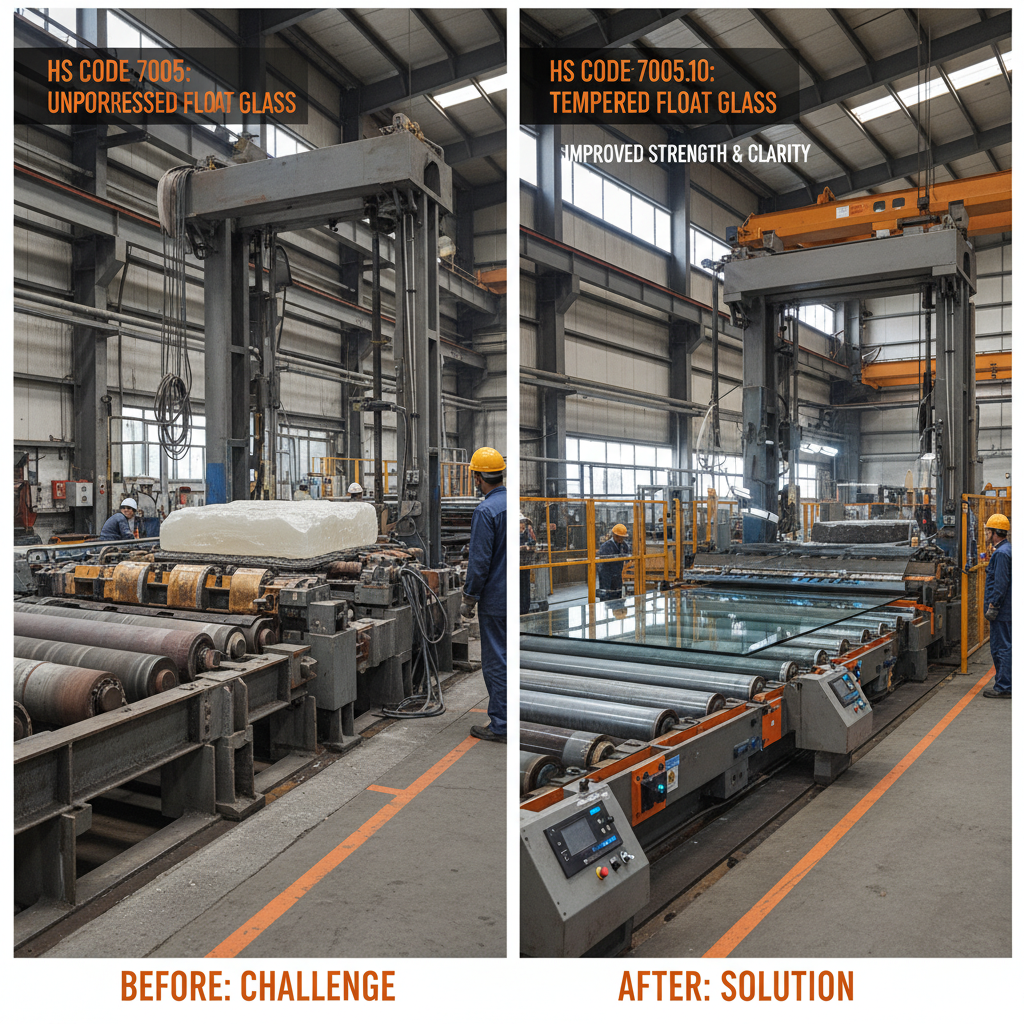
The HS code for float glass typically begins with '7005', indicating flat glass and mirrors. Subsequent digits provide more specific details about the type of glass – its thickness, surface treatment (coated or uncoated), and intended use. For example, float glass hs code 7005.10 refers to non-coated float glass, while 7005.20 covers coated float glass.
Understanding the nuances within these subcategories is essential. The classification can change depending on whether the glass is tempered, laminated, or otherwise processed. Features such as low-emissivity (Low-E) coatings or anti-reflective treatments will also impact the applicable HS code. Misclassification can lead to incorrect duty assessments and potential penalties.
The WCO periodically updates the HS nomenclature to reflect changes in technology and trade patterns. Staying current with these revisions is vital for ensuring ongoing compliance. Regularly consulting official HS code directories and seeking expert guidance from customs brokers can help businesses navigate this complex system effectively.
Key Factors Influencing float glass hs code Classification
Several factors determine the correct float glass hs code for a given product. Thickness is a primary consideration, with different codes applying to thin glass (used in displays) versus thicker glass (used in construction). Surface treatment – whether the glass is coated, tempered, laminated, or etched – also significantly impacts the classification.
The intended use of the glass plays a critical role. For instance, glass specifically manufactured for automotive applications may fall under a different HS code than glass intended for architectural purposes. Transparency and optical properties, along with any special functionalities (like fire resistance), contribute to precise categorization.
Classification Factors Impact on float glass hs code Accuracy
Applications and Use Cases of the float glass hs code
The float glass hs code is used across a wide spectrum of industries, including construction, automotive, solar energy, and consumer electronics. In construction, it’s crucial for classifying glass used in windows, facades, and interior partitions. The automotive industry relies on it for classifying windshields, side windows, and rear glass.
The growing demand for solar panels necessitates accurate HS code classification of specialized glass used in photovoltaic modules. Similarly, the electronics industry relies on it for classifying glass used in displays, touchscreens, and other components.
Advantages of Accurate float glass hs code Application
Accurate application of the float glass hs code offers numerous benefits. It streamlines customs clearance, reduces the risk of delays and penalties, and ensures correct duty assessments. This efficiency translates to lower costs for businesses and faster delivery times for customers.
Furthermore, accurate HS code data contributes to better trade statistics, enabling governments and industry analysts to monitor market trends, formulate trade policies, and make informed decisions. It also fosters trust and transparency in international trade relationships.
Future Trends and Challenges in float glass hs code
The increasing complexity of float glass products – driven by innovations in coatings, laminations, and functionalities – presents ongoing challenges for accurate HS code classification. The rise of e-commerce and direct-to-consumer sales also adds complexity, as shipments are often smaller and more frequent.
Looking ahead, advancements in artificial intelligence and machine learning may offer solutions for automating HS code classification. However, human expertise will remain crucial for handling ambiguous cases and ensuring compliance with evolving regulations. The move towards greater sustainability and the circular economy will likely require refinements to the HS code to better reflect the environmental characteristics of float glass products.
Summary of Key Challenges and Solutions in float glass hs code Application
| Challenge |
Impact on Trade |
Potential Solution |
Implementation Complexity |
| Complex Product Specifications |
Misclassification and Incorrect Duties |
AI-Powered Classification Tools |
Medium |
| Evolving HS Nomenclature |
Compliance Risks |
Regular Training and Updates |
Low |
| National Tariff Variations |
Trade Barriers |
Harmonized Duty Schedules |
High |
| Increased E-Commerce Shipments |
Strain on Customs Resources |
Automated Customs Processes |
Medium |
| Sustainability Considerations |
Lack of Classification for Recycled Glass |
HS Code Revisions for Sustainable Materials |
High |
| Lack of Expertise |
Increased Risk of Errors |
Collaboration with Customs Brokers |
Low |
FAQS
The primary purpose of the float glass hs code is to provide a standardized system for classifying float glass for international trade. This enables governments to accurately assess tariffs and collect trade statistics, while also helping businesses comply with import and export regulations. A precise HS code ensures smooth customs clearance and minimizes trade barriers.
The World Customs Organization (WCO) typically reviews and updates the Harmonized System, including the float glass hs code, every five years. These revisions reflect changes in technology, trade patterns, and emerging products. It’s crucial for businesses to stay informed about these updates to ensure ongoing compliance and avoid misclassification.
7005.10 refers to non-coated float glass, meaning it has not undergone any surface treatment for specialized properties. 7005.20, on the other hand, covers coated float glass – glass that has been treated with coatings to enhance its characteristics, such as Low-E coatings for energy efficiency or anti-reflective coatings for visual clarity.
Misclassifying the float glass hs code can result in several issues. You may face incorrect duty assessments, leading to underpayment or overpayment of tariffs. Customs authorities might impose penalties, delays in clearance, and even legal repercussions. Accurate classification is essential to avoid these problems.
Yes, several resources can assist in determining the correct float glass hs code. The WCO website provides access to the official HS nomenclature. Additionally, many customs brokers and trade compliance software providers offer HS code lookup tools and classification services. These tools can simplify the process and ensure accuracy.
The float glass hs code is fundamental to import/export regulations. It determines the applicable tariffs, trade restrictions, and required documentation for shipping float glass across international borders. Accurate classification ensures compliance with customs laws and facilitates the smooth flow of goods.
Conclusion
In conclusion, the float glass hs code is far more than a simple classification system. It’s the backbone of international trade in this critical material, influencing everything from tariff calculations to global trade statistics. Understanding its nuances, staying updated with revisions, and applying it accurately are essential for businesses operating in the global marketplace.
Looking ahead, embracing technological advancements like AI-powered classification tools and prioritizing ongoing education will be crucial to navigating the complexities of the HS code system. Accurate classification not only ensures compliance but also unlocks opportunities for streamlined trade, reduced costs, and sustainable growth in the global float glass industry. Visit our website at www.wangmeiglass.com to learn more.