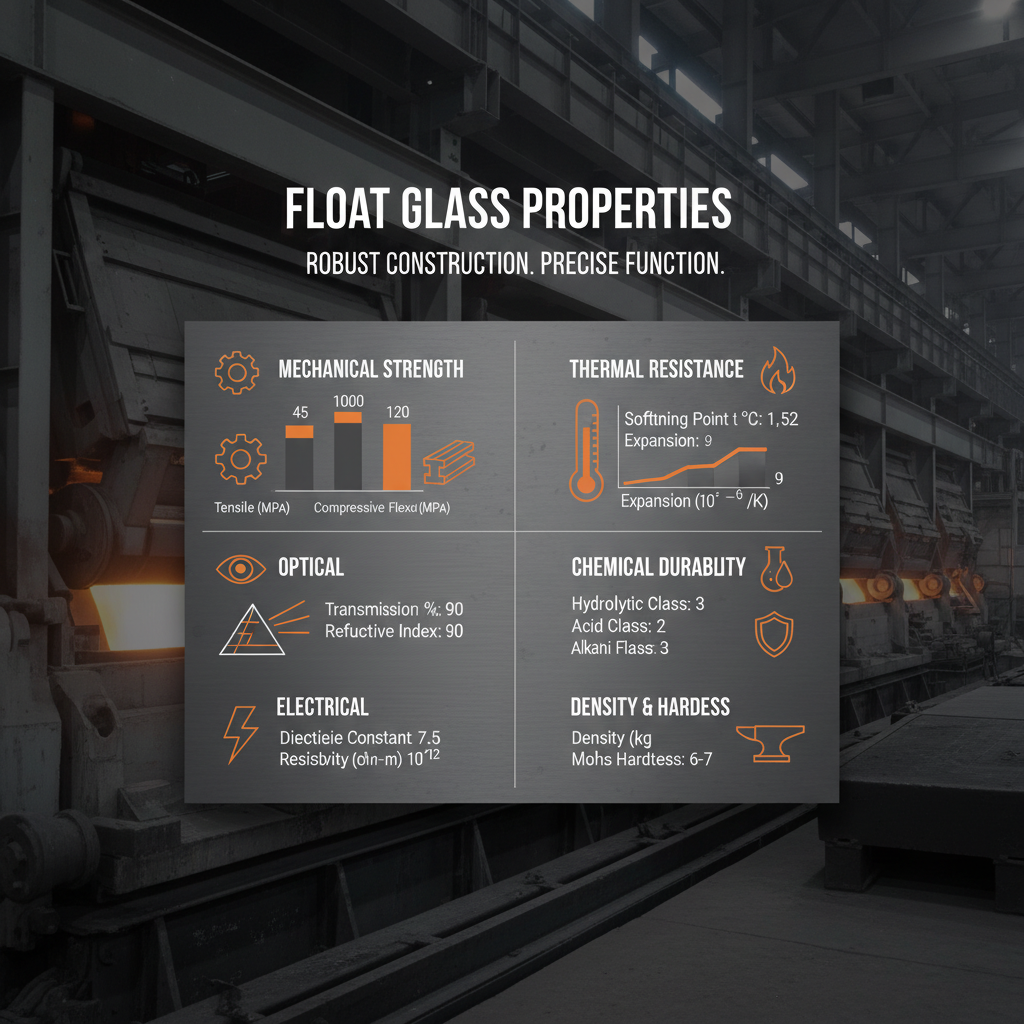
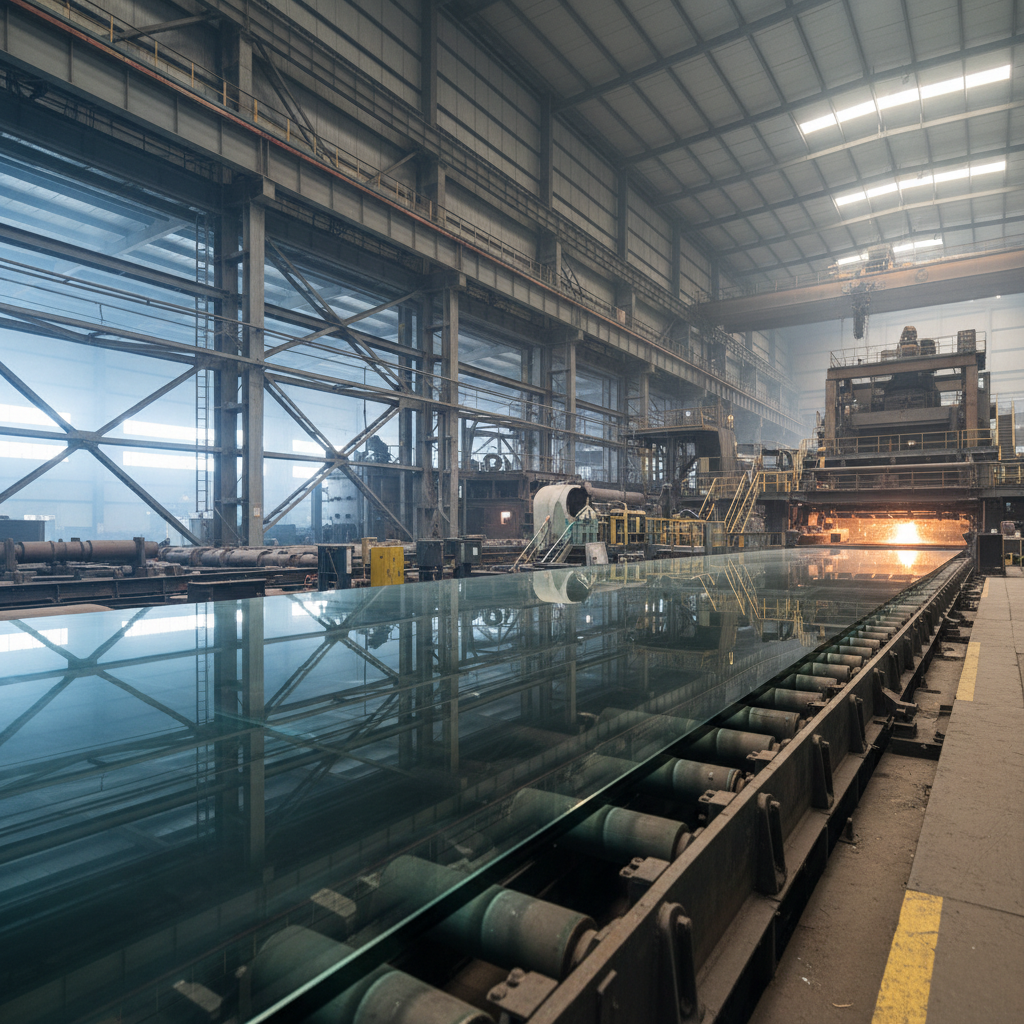
Float glass properties are fundamental to a vast array of modern applications, ranging from architectural glazing to sophisticated optical instruments. Understanding these properties – including optical clarity, thermal resistance, and mechanical strength – is crucial for engineers, architects, and manufacturers alike. The global demand for high-quality float glass continues to rise, driven by urbanization and a growing emphasis on energy efficiency in buildings.
The manufacturing process of float glass, developed in the 1950s, revolutionized the glass industry, enabling the production of flat, flawless glass on a massive scale. This process directly impacts the resulting float glass properties, influencing everything from its aesthetic appeal to its structural integrity. Consequently, meticulous control over the float glass properties is vital for meeting stringent industry standards and ensuring product performance.
The significance of studying float glass properties extends beyond mere material science; it directly impacts safety, sustainability, and innovation in diverse sectors. As building codes become more demanding and consumer expectations increase, continued research and development in this area are essential to unlocking new possibilities and addressing emerging challenges.
Introduction to Float Glass Properties
Float glass, a remarkably versatile material, boasts a unique set of properties that make it indispensable across numerous industries. These float glass properties aren’t simply inherent to the material; they’re carefully engineered during the manufacturing process, influencing its performance in diverse applications.
From the clarity that defines architectural windows to the strength that safeguards automotive safety, understanding these properties is paramount. Factors like chemical composition, cooling rate, and annealing processes all contribute to the final characteristics of the float glass, dictating its suitability for specific uses.
Global Relevance and Industry Context
The global float glass market is a multi-billion dollar industry, deeply intertwined with the construction, automotive, and renewable energy sectors. According to the UN, global urbanization is projected to continue at a rapid pace, driving significant demand for building materials, including high-performance glass. The ISO standards for glass quality (ISO 9001, ISO 14001) further emphasize the importance of consistent and reliable float glass properties.
One of the biggest challenges the industry faces is balancing cost efficiency with increasingly stringent environmental regulations. Reducing the carbon footprint of glass production and developing more sustainable glass compositions are key priorities. Furthermore, the demand for specialized glass – such as low-emissivity (low-E) glass and solar control glass – is growing, requiring innovative approaches to manipulate float glass properties.
The rise of smart buildings and the Internet of Things (IoT) also present new opportunities and challenges. Integrating glass with sensors and other technologies demands a thorough understanding of how different float glass properties impact functionality and durability.
Defining Float Glass Properties
Float glass properties encompass a broad range of physical, chemical, and optical characteristics. Simply put, float glass is manufactured by floating molten glass on a bed of molten tin, creating a perfectly flat surface. This process imparts exceptional smoothness and uniformity, which directly contribute to its superior optical clarity and dimensional accuracy.
These properties are critical not only to industrial applications but also to advancements in architectural design and renewable energy technologies. For instance, the thermal properties of float glass determine its energy efficiency in buildings, while its optical properties influence the performance of solar panels. The ability to tailor float glass properties to specific needs is a defining feature of modern glass manufacturing.
Understanding these properties is essential for addressing current and future global needs, from improving building insulation to enhancing the efficiency of renewable energy systems. The careful manipulation of float glass properties allows for the creation of materials that are not only aesthetically pleasing but also functionally superior.
Key Factors Influencing Float Glass Properties
Several key factors govern the final float glass properties. First, chemical composition is crucial. Different additives, such as silica, soda ash, and lime, influence the glass's melting point, viscosity, and chemical resistance. Secondly, thermal processing – including annealing and tempering – significantly impacts the glass's strength and thermal shock resistance.
Thirdly, surface quality, achieved through precise control of the float process, determines optical clarity and reflectivity. Fourthly, glass thickness directly influences its structural integrity and sound insulation capabilities. These factors interact, and a precise understanding of their interplay is vital for achieving desired properties.
Comparative Analysis of Float Glass Properties Methods
Global Applications and Use Cases
The applications of float glass are remarkably diverse. In the construction industry, it’s used extensively for windows, facades, and interior partitions, leveraging its optical clarity and thermal insulation properties. The automotive industry relies heavily on tempered float glass for windshields and side windows, prioritizing safety and durability.
Furthermore, float glass is vital in the production of solar panels, where its transparency and ability to withstand harsh environmental conditions are crucial. In remote industrial zones, where access to specialized materials may be limited, the versatility of float glass makes it an invaluable resource. Even in post-disaster relief operations, prefabricated shelters often incorporate float glass for providing natural light and a sense of normalcy.
Advantages and Long-Term Value
The advantages of utilizing float glass with optimized properties are multifaceted. Economically, its ease of manufacturing and wide availability contribute to cost-effectiveness. From a sustainability standpoint, advancements in low-E coatings and recycled glass content reduce energy consumption and environmental impact.
Socially, the enhanced safety features – provided by tempered or laminated float glass – contribute to building security and occupant well-being. The long-term value stems from its durability, requiring minimal maintenance, and its ability to enhance the aesthetic appeal of structures and products, fostering innovation and trust within the industry.
Future Trends and Innovations in Float Glass Properties
Several exciting trends are shaping the future of float glass properties. Research into self-cleaning glass coatings is gaining momentum, reducing maintenance costs and improving aesthetics. The development of dynamic glass – which can adjust its transparency based on external conditions – promises to revolutionize energy efficiency in buildings.
Digitalization and automation are also transforming the manufacturing process, enabling more precise control over float glass properties and reducing waste. Moreover, the integration of smart technologies, such as sensors embedded within the glass, is opening up new possibilities for building automation and energy management.
Summary of Challenges and Solutions Related to Float Glass Properties
| Challenge |
Impact on Float Glass Properties |
Proposed Solution |
Expected Outcome |
| High Energy Consumption During Production |
Increased carbon footprint, higher manufacturing costs |
Implementing renewable energy sources, optimizing furnace efficiency |
Reduced emissions, lower energy bills |
| Maintaining Consistent Quality |
Variations in optical clarity, strength, and thermal resistance |
Advanced process control systems, real-time monitoring |
Improved product reliability, reduced waste |
| Limited Recyclability of Certain Glass Types |
Landfill waste, depletion of natural resources |
Developing closed-loop recycling systems, promoting design for recyclability |
Reduced environmental impact, resource conservation |
| Demand for Specialized Glass Coatings |
Complexity in manufacturing, increased costs |
Investigating new coating materials, optimizing application techniques |
Enhanced performance characteristics, expanded applications |
| Transportation Costs and Logistics |
Increased product costs, longer lead times |
Optimizing supply chains, localized production facilities |
Reduced transportation expenses, faster delivery |
| Meeting Stringent Building Codes |
Ensuring compliance with safety and energy efficiency standards |
Developing glass products specifically designed to meet code requirements |
Improved building safety, reduced energy consumption |
FAQS
For structural applications, the most critical float glass properties are tensile strength, compressive strength, and modulus of elasticity. These properties determine the glass's ability to withstand loads and stresses without fracturing. Furthermore, factors like glass thickness and the presence of any defects (micro-cracks) significantly influence its structural integrity. Tempered glass, with its increased strength, is often preferred for these applications.
Annealing is a critical heat treatment process that relieves internal stresses within the glass. Without annealing, the glass would be prone to cracking or shattering due to thermal gradients or mechanical shock. The annealing process improves the glass's overall strength and durability, enhancing its resistance to both thermal stress and impact. Careful control of the annealing temperature and cooling rate is essential to achieve optimal properties.
Low-E (low-emissivity) coating is a metallic oxide layer applied to the glass surface that reduces the amount of infrared radiation that passes through. This significantly improves the glass’s thermal insulation properties, reducing heat transfer and lowering energy costs. The coating doesn’t significantly affect the glass's visible light transmission, maintaining clarity while improving energy efficiency.
Glass thickness directly impacts several key float glass properties. Thicker glass generally exhibits higher strength, greater thermal resistance, and improved sound insulation. However, increased thickness also reduces light transmission and increases weight. The optimal thickness depends on the specific application and the desired balance of these properties.
Float glass properties are tested and measured using a variety of standardized methods. Tensile and compressive strength are determined using mechanical testing machines. Thermal properties are assessed using calorimetry and thermal conductivity measurements. Optical properties like transmittance and reflectivity are measured using spectrophotometers. These tests ensure compliance with industry standards and verify the quality of the glass.
While the fundamental float glass properties are established during manufacturing, some alterations are possible through post-processing techniques. For example, tempering significantly increases the glass's strength, while laminating enhances its safety by holding fragments together upon breakage. Surface treatments like coatings can modify optical and thermal properties. However, fundamentally altering the base composition after manufacturing is typically not feasible.
Conclusion
In conclusion, a thorough understanding of float glass properties is fundamental to innovation across multiple industries. From optimizing energy efficiency in buildings to enhancing safety in transportation, the ability to manipulate and control these properties is crucial for meeting evolving global demands. The continued development of new glass compositions, manufacturing processes, and surface treatments promises to unlock even greater potential for this versatile material.
Looking ahead, investing in research and development focused on sustainable manufacturing practices, enhanced performance characteristics, and smart glass technologies will be essential. By embracing innovation and prioritizing quality, we can ensure that float glass remains a cornerstone of modern infrastructure and a key contributor to a more sustainable future. For further information on specific float glass properties and applications, visit our website today.