Float glass design represents a cornerstone of modern construction and industrial applications, impacting everything from architectural aesthetics to the safety and efficiency of automotive manufacturing. Its unique properties—clarity, strength, and versatility—have driven innovation across diverse sectors. Understanding the nuances of float glass design is crucial for engineers, architects, and manufacturers seeking to optimize performance and meet evolving industry standards. This understanding extends beyond simple production; it involves material science, process control, and an awareness of emerging technologies.
Globally, the demand for float glass continues to rise, fueled by urbanization, infrastructure development, and increasing consumer expectations for quality and energy efficiency. The United Nations projects continued population growth in urban areas, driving demand for building materials like float glass. The World Bank’s investment in infrastructure projects in developing nations further underscores this trend. This growth presents both opportunities and challenges, prompting a need for sustainable production methods and innovative design solutions. Meeting this demand requires a deep understanding of float glass design principles.
Ultimately, mastering float glass design unlocks advancements in building technology, automotive safety, and a wide range of specialized applications. It’s no longer merely about creating flat glass; it's about tailoring its properties to specific needs, offering enhanced performance, and contributing to a more sustainable future.
Introduction to Float Glass Design
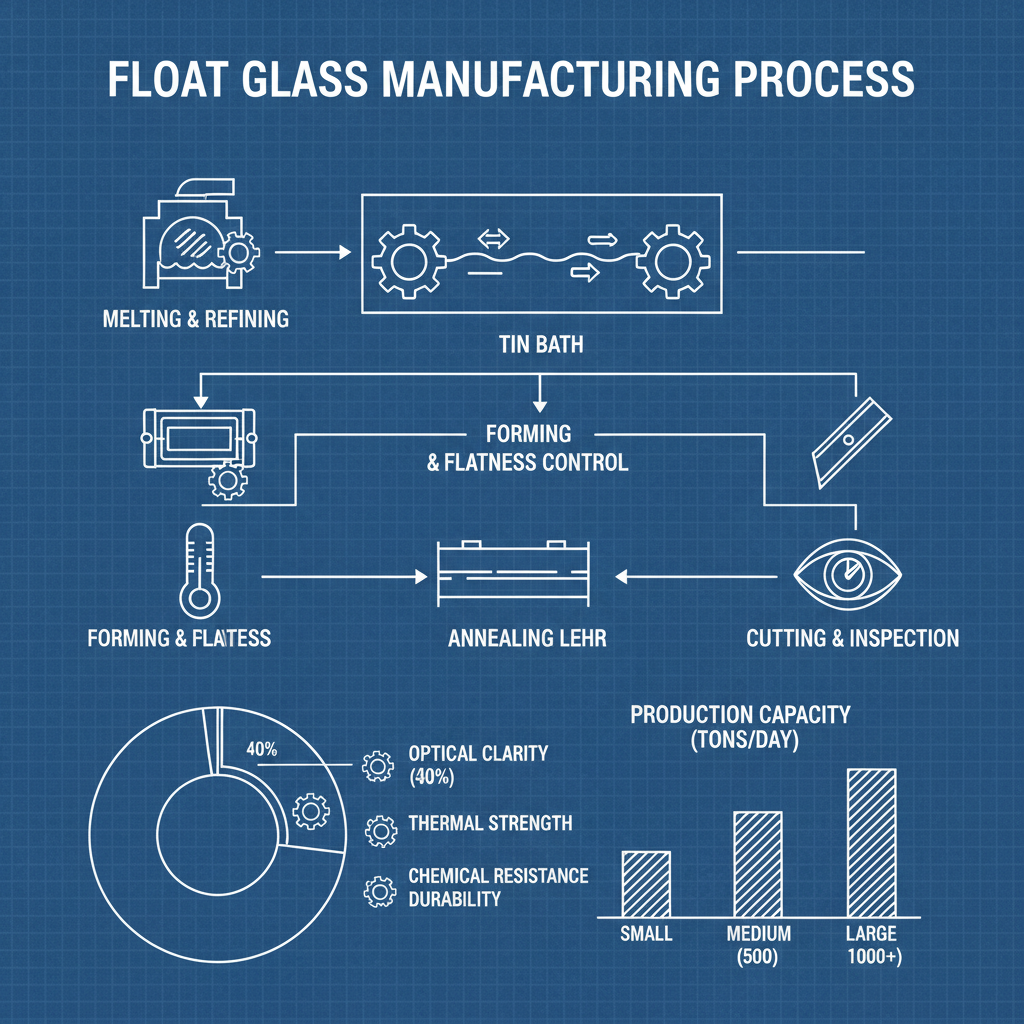
The essence of float glass design lies in achieving optimal performance characteristics – strength, clarity, thermal resistance, and optical properties – for a myriad of applications. Effective float glass design begins with a precise understanding of the manufacturing process, the composition of the glass batch, and the impact of various treatments, such as tempering or laminating.
This design process goes beyond mere technical specifications. It requires considering the end-use environment, regulatory requirements, and the desired aesthetic qualities of the finished product. For instance, float glass used in automotive applications demands stringent safety standards, while architectural applications often prioritize energy efficiency and visual appeal.
Global Relevance and Challenges
The global float glass market is a multi-billion dollar industry, inextricably linked to economic growth and infrastructural development. Demand is particularly high in rapidly developing nations, where large-scale construction projects are common. However, this growth is not without its challenges. Increasing energy costs, raw material price fluctuations, and growing environmental concerns pose significant hurdles for manufacturers.
One critical challenge is reducing the carbon footprint associated with float glass production. The process is energy-intensive, relying heavily on fossil fuels. Furthermore, the disposal of glass waste remains a persistent environmental problem. Innovative float glass design must address these issues, focusing on sustainable materials, energy-efficient processes, and effective recycling strategies.
International standards, such as those set by the International Organization for Standardization (ISO), play a crucial role in ensuring product quality and safety. Adherence to these standards, alongside continuous innovation in float glass design, is essential for maintaining competitiveness in the global market.
Defining Float Glass Design
Float glass design, in its simplest terms, refers to the entire process of creating flat glass through the float process – a method where molten glass is floated on a bed of molten tin. However, it encompasses far more than just the manufacturing technique. It’s the science and art of manipulating the glass composition, controlling the manufacturing parameters, and applying post-processing treatments to achieve specific desired characteristics.
The connection to modern industry and humanitarian needs is profound. In construction, float glass provides safe, energy-efficient windows and facades. In automotive manufacturing, it ensures visibility and passenger safety. In healthcare, it’s used in medical devices and laboratory equipment. Furthermore, advancements in float glass design are contributing to the development of lightweight and durable materials for renewable energy technologies, such as solar panels.
Ultimately, effective float glass design hinges on a holistic understanding of material science, engineering principles, and the specific requirements of the intended application. It’s about creating glass that not only meets functional needs but also enhances aesthetic appeal and contributes to a more sustainable future.
Core Components of Float Glass Design
Several core components underpin effective float glass design, each impacting the final product’s performance. These include composition, thickness, surface treatments, and tempering/laminating processes. Each of these factors work in tandem to create glass suitable for a wide range of applications.
Precise control over glass composition—the blend of silica, soda ash, lime, and other additives—determines properties like refractive index, thermal expansion, and chemical resistance. Thickness influences structural integrity and insulation value, while surface treatments can enhance scratch resistance, anti-reflective properties, or self-cleaning capabilities.
Float Glass Design Performance Metrics
Global Applications and Use Cases
Float glass finds its way into countless applications worldwide. The architectural sector utilizes it extensively in windows, facades, and interior partitions, offering natural light and structural integrity. In the automotive industry, it’s critical for windshields, side windows, and rear windows, ensuring visibility and safety.
Beyond these core applications, float glass plays a vital role in specialized fields such as solar energy (solar panels), electronics (display screens), and furniture (tabletops and shelving). In post-disaster relief operations, readily deployable structures incorporating float glass can provide temporary shelter and safe environments. Regional variations in demand are also noticeable; for example, construction booms in Southeast Asia drive particularly strong demand for architectural glass.
Advantages and Long-Term Value
The advantages of employing sophisticated float glass design are manifold. Cost-effectiveness, achieved through optimized material usage and efficient production processes, is a primary benefit. Sustainability is enhanced by utilizing recycled glass cullet and developing low-emissivity coatings to reduce energy consumption.
From a societal perspective, float glass contributes to safer buildings, more fuel-efficient vehicles, and improved quality of life. Its inherent reliability and durability provide long-term value, reducing the need for frequent replacements. The aesthetic appeal of well-designed float glass also fosters innovation and trust in the products and structures it comprises.
Future Trends and Innovations
The future of float glass design is poised for exciting advancements. Research into self-healing glass, capable of repairing minor scratches and cracks, is gaining momentum. Smart glass, which can dynamically adjust its transparency and reflectivity based on external conditions, offers opportunities for energy savings and improved comfort.
Digital transformation, including the integration of AI and machine learning, is optimizing manufacturing processes and enabling more precise control over glass properties. Automation is also streamlining production, reducing costs, and improving quality control. Furthermore, the drive towards a circular economy is prompting the development of more effective glass recycling technologies and the use of alternative raw materials.
Sustainable production methods, such as utilizing renewable energy sources and reducing reliance on fossil fuels, will become increasingly important. Nanotechnology and advanced coating techniques will continue to push the boundaries of glass performance, unlocking new possibilities for its application.
FAQS
Tempered glass is heat-treated to increase its strength and shatter into small, relatively harmless pieces when broken, making it ideal for safety glazing. Laminated glass consists of two or more layers of glass bonded together with an interlayer, typically polyvinyl butyral (PVB), which holds the glass together even when fractured, offering enhanced security and sound reduction.
Low-E (low-emissivity) coatings are microscopically thin, virtually invisible, metal or metallic oxide layers deposited on the glass surface. These coatings reduce the amount of infrared and ultraviolet light that can pass through the glass, minimizing heat transfer. In winter, they reflect heat back into the building, and in summer, they reflect heat away, reducing cooling costs.
Several factors contribute to the cost of custom float glass design, including glass thickness, size, shape, special coatings (e.g., low-E, anti-reflective), tempering or lamination, edge work, and the complexity of the design. Larger orders generally benefit from economies of scale. Shipping and installation costs also impact the overall price.
Lead times for custom float glass orders vary depending on the complexity of the project, the availability of materials, and the manufacturer’s production schedule. Simple orders may be completed within 1-2 weeks, while more intricate designs or large-volume orders can take 4-8 weeks or longer. Clear communication with the manufacturer is crucial for accurate lead time estimations.
Float glass is highly recyclable. Recycled glass cullet is crushed and added to the raw materials used in float glass production, reducing the need for virgin materials and lowering energy consumption. Using cullet lowers the melting point of the glass batch, resulting in reduced CO2 emissions and less waste sent to landfills.
Emerging applications include dynamic glazing that adjusts light transmission based on sun angles, vacuum insulated glass (VIG) offering superior thermal performance, and the integration of photovoltaic cells into glass facades to generate electricity. These innovations contribute to net-zero energy buildings and reduced carbon footprints.
Conclusion
In conclusion, float glass design is a multifaceted discipline central to numerous industries and essential for addressing global challenges related to sustainability, energy efficiency, and safety. From its foundational principles in material science to its innovative applications in architecture, automotive engineering, and renewable energy, mastering float glass design is crucial for continued advancement. The inherent versatility of float glass, coupled with ongoing innovations in manufacturing and processing, ensures its continued relevance in the years to come.
Looking forward, a continued focus on research and development, particularly in areas such as self-healing glass, smart glass, and sustainable production methods, will unlock even greater potential. By embracing these advancements and fostering collaboration between researchers, manufacturers, and end-users, we can harness the full power of float glass design to create a more sustainable, resilient, and aesthetically pleasing future.