Look, I've spent the last 15 years breathing concrete dust and arguing with subs on job sites. When it comes to glass, especially for big projects, you quickly learn what cuts it and what doesn't. And nothing's cut more consistently, more reliably, than good quality float glass plate. It's not glamorous, it’s not sexy, but it's the backbone of modern construction. Forget your fancy new materials for a second – this stuff works.
What I’ve seen over the years is that the real cost isn't always the price per sheet, it’s the time wasted dealing with imperfections, breakage, and delays. You’re losing money hand over fist if you’re constantly reordering and re-installing. Float glass plate, done right, minimizes those headaches. It’s about predictability, and on a construction site, predictability is gold.
And it's everywhere, right? Skyscrapers, storefronts, homes… you name it. The demand is only growing, especially with the push for more energy-efficient buildings. It’s a foundational material, and knowing your supplier is critical. That's why you need to understand not just that you need it, but what makes one sheet of float glass plate better than another.
The Fundamentals of float glass plate
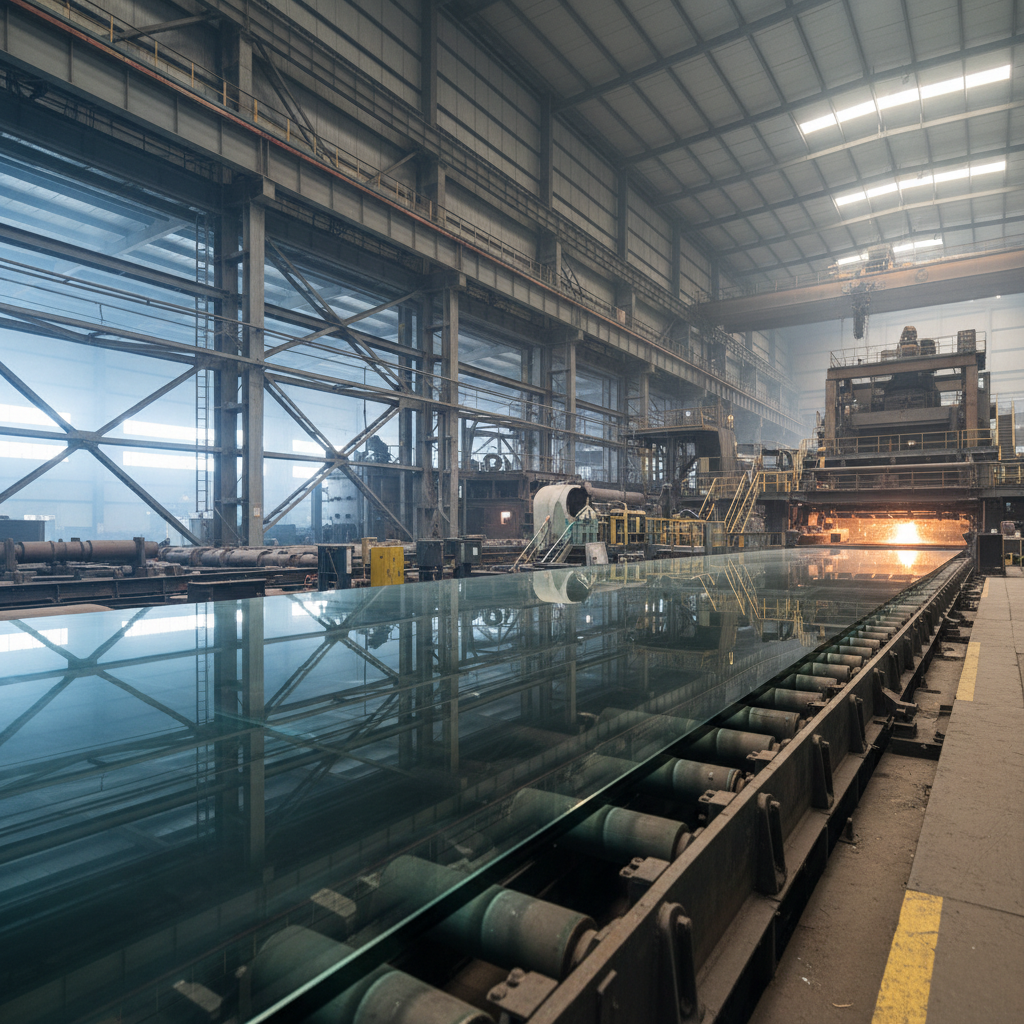
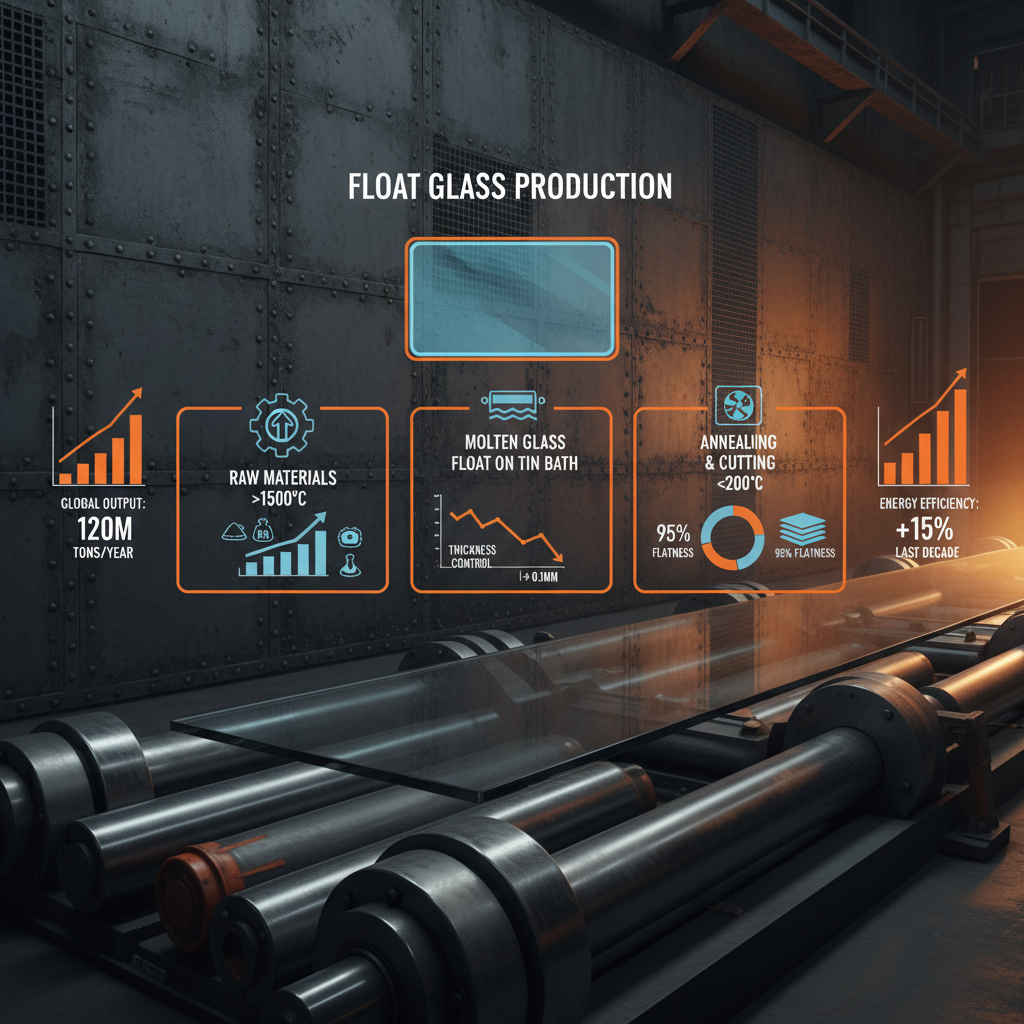
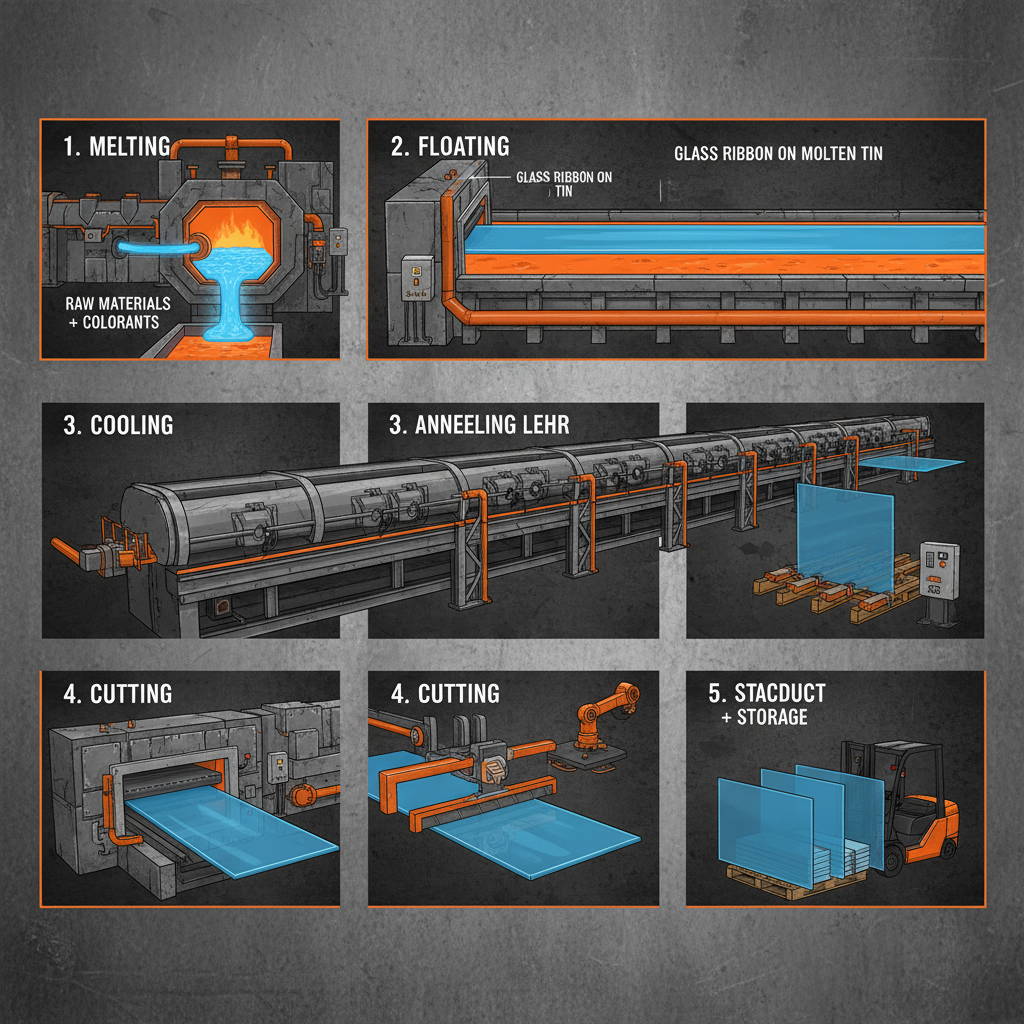
The process is pretty straightforward, but the science is solid. Molten glass floated on a bed of molten tin – that’s the core of it. This creates a perfectly flat surface, something you just couldn't get reliably before. It's the standard for a reason.
And the implications are huge. Think about it: flat glass is essential for everything from windows and doors to mirrors and automotive windshields. It's a basic building block, and the quality of that block directly impacts the quality of the finished project. You can't cut corners here.
Global Relevance and Industry Demand
The global demand for float glass plate is tied directly to construction and infrastructure development, especially in rapidly growing economies. We're talking billions of dollars annually, with markets in Asia, particularly China and India, driving a huge chunk of that demand. The UN projects continued urbanization, meaning more buildings, more glazing, and therefore, more glass.
Right now, the biggest challenge isn't necessarily demand – it's supply chain stability and ensuring consistent quality. Geopolitical events, energy costs, and raw material availability all play a role. You've got to have a reliable source, someone who can weather those storms.
ISO standards are important, absolutely. But beyond the certifications, it’s about building a relationship with a supplier who understands your needs and consistently delivers. I've seen projects delayed for weeks because of substandard glass – it's a nightmare no one wants to deal with.
Defining float glass plate: A Core Building Material
Simply put, float glass plate is a sheet of glass made by floating molten glass on a bed of molten tin. This process eliminates the need for grinding and polishing, resulting in a perfectly flat, distortion-free surface. It’s a remarkably efficient process.
Its connection to modern industry is fundamental. Before float glass, large-scale glazing was expensive and often of questionable quality. This invention revolutionized architecture, allowing for larger windows, curtain walls, and more open, naturally lit spaces. It’s not just about aesthetics; it's about functionality and energy efficiency.
Even in areas where you might not immediately think of glass, like solar panel manufacturing or specialized scientific equipment, float glass plate forms a critical base component. It’s a surprisingly versatile material, and its importance isn’t going to diminish anytime soon.
Key Characteristics of Quality float glass plate
Durability is paramount. You want glass that can withstand transport, handling, and the rigors of installation without cracking or breaking. Thickness matters, obviously, but so does the quality of the glass itself – the absence of bubbles, inclusions, or internal stresses.
Optical clarity is another key factor. Distortions can affect the appearance of a building and, in some cases, even impact its performance. You need glass that provides a clear, undistorted view. This is especially important for architectural applications.
Quality Assessment of float glass plate Production Methods
Real-World Applications of float glass plate
You see it everywhere in commercial construction: curtain walls, storefronts, and interior partitions. The demand for larger glass panels is driving innovation in handling and installation techniques. We're using more sophisticated lifting equipment and specialized adhesives.
In residential building, it’s windows, doors, skylights – anything that lets in natural light. Energy efficiency is a huge factor here, so low-E coatings and insulated glass units are becoming standard.
Advantages and Long-Term Value Proposition
The cost savings aren’t just in the initial purchase price. Reduced breakage means less waste and fewer delays, which translates to lower labor costs and faster project completion. That's real money saved.
The increased energy efficiency of modern float glass plate, with low-E coatings, reduces heating and cooling costs over the life of the building. It’s a sustainable choice that pays dividends long-term.
And let’s not forget the aesthetic appeal. Natural light improves the interior environment, creating more pleasant and productive spaces. It’s a simple thing, but it makes a big difference.
Future Trends and Innovations in float glass plate
We're seeing a push for more sustainable manufacturing processes, reducing the carbon footprint of glass production. This includes using recycled glass and alternative energy sources.
Self-cleaning glass coatings are also gaining traction, reducing maintenance costs and improving visibility. Digital printing techniques allow for complex designs and patterns to be applied directly to the glass, opening up new architectural possibilities.
Smart glass, which can adjust its transparency based on light levels or user preferences, is still relatively expensive, but the technology is improving rapidly and costs are coming down. I think we'll see more of that in the coming years.
Summary of Key Considerations for Selecting float glass plate
| Manufacturing Process |
Quality Control Measures |
Cost Analysis |
Sustainability Factors |
| Float method vs. other processes |
Inspection standards and defect rates |
Initial cost vs. life cycle cost |
Recycled content and energy consumption |
| Automation levels and efficiency |
Compliance with industry standards (ISO) |
Transportation and handling costs |
Carbon footprint of production |
| Raw material sourcing and availability |
Testing for durability and weather resistance |
Potential for waste reduction and reuse |
Use of renewable energy in manufacturing |
| Impact of process on glass clarity |
Consistency of dimensions and tolerances |
Long-term maintenance requirements |
Packaging and shipping materials |
| Scalability of production |
Record keeping and traceability |
Warranty and support services |
Disposal and recycling options |
| Process adaptability to different glass types |
Certification and accreditation |
Total cost of ownership |
Environmental impact assessment |
FAQS
Honestly, it's not understanding the different grades and coatings. You can’t just say "I need glass." You need to consider what the glass is for. Is it load-bearing? Is it exposed to harsh weather? What are the energy efficiency requirements? Choosing the wrong glass can lead to costly repairs down the line. And always, always get a detailed spec sheet from your supplier.
Proper storage is key. Keep it indoors, ideally on a flat, cushioned surface. If it has to be outdoors, cover it completely with a waterproof tarp and ensure it’s well-supported. When moving it, use appropriate handling equipment – never just drag it across the ground! And train your crew on proper lifting techniques. It’s heavy, and carelessness can lead to injuries and wasted materials.
Low-E coatings are microscopically thin, transparent coatings that reduce heat transfer through the glass. They significantly improve energy efficiency, especially in climates with extreme temperatures. Are they worth it? Almost always. The long-term energy savings usually outweigh the initial cost, and you'll be doing your part for sustainability.
Annealed glass is the standard type – it’s cooled slowly, making it relatively strong but prone to breaking into large, sharp shards. Tempered glass, on the other hand, is heat-treated to make it much stronger and, importantly, it breaks into small, relatively harmless pieces. Tempered glass is essential for safety-critical applications like doors and skylights.
Inspect each sheet carefully under good lighting. Look for scratches, chips, bubbles, or distortions. Pay attention to the edges. Use a straightedge to check for flatness. Document any defects with photos and notify your supplier immediately. Don't accept a shipment with unacceptable flaws.
Lead times vary depending on the size and complexity of the order, as well as the supplier's current workload. Typically, you can expect 2-4 weeks for standard sizes, but custom cuts and coatings can add significant time. It's crucial to plan ahead and place your order well in advance to avoid delays.
Conclusion
So, there you have it. Float glass plate isn’t flashy, but it's the workhorse of the construction industry. Understanding its fundamentals, the quality factors, and the future trends is essential for anyone involved in building. Choosing the right supplier and prioritizing quality control will save you headaches – and money – in the long run.
Don’t just focus on the initial price. Think about the total cost of ownership, the energy efficiency, and the long-term durability. It’s an investment, and a smart one at that. For reliable float glass plate and expert advice, visit www.wangmeiglass.com.