The float glass tin bath – it’s not just a process, it's the backbone of modern glassmaking. You see a pristine window, a sleek car windshield, a polished storefront? Almost certainly, it started in a tin bath. We’re talking about a continuous, automated process where molten glass is floated on a bed of molten tin – a deceptively simple concept that took decades to refine. It’s moved beyond just making flat glass; it’s integral to the production of specialized glass for solar panels, automotive applications, and high-performance architecture. Knowing the intricacies of this process isn't just academic; it's crucial for anyone involved in material selection, construction, and even architectural design.
For years, glass production was about rolling or drawing sheets. These methods introduced imperfections, inconsistencies in thickness, and required costly polishing. The float glass process, pioneered by Pilkington in the 1950s, changed everything. It drastically improved the quality, reduced manufacturing costs, and increased production speeds. Now, we’re facing global demands for larger glass sheets, lighter weights, and improved performance characteristics. The tin bath has had to evolve to meet these demands. From the metallurgy of the tin itself to the precise control of atmospheric conditions, the details matter – a lot.
It's a process that impacts almost every aspect of our built environment. Consider the sheer volume of glass used in modern skyscrapers. That wouldn’t be feasible without the consistent quality and high throughput enabled by the float glass tin bath. The global market for float glass is massive, projected to continue growing with urbanization and increased construction activity worldwide, according to reports from the UN and industry analysts. That growth presents challenges – refining the process to be more energy-efficient and sustainable is paramount.
The Importance of Float Glass Tin Bath
The float glass tin bath isn’t just a manufacturing step; it’s a quality control mechanism built into the process. The consistency of the tin bath directly impacts the flatness, clarity, and overall strength of the glass. Spend enough time on a construction site and you quickly realize the headaches caused by substandard materials. Warped glass, inconsistencies in thickness – these translate to costly delays and rework. A properly maintained tin bath eliminates many of those issues before they even start.
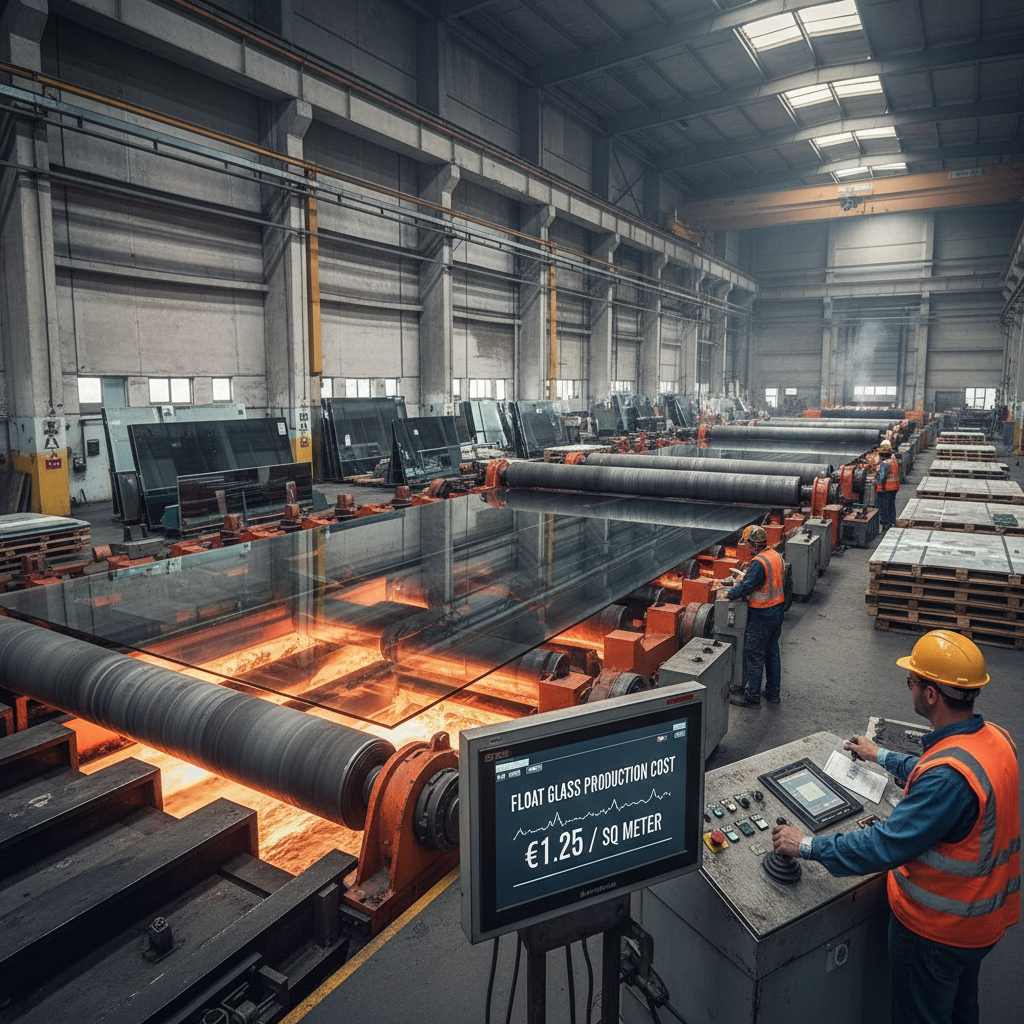
It’s a surprisingly delicate operation. Maintaining the precise temperature gradient, controlling the atmosphere within the furnace, ensuring the purity of the tin – these aren't tasks you can just ‘set and forget’. It requires skilled operators, continuous monitoring, and a deep understanding of the chemical and physical properties involved. From my experience, the companies that invest in operator training and advanced control systems consistently produce the highest-quality glass.
Historical Context and Evolution
Before the float process, glass was made using methods like hand-blowing, rolling, and drawing. These techniques were labor-intensive and produced glass with significant imperfections. The Pilkington brothers’ invention in the 1950s was a game-changer, offering a radically improved product at scale. The initial challenge wasn't just the concept, but the materials science – finding a molten metal inert enough to not react with the molten glass, and stable enough to maintain a perfectly level surface. Tin was the answer, but even then, controlling oxidation and impurity levels was a massive undertaking.
Since then, the evolution has been continuous. We’ve seen advancements in tin alloy compositions to improve fluidity and reduce tin consumption. Sophisticated computer control systems now regulate furnace temperature, glass flow rates, and atmospheric conditions with incredible precision. Today's tin baths aren't the same as those from the 1960s. They’re far more efficient, produce higher-quality glass, and are capable of handling larger sheet sizes.
The rise of low-emission (low-E) coatings has also driven innovation in tin bath technology. Applying these coatings requires extremely clean and smooth glass surfaces, placing even greater demands on the float process. It’s a constant push for better control, better materials, and better automation.
Defining the Float Glass Tin Bath Process
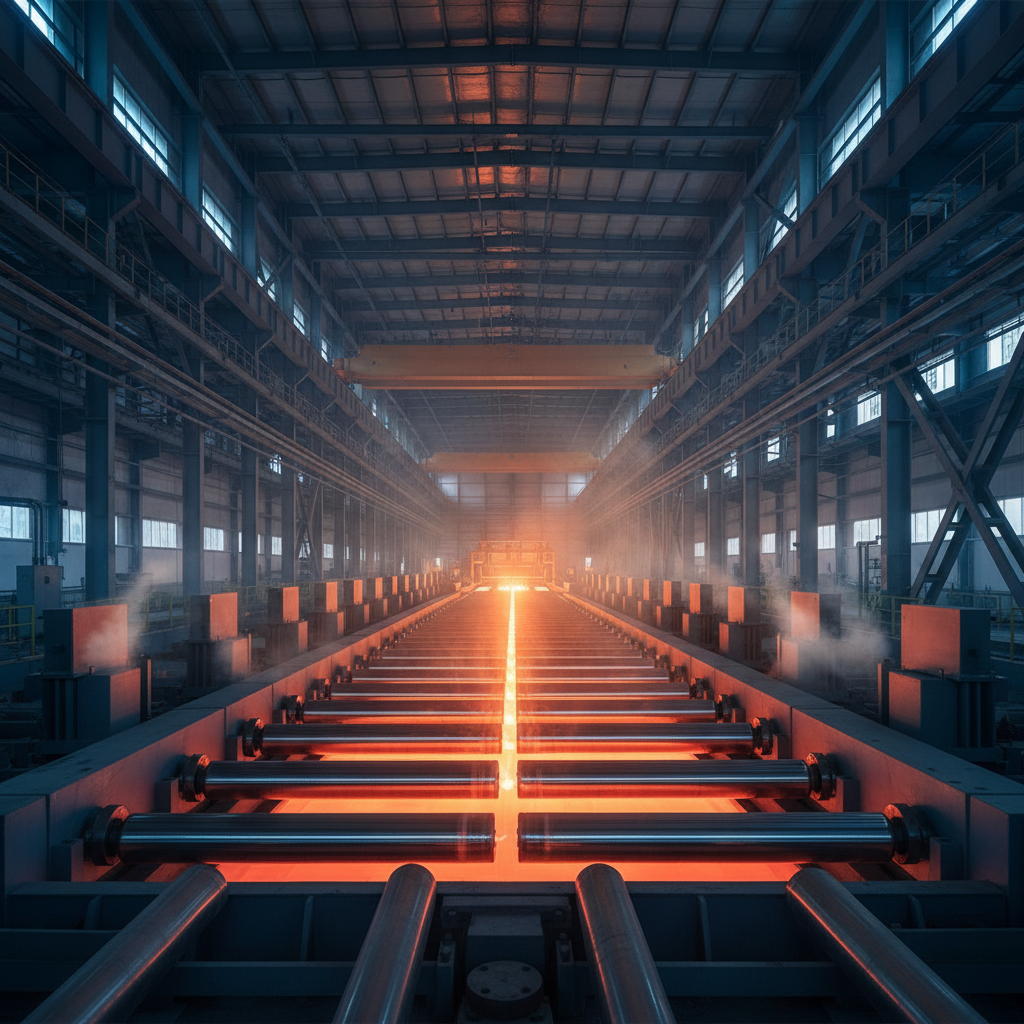
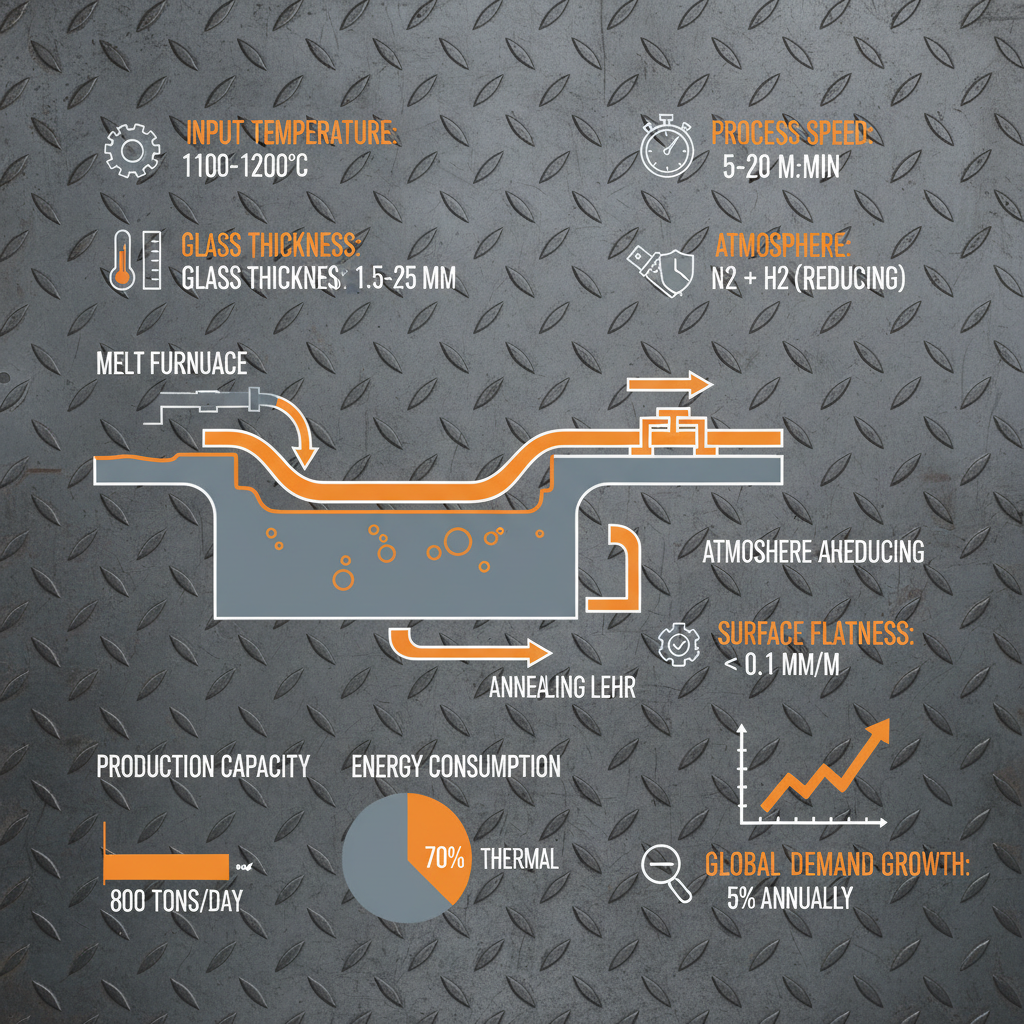
At its core, the float glass tin bath process involves pouring molten glass (typically around 1500°C) onto a bath of molten tin. The tin acts as a perfectly level, reflective surface. Because glass is less dense than tin, it floats, spreading out evenly to create a sheet of uniform thickness. The glass then slowly cools as it moves along the bath, solidifying into a flat, flawless ribbon.
Key to the process is a controlled atmosphere – typically a mixture of nitrogen and hydrogen – that prevents oxidation of the tin and minimizes defects in the glass. The entire operation takes place within a sealed furnace, meticulously maintained to precise temperature and pressure specifications. The glass ribbon is then drawn from the bath and cut into desired sizes.
The quality of the tin itself is critical. Impurities in the tin can lead to imperfections in the glass. Manufacturers typically use high-purity tin alloys and implement rigorous filtration systems to maintain its cleanliness. Regularly analyzing the tin bath composition is standard procedure. It’s a constant monitoring and adjustment process to keep everything within optimal parameters.
Key Factors Influencing Tin Bath Performance
One of the biggest factors is temperature control. Maintaining a consistent temperature gradient across the tin bath is vital for uniform glass thickness and minimal distortion. Variations can lead to stress within the glass, making it more susceptible to breakage. Another crucial aspect is the tin’s surface tension and viscosity – influenced by its alloy composition and temperature.
Atmospheric control is equally important. Oxygen in the atmosphere can react with the tin, forming oxides that contaminate the glass. Nitrogen and hydrogen are used to create a reducing atmosphere, preventing oxidation. The ratio of these gases must be carefully controlled.
Float Glass Tin Bath Performance Metrics
Global Applications and Industry Impact
The applications are ubiquitous. From architectural glazing in skyscrapers to automotive windshields, household windows, and even specialized glass for solar panels, the float glass tin bath is the foundational process. In China and India, the demand for float glass is surging due to rapid urbanization and infrastructure development. Similarly, the automotive industry worldwide relies heavily on high-quality float glass for safety and aesthetic reasons.
The impact extends to the solar energy sector. Manufacturers of solar panels require ultra-thin, high-transparency glass – a product specifically enabled by advancements in float glass technology. The ability to create larger sheet sizes also reduces material waste and installation costs for large-scale solar projects.
Advantages and Long-Term Value Proposition
The cost-effectiveness of the float process is undeniable. Compared to older methods, it requires less energy, reduces material waste, and minimizes the need for polishing. This translates to lower production costs and more competitive pricing. Beyond cost, the improved quality and consistency of float glass enhance its durability and longevity.
There's also a strong sustainability argument. By reducing material waste and improving energy efficiency, the float glass tin bath contributes to a smaller environmental footprint. Moreover, the use of recycled glass cullet in the process further enhances its sustainability credentials. From a safety standpoint, the consistent thickness and flatness of float glass contribute to structural integrity.
Future Trends and Innovations in Tin Bath Technology
We're seeing increased focus on energy efficiency. Reducing the temperature of the tin bath, optimizing furnace design, and recovering waste heat are all areas of active research. Digitalization is also playing a role, with advanced sensors and machine learning algorithms being used to optimize process control and predict potential issues.
The development of new tin alloy compositions is ongoing, aiming to improve tin fluidity, reduce tin consumption, and enhance glass quality. There's also interest in exploring alternative metals to tin, although none currently offer the same combination of properties. Ultimately, the future of the tin bath lies in combining advanced materials science with cutting-edge digital technologies.
The integration of AI-powered predictive maintenance systems is a key trend. These systems can analyze data from sensors throughout the tin bath to identify potential failures before they occur, minimizing downtime and maximizing production efficiency.
Summary of Challenges and Potential Solutions in Float Glass Tin Bath Operation
| Challenge |
Impact on Production |
Potential Solution |
Implementation Cost (1-10) |
| Tin Oxidation |
Glass Defects, Reduced Clarity |
Improved Atmosphere Control, Nitrogen/Hydrogen Ratio Optimization |
4 |
| Temperature Fluctuations |
Uneven Glass Thickness, Internal Stress |
Advanced Furnace Control Systems, Precise Burner Management |
7 |
| Tin Purity Degradation |
Surface Imperfections, Reduced Transparency |
Regular Tin Filtration, Alloy Replenishment |
5 |
| Energy Consumption |
High Operating Costs, Environmental Impact |
Waste Heat Recovery Systems, Optimized Furnace Insulation |
6 |
| Operator Skill Gap |
Inconsistent Process Control, Increased Defects |
Comprehensive Training Programs, Automated Monitoring Tools |
3 |
| Large Glass Size Production |
Increased Risk of Distortion, Handling Challenges |
Advanced Cooling Systems, Precise Tension Control |
8 |
FAQS
The most frequent defects include bubbles, seeds (small inclusions), corded glass (distortion due to uneven cooling), and surface imperfections like scratches or roller marks. These can stem from impurities in the glass batch, inconsistencies in the tin bath temperature, or issues with the atmosphere control. Addressing these requires rigorous quality control at every stage of the process, from raw material sourcing to finished product inspection.
The tin bath doesn't need complete replacement frequently, but requires regular maintenance. Typically, a full tin change occurs every 5-10 years, depending on usage and maintenance. More frequent interventions involve removing surface oxides, adding fresh tin to compensate for losses, and ensuring the alloy composition remains optimal. Refurbishment can extend the lifespan and improve efficiency.
Working around a tin bath presents significant hazards due to the extreme temperatures and the molten metal. Personal protective equipment (PPE) – including heat-resistant clothing, face shields, and gloves – is mandatory. Strict adherence to safety protocols, regular equipment inspections, and thorough training are crucial to prevent accidents. A well-defined emergency response plan is also essential.
Tin purity is paramount. Impurities like lead, bismuth, or antimony can cause discoloration, inclusions, and weaken the glass structure. High-purity tin is essential for producing clear, high-quality glass. Rigorous filtration and analysis are used to maintain tin purity and remove contaminants. Even small amounts of impurities can have a noticeable impact on the final product.
The atmosphere control system, using nitrogen and hydrogen, is critical for preventing oxidation of the tin and ensuring the glass surface remains clean and defect-free. Maintaining the correct gas ratio is vital; too much oxygen can lead to tin oxidation, while too little can create other issues. Precise control ensures optimal glass quality and minimizes production problems.
While tin remains the industry standard, research continues into potential alternatives. Gallium and other metals have been explored, but none currently offer the same combination of properties – low melting point, high density, and chemical inertness – at a comparable cost. Tin’s unique characteristics make it difficult to replace, despite its limitations.
Conclusion
The float glass tin bath is more than just a manufacturing process – it's a cornerstone of modern construction and technology. From ensuring the clarity of our windows to enabling the production of high-performance solar panels, its impact is far-reaching. Understanding the intricacies of the process, from tin purity to atmospheric control, is crucial for maintaining quality, optimizing efficiency, and driving innovation in the glass industry.
Looking ahead, advancements in digitalization, materials science, and sustainability will continue to shape the future of the float glass tin bath. Investing in operator training, implementing advanced control systems, and exploring innovative tin alloy compositions will be essential for meeting the evolving demands of the global market. To learn more about our float glass solutions, visit our website: float glass tin bath.