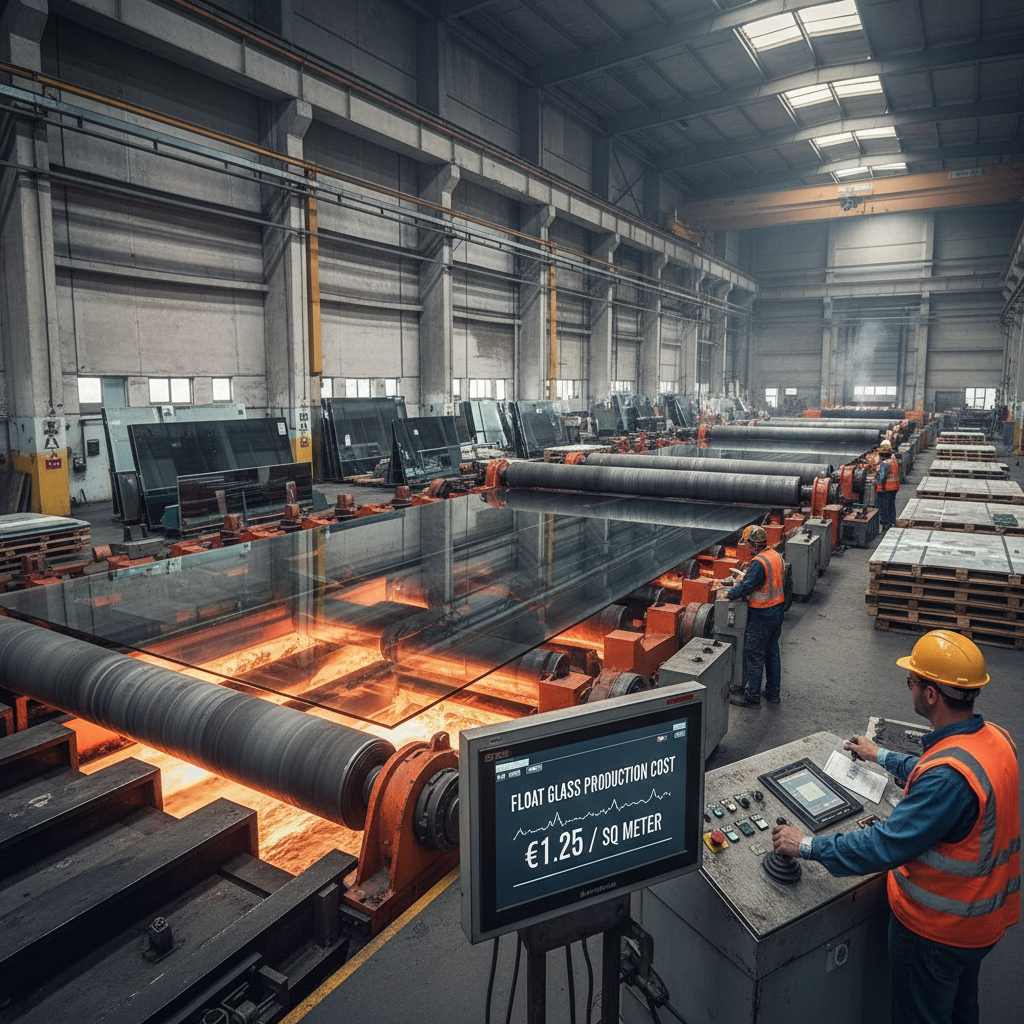
The global construction industry relies heavily on materials like float glass, and understanding the cost of float glass is crucial for project budgeting, feasibility, and overall economic impact. Fluctuations in these costs can significantly affect building projects, infrastructure development, and even the automotive sector. Mastering the factors that influence this cost allows for informed decision-making and proactive risk management within these critical industries.
The cost of float glass isn’t a static number; it’s a dynamic value shaped by raw material prices, energy costs, manufacturing processes, and global supply chain logistics. Ignoring these intricacies can lead to unexpected project overruns and compromised profitability. This understanding becomes even more vital in a world increasingly focused on sustainable building practices and energy efficiency, where glass plays a pivotal role in thermal performance and daylighting.
Effective management of the cost of float glass is paramount for architects, contractors, and developers seeking to deliver high-quality projects within budget. This requires a comprehensive grasp of market trends, supplier relationships, and potential cost-saving strategies, enabling a competitive edge in an ever-evolving industry landscape.
Understanding the Factors Influencing the Cost of Float Glass
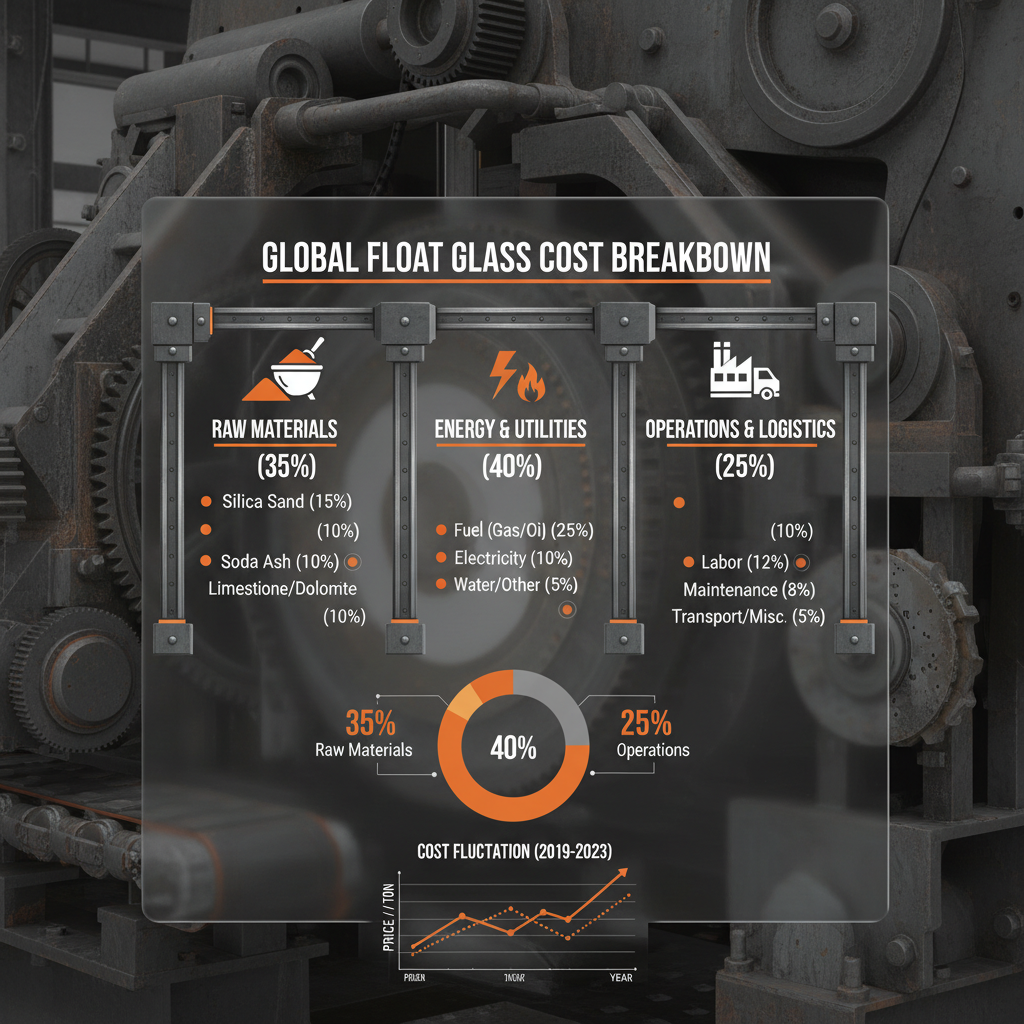
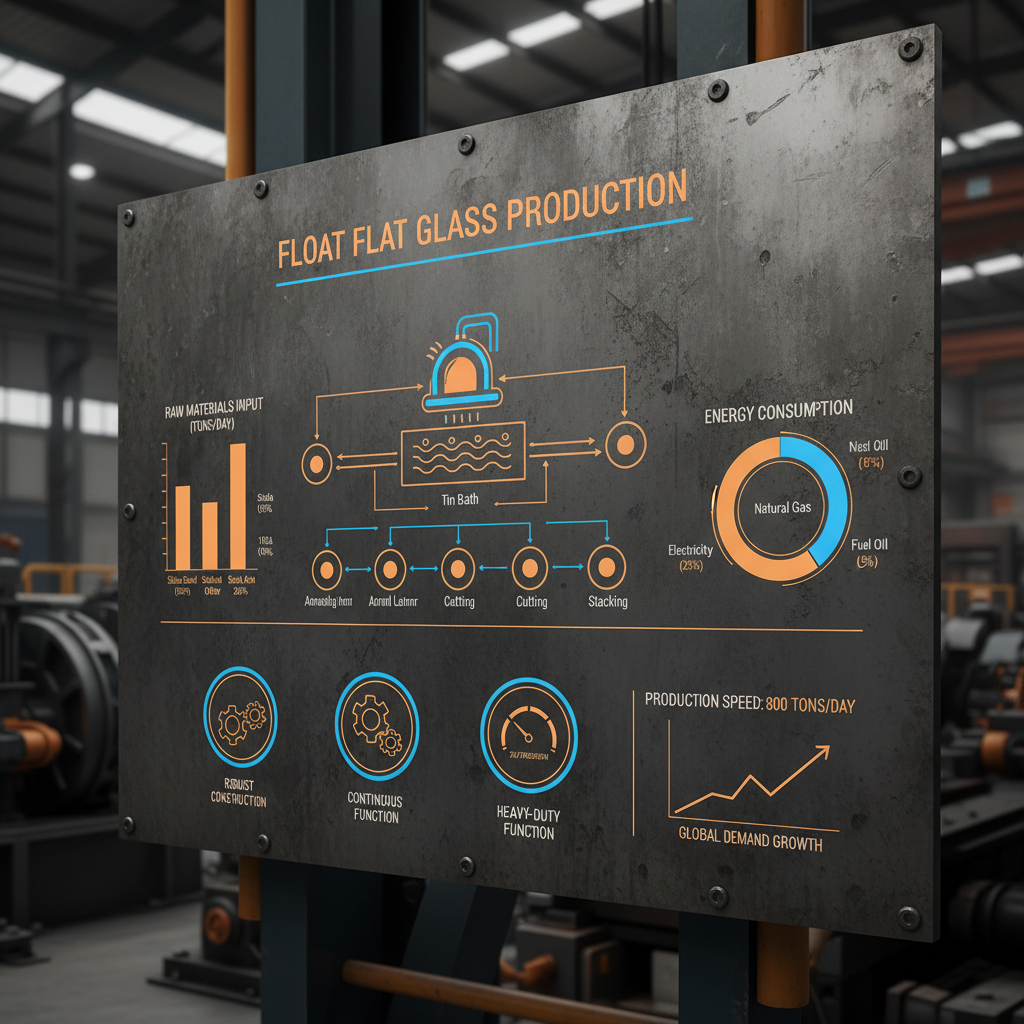
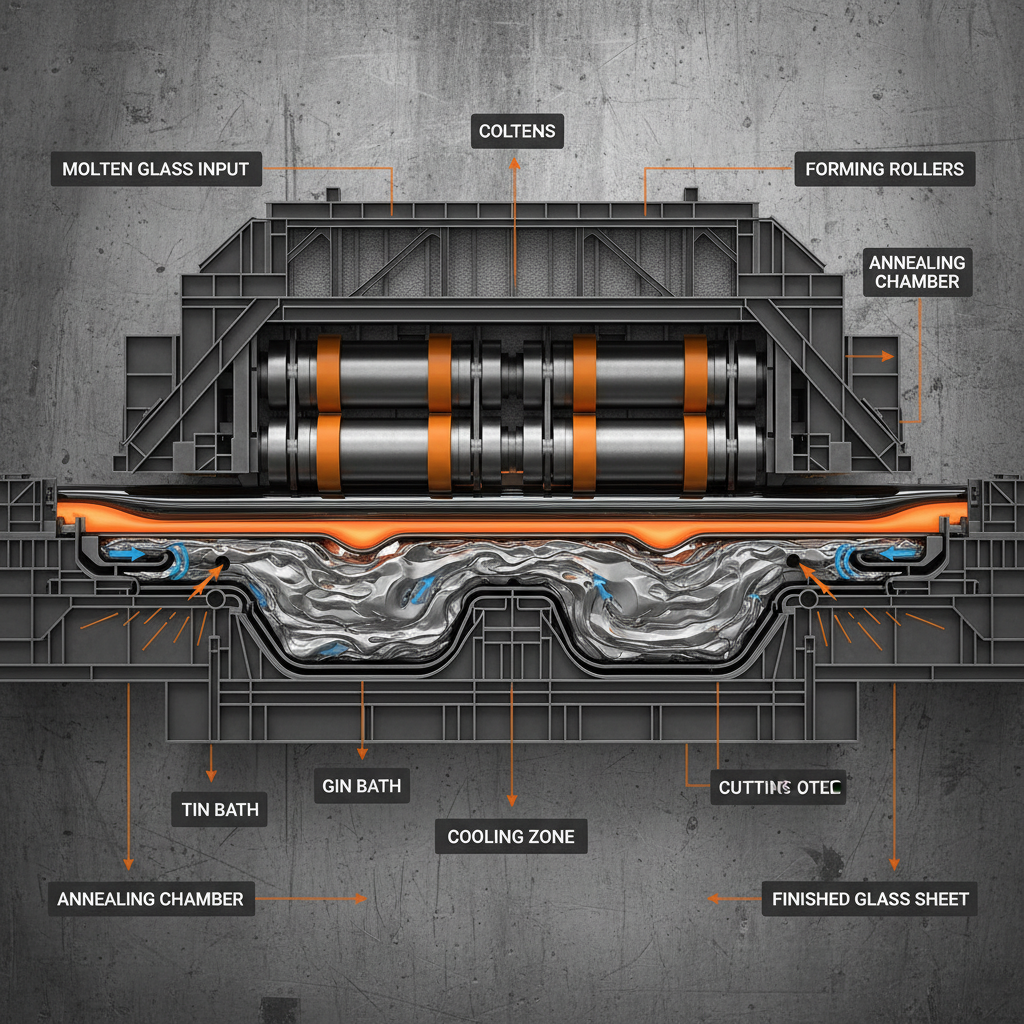
The cost of float glass is a multifaceted equation. Beyond the base price of raw materials, energy consumption during the manufacturing process plays a significant role. The efficiency of the float line, the energy source used (natural gas, electricity), and government regulations regarding carbon emissions all contribute to production costs and, ultimately, the price of the glass.
Furthermore, transportation and logistics add a considerable layer to the overall cost. The distance from the manufacturing plant to the project site, fuel prices, and potential tariffs all impact the final price tag. Understanding these interconnected factors is critical for accurate budgeting and procurement strategies, minimizing unexpected expenses.
The Global Float Glass Market and Pricing Dynamics
The global float glass market is characterized by a complex interplay of supply and demand, with key players concentrated in regions like China, Europe, and North America. Market dynamics, such as construction booms in emerging economies or disruptions in the supply chain, can cause significant fluctuations in cost of float glass.
These fluctuations aren't always predictable. Global events, economic downturns, and shifts in government policies can all exert pressure on pricing. Tracking industry reports, monitoring raw material markets, and cultivating strong relationships with suppliers are essential for navigating this volatile landscape.
Competition among manufacturers also plays a vital role. Increased production capacity can lead to price wars, while consolidation within the industry can result in higher prices due to reduced competition. Understanding these competitive forces is crucial for obtaining the best possible value.
Raw Material Costs and Their Impact on Float Glass Pricing
The primary raw materials for float glass production – silica sand, soda ash, limestone, and dolomite – account for a substantial portion of the overall cost. Any changes in the price of these materials directly translate into fluctuations in the cost of float glass. For example, increased demand for silica sand from other industries (like fracking) can drive up its price, impacting glass manufacturing costs.
Geopolitical events and trade policies also play a role. Tariffs on imported raw materials, or disruptions to supply chains due to political instability in resource-rich regions, can significantly increase production costs. Businesses must actively monitor these global factors to anticipate and mitigate potential price increases.
Beyond the core materials, additives like cullet (recycled glass) contribute to cost. While cullet is generally cheaper than raw materials, its availability and quality can vary, impacting its overall value. Effective cullet management and recycling programs can help to offset some of the costs associated with virgin materials.
Regional Variations in the Cost of Float Glass
The cost of float glass varies considerably by region, influenced by factors like transportation costs, local labor rates, and regional supply and demand dynamics. Areas with limited local production capacity typically face higher prices due to increased transportation expenses.
Government regulations and environmental policies also contribute to regional price differences. Regions with stricter environmental standards may have higher production costs due to the need for advanced pollution control technologies. Understanding these regional nuances is essential for optimizing sourcing strategies.
Regional Cost Comparison of Float Glass
Applications Influencing Float Glass Cost
The specific application of float glass significantly impacts its cost. Standard clear float glass is the most affordable option, while specialized glass types – such as tempered glass, laminated glass, low-E glass, or coated glass – command higher prices due to additional processing and performance characteristics.
For example, low-E glass, used for energy-efficient windows, requires a specialized coating that adds to the manufacturing cost. Similarly, tempered glass, known for its safety features, undergoes a heat treatment process that increases its price. Understanding these application-specific costs is crucial for selecting the right glass for a project.
Long-Term Value and Cost-Benefit Analysis
While initial cost is a crucial factor, a comprehensive cost-benefit analysis should consider the long-term value of float glass. Energy-efficient glass, for example, may have a higher upfront cost but can result in significant energy savings over the lifespan of a building, reducing operating expenses and environmental impact.
Durability and longevity also play a role. High-quality float glass requires less frequent replacement, reducing maintenance costs and minimizing disruptions. Considering these long-term benefits can justify investing in higher-quality glass, even if it has a higher initial price.
Furthermore, the aesthetic appeal and design flexibility offered by float glass can enhance property values and attract tenants, contributing to a higher return on investment.
Future Trends and Cost Projections for Float Glass
Several emerging trends are poised to influence the future cost of float glass. Increased adoption of sustainable manufacturing practices, such as using renewable energy sources and reducing carbon emissions, could lead to higher production costs initially but ultimately reduce long-term environmental impact.
Advancements in glass technology, such as the development of self-cleaning glass or smart glass with dynamic shading capabilities, will likely drive up prices due to increased research and development costs and complex manufacturing processes.
The rise of circular economy models, promoting glass recycling and reuse, could help to stabilize raw material costs and reduce reliance on virgin materials, potentially lowering the overall cost of float glass in the long run.
Summary of Factors Influencing Future Float Glass Costs
| Trend |
Impact on Cost |
Timeframe |
Mitigation Strategies |
| Sustainable Manufacturing |
Initial cost increase, long-term cost stabilization |
Short-to-medium term (1-5 years) |
Invest in energy-efficient technologies, explore government incentives |
| Advanced Glass Technologies |
Significant cost increase |
Medium-to-long term (5-10 years) |
Prioritize applications where performance justifies cost |
| Circular Economy & Recycling |
Potential cost reduction |
Medium-to-long term (5-10 years) |
Implement robust recycling programs, support glass reuse initiatives |
| Raw Material Supply Chain Disruptions |
Increased cost volatility |
Short-to-medium term (1-5 years) |
Diversify suppliers, build strategic inventory |
| Energy Price Fluctuations |
Direct impact on production costs |
Short-to-medium term (1-5 years) |
Negotiate long-term energy contracts, invest in energy efficiency |
| Geopolitical Instability |
Supply chain disruptions & tariff increases |
Variable, depending on events |
Monitor global events, develop contingency plans |
FAQS
The primary drivers of cost of float glass fluctuations include raw material prices (silica sand, soda ash), energy costs (natural gas, electricity), transportation expenses, and global supply and demand dynamics. Geopolitical events and tariffs can also significantly impact pricing. Monitoring these factors is crucial for forecasting potential cost changes.
Mitigation strategies include negotiating long-term contracts with suppliers, diversifying your supply chain, exploring alternative glass products or materials, and incorporating energy-efficient glass to offset long-term operating costs. Accurate budgeting and proactive planning are also essential. Exploring opportunities to purchase during off-peak seasons can also sometimes yield cost savings.
Specialized glass types like tempered, laminated, or low-E glass are significantly more expensive than standard float glass due to the additional manufacturing processes and performance characteristics they offer. Tempered glass requires heat treatment for strength, laminated glass includes a safety interlayer, and low-E glass has a specialized coating for energy efficiency, each adding to the cost.
Projects located far from float glass manufacturing facilities will incur higher transportation costs, increasing the overall price. Regions with limited local production capacity typically face higher prices. Government regulations and local labor rates can also contribute to regional cost variations. Sourcing from local suppliers can sometimes reduce transportation costs.
While sustainable manufacturing practices may initially increase production costs, they can lead to long-term cost savings through energy efficiency and reduced environmental impact. The demand for eco-friendly glass products is also growing, potentially increasing their value. Investing in sustainable glass options aligns with environmental goals and can enhance a project's reputation.
While there aren't direct substitutes, alternatives like acrylic or polycarbonate sheets can be considered for specific applications where glass isn't essential. These materials often have different properties and performance characteristics, so careful evaluation is necessary. Also, exploring thinner glass options or optimized glass designs can reduce material costs without sacrificing performance.
Conclusion
Understanding the cost of float glass is not merely about finding the lowest price point; it's about making informed decisions that balance initial investment with long-term value, sustainability, and performance. By carefully considering the factors influencing pricing, proactively managing supply chains, and embracing innovative technologies, stakeholders can navigate the complexities of the float glass market and optimize their projects for success.
As the construction industry evolves towards greater sustainability and efficiency, the demand for high-quality, specialized float glass will continue to grow. Staying informed about future trends, embracing circular economy principles, and prioritizing long-term cost-benefit analyses will be crucial for maximizing the return on investment and building a more resilient and sustainable future. Visit our website at www.wangmeiglass.com to learn more.