The distinction between float glass vs clear glass is fundamental to numerous industries, from construction and automotive to interior design and scientific instrumentation. Understanding this difference isn’t merely a technical detail; it's crucial for selecting the right material for optimal performance, safety, and aesthetic appeal. The global demand for glass continues to rise, driven by urbanization and infrastructural development, making informed material choices increasingly important.
Float glass has revolutionized the glass industry, becoming the standard for most applications due to its flatness, clarity, and consistent thickness. Conversely, clear glass, while often used interchangeably, refers more broadly to glass lacking significant coloration or distortion. Exploring the nuances between float glass vs clear glass unlocks opportunities for innovation and cost-effectiveness.
The implications extend beyond simple material selection. Considerations around energy efficiency, structural integrity, and manufacturing processes all hinge on the correct understanding and application of these glass types. Choosing the right glass can significantly impact project budgets, timelines, and ultimately, success.
Introduction to Float Glass vs Clear Glass
The core difference between float glass vs clear glass lies in their manufacturing processes, which directly affect their properties and applications. While both are typically composed of silica, soda ash, and limestone, the methods used to produce them result in distinct characteristics relating to flatness, optical quality, and surface imperfections. This impacts their suitability for diverse uses.
Understanding these variations is vital for architects, engineers, and manufacturers who require precise material specifications. The availability and cost-effectiveness of float glass have made it a dominant force in the market, but clear glass retains importance in niche applications where specific optical properties or fabrication techniques are required.
Defining Float Glass and Clear Glass
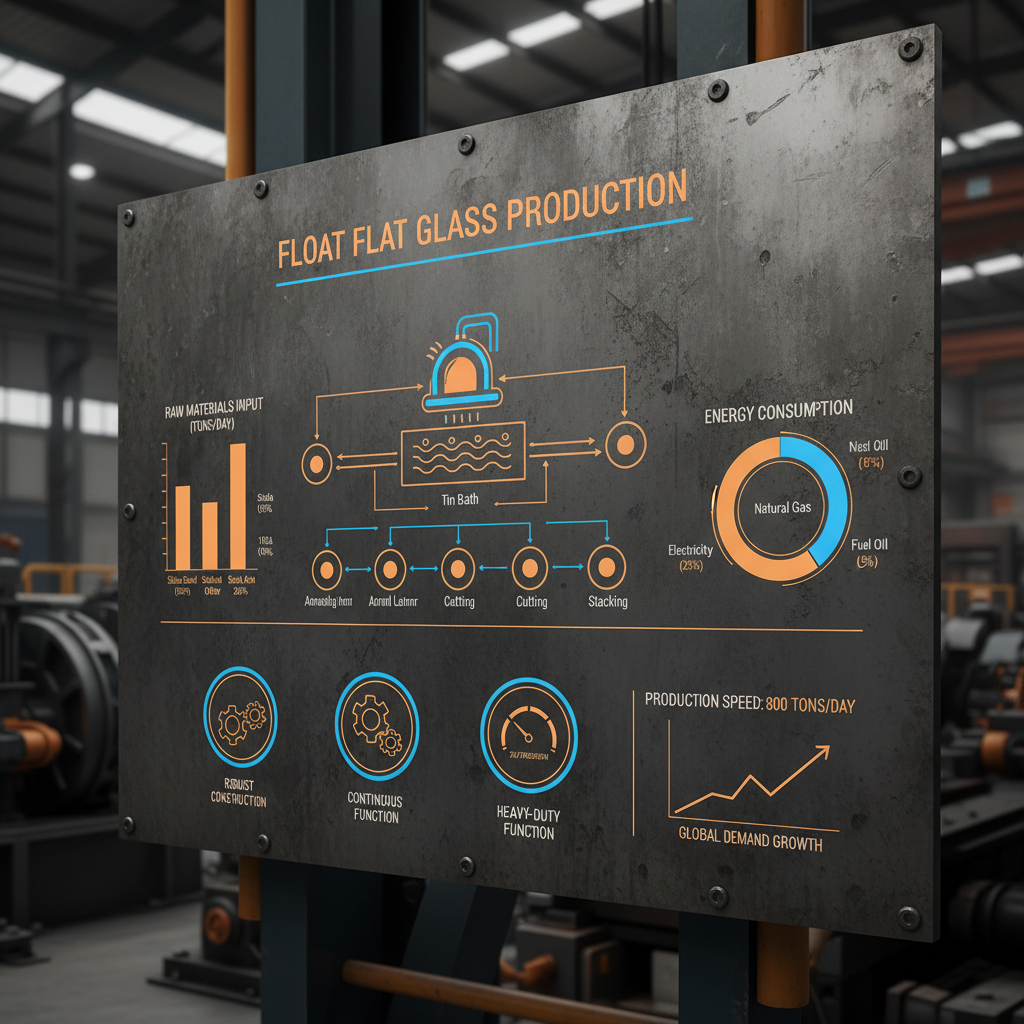
Float glass is manufactured using the float process, developed by Pilkington in the 1950s. Molten glass is poured onto a bed of molten tin, creating a perfectly flat surface due to gravity and the tin's properties. This process yields glass with exceptional flatness and clarity, making it ideal for windows, automotive glass, and many other applications. The term "float glass" doesn't necessarily denote a specific composition but rather a production method.
Clear glass, conversely, is a broader term encompassing glass that doesn't contain significant additives that impart color. It can be produced through various methods, including drawing, rolling, or even the float process itself. True 'clear glass' in the historical sense referred to glass made before the widespread adoption of the float process, often exhibiting slight imperfections and distortions.
Therefore, while all float glass can be considered clear glass, not all clear glass is float glass. The distinction highlights the importance of specifying the manufacturing process when precise material properties are critical. float glass vs clear glass considerations are key to project success.
Key Manufacturing Differences
The float process is a continuous, automated operation, resulting in consistent glass quality and high production rates. The molten glass ‘floats’ on the tin, eliminating the need for polishing or grinding to achieve flatness. This also minimizes surface imperfections, leading to superior optical clarity. This contributes to the prevalence of float glass in modern applications.
Traditional clear glass manufacturing methods, such as drawing or rolling, often involve mechanical shaping and finishing. These processes can introduce distortions, thickness variations, and surface irregularities. While these imperfections may be acceptable for certain applications, they limit the glass's suitability for demanding optical or structural requirements.
The control over temperature and atmosphere in the float process also allows for the incorporation of specific coatings or treatments directly during manufacturing, enhancing properties like solar control or low-emissivity. This level of integration is more challenging to achieve with traditional clear glass production methods.
Performance Characteristics
Float glass exhibits superior flatness, making it ideal for large-area glazing and applications requiring minimal distortion. Its smooth surface minimizes light scattering, resulting in higher transparency and clearer visibility. The consistent thickness also contributes to improved structural integrity and reduced stress concentrations.
Clear glass, depending on its manufacturing method, may exhibit slight variations in thickness and flatness. While generally transparent, it might contain minor imperfections like bubbles or striations that can affect optical clarity. However, these characteristics may be acceptable or even desirable in certain artistic or decorative applications.
Comparative Performance of Float vs Clear Glass
Global Applications and Industries
Float glass dominates the architectural sector, used extensively in windows, curtain walls, and interior partitions. Its flatness and clarity are essential for maximizing natural light and providing unobstructed views. It's also the primary material for automotive windshields and side windows, where safety and optical quality are paramount.
Clear glass, while less common in large-scale construction, finds application in specialized areas like laboratory glassware, optical lenses, and decorative art. Its versatility allows for various treatments, such as tempering, lamination, or coating, to enhance its properties for specific purposes.
Advantages and Considerations
The primary advantage of float glass lies in its cost-effectiveness and consistent quality. The automated float process enables high-volume production, driving down costs and ensuring uniformity. This makes it a practical choice for a wide range of applications. However, it is relatively brittle and requires careful handling to prevent breakage.
Clear glass, while potentially more expensive depending on the manufacturing method, may offer advantages in specific applications where custom shapes or optical properties are required. Its inherent flexibility allows for more creative designs and specialized functionalities. float glass vs clear glass is a constant topic for clients.
Ultimately, the choice between float glass and clear glass depends on the specific requirements of the project, balancing cost, performance, and aesthetic considerations.
Future Trends in Glass Technology
The future of glass technology focuses on enhancing its performance characteristics, sustainability, and integration with smart technologies. Research into self-cleaning coatings, dynamic glazing (which changes transparency based on light conditions), and energy-efficient glass compositions is ongoing.
Advanced manufacturing techniques, such as digital printing and additive manufacturing, are also emerging, enabling the creation of complex glass structures with customized properties. These innovations will further expand the applications of both float glass and clear glass.
Furthermore, increased emphasis on sustainability is driving the development of recycled glass materials and energy-efficient production processes, reducing the environmental impact of glass manufacturing.
Comparative Analysis of Float Glass vs. Clear Glass Production and Properties
| Manufacturing Method |
Flatness & Distortion |
Cost Effectiveness |
Application Suitability |
| Float Process |
Excellent - Minimal Distortion |
High (8/10) |
Architectural Glazing, Automotive |
| Drawing Process |
Moderate - Some Distortion Possible |
Medium (6/10) |
Laboratory Glassware, Specialized Optics |
| Rolling Process |
Fair - Noticeable Distortion |
Low (4/10) |
Decorative Glass, Low-Cost Applications |
| Hand Blown |
Low - Significant Distortion |
Very Low (2/10) |
Artistic Glass, Unique Designs |
| Cast Glass |
Moderate - Depends on Mold Precision |
Medium (5/10) |
Sculptures, Architectural Accents |
| Polished Plate |
Good - Requires Polishing |
Medium (6/10) |
Mirrors, High-Quality Glazing |
FAQS
Float glass exhibits significantly superior optical clarity compared to standard clear glass due to its manufacturing process. The float process creates a perfectly flat surface on molten glass, eliminating distortions and minimizing light scattering. This results in a more transparent and visually clear product, ideal for applications requiring unobstructed views, such as windows and automotive glass. Standard clear glass, often produced through older methods, may contain slight imperfections impacting clarity.
Generally, float glass is not significantly more expensive than traditional clear glass, and in many cases, it's more cost-effective. The automated nature of the float process allows for high-volume production, reducing manufacturing costs. While specialized clear glass (e.g., hand-blown or cast glass) can be considerably more expensive, standard clear glass manufactured through older methods often falls within a similar price range as float glass, making it a practical choice for many applications.
While technically possible, using traditional clear glass as a direct substitute for float glass in window applications isn't generally recommended. Float glass's flatness and optical clarity provide superior performance, reducing visual distortion and improving energy efficiency. Clear glass may exhibit imperfections and thickness variations, leading to compromised visibility and potential structural issues. However, clear glass can be suitable for smaller windows or decorative applications where these factors are less critical.
Float glass offers several safety advantages in automotive applications. Its consistent thickness and smooth surface reduce the risk of stress concentrations, minimizing the likelihood of shattering. Furthermore, float glass can be easily tempered or laminated, enhancing its resistance to impact and reducing the risk of sharp fragments in the event of an accident. These properties contribute to increased passenger safety and structural integrity.
The float process, while efficient, can be energy-intensive due to the high temperatures required. However, modern float glass plants often incorporate energy-saving technologies and utilize recycled glass cullet, reducing their environmental impact. Traditional clear glass manufacturing methods may have lower energy requirements but often generate more waste and produce less consistent quality, potentially leading to higher material usage and disposal rates.
Innovative applications of clear glass extend beyond traditional uses to include advanced optics, scientific instrumentation, and biomedical devices. High-purity clear glass is essential for manufacturing lenses, prisms, and optical fibers. It's also used in the creation of specialized containers for pharmaceuticals and laboratory reagents. Furthermore, researchers are exploring the use of clear glass in flexible displays, wearable sensors, and microfluidic devices.
Conclusion
In conclusion, understanding the differences between float glass vs clear glass is essential for making informed material selections across a diverse range of industries. Float glass’s consistent quality, cost-effectiveness, and superior flatness have cemented its position as the dominant choice for many applications, particularly in construction and automotive sectors. However, clear glass retains its value in niche areas demanding specialized properties or artistic expression.
As glass technology continues to evolve, advancements in manufacturing techniques and materials science will further enhance the performance and sustainability of both float glass and clear glass. By embracing innovation and prioritizing responsible production practices, we can unlock the full potential of these versatile materials and contribute to a more efficient and sustainable future. Visit our website to learn more: www.wangmeiglass.com