Clear annealed float glass is a foundational material in modern construction and a myriad of other applications. Its unique combination of clarity, durability, and cost-effectiveness has made it an indispensable component of our built environment. Understanding its properties, manufacturing processes, and diverse applications is crucial for architects, engineers, and anyone involved in the glass industry, and increasingly, for sustainable building practices.
Globally, the demand for clear annealed float glass continues to rise, driven by urbanization, infrastructure development, and the growing automotive industry. According to the UN, over half of the world’s population now lives in urban areas, creating a constant need for building materials. The World Bank estimates that infrastructure investment will reach trillions of dollars in the coming decades, further fueling demand. However, this demand also presents challenges in terms of sustainable production and reducing the carbon footprint associated with glass manufacturing.
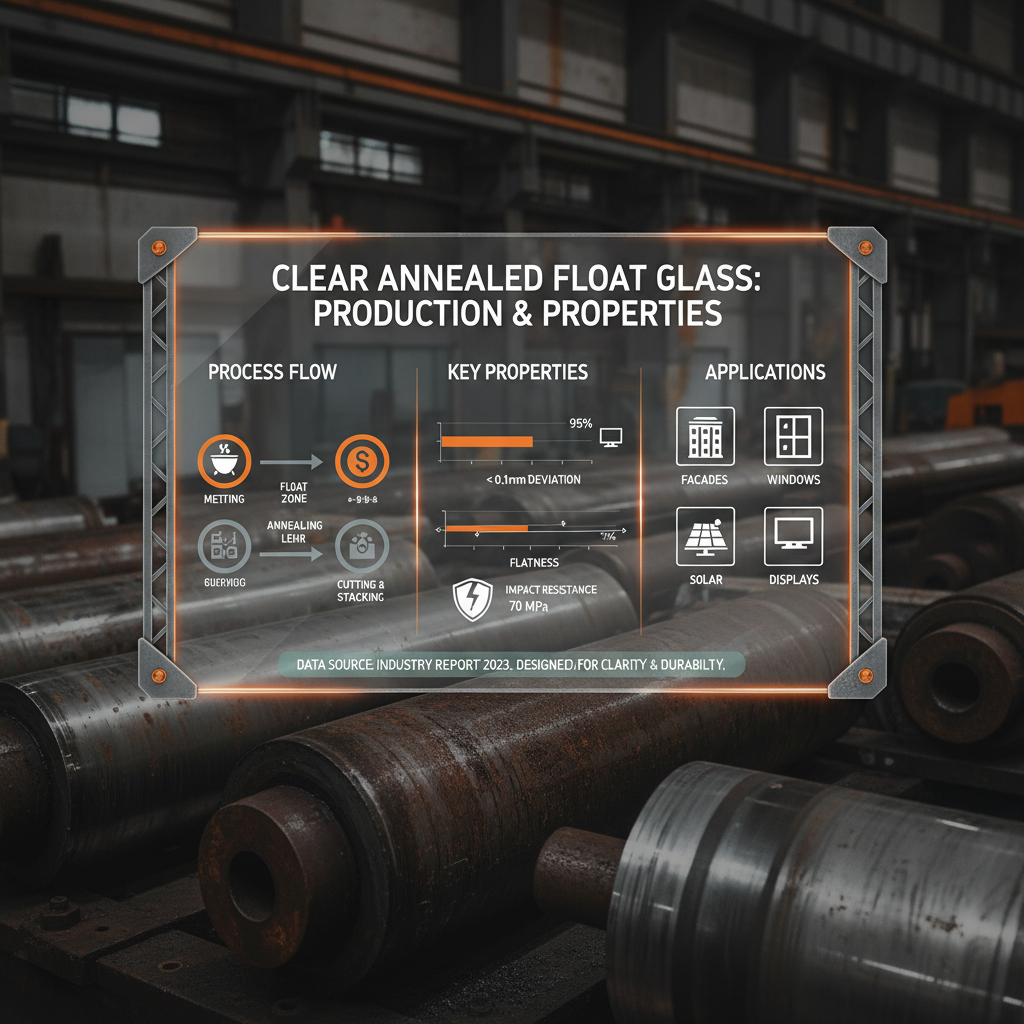
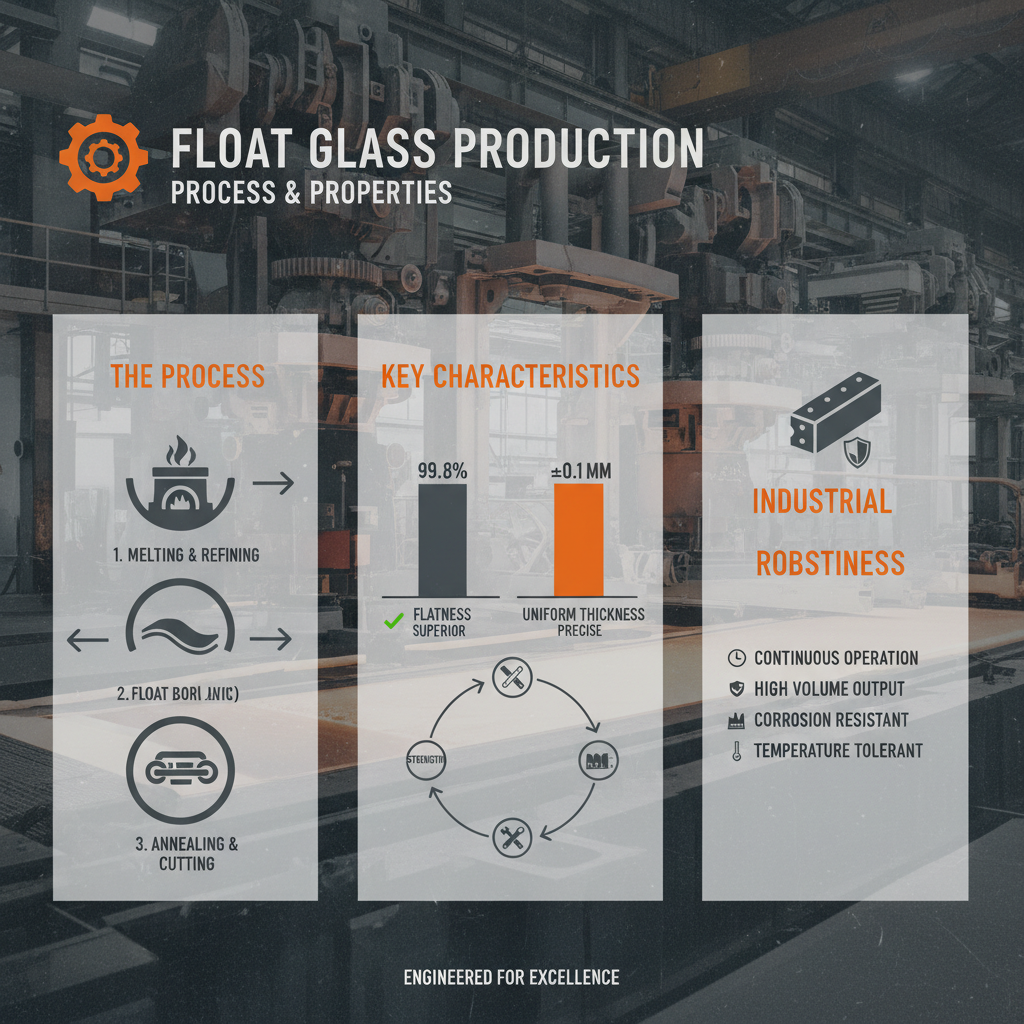
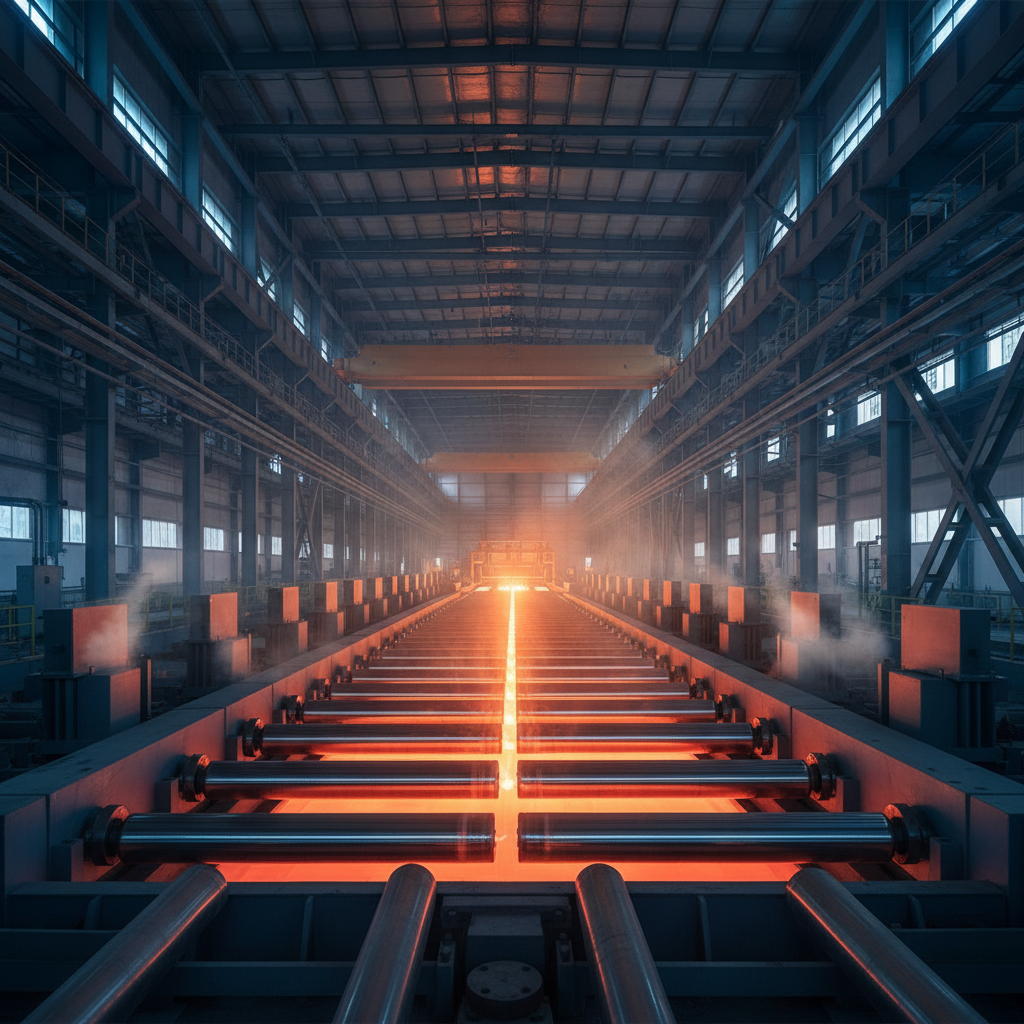
Clear annealed float glass is produced by floating molten glass on a bed of molten tin, resulting in a perfectly flat surface. This process, developed in the 1950s, revolutionized the glass industry, replacing traditional, less consistent methods. It's essential for creating safe, aesthetically pleasing, and energy-efficient structures and products, forming the base material for many further processed glass types.
Introduction to clear annealed float glass
Clear annealed float glass, the most commonly produced form of glass, is a versatile material utilized across a vast spectrum of applications. Its relatively low production cost coupled with its excellent optical clarity makes it an attractive option for window glazing, automotive windshields, and various decorative uses. Understanding its fundamental properties and manufacturing processes is crucial for maximizing its performance and sustainability.
Beyond its prevalent uses, advancements are continually expanding the application of clear annealed float glass. Researchers are exploring innovative coatings and treatments to enhance its energy efficiency, durability, and even its ability to generate solar energy, further cementing its role in a more sustainable future.
Global Relevance and Industry Context
The global demand for clear annealed float glass is intricately linked to global economic growth, particularly in developing nations. The rapid expansion of urban centers in Asia, Africa, and South America necessitates large quantities of glass for construction, driving the industry’s growth. The automotive industry, with its increasing production volumes, also represents a significant consumer of this material. The ISO standards governing glass quality ensure consistent safety and performance across international markets.
However, the industry faces challenges concerning energy consumption during manufacturing and the environmental impact of glass waste. Production of clear annealed float glass is energy intensive, requiring high temperatures. Reducing this energy footprint through innovative furnace technologies and increased recycling efforts are vital for sustainable growth. The rising costs of raw materials, like silica sand, also pose a potential threat to long-term affordability.
Furthermore, geopolitical factors and trade policies can significantly influence the supply chain and pricing of clear annealed float glass. Tariffs and trade restrictions can disrupt the flow of materials, impacting projects worldwide and potentially leading to increased costs for consumers. Maintaining a stable and transparent global supply chain is critical for ensuring accessibility and affordability.
Defining clear annealed float glass
Clear annealed float glass is a sheet glass manufactured using the float process, where molten glass is poured onto a bath of molten tin. This process yields a glass with perfectly flat surfaces, eliminating the distortions commonly found in older manufacturing methods. The term “annealed” refers to a controlled cooling process that relieves internal stresses within the glass, making it more durable and less prone to breakage. It's considered the 'base' glass for many subsequent glass processing techniques.
Its connection to modern industry is undeniable. It underpins advancements in architectural design, allowing for larger, more expansive windows and curtain walls. It's also crucial in the automotive sector, providing windshields and windows that meet stringent safety standards. In humanitarian contexts, clear annealed float glass is used in creating temporary shelters and providing safe, weatherproof enclosures.
The clarity of clear annealed float glass, typically exceeding 90% light transmission, is a defining characteristic. This high transparency makes it ideal for applications where natural light is paramount, reducing the need for artificial lighting and contributing to more energy-efficient buildings and vehicles. Its relatively neutral color also allows for accurate color rendition, making it suitable for displays and artistic applications.
Key Characteristics of clear annealed float glass
Durability is a primary characteristic. The annealing process significantly reduces the internal stresses, making it considerably stronger than non-annealed glass. This strength translates to greater resistance to thermal shock and mechanical impact, enhancing its safety and longevity. Scalability refers to the ease with which it can be produced in large quantities to meet fluctuating demands.
Cost efficiency is another significant benefit. The float process, while requiring initial investment, is a highly efficient method for mass production, resulting in relatively low per-unit costs. This affordability makes it accessible for a wide range of applications, from residential construction to large-scale commercial projects. Thermal insulation, although not exceptionally high in its basic form, can be improved through coatings or laminated configurations.
Optical clarity is paramount. Its high light transmission provides excellent visibility and allows for bright, well-lit spaces. Its relatively smooth surface minimizes distortions, making it ideal for applications where accurate vision is essential, such as windows, displays, and optical instruments. Finally, Versatility allows it to be easily cut, shaped, and processed for numerous applications, including tempering, laminating, and coating.
Clear annealed float glass Method Comparison
Applications Across Industries
In the construction industry, clear annealed float glass forms the foundation for windows, doors, and curtain walls in both residential and commercial buildings. Its transparency and durability are highly valued, providing natural light and structural integrity. The automotive sector utilizes it extensively for windshields, side windows, and rear windows, prioritizing safety and visibility.
The furniture industry leverages it for tabletops, shelves, and decorative elements, showcasing its aesthetic appeal and versatility. Furthermore, in the electronics industry, clear annealed float glass serves as a substrate for displays in televisions, computer monitors, and mobile devices, capitalizing on its high clarity and flat surface. In post-disaster relief operations, it provides essential materials for constructing temporary shelters and creating safe, protected environments.
Globally, regions with rapid urbanization, such as China, India, and Southeast Asia, are experiencing particularly high demand for clear annealed float glass. Similarly, countries in the Middle East, undergoing significant infrastructure development, also represent key markets. The European Union, with its stringent building codes and emphasis on energy efficiency, drives innovation in glass technologies and sustainable manufacturing practices.
Benefits and Long-Term Value
The cost efficiency of clear annealed float glass, compared to alternative materials, is a significant advantage. Its mass production capabilities and readily available raw materials contribute to its affordability, making it accessible for a wide range of projects. Its sustainability is enhanced through recycling programs, reducing landfill waste and conserving resources. Improved energy efficiency in buildings and vehicles, reducing reliance on artificial lighting and heating/cooling systems, is another key benefit.
From a social impact perspective, its use in providing safe and durable shelters during emergencies and disaster relief efforts offers a tangible humanitarian benefit. The reliability of clear annealed float glass inspires trust in the products it’s used in, enhancing consumer confidence. Finally, its continuous innovation drives advancements in glass technology, offering new solutions to meet evolving needs.
Future Trends and Innovation
The integration of smart glass technologies, such as electrochromic glass which can change its transparency in response to voltage, represents a significant trend. This technology enhances energy efficiency and provides greater control over indoor environments. Developments in thin-film coatings are improving the thermal performance and durability of clear annealed float glass, reducing heat transfer and minimizing the risk of damage.
Increased automation in manufacturing processes is leading to greater precision, reduced waste, and lower production costs. The focus on circular economy principles is driving research into innovative glass recycling technologies, aiming to minimize environmental impact and promote resource conservation. The application of digital transformation technologies, such as AI-powered quality control systems, is further optimizing production efficiency and ensuring consistent product quality.
Challenges & Solutions
One significant challenge is the high energy consumption associated with float glass manufacturing. Solutions involve investing in more efficient furnace technologies, utilizing alternative energy sources, and optimizing the production process to reduce waste. Another challenge is the increasing cost of raw materials, particularly silica sand. Exploring alternative raw materials and implementing efficient sourcing strategies can mitigate this issue.
Addressing the issue of glass waste requires robust recycling infrastructure and the development of technologies that can effectively process and repurpose glass cullet. Promoting the use of recycled glass in new products can create a closed-loop system, reducing environmental impact. Implementing stricter regulations and industry standards regarding glass waste management can also encourage responsible practices.
Finally, improving the thermal performance of clear annealed float glass without sacrificing its clarity and transparency is an ongoing challenge. Developing advanced coatings and laminated configurations that enhance insulation while maintaining optical properties offers a promising avenue for innovation.
Clear Annealed Float Glass Quality Analysis
| Manufacturing Process |
Clarity Score (1-10) |
Durability Score (1-10) |
Cost Efficiency (1-10) |
| Standard Float Process |
9 |
7 |
8 |
| Low-Iron Float Process |
10 |
7 |
6 |
| Annealing Cycle A |
9 |
8 |
7 |
| Annealing Cycle B |
9 |
9 |
7 |
| Surface Treatment X |
8 |
8 |
9 |
| Surface Treatment Y |
9 |
7 |
8 |
FAQS
Clear annealed float glass is extensively used in modern architecture for a variety of applications, including windows, curtain walls, glass doors, and interior partitions. Its clarity, durability, and ability to be processed further – like tempering or laminating – make it ideal for creating aesthetically pleasing and structurally sound buildings. It's also a key component in skylights and glass roofs, maximizing natural light penetration and reducing the need for artificial lighting.
The annealing process involves slowly cooling the glass after it's been formed. This controlled cooling releases internal stresses that develop during manufacturing. These stresses, if left unchecked, can weaken the glass and make it prone to breakage. By removing these stresses, annealing significantly increases the strength and durability of clear annealed float glass, making it more resistant to thermal shock and impact.
The production of clear annealed float glass is energy-intensive, requiring high temperatures. This results in a significant carbon footprint. Furthermore, sourcing raw materials, like silica sand, can have environmental impacts. However, there are ongoing efforts to mitigate these effects, including using alternative energy sources, optimizing the manufacturing process to reduce waste, and increasing the use of recycled glass cullet. Sustainable manufacturing practices are becoming increasingly important in the industry.
Yes, clear annealed float glass is highly recyclable. Recycling glass reduces the need to extract new raw materials, conserving natural resources and reducing energy consumption. Recycled glass, known as cullet, can be used in the production of new glass products, lowering manufacturing costs and reducing landfill waste. Glass recycling also helps to reduce emissions and minimize environmental pollution.
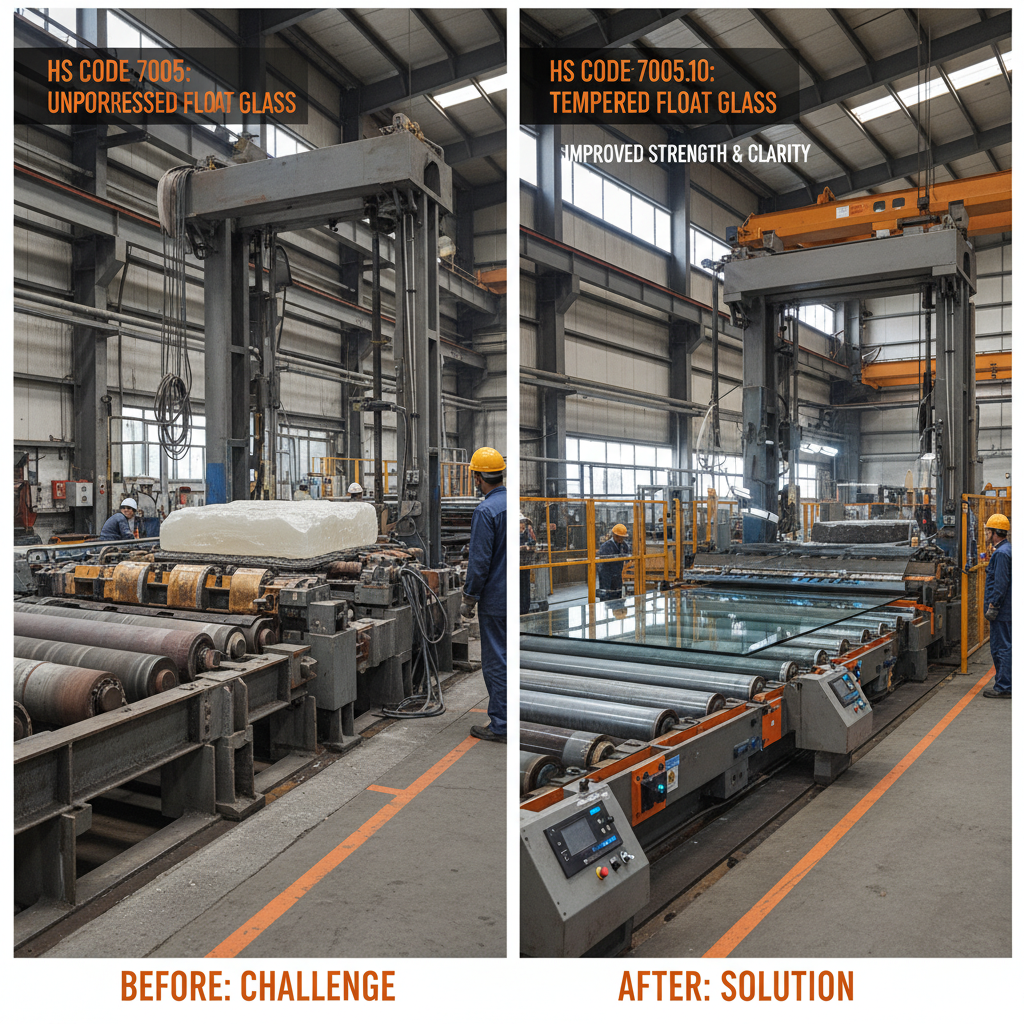
While both are made from the same base material, clear annealed float glass and tempered glass have significantly different properties. Tempered glass undergoes a heat treatment process that makes it much stronger than annealed glass. When broken, tempered glass shatters into small, relatively harmless pieces, while annealed glass breaks into larger, sharp shards. Tempered glass is used in applications requiring greater safety, such as car windows and shower doors.
Quality control is a critical aspect of clear annealed float glass manufacturing. Throughout the process, numerous inspections are conducted to assess properties like thickness, flatness, clarity, and the presence of defects. Optical scanners and automated vision systems are used to detect imperfections. Samples are also rigorously tested for strength, thermal shock resistance, and chemical durability to ensure they meet industry standards and customer specifications.
Conclusion
Clear annealed float glass remains a cornerstone material in numerous industries, providing a versatile and cost-effective solution for a wide range of applications. Its inherent properties of clarity, durability, and scalability, coupled with ongoing innovations in manufacturing and processing, ensure its continued relevance in the modern world. Understanding its characteristics and potential is crucial for professionals across various fields.
Looking ahead, the future of clear annealed float glass hinges on embracing sustainable practices and exploring new technologies. By prioritizing energy efficiency, maximizing recycling efforts, and developing innovative coatings and treatments, we can unlock its full potential and contribute to a more environmentally responsible and technologically advanced future. Visit our website at www.wangmeiglass.com to learn more about our range of high-quality glass products.