23 Oct 2026
THE BUYER'S GUIDE / SELECTION
A buyer-focused guide to defining a clear float glass order before comparing quotations. It covers the 3–12mm thickness range and hot sizes of Wangmei Industrial Group Co.,Ltd.'s Clear Float Glass, how the glass is made, end uses, and when Ultra Clear Float Glass or Clear Laminated Glass may suit a project better.
Thickness: Clear Float Glass is listed at 3–12mm; specify an exact thickness for each line item
Sheet size: listed hot sizes 2140×3660, 2140×3300, 2440×3660, 2440×3300 and 1830×2440, or a customized size
Supply condition: raw annealed base sheet versus cut, edged, tempered, coated or laminated glass
End use: construction, automotive, electronics substrate, home decoration or solar, and whether further processing is needed
Optical requirement: standard clear versus ultra clear (low iron) for higher transmittance
Safety and acoustic requirement: whether fragment retention or sound insulation calls for laminated glass
Buyers searching for a clear float glass price usually want a figure they can compare between suppliers. A price only means something once it is tied to a full specification: thickness, sheet size, glass type and what happens to the glass after it is supplied. This guide uses the confirmed product information from Wangmei Industrial Group Co.,Ltd. to help procurement teams, distributors and project buyers set out those details before they ask for quotes.
In the product description, float glass is made by letting molten glass flow continuously from the tank furnace onto a bath of molten tin. Gravity and surface tension spread the glass evenly. It cools into a ribbon with a flat surface and uniform thickness, and is then annealed and cut into finished sheets.
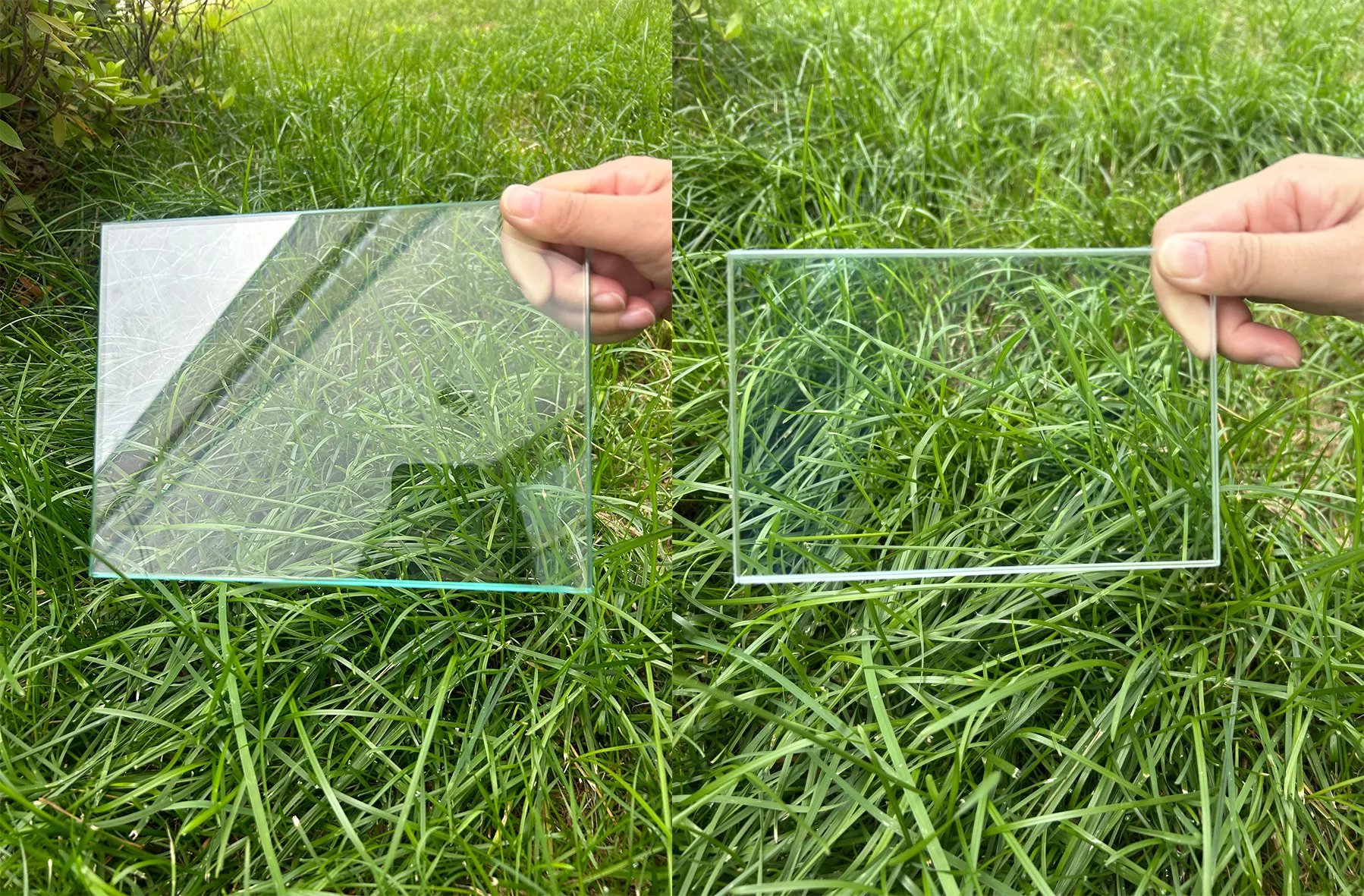
The listed product features are high transparency, a flat and smooth surface, uniform thickness, high hardness and good chemical stability. The description also calls clear float glass the basic original sheet for deep glass processing. It can be cut, edged, tempered, coated or laminated afterwards.
For buyers, the key question is whether you are buying clear annealed float glass as a raw sheet, or a finished processed product. Quotes for these two things cannot be compared directly. State clearly which one you need.
The published listing for Clear Float Glass gives a thickness range of 3–12mm. (One source metadata title mentions a wider range. This article uses only the published product excerpt, so confirm any thickness outside 3–12mm with the supplier first.)
When you request a quote, name the exact thickness for each line item rather than giving a range. Otherwise each supplier may quote a different thickness and the prices will not line up.
The listed hot sizes for Clear Float Glass are:
Say whether you want a listed hot size or a custom cut, and confirm units and tolerances in writing. A quote for full stock sheets and a quote for cut-to-size pieces describe different scopes of supply.
The product material lists these application areas for clear float glass:
| Field | Documented use | Selection note |
|---|---|---|
| Construction | Doors, windows and curtain walls for residential, commercial and office buildings; daylighting, heat and sound insulation | Safety-critical locations usually call for further processing such as tempering or laminating |
| Automotive | Windshields, side and rear windows | Only after processing such as tempering or lamination, as the source states |
| Electronic information | Original sheet for LCD/OLED substrate glass | The source links this to ultra-thin float glass and fine processing, which is outside the 3–12mm listing |
| Home decoration | Mirrors (via silver plating), tabletops, cabinet doors, decorative art glass | Confirm the downstream process with your processor |
| Solar photovoltaic | Original sheet for cover and back-sheet glass | After tempering, coating and similar treatment |
In most of these uses, clear float glass is the starting material, not the finished part. Your quote should say whether processing is included.
Before you settle on a price, check whether another documented product fits the project better.
Ultra Clear Float Glass (low iron). The source describes this product as having higher transparency, better transmittance and a smoother surface than standard glass. Its listed uses include scanner and photocopier panels, display cabinets, showcases, shop windows, aquariums, solar glass, furniture and greenhouses. Listed thicknesses are 3, 3.2, 4, 5, 6, 8, 10, 12, 15 and 19mm, among others, with hot sizes such as 3660×2140, 3300×2440 and 1830×2440. Consider it when optical clarity is the main requirement, or when you need a thickness above 12mm.
Clear Laminated Glass. This product bonds two or more layers of glass with an EVA, PVB or SGP interlayer under heat and pressure. If the glass breaks, the fragments stick to the film. The interlayer also blocks some UV and sound. The listing gives 3–12mm thicknesses in customized sizes. Typical uses include high-rise windows, curtain walls, skylights, buildings near airports or railways, bank and jewelry store windows, museum cases, partitions and bathroom glass. Consider it when fragment retention or sound reduction is required.
Whether you are comparing float glass manufacturers or float glass wholesale offers, ask every supplier to quote against the same written specification:
With these points fixed, quotes for clear float glass price can be compared fairly. Contact Wangmei Industrial Group Co.,Ltd. with your specification to get a quotation for Clear Float Glass.
THE PEOPLE

About the author
THE COMPANY
Founded in 2000, the Wangmei Group has grown over the past two decades into a large modern enterprise group, specializing in the R&D and manufacture of high-quality float glass, processing glass, and high-end doors and windows. Wangmei Group has consistently adhered to the policies and regulations of the Pary and the state, actively responding to government initiatives, and fulfiling the reguirements of the "carbon dioxide emission and carbon neutrality" policies, The Group is commited to adopting an…
About Us ↗Visit company website ↗YOUR NEXT STEP
Use case, specification, quantity and delivery window: make the next conversation specific.