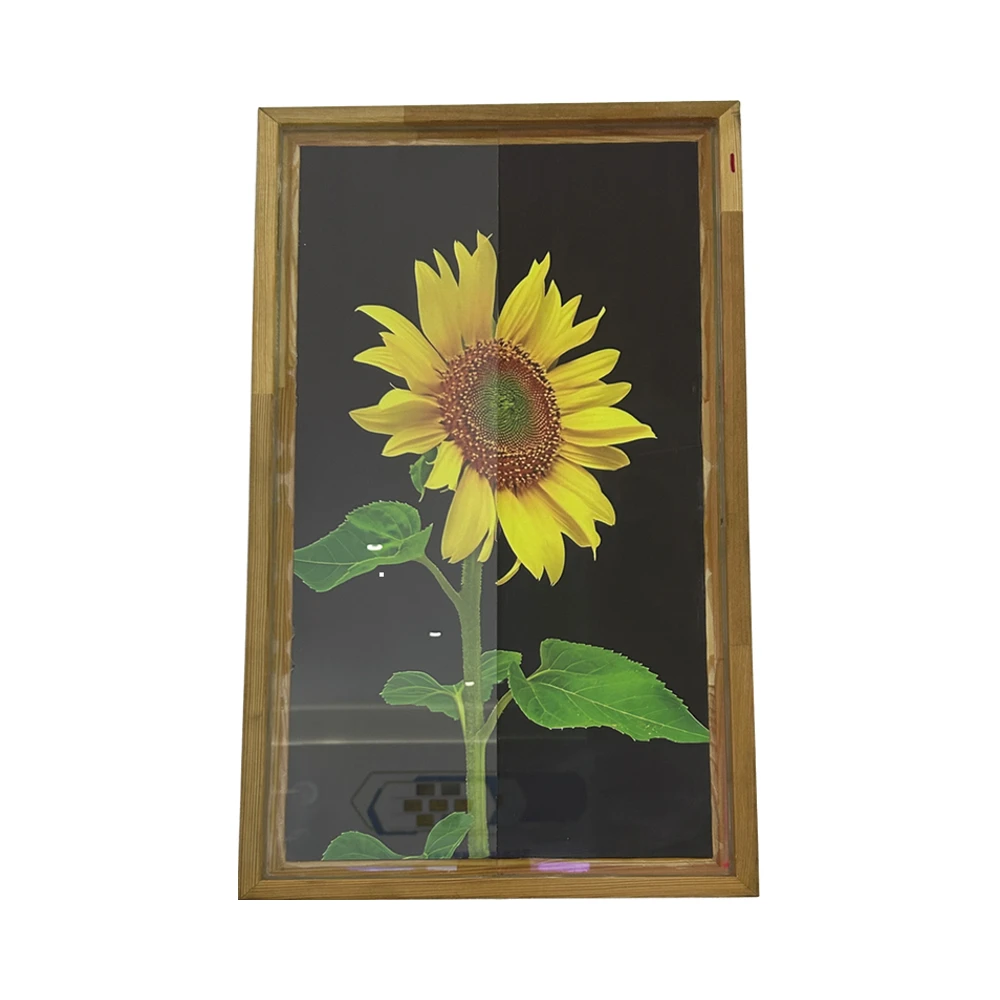
The Strategic Imperative of tempered glass bulk in Industrial Applications
In the realm of advanced industrial and architectural projects, the demand for high-performance glass solutions is paramount. Procuring tempered glass bulk is a strategic decision for B2B entities seeking reliability, safety, and operational efficiency. Tempered glass, also known as toughened glass, undergoes a controlled thermal or chemical treatment to increase its strength compared to normal glass. This process induces compressive stresses on the surface and tensile stresses in the interior, resulting in a product that is four to five times stronger than annealed glass of the same thickness. Furthermore, when broken, it shatters into small, granular chunks instead of sharp, jagged shards, significantly reducing the risk of injury. This inherent safety characteristic, combined with its enhanced mechanical strength and thermal shock resistance, positions tempered glass bulk as an indispensable material across a myriad of demanding applications, from robust architectural facades and industrial machinery components to automotive safety glass and high-security installations. Our focus here is to delve into the critical aspects of sourcing and utilizing this essential material, exploring its manufacturing, technical specifications, diverse applications, and the authoritative standards that govern its quality.
Industry Trends and Market Dynamics for Toughened Glass
The global market for tempered glass is experiencing robust growth, driven by escalating demand in construction, automotive, and renewable energy sectors. Recent market analyses indicate a compound annual growth rate (CAGR) exceeding 6% for the tempered glass market, projected to reach over $70 billion by 2028. This growth is significantly influenced by stringent safety regulations worldwide, particularly in building codes and automotive safety standards, which increasingly mandate the use of safety glass like tempered glass bulk. Innovations in architectural design, favoring expansive glass structures for aesthetic appeal and natural lighting, further fuel this demand. Concurrently, the rise of smart glass technologies, integrating features like electrochromic layers and embedded sensors, is expanding the application spectrum of different types of tempered glass. The focus on energy efficiency in buildings also promotes the adoption of advanced glazing solutions, often incorporating toughened glass types, to enhance thermal insulation and UV protection. Supply chain resilience, technological advancements in tempering furnaces, and the emphasis on sustainable manufacturing practices are also pivotal trends shaping the landscape for bulk tempered glass procurement, pushing for greater efficiency, precision, and environmental responsibility from suppliers.
The Manufacturing Process Flow of Tempered Glass
The production of tempered glass bulk involves a meticulously controlled series of steps to imbue the glass with its characteristic strength and safety features. Understanding this process is crucial for B2B buyers to appreciate the quality and integrity of the final product and to evaluate a supplier's expertise.
- 1. Glass Cutting and Shaping: High-quality annealed float glass sheets are initially cut to precise dimensions and shapes. For complex or special-shaped tempered glass, advanced CNC machining and waterjet cutting technologies are employed to achieve intricate geometries with high accuracy. Edges are then precisely ground and polished to eliminate micro-cracks and stress points, which are critical precursors to potential failures during tempering. The specific product materials typically originate from silicate sands, soda ash, and limestone, melted and formed into flat glass.
- 2. Washing and Cleaning: The cut and shaped glass pieces undergo a thorough washing process using industrial-grade washing machines with de-ionized water and specialized detergents. This step is essential to remove any dust, debris, oils, or residues from the surface, preventing imperfections and potential defects during the high-temperature tempering process.
- 3. Heating (Tempering Furnace): The clean glass is then conveyed into a tempering furnace, where it is uniformly heated to a high temperature, typically between 620-680°C (1150-1250°F), just below its softening point. This heating phase is meticulously controlled to ensure even heat distribution across the entire glass surface and thickness, crucial for developing uniform stress patterns later. Advanced furnaces utilize convection heating for optimal thermal transfer.
- 4. Quenching (Rapid Cooling): Immediately upon exiting the furnace, the hot glass undergoes a rapid cooling process called "quenching." High-pressure air jets are blown onto both surfaces of the glass simultaneously. This cools the outer layers rapidly, causing them to contract and solidify in a state of high compression. As the interior of the glass cools more slowly, it tries to contract but is held back by the already solidified, compressed outer layers, resulting in a state of tension. This differential cooling creates the internal stress patterns characteristic of tempered glass, imparting its exceptional strength.
- 5. Quality Control and Testing: Each batch of tempered glass bulk undergoes rigorous quality control and testing. This includes visual inspections for surface defects, optical distortion measurements, bow and warp checks, and fragmentation tests. Fragmentation tests are critical, as they verify that the glass, when broken, shatters into the small, benign pieces mandated by safety standards. These tests ensure the glass meets specified mechanical properties, safety requirements, and dimensional tolerances.
The service life of properly manufactured and installed tempered glass bulk can exceed 20-30 years, depending on environmental conditions and maintenance. Target industries for this robust material include petrochemical (for high-pressure sight glass and vessel windows), metallurgy (for safety enclosures and heat shields), water supply & drainage (for observation ports in demanding fluid handling systems), as well as architectural (facades, balustrades), and automotive (safety glazing). Advantages in typical application scenarios include superior energy saving properties when incorporated into insulating glass units due to improved thermal performance, and exceptional corrosion resistance, particularly for specialty tempered glass used in harsh industrial environments or marine applications. Its inherent resistance to thermal stress means it can withstand rapid temperature changes, making it ideally suited for environments with fluctuating thermal loads and reducing risk of thermal breakage.
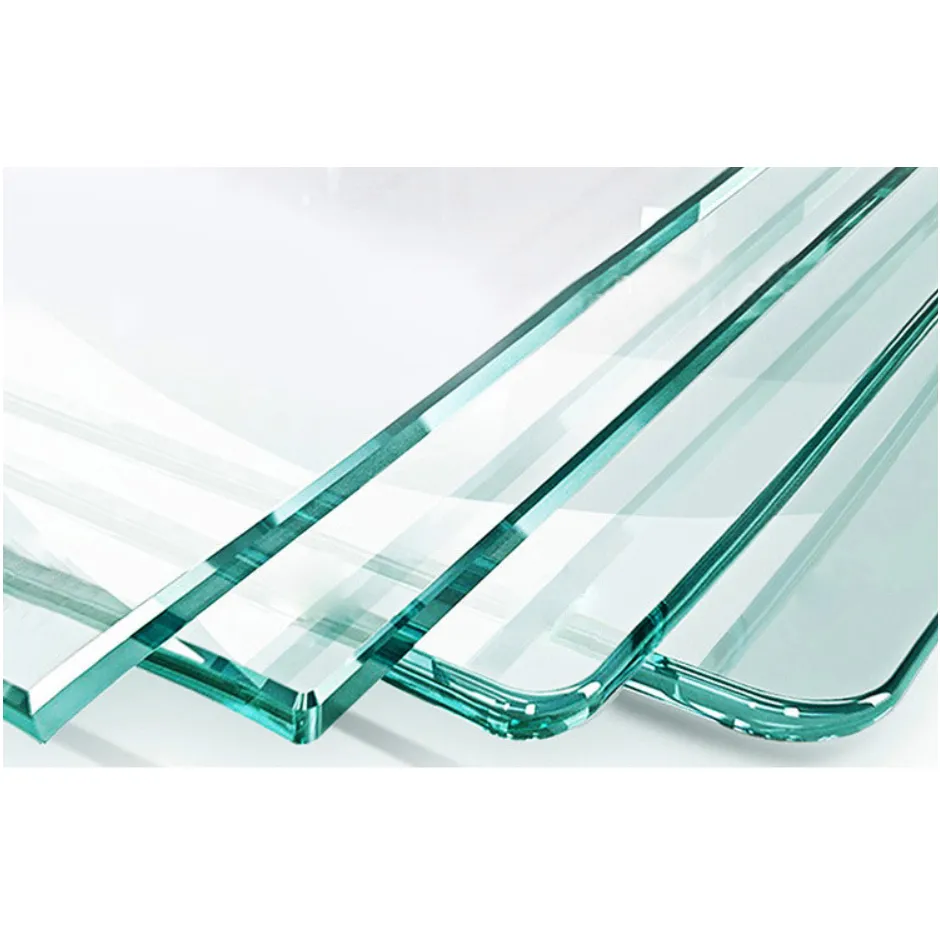
Fig 1: Illustrative diagram of the tempering process, highlighting heating and rapid cooling stages.
Technical Specifications and Types of Tempered Glass
The diverse applications of tempered glass bulk necessitate a comprehensive understanding of its technical specifications and the various toughened glass types available. These variations cater to specific performance requirements, structural demands, and aesthetic considerations for a wide array of industrial and commercial projects.
Different Types of Tempered Glass:
- ‣ Clear Tempered Glass: The most common and cost-effective type, offering high light transmittance and optical clarity. Widely used in architectural glazing, shower enclosures, furniture, and general industrial applications where visual access is required without specific light control.
- ‣ Low-Iron Tempered Glass (Extra Clear): Characterized by its ultra-clear, virtually colorless appearance due to a significantly reduced iron content. This results in superior light transmission and true color rendition, making it ideal for high-end display cases, solar panels, museum exhibits, and architectural elements requiring maximum transparency.
- ‣ Tinted Tempered Glass: Contains additives (e.g., iron, cobalt) that provide various colors such as bronze, grey, green, or blue. Primarily used for aesthetic purposes, glare reduction, and solar heat gain control in building facades, automotive windows, and interior design elements.
- ‣ Coated Tempered Glass: Features specialized coatings (e.g., low-emissivity (Low-E), reflective, anti-glare) applied to improve thermal performance, reduce solar gain, or enhance aesthetics. Critical for energy-efficient building envelopes and specialized industrial displays. These coatings can significantly reduce HVAC loads and improve occupant comfort.
- ‣ Patterned/Textured Tempered Glass: Offers decorative patterns or textures on its surface, often for privacy, light diffusion, or unique aesthetic design. Commonly used in interior partitions, shower screens, and decorative elements where visual obscurity and light diffusion are desired.
- ‣ Ceramic Fritted Tempered Glass: Features ceramic paint applied to the glass surface before the tempering process, which then bakes onto the glass, creating a durable, opaque pattern or solid color. This provides solar control, privacy, and decorative elements, commonly seen in spandrel panels and decorative facades.
Typical Product Specification Table: Special-Shaped Tempered Glass
| Parameter |
Specification |
| Material |
High-Quality Float Glass (Clear, Low-Iron, Tinted options) |
| Thickness Range |
4mm to 19mm (0.12 in to 0.75 in) |
| Max. Size (Special-Shaped) |
Up to 2440mm x 6000mm ( 96 in x 236 in ) - Custom |
| Min. Size |
100mm x 100mm (4 in x 4 in) |
| Edge Work Options |
Polished, Flat, Beveled, Pencil, Ogee, Custom Profiles |
| Hole & Cut-out Tolerance |
±1mm |
| Surface Compression |
>69 MPa (10,000 psi) |
| Impact Resistance |
4-5 times stronger than annealed glass |
| Thermal Shock Resistance |
Withstands ΔT up to 250°C (482°F) |
These specifications are crucial for architects, engineers, and procurement managers in selecting the appropriate tempered glass bulk for their projects. Adherence to international standards ensures performance, safety, and compatibility with various structural systems, providing a foundation of reliability for critical applications.
Technical Advantages of Tempered Glass
The selection of tempered glass bulk over conventional glass types is driven by a suite of technical advantages that address critical requirements in industrial, commercial, and architectural environments:
- ✓ Enhanced Mechanical Strength: Tempered glass is typically 4-5 times stronger than annealed glass of the same thickness, offering superior resistance to impact, bending, and torsion. This increased robustness makes it highly suitable for applications where mechanical stress or potential physical impact is a significant concern, contributing to overall structural integrity.
- ✓ Superior Safety Characteristics: In the event of breakage, tempered glass fragments into small, blunt, relatively harmless pieces, drastically reducing the risk of severe lacerations or injuries compared to the large, jagged shards produced by annealed glass. This inherent safety feature is a primary driver for its mandated use in safety-critical applications like public spaces, shower enclosures, and vehicle windows.
- ✓ High Thermal Shock Resistance: Tempered glass can withstand rapid temperature fluctuations and extreme thermal gradients much better than ordinary glass. It can endure temperature differences of up to 250°C (482°F) without breaking, making it ideal for high-temperature applications such as oven doors, fireplace screens, and industrial process windows. This property contributes significantly to energy saving in thermal systems by maintaining integrity under varied operating conditions.
- ✓ Corrosion Resistance: While glass inherently possesses good chemical stability, specialized tempering processes can further enhance surface integrity and density, offering improved resistance in certain aggressive chemical environments. This makes it vital for applications in petrochemical facilities, laboratories, and marine settings where exposure to corrosive agents is common.
- ✓ Enhanced Durability and Longevity: The increased surface hardness and internal stress patterns make tempered glass more resistant to scratches and abrasion compared to annealed glass. This enhanced durability translates into a longer service life, reduced need for replacement, and lower overall maintenance costs in demanding industrial and high-traffic public environments.
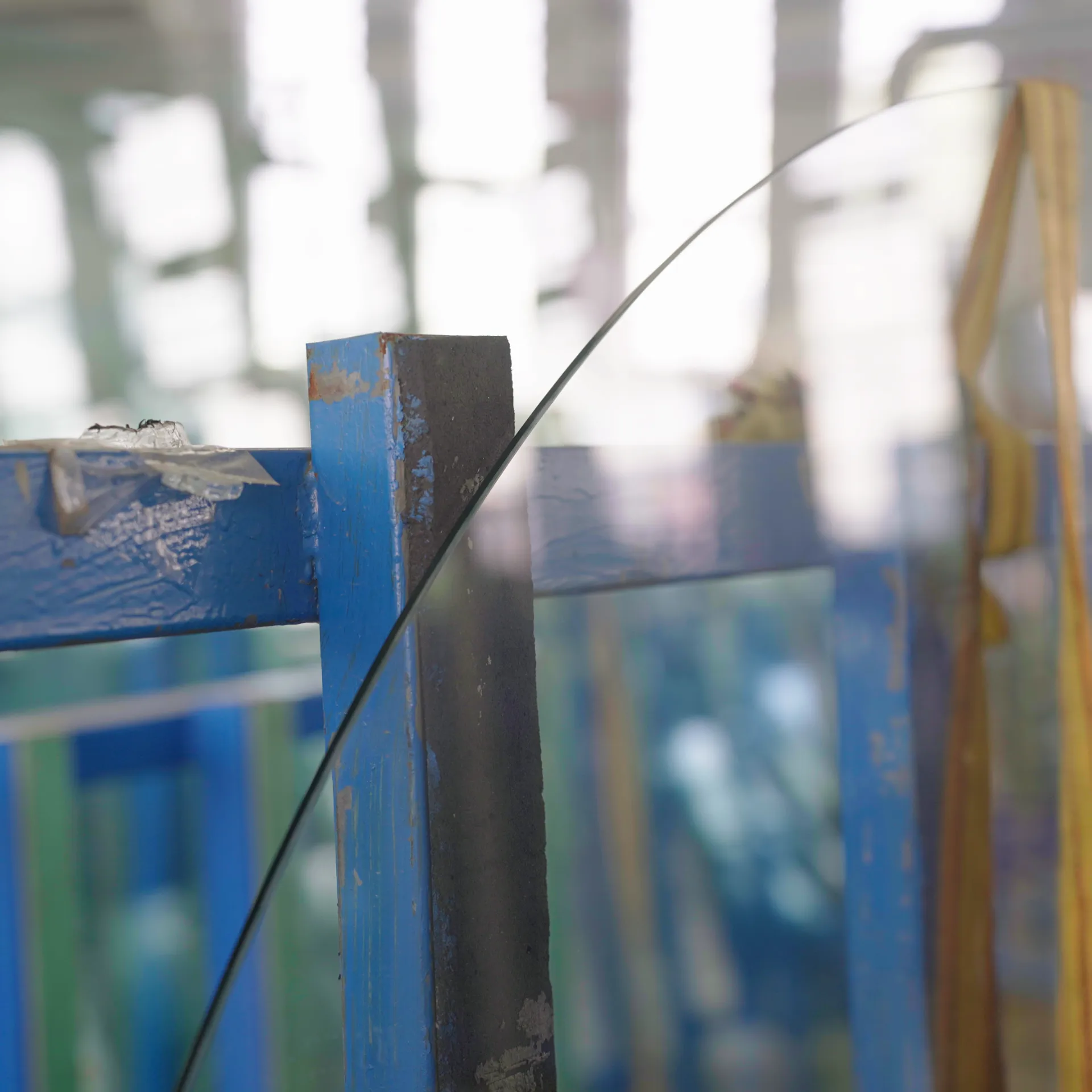
Fig 2: Tempered glass demonstrating enhanced strength and safety in industrial testing.
These advantages collectively translate into a lower total cost of ownership, improved operational safety, and enhanced performance for B2B clients leveraging tempered glass bulk in their critical applications, offering significant return on investment through reduced failures and improved safety records.
Application Scenarios and Target Industries
The versatility and robust properties of tempered glass bulk make it indispensable across a broad spectrum of industries, providing critical functionalities in diverse application scenarios where safety, strength, and aesthetic appeal are paramount.
Key Target Industries and Usage Scenarios:
- ● Architectural & Construction: Widely utilized in building facades, curtain walls, balustrades, skylights, interior partitions, shower doors, and overhead glazing. Its superior safety and structural integrity are critical for public and commercial buildings, ensuring occupant protection and compliance with stringent building codes.
- ● Automotive & Transportation: Essential for side and rear windows in cars, trucks, buses, trains, and marine vessels. Here, impact resistance and safe fragmentation into blunt pieces are crucial for passenger safety in the event of an accident.
- ● Industrial & Manufacturing: Found in safety screens for heavy machinery, protective enclosures, robust panels for control systems, and critical observation ports.
- » Petrochemical: Special-shaped tempered glass is used for sight glasses in high-pressure reactors, level gauges, and observation windows for storage tanks, requiring excellent thermal, chemical, and pressure resistance.
- » Metallurgy: Employed as protective shields around furnaces, casting areas, and grinding stations, demanding high thermal shock resistance and impact protection against flying debris.
- » Water Supply & Drainage: Integrated as observation ports in water treatment plants, pumping stations, and sewage systems, where clarity and structural integrity under constant pressure and corrosive environments are key.
- ● Electronics & Appliances: Used in oven doors, microwave windows, refrigerator shelves, and protective display screens due to its durability, heat resistance, and aesthetic finish.
- ● Furniture & Interior Design: Found in table tops, shelves, decorative panels, and partitions where strength, scratch resistance, and aesthetic appeal are combined for functional and safe design.
Customer feedback consistently highlights the superior safety performance and longevity of properly specified toughened glass types in high-traffic and demanding environments. For instance, in a large-scale commercial building project, the selection of special-shaped tempered glass for the atrium skylight not only met stringent wind load requirements but also provided peace of mind regarding occupant safety, validated by post-installation inspection and long-term performance data, minimizing future maintenance liabilities.
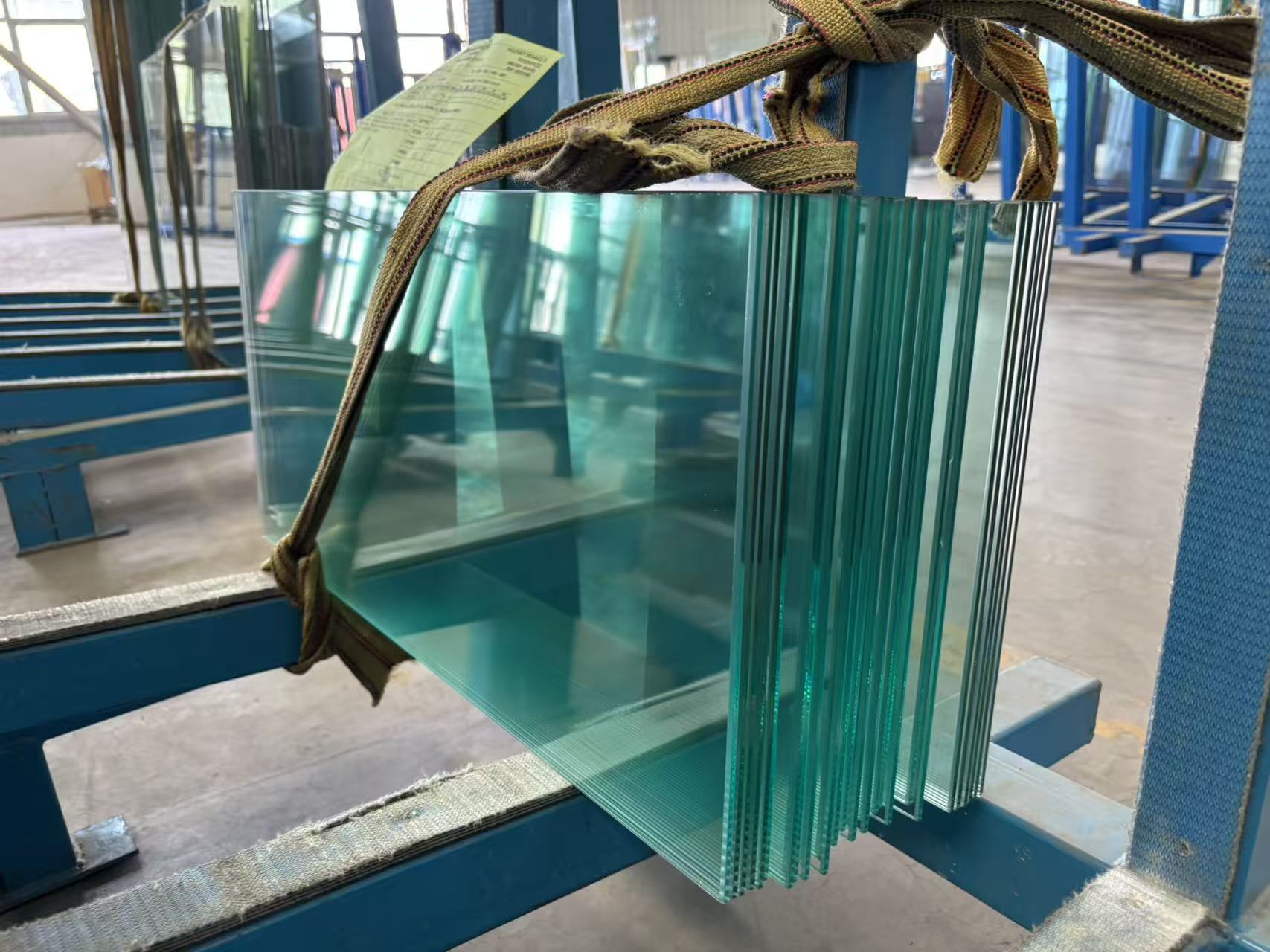
Fig 3: Tempered glass in an architectural application, showcasing clarity and structural integration.
Customized Solutions for Tempered Glass Bulk
Recognizing that standard glass solutions may not always meet the unique demands of specialized B2B projects, leading providers of tempered glass bulk often offer extensive customization capabilities. These bespoke solutions ensure that the glass perfectly integrates with complex designs and high-performance requirements, without compromising on safety or aesthetic intent.
Comprehensive Customization Options Include:
- ★ Shape and Size: From intricate geometric patterns and curved sections to extremely large or unusually small dimensions, advanced CNC machining and precision cutting tools allow for the accurate realization of complex designs, including highly specialized special-shaped tempered glass components.
- ★ Thickness and Composition: Tailoring glass thickness precisely to meet specific structural load requirements, wind pressure resistances, or thermal performance metrics. This also includes selecting from various different types of tempered glass substrates (e.g., low-iron for optical clarity, tinted for solar control, ceramic fritted for aesthetics and solar gain).
- ★ Edge Work and Fabrication: A wide array of precise edge finishing options (e.g., polished, flat, beveled, pencil, Ogee, custom profiles) and accurate drilling or cut-outs for hardware integration, hinges, and attachment points. All such fabrication must be flawlessly executed prior to the thermal tempering process.
- ★ Surface Treatments and Coatings: Application of advanced coatings such as anti-reflective, anti-glare, hydrophobic (easy clean), oleophobic, or low-emissivity (Low-E) layers. These treatments are applied to enhance specific performance characteristics like light transmission, thermal insulation, UV protection, or resistance to environmental elements.
- ★ Silk-Screening and Digital Printing: Incorporating custom patterns, intricate designs, company logos, or functional graphics directly onto the glass surface. This capability is used for branding, privacy screening, wayfinding, or to create unique aesthetic statements in architectural and interior design projects.
Leveraging these extensive customization capabilities allows project managers and engineers to realize complex architectural visions and demanding industrial requirements without compromising on safety, performance, or budget. Close collaboration with the manufacturer's technical teams from the initial design phase ensures that all design parameters, structural requirements, and international compliance standards are meticulously met, especially when dealing with highly specific toughened glass types for critical infrastructure.
Vendor Comparison: Selecting Your Tempered Glass Bulk Supplier
Choosing the right supplier for tempered glass bulk is a critical decision that significantly impacts project timelines, budgetary constraints, and the overall quality and longevity of the final product. A thorough vendor comparison should consider several key factors beyond just the initial price point, focusing on reliability, expertise, and long-term support.
Key Comparison Parameters for Tempered Glass Suppliers:
| Criterion |
High-Quality Supplier (Example) |
Standard Supplier (Typical) |
| Certifications & Compliance |
ISO 9001, CE, SGCC, ANSI Z97.1, EN 12150 (all applicable) |
Basic local or national industry standards, may lack international certifications |
| Customization Capabilities |
Extensive: special shapes, complex fabrication, diverse coatings, digital printing |
Limited to standard shapes, thicknesses, and basic finishes |
| Lead Time & Production Capacity |
Reliable, scalable production capacity, typically 2-4 weeks for custom orders |
Variable, potential delays, limited capacity for large or complex orders |
| Quality Control & Testing |
Rigorous in-house testing: fragmentation, optical distortion, stress analysis, impact testing |
Basic visual inspection, less comprehensive or externally validated testing |
| Technical Support & Expertise |
Dedicated engineering support, design consultation, post-sales technical assistance |
Limited technical guidance, primarily focused on order fulfillment |
| Warranty & After-Sales |
Comprehensive 5-10 year warranty, responsive issue resolution, long-term partnership approach |
Standard or limited warranty, potentially slower response times for claims |
Prioritizing suppliers with robust quality management systems, comprehensive international certifications, and proven track records in delivering diverse types of tempered glass is essential for mitigating project risks and ensuring long-term product satisfaction. Partnering with suppliers who actively invest in research and development and offer advanced solutions (like special-shaped tempered glass) can provide a significant competitive edge and ensure access to cutting-edge glass technologies.
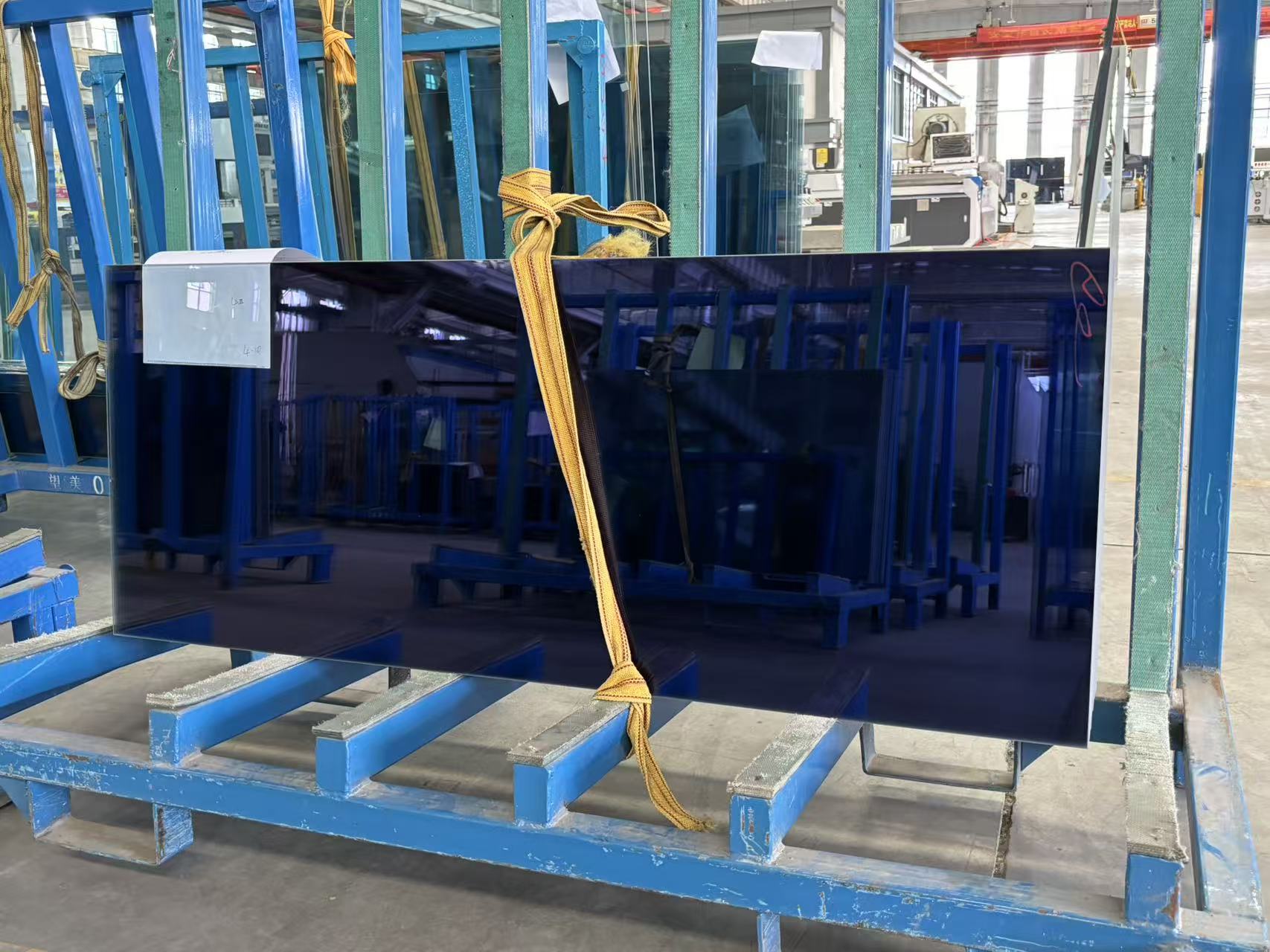
Fig 4: Quality inspection of tempered glass for industrial applications, ensuring adherence to standards.
Application Case Studies and Customer Experience
Real-world application case studies provide invaluable insights into the practical benefits, performance, and reliability of tempered glass bulk in demanding environments. These examples underscore the expertise and dedication of leading manufacturers and their impact on diverse projects.
Case Study 1: High-Performance Facade for a Commercial Skyscraper
A prominent architectural firm required bespoke types of tempered glass for a new, iconic skyscraper project situated in a high-wind urban zone with significant solar exposure. The specification demanded not only exceptional strength and safety to withstand extreme weather conditions but also superior thermal performance and advanced solar control capabilities. The selected solution involved custom-fabricated low-emissivity (Low-E) insulated glass units utilizing tempered glass bulk, incorporating precise large-format dimensions and specialized reflective coatings. The project successfully passed rigorous structural wind load tests and comprehensive thermal performance simulations, exceeding both local building codes and the client's stringent expectations for energy efficiency and occupant comfort. The building's striking glass façade, a testament to modern engineering and material science, has maintained its aesthetic appeal and functional integrity since completion, with zero reported incidents related to glass failure or thermal issues, confirming the long-term reliability of the product.
Case Study 2: Industrial Sight Glass for a Chemical Processing Plant
A major petrochemical company needed highly reliable and durable sight glass for their new array of high-pressure, high-temperature chemical reactors and storage tanks. Standard glass types proved insufficient due to the combined risks of extreme thermal shock, constant operational pressure, and potential chemical corrosion from aggressive reagents. A specialized supplier provided ultra-strong, chemically resistant special-shaped tempered glass, specifically engineered and tested to withstand these extreme industrial conditions. These particular toughened glass types underwent extensive laboratory and field trials, demonstrating exceptional resistance to both corrosive chemicals (e.g., strong acids, alkalis) and rapid temperature changes experienced during batch processing. The successful implementation of this specialized tempered glass bulk has significantly enhanced operational safety, minimized the risk of catastrophic failures, and allowed for clear, continuous monitoring of critical internal processes, ultimately leading to improved plant efficiency, reduced downtime, and lower maintenance costs. Customer feedback unequivocally highlighted the supplier's profound technical depth and their ability to custom-engineer solutions that not only met but surpassed stringent industry and safety standards.
Quality Assurance, Certifications, and Trustworthiness
Establishing trust and authority in the B2B sector relies heavily on verifiable quality assurance processes, transparent manufacturing practices, and stringent adherence to international standards. For tempered glass bulk, these factors are not merely desirable but absolutely non-negotiable for ensuring safety, performance, and compliance.
Key Certifications and Authoritative References:
- ✅ ISO 9001:2015: This certification for Quality Management Systems demonstrates a supplier's consistent ability to provide products and services that meet customer and regulatory requirements, indicating robust internal processes for manufacturing tempered glass bulk.
- ✅ EN 12150-2: The critical European standard for thermally toughened soda lime silicate safety glass, defining precise manufacturing quality, dimensional tolerances, and fragmentation characteristics. Compliance ensures safety and performance within the European Economic Area.
- ✅
- ✅ CE Marking: Mandatory for products sold within the European Economic Area, this marking indicates conformity with health, safety, and environmental protection standards, signifying that the different types of tempered glass meet essential regulatory requirements.
Reputable suppliers often boast decades of accumulated experience, a testament to their deep-rooted expertise, and established partnerships with leading construction firms, automotive manufacturers, and industrial integrators globally. This long-standing industry presence, coupled with a proven track record of delivering consistent quality, are key indicators of authoritativeness and reliability for B2B procurement managers.
Lead Time, Warranty, and Customer Support:
- → Lead Time & Fulfillment: For standard tempered glass bulk orders, typical lead times range from 5-12 business days. For highly customized or special-shaped tempered glass, which requires intricate fabrication and specialized tempering, this can extend to 3-5 weeks, depending on complexity, order volume, and current production schedules. Reputable suppliers offer transparent fulfillment details and often provide expedited options for urgent requirements, ensuring project timelines are respected.
- → Warranty Commitments: Standard warranties often cover manufacturing defects, delamination, and critical performance deviations for 5-10 years, ensuring product integrity under normal usage conditions. Extended warranties may be offered for specific high-stakes applications or high-volume orders, providing an additional layer of financial protection and peace of mind regarding long-term performance.
- → Customer Support & After-Sales Service: Comprehensive support includes dedicated account managers, readily available technical assistance for design and installation challenges, and efficient resolution of any post-delivery or performance-related issues. This ensures a seamless experience from initial inquiry through product lifecycle management, which is crucial for complex B2B projects requiring ongoing support and expertise.
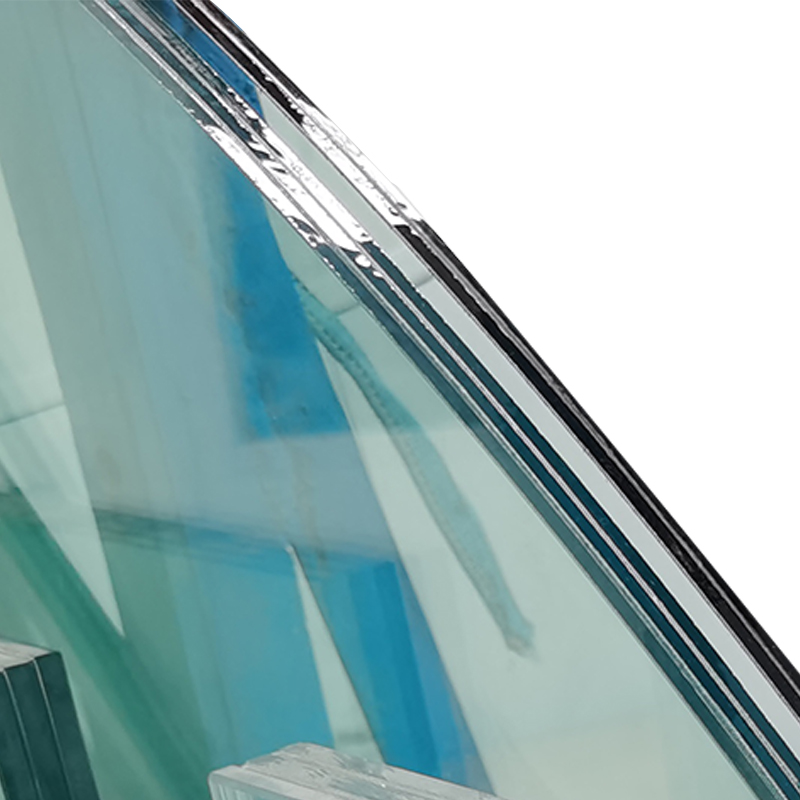
Fig 5: Customer support team providing expert assistance and technical guidance for complex orders.
Frequently Asked Questions (FAQ) about Tempered Glass Bulk
Q1: What is the primary difference between annealed glass and tempered glass bulk?
A1: The main difference lies in strength, safety, and breakage pattern. Tempered glass is manufactured through a controlled thermal or chemical process that makes it 4-5 times stronger than annealed glass. When broken, annealed glass shatters into large, sharp, hazardous shards. In contrast, tempered glass breaks into small, blunt, relatively harmless granular pieces, making it a safety glass mandated for many applications.
Q2: Can tempered glass bulk be cut, drilled, or altered after tempering?
A2: No. Once glass has undergone the tempering process, any attempt to cut, drill holes, grind edges, or otherwise extensively modify it will disrupt the carefully balanced internal stress patterns, causing the entire piece of glass to shatter explosively into its characteristic small fragments. All fabrication, including cutting, drilling, and edge work, must be completed precisely before the glass is sent to the tempering furnace. This is a critical consideration for any special-shaped tempered glass order.
Q3: What are the typical lead times for bulk tempered glass orders, especially for customized options?
A3: Lead times vary based on the complexity, volume, and specific customization requirements of the order. For standard sizes and commonly available types of tempered glass, typical lead times range from 5-12 business days. However, for highly customized or special-shaped tempered glass that requires intricate fabrication and specialized processing, lead times can extend to 3-5 weeks or even longer. It is always best to consult directly with your chosen supplier for precise and current estimates based on your project's specifications.
Q4: Are there different types of tempered glass available for specific performance requirements?
A4: Yes, there are numerous toughened glass types designed for specific functional and aesthetic needs. Beyond standard clear tempered glass, options include low-iron tempered glass for maximum optical clarity, tinted tempered glass for solar control and aesthetic purposes, coated tempered glass (e.g., Low-E) for enhanced thermal insulation, and patterned or ceramic fritted tempered glass for privacy, light diffusion, or decorative elements. The optimal choice depends heavily on the specific functional and aesthetic requirements of your project and operating environment.
Q5: How do I ensure the quality, compliance, and trustworthiness of a bulk tempered glass supplier?
A5: To ensure quality and trust, look for suppliers with recognized international certifications such as ISO 9001, EN 12150. Always request relevant test reports and compliance documentation. Verify their experience, industry reputation, and track record by checking client testimonials and case studies. A transparent and authoritative supplier will readily provide all necessary documentation, demonstrate robust quality control processes, and offer comprehensive technical support and warranty commitments.
Conclusion
The strategic procurement of tempered glass bulk is a cornerstone for success in modern industrial, commercial, and architectural projects. Its unparalleled combination of enhanced mechanical strength, superior safety characteristics, high thermal shock resistance, and extensive customization potential makes it an indispensable material for a vast array of demanding applications. By thoroughly understanding the intricate manufacturing processes, the diverse types of tempered glass available, detailed technical specifications, and the critical role of authoritative and trustworthy suppliers, B2B decision-makers can make informed choices. Partnering with a proven supplier capable of delivering tailored, high-quality toughened glass types—whether standard or special-shaped—is not merely a purchasing decision, but a strategic investment in the future resilience, safety compliance, and long-term cost-effectiveness of any application. This ensures not only the immediate success of a project but also provides enduring value and peace of mind.
References
- ISO 12150-1:2015. Glass in building – Thermally toughened soda lime silicate safety glass – Part 1: Definition and description. International Organization for Standardization.
- ANSI Z97.1-2015. American National Standard for Safety Glazing Materials Used in Buildings – Safety Performance Specifications and Methods of Test. American National Standards Institute.
- EN 572-2:2004. Glass in building – Basic soda lime silicate glass products – Part 2: Float glass. European Committee for Standardization.
- Grand View Research. Tempered Glass Market Size, Share & Trends Analysis Report By Application (Automotive, Building & Construction, Solar), By Region, And Segment Forecasts, 2021-2028. Accessed via market research database.
- ASTM C1048. Standard Specification for Heat-Strengthened and Fully Tempered Flat Glass. ASTM International.