When architects specify glass for high-end galleries or modern storefronts, the subtle green tint of standard float glass often becomes an unacceptable visual barrier. This phenomenon is caused by iron oxide impurities naturally present in silica sand, which absorb specific light wavelengths and distort the true color of the objects behind the pane.
Solving this requires a fundamental change in the raw material selection and melting process, leading to the rise of specialized low iron glass manufacturers who can produce glass with significantly lower iron content. By reducing these impurities, the glass achieves a level of clarity and light transmission that standard glass cannot match, effectively eliminating the "green edge" effect.
Understanding the technical distinctions and selection criteria for these materials is essential for ensuring both aesthetic precision and structural safety in contemporary building design.


Standard float glass contains iron impurities that act as a filter, absorbing light in the red end of the visible spectrum and allowing green light to pass through. This is why the thicker the glass, the more pronounced the green hue becomes, particularly visible at the edges of the pane.
By utilizing high-purity silica sand and refining the melting process, low iron glass reduces the concentration of iron oxide. This shift results in a neutral color profile and increased light transmission, making it the preferred choice for applications where color accuracy is paramount.
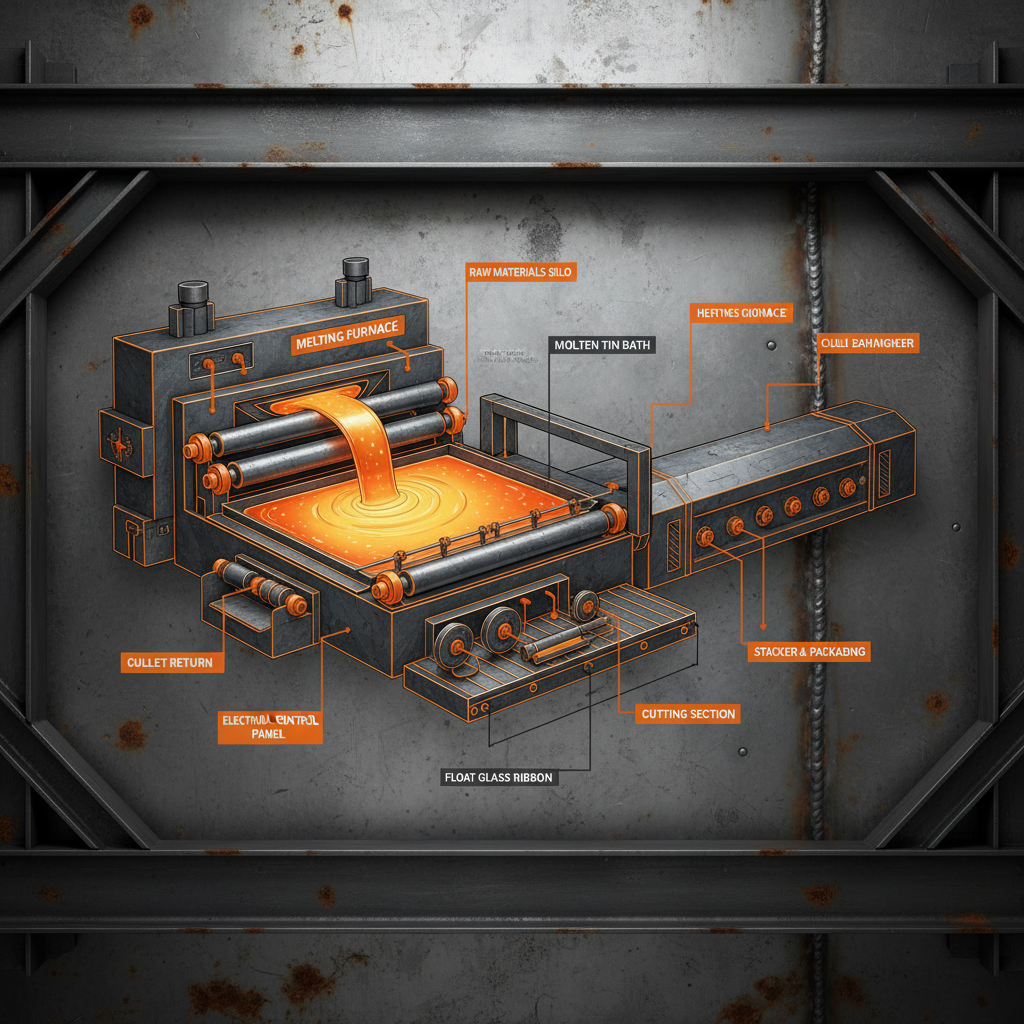
The production of low-iron glass is a rigorous chemical exercise. It requires the removal of iron oxides from the raw batch materials. This is achieved through advanced filtration and the use of specialized raw materials that meet strict purity thresholds. The goal is to lower the iron content to a level where the visual shift toward green is nearly imperceptible to the human eye.
Beyond the raw materials, the melting furnace environment must be carefully controlled to prevent contamination from the furnace walls. This level of industrial precision is what distinguishes high-capacity low iron glass manufacturers from standard float plants. The resulting glass possesses higher light transmittance, typically exceeding 91%, whereas standard clear glass often hovers around 89-90%.
This technical improvement doesn't just affect aesthetics; it also influences the performance of subsequent coatings. When low-iron glass is used as a substrate for coated glass or insulated units, the neutrality of the base glass ensures that the spectral properties of the coatings are not skewed by the inherent color of the glass.
High transparency is often a requirement for safety-critical installations, such as skylights or structural partitions. However, transparency alone is insufficient; the glass must undergo strengthening processes. This is where the intersection of low-iron composition and tempering becomes vital.
Tempering low-iron glass involves heating the pane to 600–650℃ and quenching it rapidly with air. This creates compressive stress on the surface, increasing bending and impact resistance by 3 to 5 times compared to ordinary flat glass, without compromising its neutral color profile.
For installations in high-traffic commercial zones, this combination is essential. When tempered low-iron glass breaks, it shatters into small, blunt fragments rather than sharp shards. This meets the stringent requirements for building safety glass while maintaining the "invisible" aesthetic requested by modern architects.
Evaluating the value of low-iron glass over standard glass requires looking at specific performance indices. While the initial material cost is higher, the gain in light transmission and color neutrality provides significant value in specific high-end applications.
The following index illustrates the relative performance of low-iron glass across five critical evaluation categories compared to standard clear glass, where a higher value indicates superior performance for that specific requirement.
In a typical industrial setting, low-iron glass is deployed where visual fidelity is the primary functional requirement. For instance, in museum-grade display cases or high-end jewelry storefronts, the glass must not alter the perceived color of the exhibits. Standard glass would introduce a green tint that could mislead a viewer regarding the actual hue of a gemstone or a painting.
Another critical scenario is in residential sun-rooms and skylights. Here, the goal is to maximize natural light penetration. By reducing the iron oxide content, these installations allow more spectrum-accurate sunlight to enter the interior, enhancing the living environment while the tempered nature of the glass protects against external impacts like hail or wind-borne debris.
The industry is moving toward a synthesis of extreme clarity and intelligent functionality. We are seeing an increase in the demand for low-iron glass as a substrate for smart mirrors and electrochromic coatings. The neutrality of the base glass is essential for these technologies to operate without color shifts during the switching process.
Sustainability is also driving innovation. Manufacturers are increasingly integrating green development models, focusing on reducing the carbon footprint of the energy-intensive melting process. This alignment with carbon neutrality goals ensures that the production of high-clarity glass does not come at an excessive environmental cost.
Furthermore, the integration of low-iron glass into complex insulated units is becoming standard. By combining low-iron float glass with advanced insulating gases and low-emissivity coatings, the industry is achieving a balance between optical perfection and thermal efficiency.
Selecting the right glass requires a trade-off analysis between visual requirements, safety standards, and budget. Not every project requires low-iron glass; using it for basic internal partitions where color accuracy is irrelevant would be an unnecessary expense.
However, for exterior windows in high-rise residences or floor-to-ceiling commercial doors, the combination of low-iron clarity and tempering is non-negotiable for both safety and prestige. The decision should be based on the thickness of the glass—the thicker the pane, the more necessary low-iron glass becomes to avoid the green tint.
When evaluating low iron glass manufacturers, buyers should verify certifications such as ISO9001 and specific safety glass standards to ensure that the aesthetic benefits do not compromise structural integrity.
| Application Scenario | Recommended Type | Primary Driver | Relative Suitability |
|---|---|---|---|
| Luxury Storefronts | Low-Iron Tempered | Color Fidelity | Critical |
| Standard Office Partitions | Clear Float | Cost Efficiency | Sufficient |
| Modern Sun-rooms | Low-Iron Insulated | Light Transmission | High |
| High-Rise Exterior Windows | Low-Iron Tempered | Safety & Aesthetics | Critical |
| Interior Shower Enclosures | Clear Tempered | Impact Resistance | Sufficient |
| Museum Display Cases | Ultra-Low-Iron | Optical Purity | Critical |
The primary difference lies in the concentration of iron oxide. Clear glass has a higher iron content, which produces a characteristic green tint, especially visible on the edges. Low-iron glass is produced with high-purity raw materials to remove these impurities, resulting in a neutral color, higher light transmission, and the elimination of the green edge effect.
Yes, low-iron glass can be both physically and chemically tempered. Physical tempering involves heating the glass to approximately 600-650℃ and quenching it with air, which increases its strength by 3-5 times. This ensures that the glass remains high-clarity while meeting building safety requirements by shattering into small, non-sharp fragments upon breakage.
It is most beneficial in scenarios where color accuracy and maximum light transmission are critical. Typical examples include museum display cases, luxury retail storefronts, high-end residential sun-rooms, and architectural skylights. It is also preferred when using very thick glass panes where the green tint of standard glass would become overly pronounced.
Low-iron glass itself does not inherently provide better thermal insulation than standard glass. However, it is frequently used as the substrate for Insulated Glass Units (IGUs) and coated glass. When combined with low-emissivity (Low-E) coatings and argon gas fills, it provides excellent thermal performance without sacrificing optical clarity.
Generally, yes. The cost is higher due to the requirement for high-purity silica sand and more stringent control during the melting process. However, for high-end architectural projects, this cost is viewed as a necessary investment to achieve the desired aesthetic outcome and avoid the visual distortion associated with standard float glass.
Quality can be verified by checking for industry certifications such as ISO9001 for quality management and specific safety certifications (like German PHI or CCC). Additionally, requesting technical data sheets for light transmission percentages and reviewing the manufacturer's capacity for deep processing (tempering, laminating) ensures they can provide a complete, safe solution.
The transition from standard clear glass to low-iron alternatives represents a shift toward a more precise, aesthetically driven approach to architecture. By neutralizing the spectral bias of iron oxide, this material allows the true colors of a design to emerge, making it an indispensable tool for modern high-end construction.
Ultimately, the successful implementation of high-transparency glass relies on the synergy between material purity and safety processing. Whether integrated into tempered partitions or insulated skylights, the goal remains the same: creating an invisible boundary that protects the user while opening the space to the full spectrum of natural light.