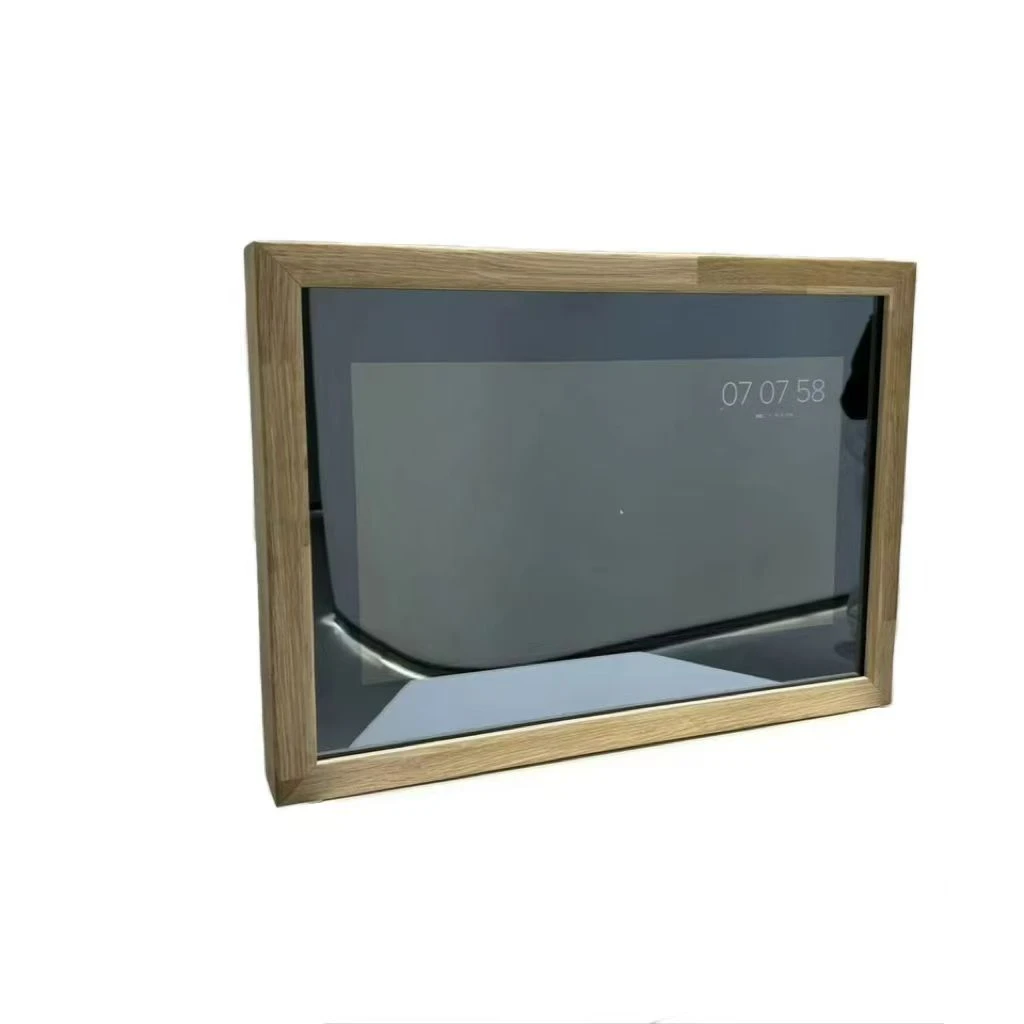
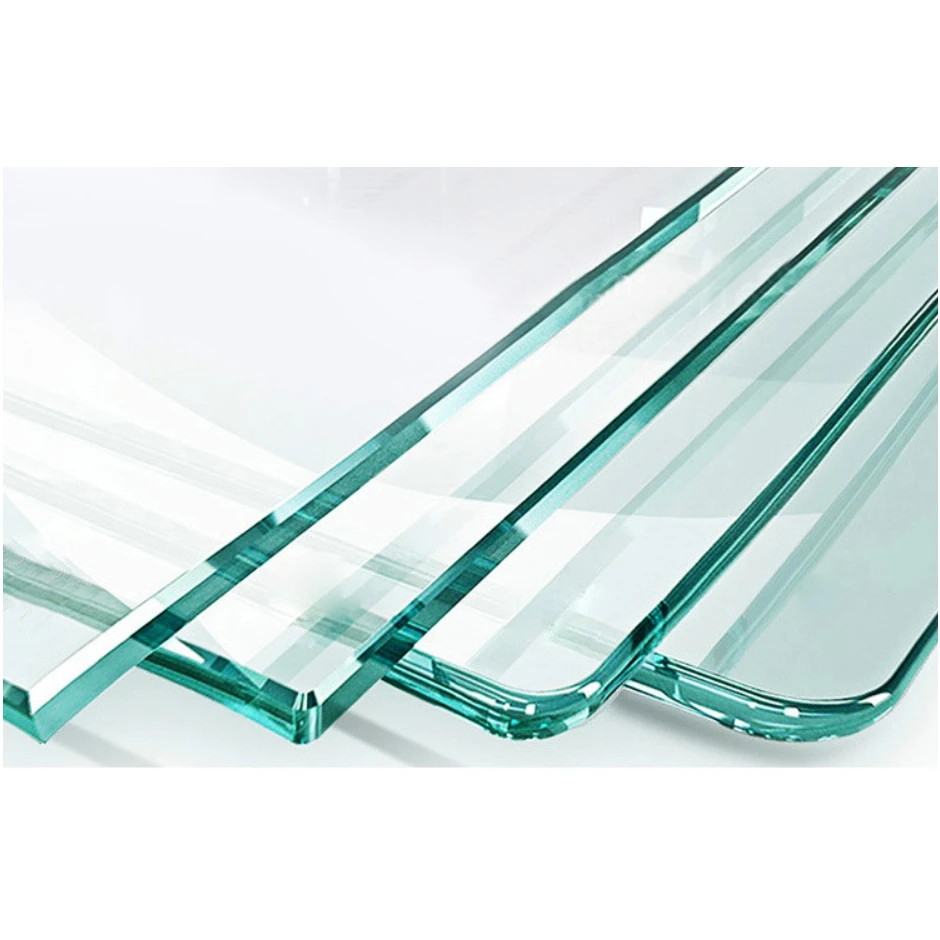
Advanced dual low e glass Solutions for Sweden

Integrating energy-efficient thermal insulation and high-transparency aesthetics for the Nordic architectural landscape.

Advanced dual low e glass Solutions for Sweden

We provide high-performance architectural glass tailored to the extreme temperature fluctuations of Sweden, combining superior thermal retention with crystal-clear clarity.

The State of Flat Glass Industry in Sweden

Analyzing the intersection of Nordic design and energy efficiency requirements.

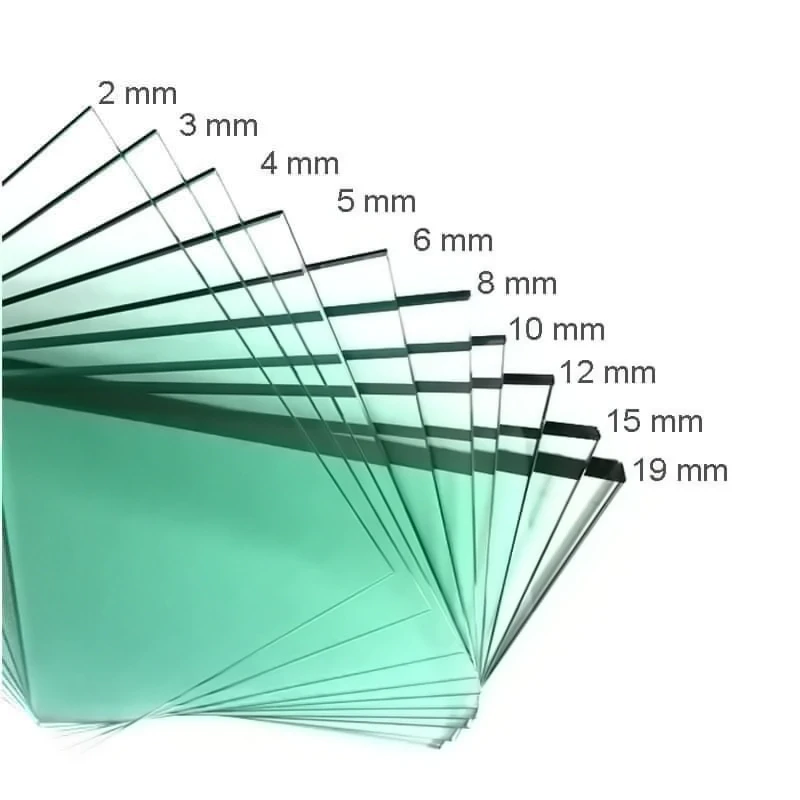
In Sweden, the glass industry is heavily influenced by the rigorous "Boverket" building regulations and a cultural obsession with natural light. Due to the long winters and limited daylight, there is a massive demand for clear glass low iron to maximize solar gain while maintaining strict U-value standards.

The Swedish market has transitioned from standard glazing to highly specialized thermal solutions. The prevalence of modern minimalist architecture in cities like Stockholm and Gothenburg requires float glass that can withstand extreme freeze-thaw cycles without compromising structural integrity or visual transparency.

Furthermore, the rise of sustainable "Green Building" certifications across Scandinavia has pushed manufacturers toward low iron glass sheet, as it offers better light transmission and eliminates the green tint, aligning with the clean, bright aesthetic typical of Swedish interiors.
Evolution and Trajectory of Glass Technology

From basic transparency to intelligent thermal management.

Market Development History

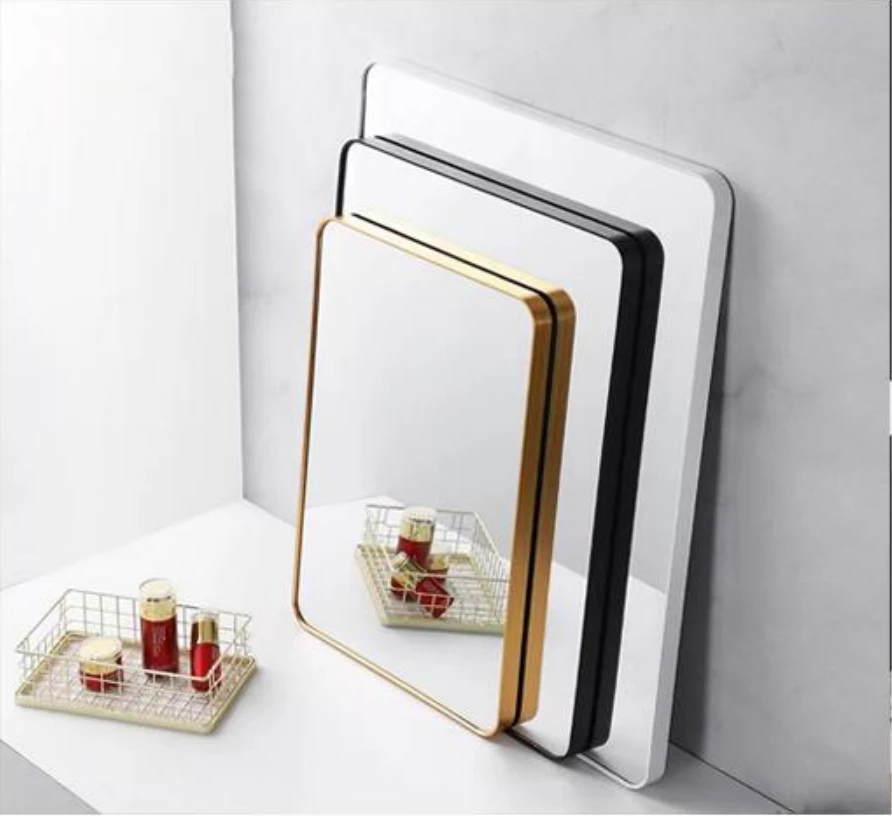
During the late 20th century, the Swedish market relied primarily on standard thick float glass for insulation. However, the 1990s saw a shift toward double-glazing as energy costs rose and environmental awareness grew, necessitating better thermal barriers.

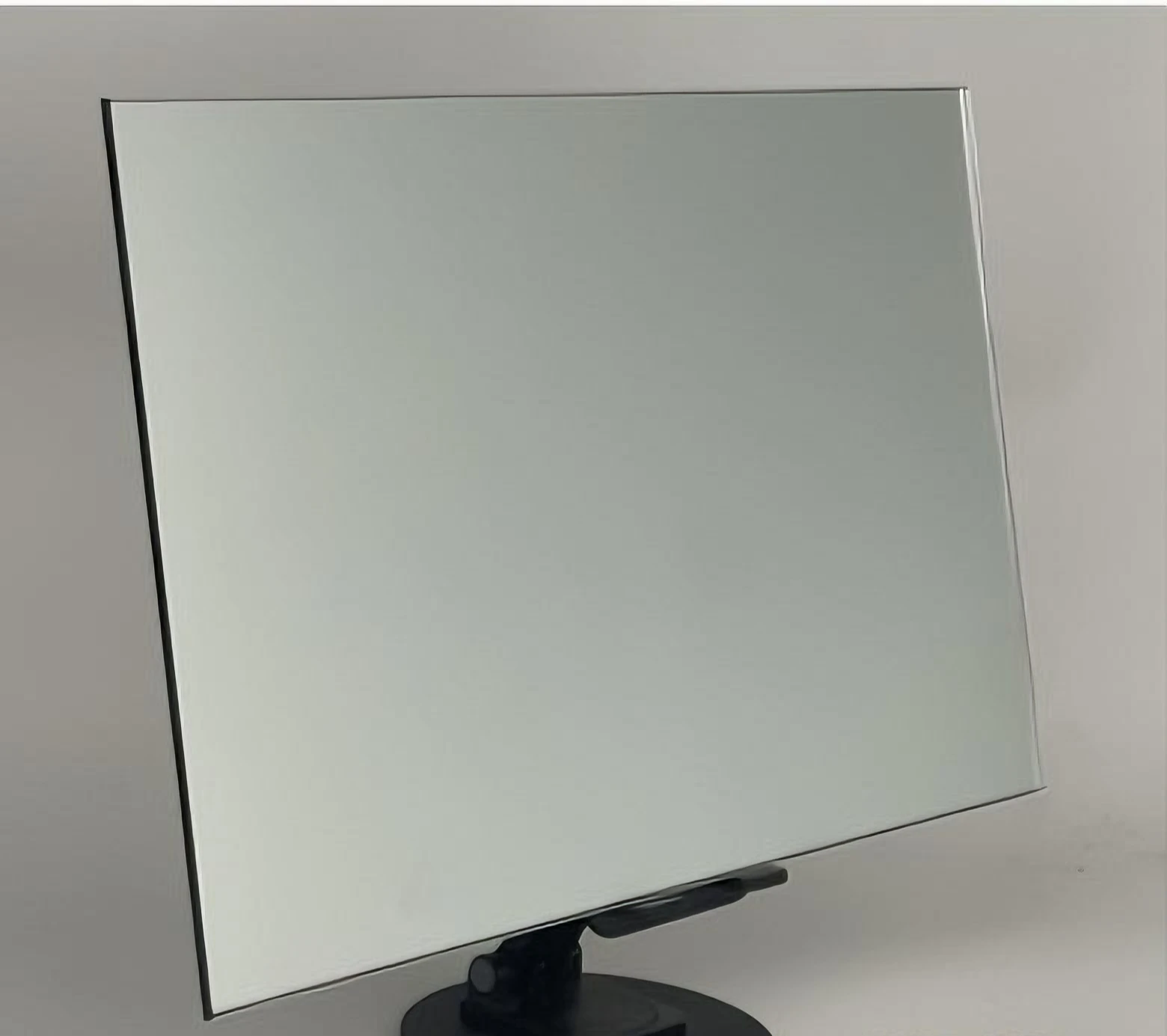
By the 2010s, the industry pivoted toward specialized coatings. The introduction of white coated glass allowed for better privacy and diffuse light distribution in commercial spaces, reducing the reliance on artificial lighting during cloudy Nordic winters.

Today, the focus has shifted to multi-layered spectral control. The adoption of dual-silver and triple-silver Low-E coatings has become the gold standard for high-end residential projects in Sweden, balancing heat retention with UV protection.

Future Development Trends

Vacuum Insulated Glazing (VIG)

Integration of vacuum technology to achieve R-values comparable to solid walls, reducing the thickness of window frames in Swedish villas.

Dynamic Electrochromic Glass

Smart glass that adjusts transparency based on the angle of the Swedish midnight sun to prevent overheating in summer.

Circular Economy Integration

A move toward 100% recyclable glass cullet in the production of low-iron series to meet Sweden's goal of becoming a fossil-free society.

Industry Trends and Future Outlook

Strategic directions for the next 3-5 years in the Swedish glass sector.

Net-Zero Carbon Glass
Transitioning to hydrogen-powered furnaces to eliminate CO2 emissions during the melting process.
Ultra-High Clarity
Increasing the adoption of low-iron formulations to meet the "Invisible Glass" design trend.
Thermal Integration
Advanced dual and triple Low-E coatings integrated into monolithic glass for slimmer profiles.
BIPV Adoption
Building-Integrated Photovoltaics transforming windows into energy-generating assets.

Industry Outlook

Based on Google search trends in the Nordic region, queries for "energy-saving windows" and "low-iron architecture" have seen a 25% year-on-year increase. This indicates a strong shift toward high-value, functional glass that serves as a thermal envelope rather than just a transparent barrier.

The future will be defined by the synergy of aesthetic transparency and extreme thermal efficiency, where the glass industry becomes a key player in Sweden's national energy strategy to reduce heating demands in residential sectors.

Local Application Scenarios in Sweden

How our specialized glass solves real-world Nordic challenges.

01. Stockholm Waterfront Commercial Hubs

Utilizing dual low e glass to maintain interior warmth during coastal winters while preventing glare from sunlight reflecting off the Baltic Sea.

02. Lapland Luxury Eco-Lodges

Installing clear glass low iron panoramic walls to provide an unobstructed view of the Northern Lights without the distorted green tint of standard glass.

03. Gothenburg Modernist Residential Villas

Integrating low iron glass sheet in minimalist floor-to-ceiling windows to maximize the intake of scarce winter sunlight.

04. Swedish Corporate Office Interior Partitions

Using white coated glass for conference rooms to balance the need for open-plan brightness with professional acoustic and visual privacy.

05. Kiruna Industrial Greenhouse Projects

Deploying high-strength float glass with specialized coatings to create controlled environments for arctic agriculture.

Brand Story

Global Development History of Wangmei Industrial Group Co., Ltd.

Foundational Excellence

Established with a vision to redefine transparency, focusing on the core physics of float glass production to ensure flawless consistency.

Technological Breakthrough

Developed proprietary low-iron smelting processes, eliminating traditional impurities to create an ultra-clear glass standard for the global market.

Global Market Expansion

Extended operations into the European market, tailoring product specifications to meet the strict thermal and safety standards of Nordic countries.

Innovation in Coatings

Launched a series of advanced Low-E and white coated solutions to solve the conflict between aesthetic transparency and energy efficiency.

Sustainable Future

Committing to green manufacturing, reducing the carbon footprint of every square meter of glass delivered to our global partners.

Comprehensive Glass Portfolio for the Swedish Market

From basic architectural needs to high-end thermal engineering.

Common Questions in Sweden

Expert answers to technical queries regarding high-performance glazing.

How does dual low e glass improve energy efficiency in Swedish winters?

Dual Low-E glass uses two layers of silver coating to reflect infrared heat back into the room, significantly reducing heat loss and lowering heating costs during extreme Swedish winters.

What is the visual difference between float glass and low iron glass sheet?

Standard float glass has a slight green tint due to iron oxide. Low iron glass sheet removes these impurities, resulting in maximum light transmission and a neutral, crystal-clear appearance.

Can clear glass low iron withstand the high wind loads of the Swedish coast?

Yes, when processed into tempered or laminated forms, our low-iron glass maintains full structural strength while providing superior clarity for coastal environments.

Where is white coated glass typically used in Nordic office design?

It is primarily used for interior partitions and frosted panels where a balance of natural light diffusion and visual privacy is required without blocking the flow of brightness.

Does the dual low e glass coating affect the visibility of the landscape?

No, our advanced sputtering technology ensures that the coatings are microscopically thin, maintaining high visible light transmission while providing extreme thermal insulation.

Is the production of your low-iron series compliant with Swedish environmental laws?

Absolutely. Our manufacturing processes adhere to international ISO standards and are designed to meet the stringent environmental and sustainability requirements of the Swedish market.

Request a Technical Consultation

Our engineers are ready to help you select the perfect glazing solution for your project in Sweden.

Contact Us Now

If you are interested in our products, you can choose to leave your information here, and we will be in touch with you shortly.