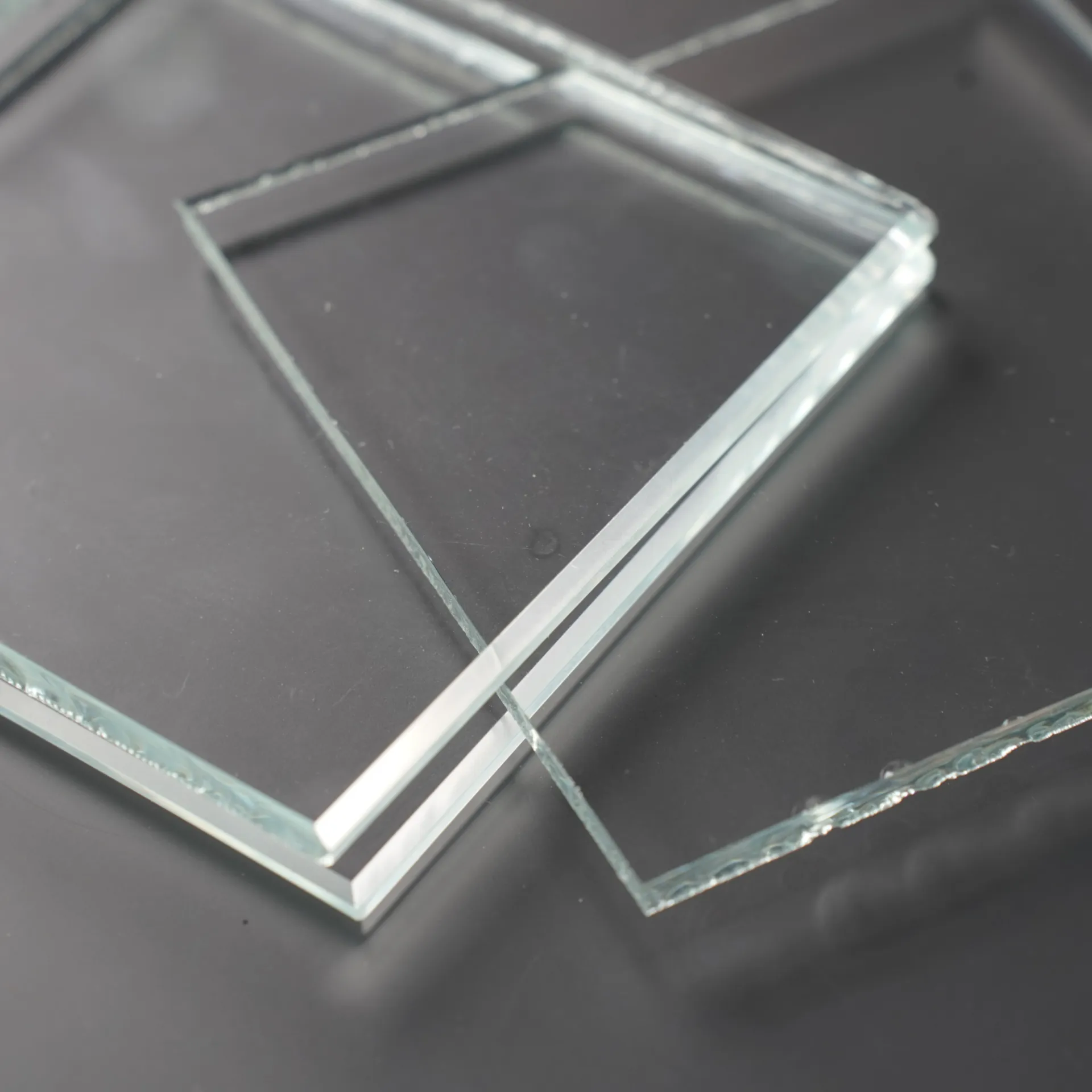
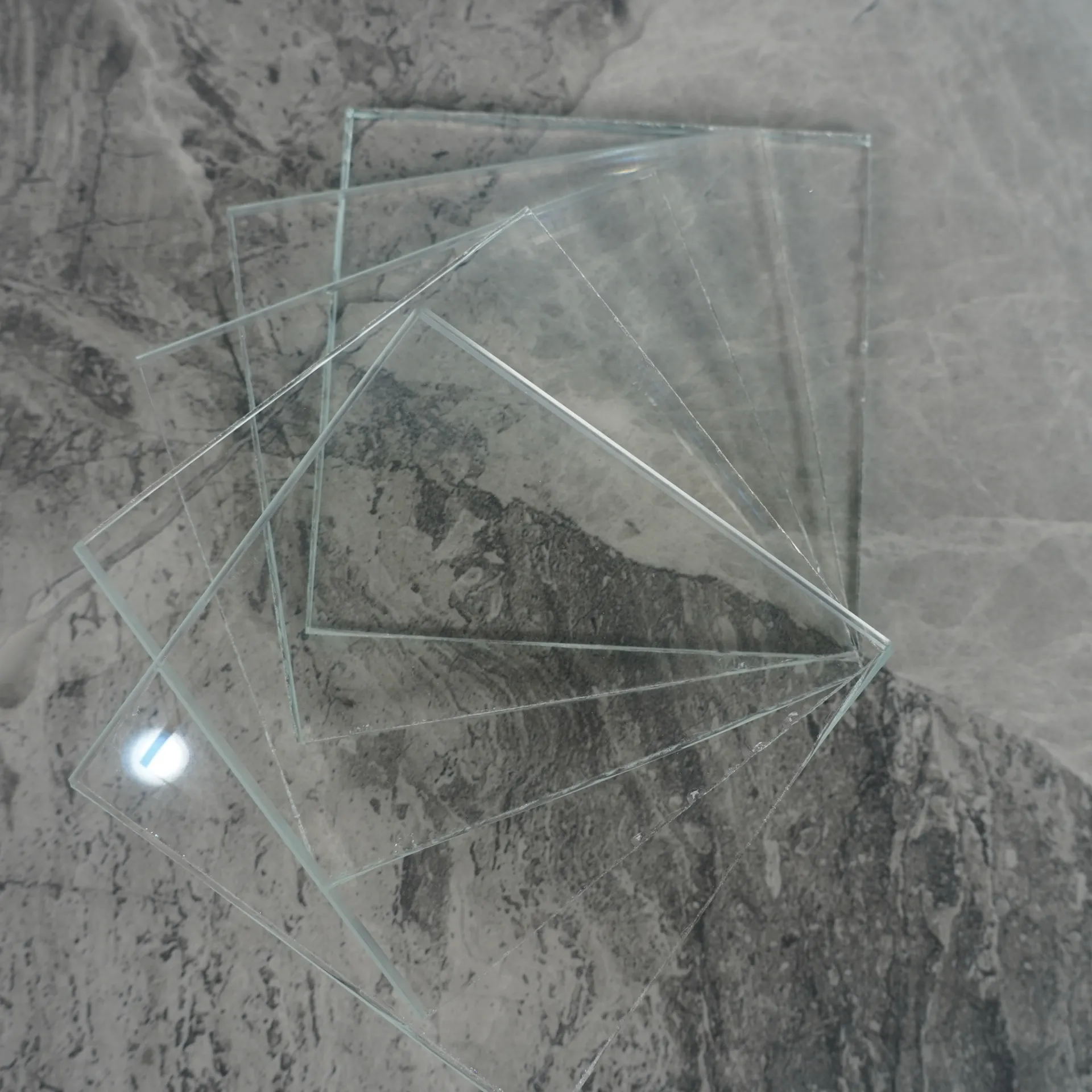
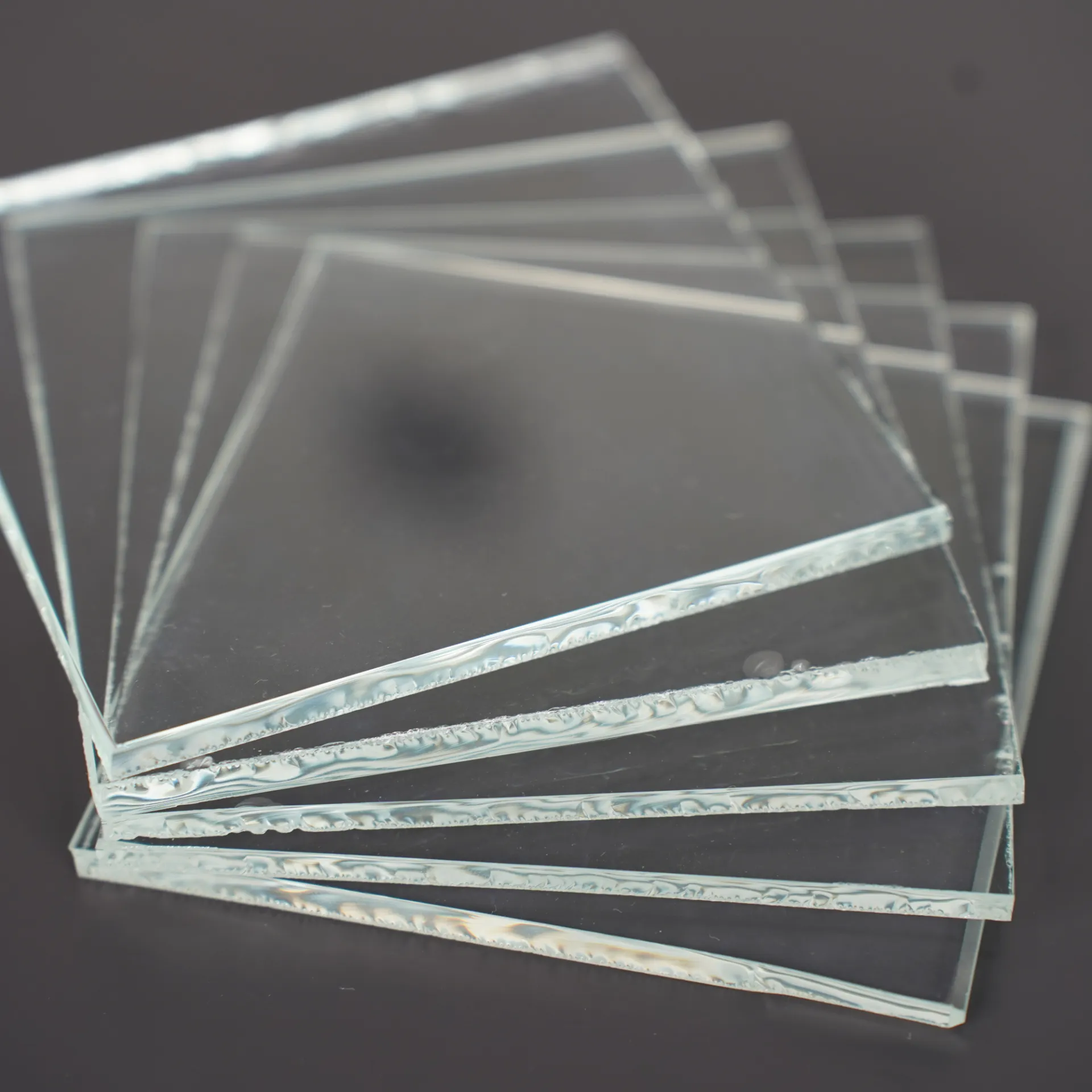
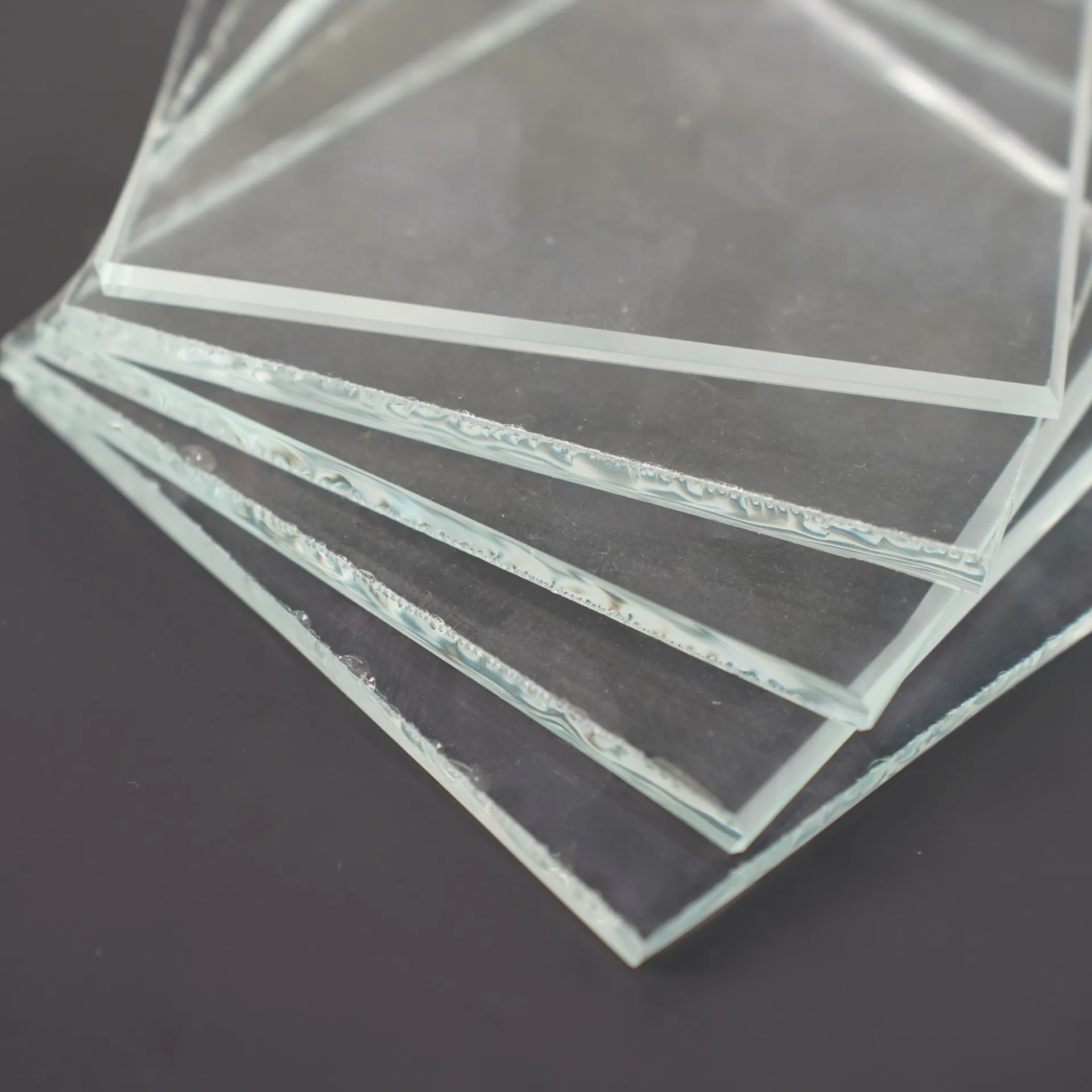
Product Description
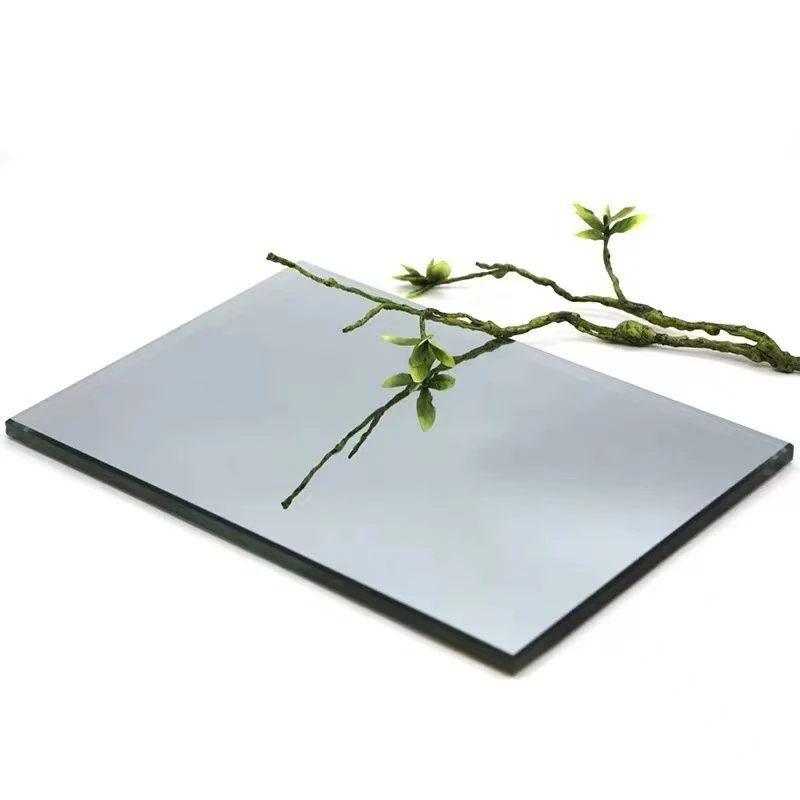
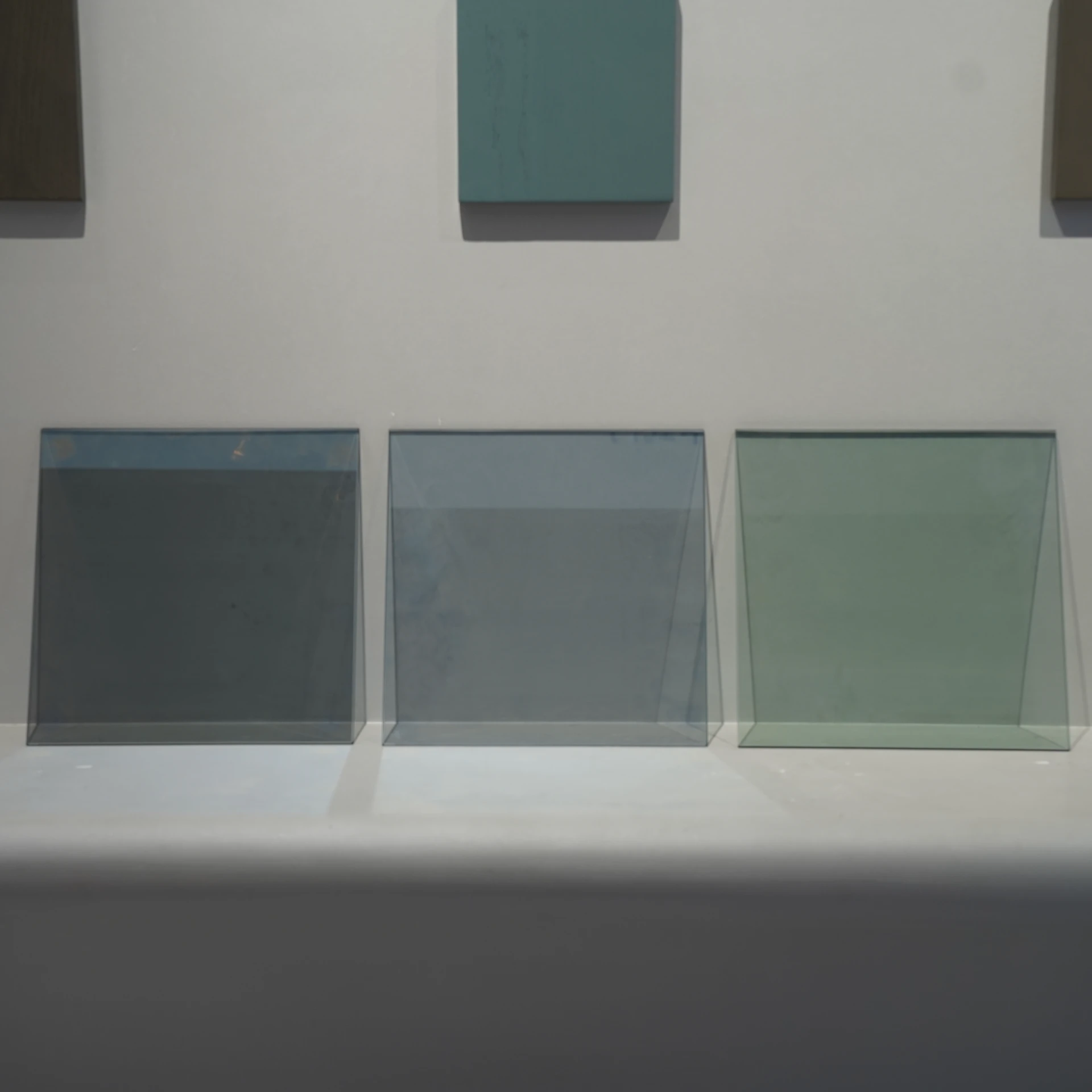
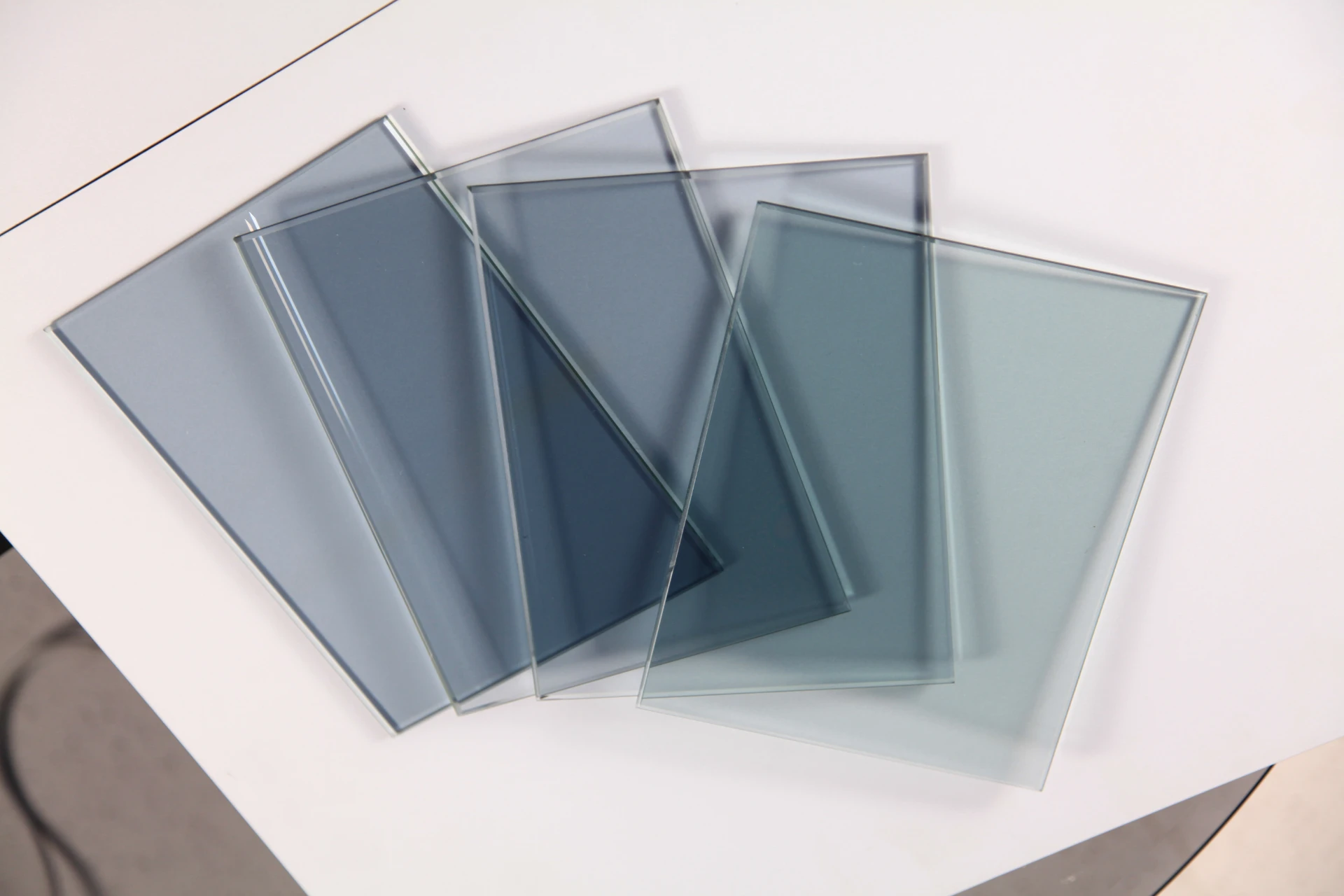
Single-side Anti-Reflective Glass
I. Introduction to Anti-Reflective Glass
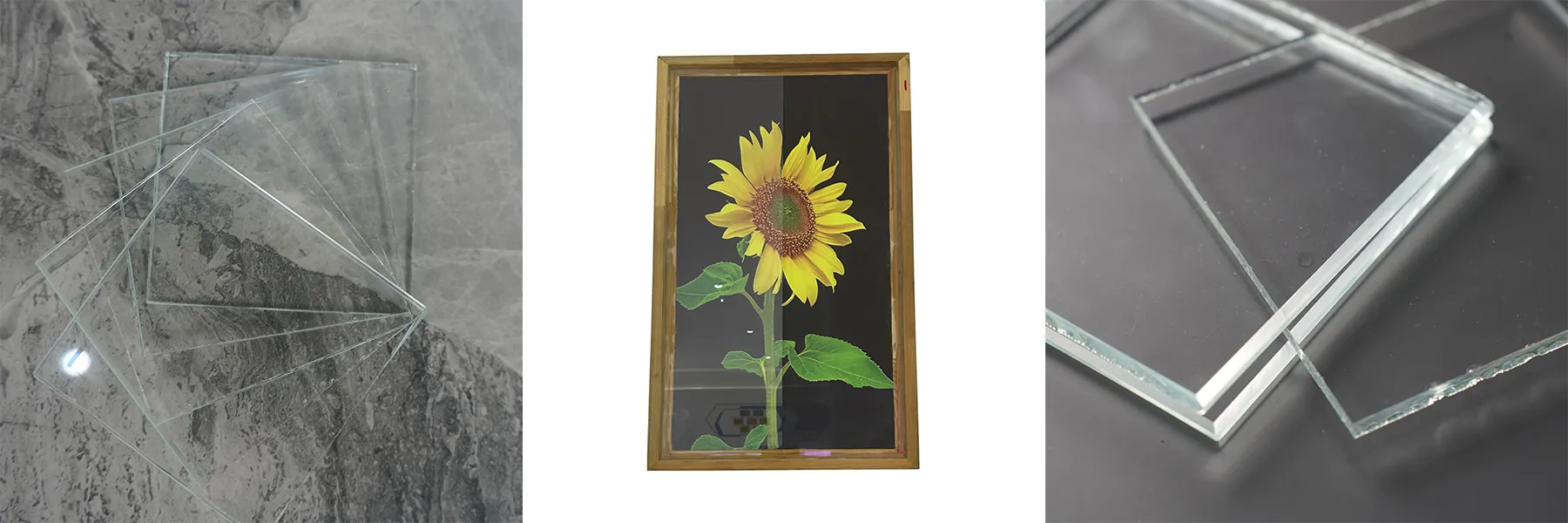
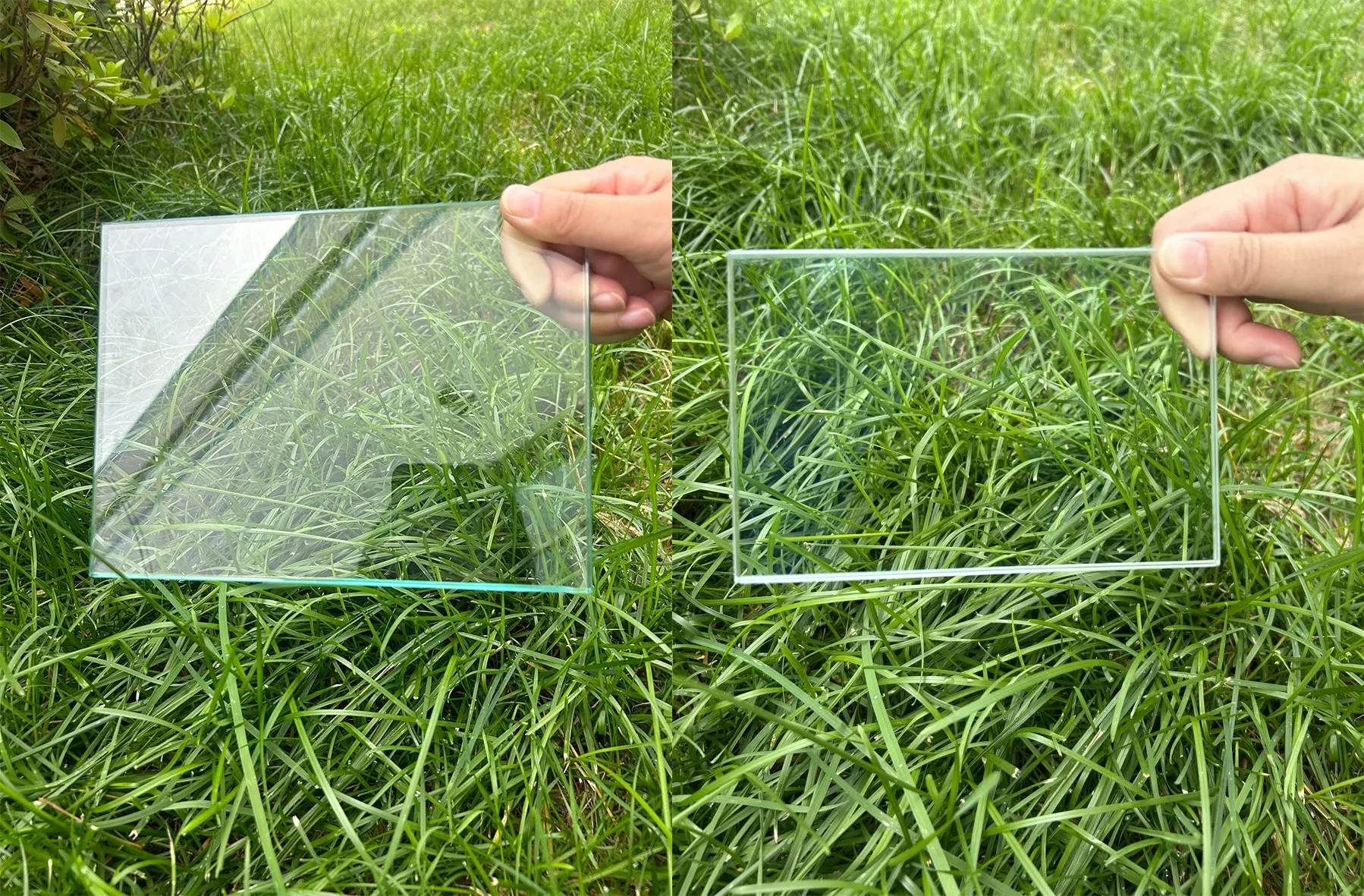
Anti-Reflective Glass (AR Glass) is a functional glass that reduces light reflectivity through surface coating technologies (such as nano-scale metal oxide films). Its core principle utilizes the thin-film interference effect: the optical thickness of the coating is 1/4 of the incident light wavelength, causing destructive interference between the reflected light from the glass surface and the coating. This reduces the reflectivity from approximately 8% (of ordinary glass) to below 1%, significantly increasing light transmittance (up to over 98%) and minimizing glare. Combining high transmittance and low reflectivity, this glass eliminates visual interference from specular reflection, making images or scenes appear clearer and truer.
Anti-reflective glass is divided into single-side anti-reflective glass and double-side anti-reflective glass.
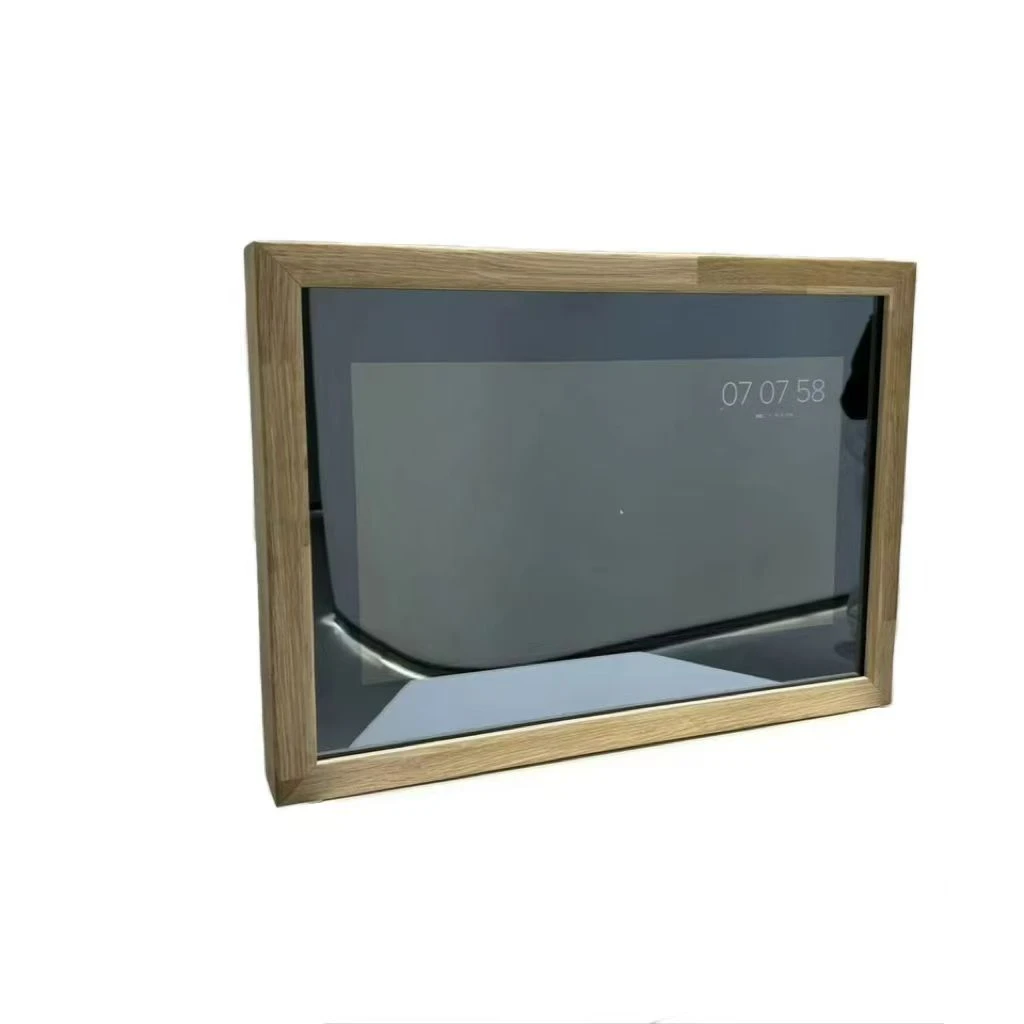
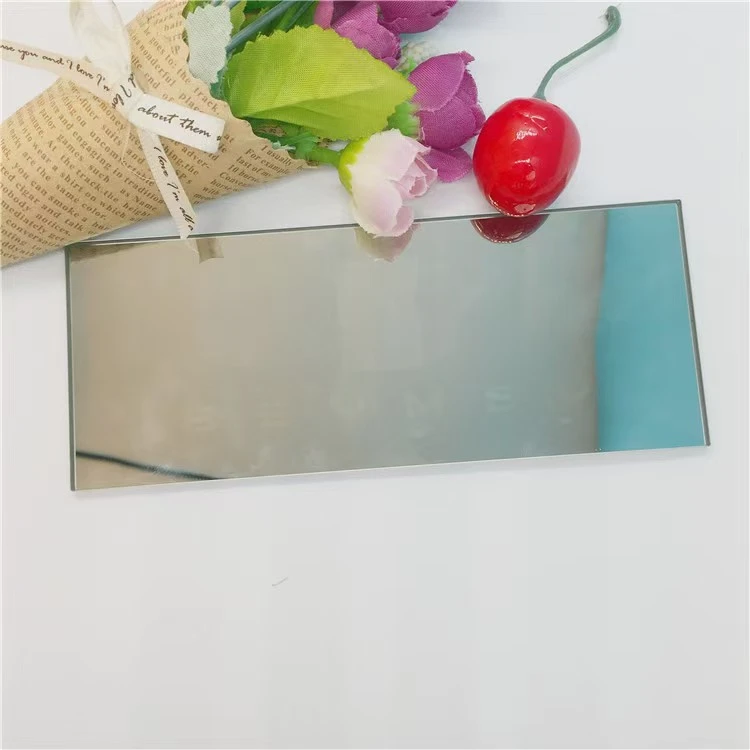
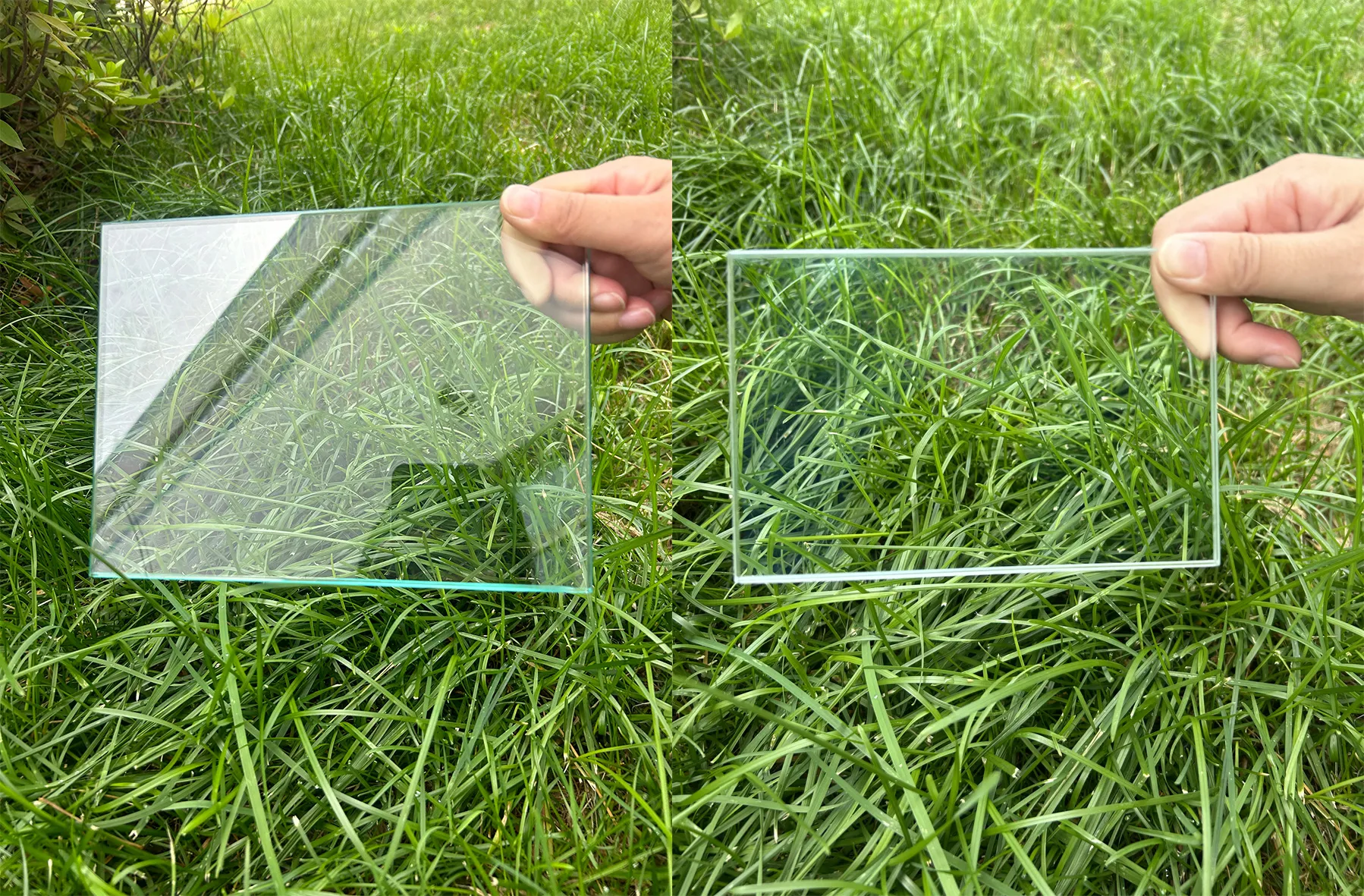
Single-side anti-reflective glass: Anti-reflective coating is applied only on one surface of the glass. Through the optical interference effect of the single-layer film, light reflection on one side is reduced, while the other side maintains the reflection characteristics of ordinary glass. Compared with double-side anti-reflective glass, it has a lower cost.
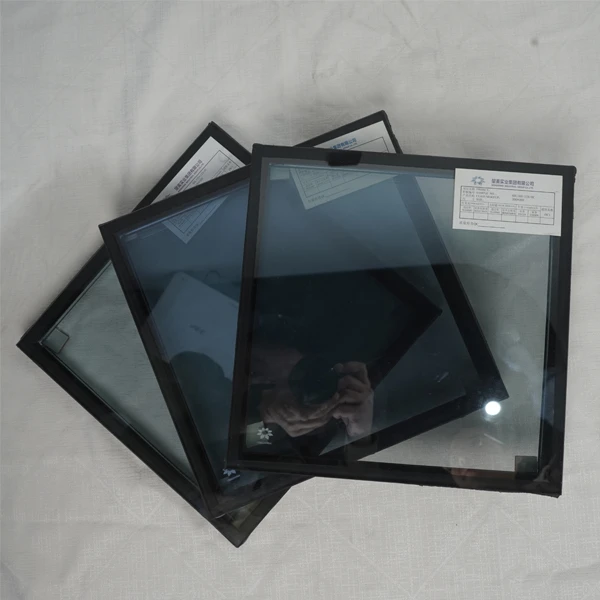
Double-side anti-reflective glass: Anti-reflective coatings are applied on both surfaces of the glass. Through the synergistic effect of the coatings on both sides, light reflection in both directions is reduced simultaneously, leading to a more significant improvement in light transmittance. Compared with single-side anti-reflective glass, it has a better effect.
II. Core Application Scenarios
1. Display and Optical Equipment
- Touchscreens and Displays: AR glass is used for screen covers of mobile phones, tablets, and computers to reduce ambient light reflection (e.g., sunlight, lighting), enhancing outdoor visibility. In vehicle central control screens, it minimizes reflective interference during driving.
- Optical Instrument Lenses: Protective lenses of camera lenses, telescopes, and microscopes use AR coatings to reduce light loss, avoid ghosting and glare, and improve imaging quality.
2. Exhibition and Display Scenarios
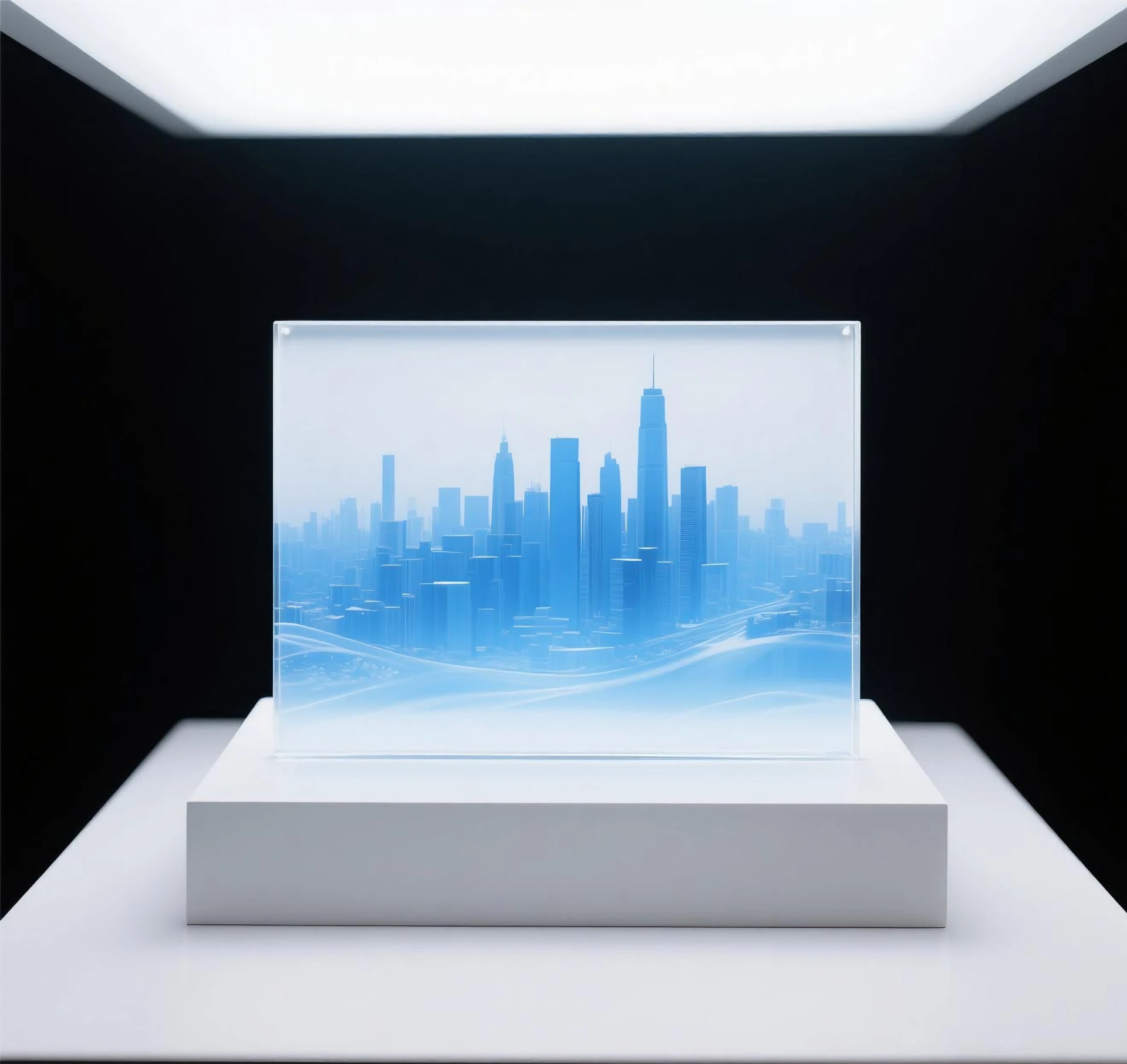
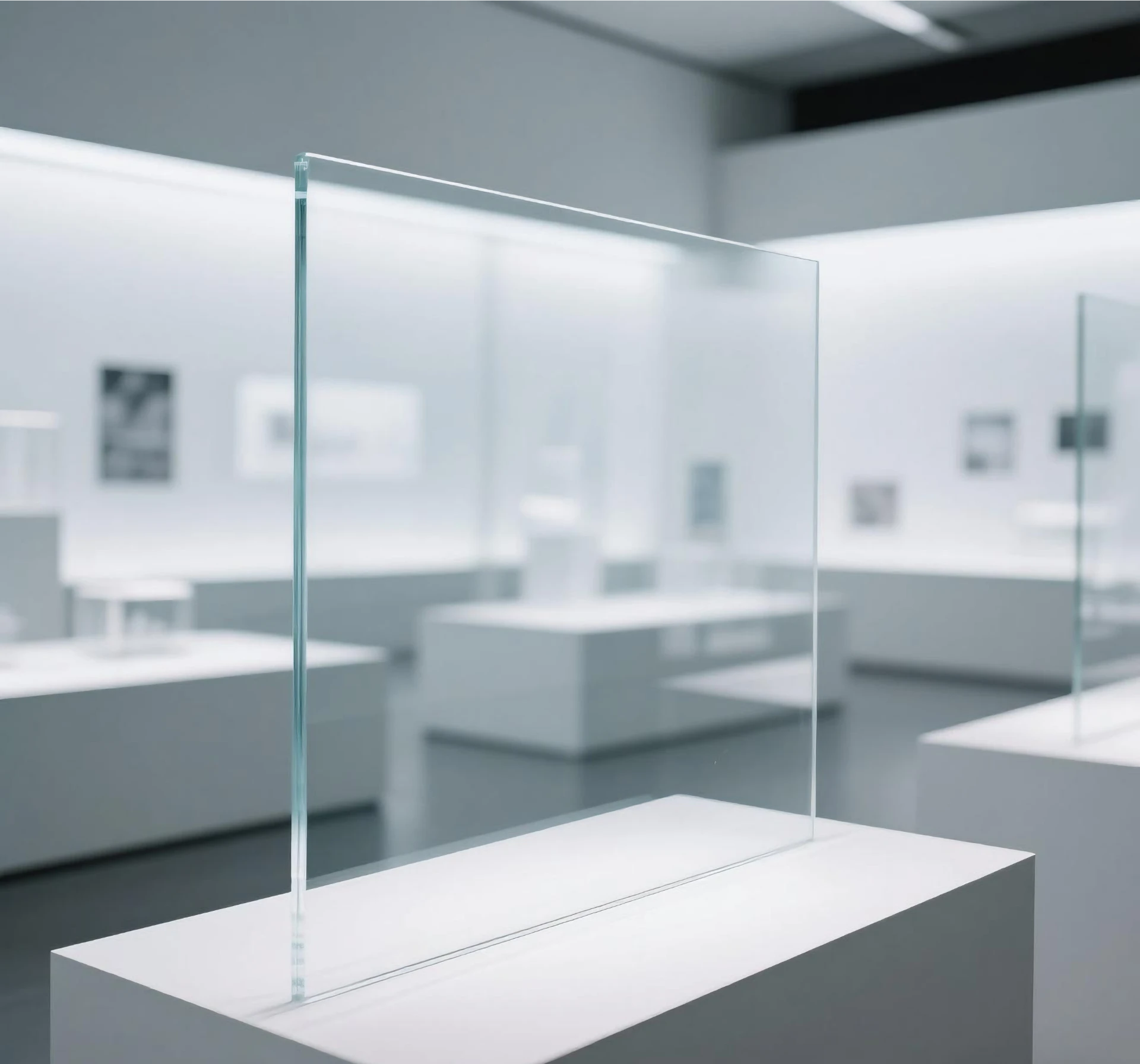
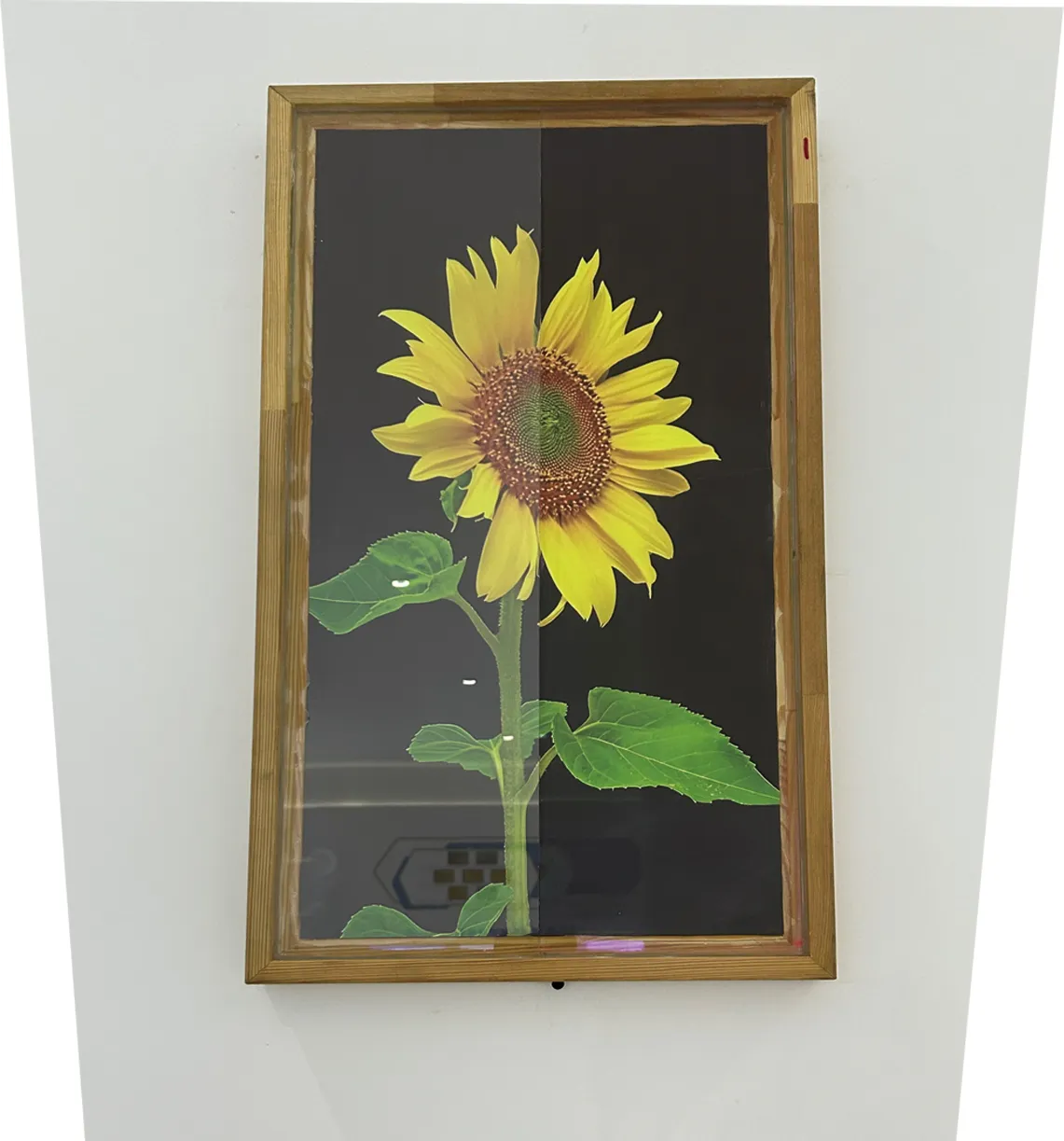
- Museum Showcases: AR glass eliminates reflections of visitors or ambient light, making exhibits (e.g., antiques, paintings) appear clearer and enhancing the viewing experience.
- Advertising Displays and Shop Windows: AR glass used in commercial windows or outdoor advertising screens maintains clear images under strong light, preventing information blur caused by reflections.
3. Solar Energy and Photovoltaics
- Photovoltaic Module Covers: AR glass reduces reflection loss of sunlight on the glass surface, allowing more light to pass through and be absorbed by solar cells, improving energy conversion efficiency (increasing power generation by about 3%-5%).
- Solar Collectors: It reduces infrared reflection, enhancing thermal energy absorption efficiency for solar water heating systems.
4. Architecture and Interior Design
- Viewing Curtain Walls and Skylights: AR technology in high-rise building viewing glass minimizes indoor-outdoor light reflection, creating a more transparent vision, especially suitable for landscape architecture or astronomical observatories.
- Art Installations and Interior Partitions: The low-reflection feature creates a glare-free visual effect, such as partitions in art galleries or light-collecting walls in high-end residences, enhancing spatial texture.
5. Medical and Precision Equipment
- Surgical Lights and Testing Equipment: Observation windows of medical instruments use AR glass to prevent light reflection from interfering with doctors' vision, ensuring precise operations. AR treatment on microscope slides enhances sample observation clarity.
- Precision Instrument Dashboards: Display panels of aerospace or industrial equipment use AR glass to maintain clear data reading in complex lighting environments.
III. Core Advantages and Technical Points
- Advantages:
- High transmittance reduces light loss, enhancing visual clarity and equipment efficiency.
- Low reflectivity eliminates glare and ghosting, improving observation experiences for scenarios with high optical requirements.
- The coating is wear-resistant and weatherproof, maintaining stable performance over the long term.
Anti-Reflective Glass addresses the core issues of "reflection interference" and "light transmittance efficiency" through optical coating technology. From precision optical instruments to daily display devices, it has become a key material for enhancing visual experience and functional efficiency, with growing demand especially in high-end display and solar energy utilization fields.
The core differences between double-side anti-reflective glass and single-side anti-reflective glass are mainly reflected in the number of coated surfaces, reflectivity performance, application scenarios, and costs. The specific comparison is as follows:
I. Differences in the Number of Coated Surfaces and Principles
- Single-side anti-reflective glass: Anti-reflective coating is applied to only one surface of the glass. Through the optical interference effect of the single-layer film, light reflection on one side is reduced, while the other side maintains the reflection characteristics of ordinary glass.
- Double-side anti-reflective glass: Anti-reflective coatings are applied to both surfaces of the glass. Through the synergistic effect of the coatings on both sides, light reflection in both directions is reduced simultaneously, leading to a more significant improvement in light transmittance.
II. Comparison of Reflectivity and Light Transmittance
Type Reflectivity Characteristics Peak Light Transmittance
Single-side AR glass Single-side reflectivity < 1%, while the other side has a reflectivity of about 4% (similar to ordinary glass). Average transmittance > 95%, with a peak of up to 99%.
Double-side AR glass Reflectivity on both sides < 1%, with overall lower reflectivity. Average transmittance > 98%, with a peak approaching 99.5%.
III. Differences in Application Scenarios
- Single-side anti-reflective glass:
- Suitable scenarios: Scenarios where light mainly enters from a single direction, such as indoor display screens (only external reflection), one-way perspective glass, and single-side lighting display windows.
- Typical cases: Outer glass of mobile phone screens and computer monitors (only needs to reduce external light reflection), or window glass in buildings facing the强光 (strong light) side.
- Double-side anti-reflective glass:
- Suitable scenarios: Scenarios requiring simultaneous suppression of light reflection on both sides, such as double-sided perspective glass curtain walls, optical instrument lenses (bidirectional light incidence), and outdoor double-sided display screens.
- Typical cases: Museum showcase glass (avoids superimposed reflections from visitors and the back of exhibits), and high-end camera lenses (reduces reflection loss in both light entry and exit directions).
IV. Comparison of Performance and Costs
- Performance advantages:
- Double-side AR glass has more comprehensive anti-reflective capabilities, especially in strong light environments (such as outdoor or double-sided lighting scenarios), with better image clarity and uniform light transmittance than single-side AR glass.
- Double-sided coating can further reduce ultraviolet transmittance (due to the superposition of coatings on both sides), providing better anti-UV effects.
- Cost differences:
- The production process of double-side anti-reflective glass is more complex (requiring double-sided coating), with higher equipment investment and coating material costs. Therefore, the price is typically 30% to 50% higher than that of single-side AR glass.
Anti Glare Glass for Windows
Anti Reflective Glass for Picture Frames
Enhance your artwork and photographs with our premium anti-reflective glass that eliminates distracting glare while maintaining 99% light transmission. The specialized coating minimizes surface reflections to less than 1%, allowing viewers to appreciate images without annoying mirror-like distractions. Unlike standard glass that creates hotspots and reflections, our optical-grade solution provides crystal-clear viewing from all angles. The durable coating resists scratches and cleans easily, making it ideal for valuable artwork, museum displays, and high-end framing applications. The virtually invisible glass lets colors appear more vibrant and true-to-life while protecting contents from 99% UV radiation.
Anti-Reflective Glasses for Night Driving
Anti-reflective (AR) glasses for night driving significantly improve visibility by minimizing glare from headlights and street lamps. These specialized lenses feature microscopic coatings that reduce light scattering, enhancing contrast and reducing eye strain. Unlike regular glasses, AR-treated lenses allow more light transmission while eliminating distracting halos and reflections. This makes them ideal for drivers, especially those with prescription eyewear. The result is clearer, safer nighttime vision with reduced fatigue. For optimal performance, pair AR glasses with polarized sunglasses for daytime driving, creating a comprehensive vision solution for all lighting conditions.