Product Description
Introduction and Applications of Low-E Glass
I. Introduction to Low-E Glass
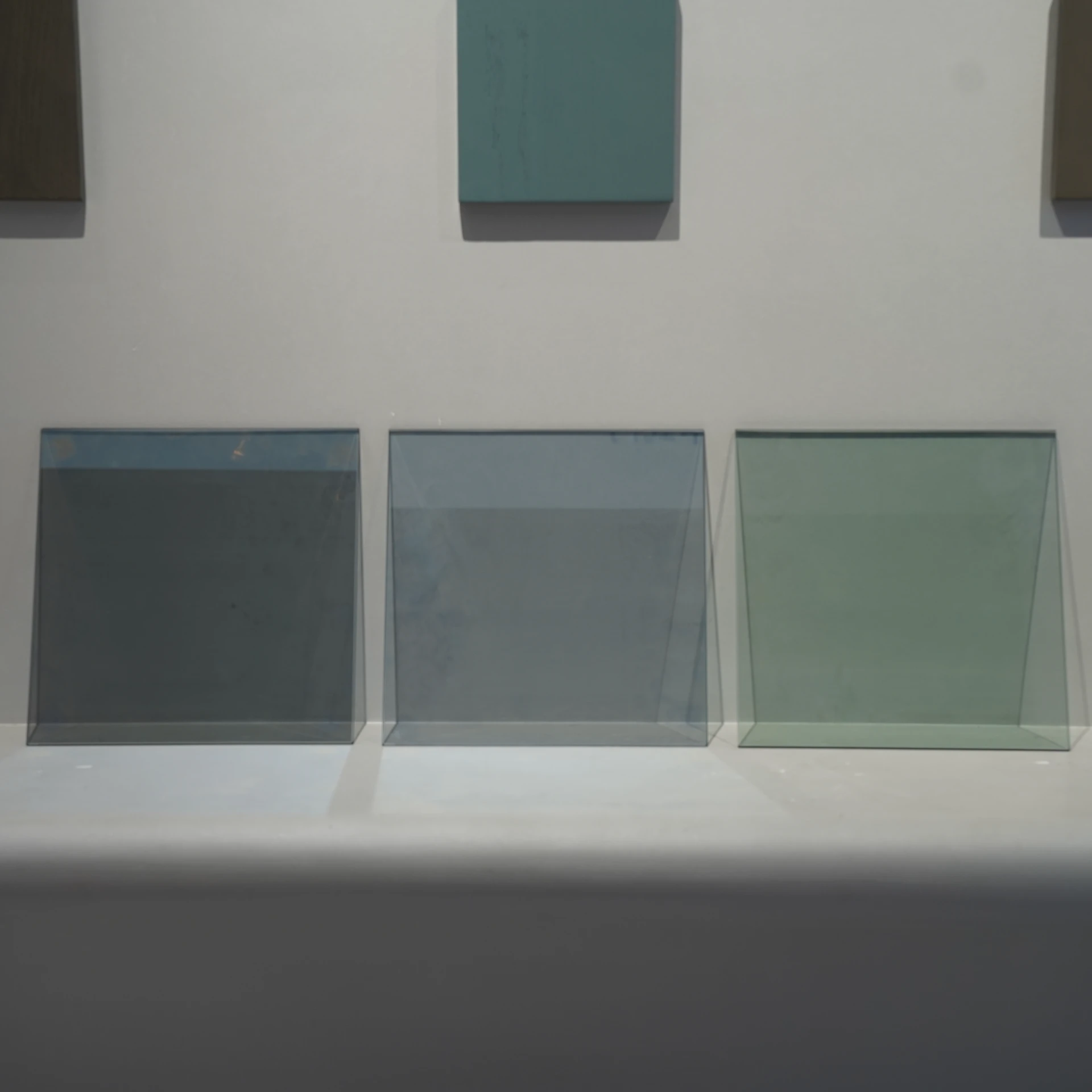
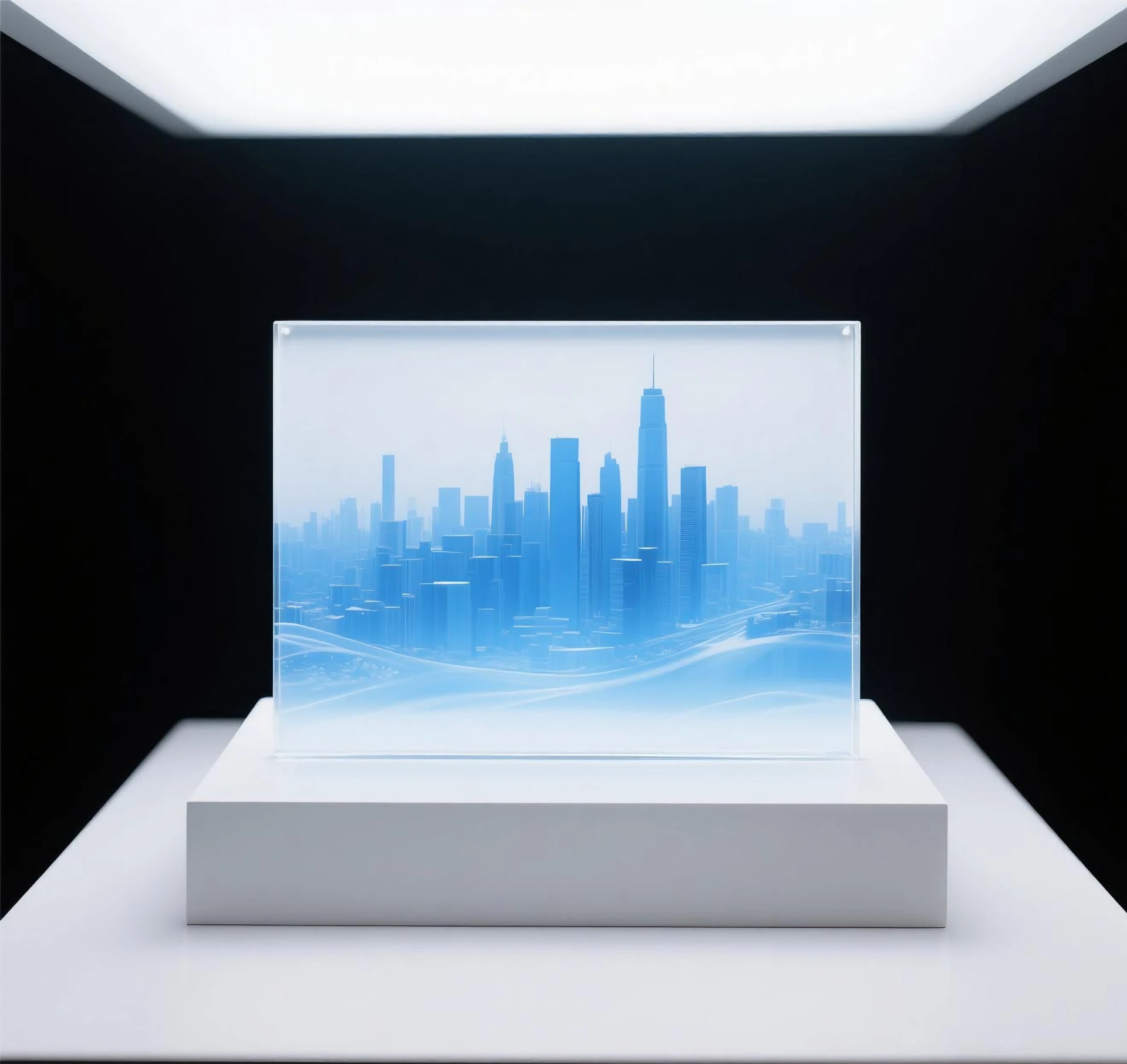
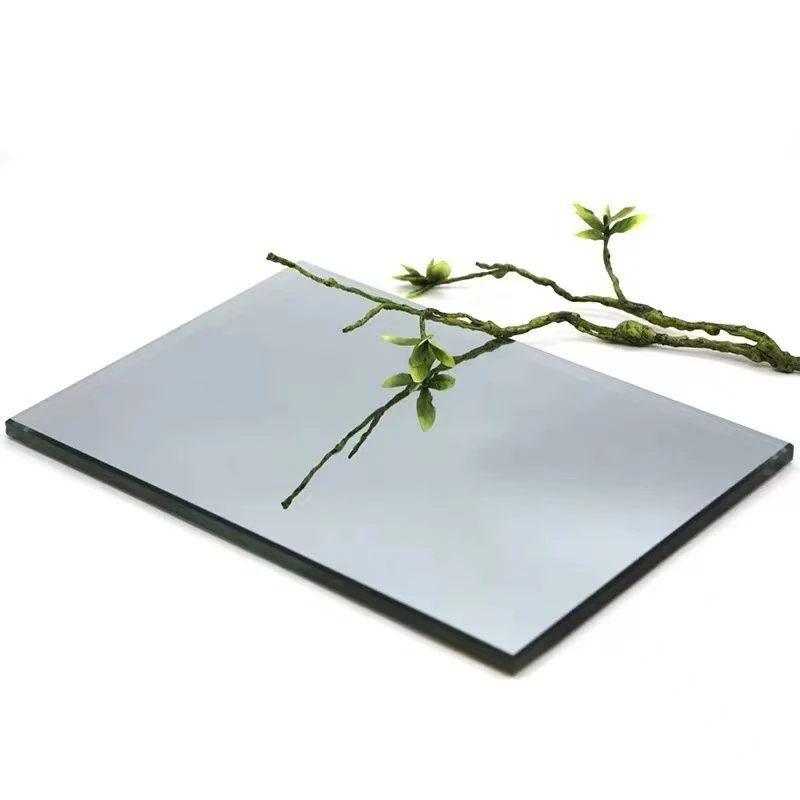
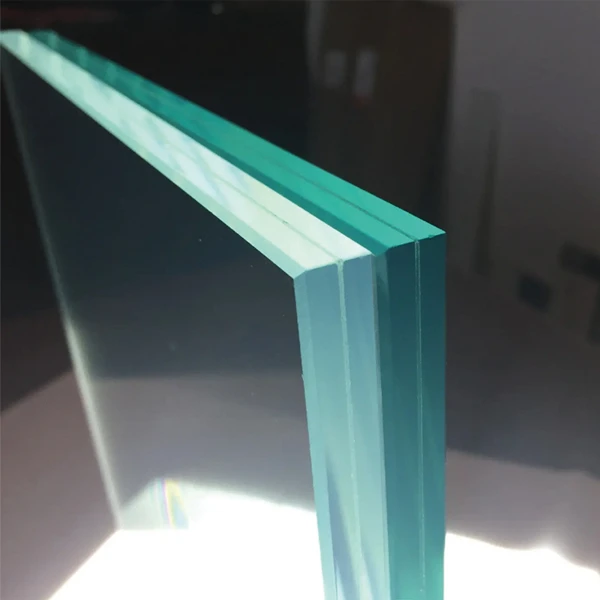
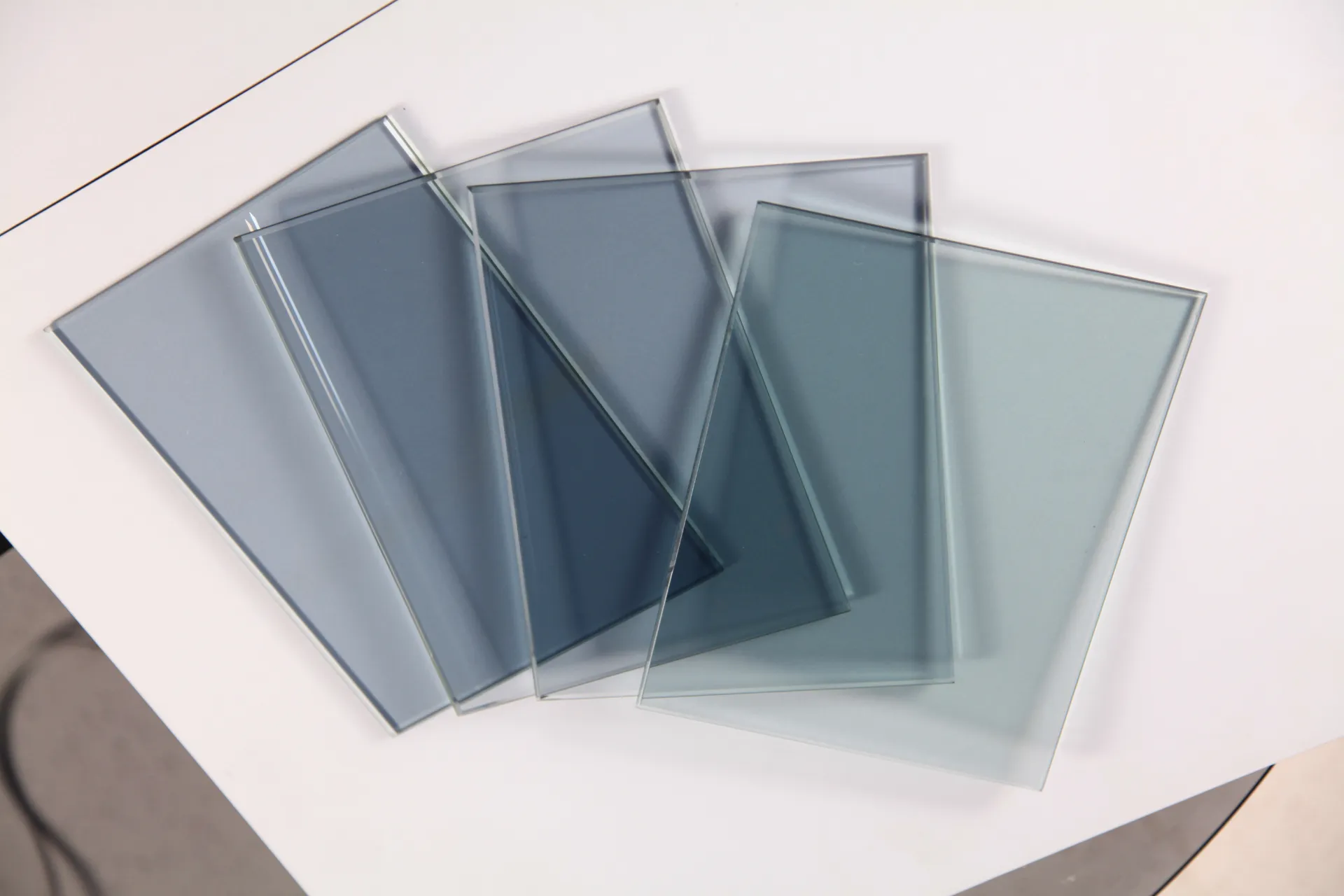
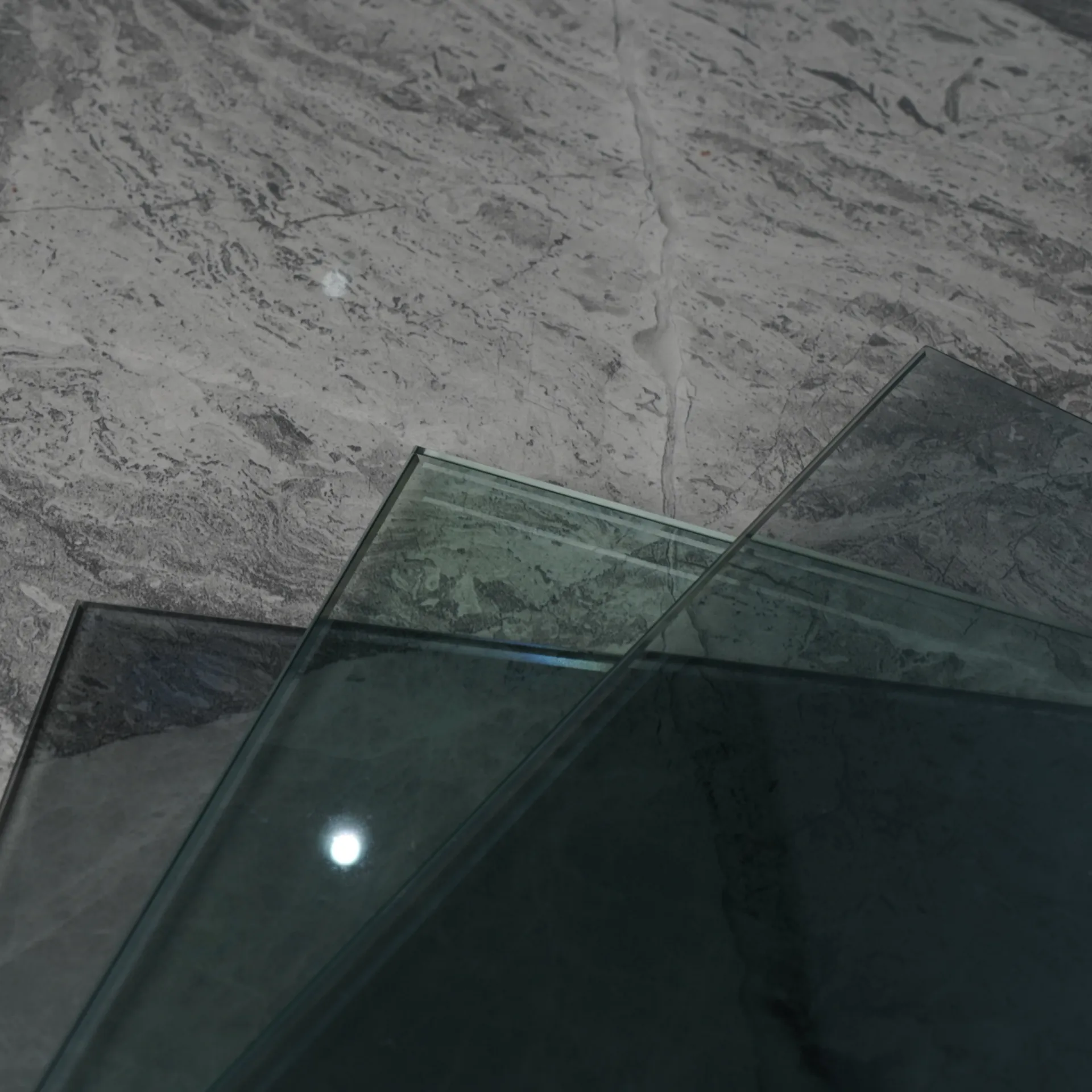
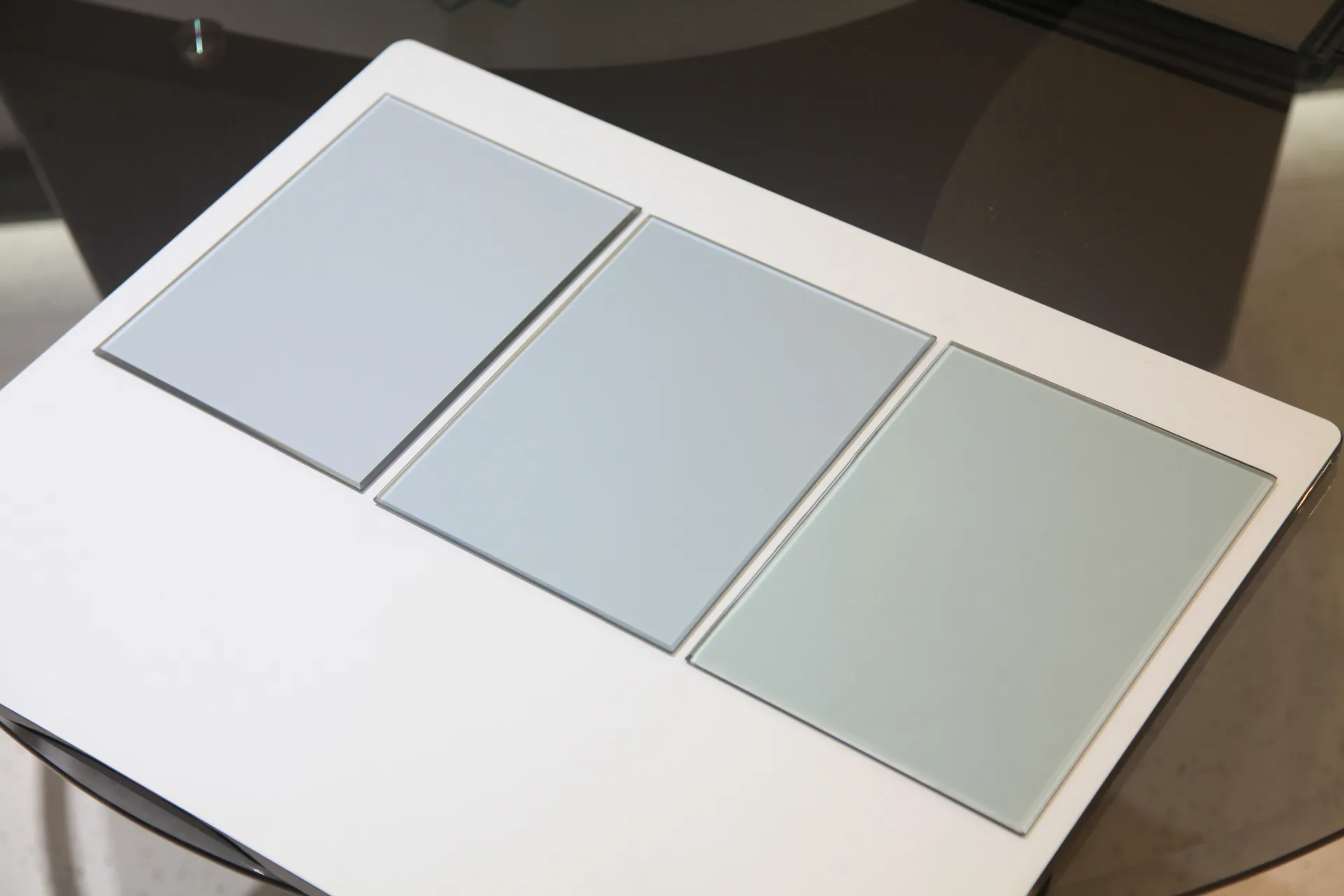
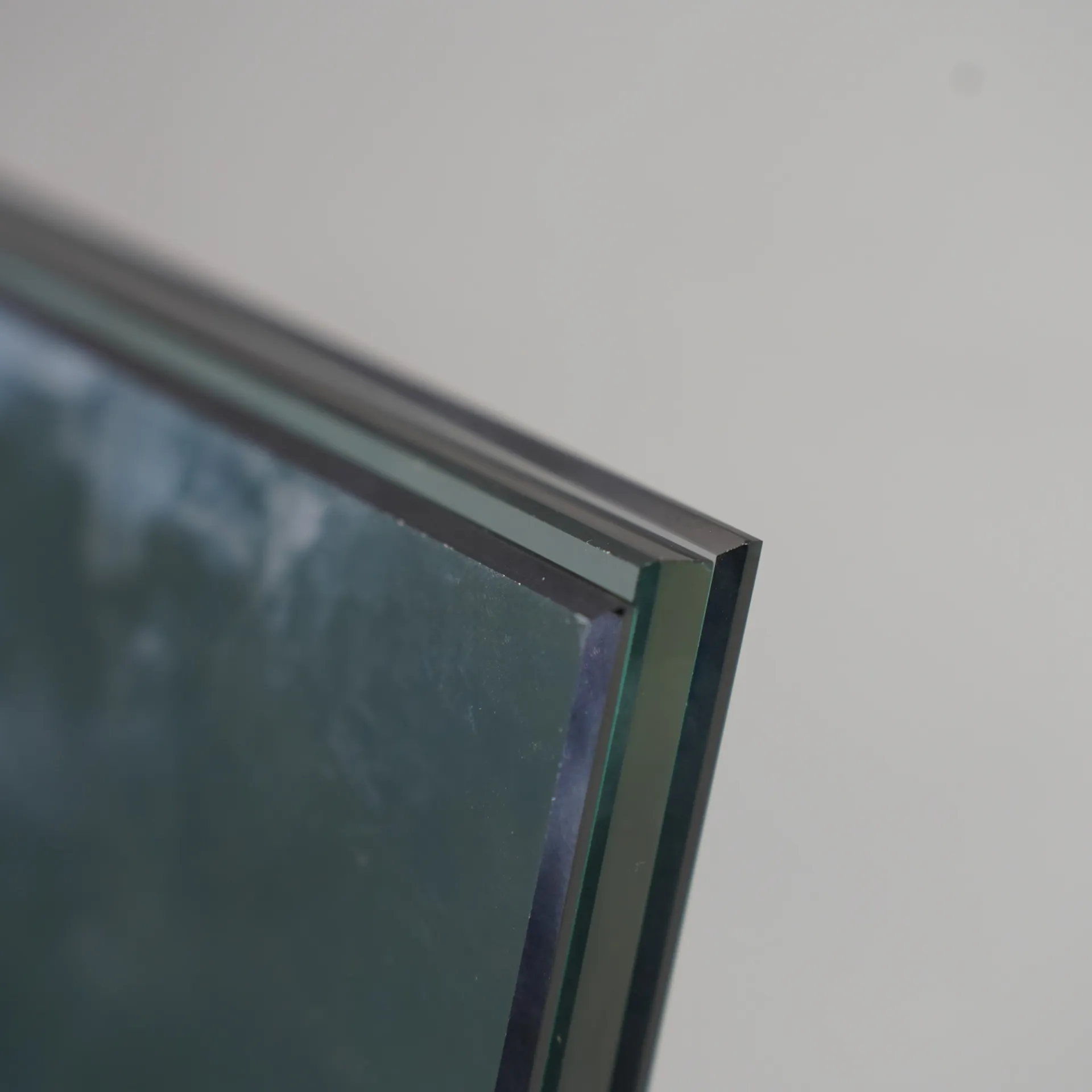
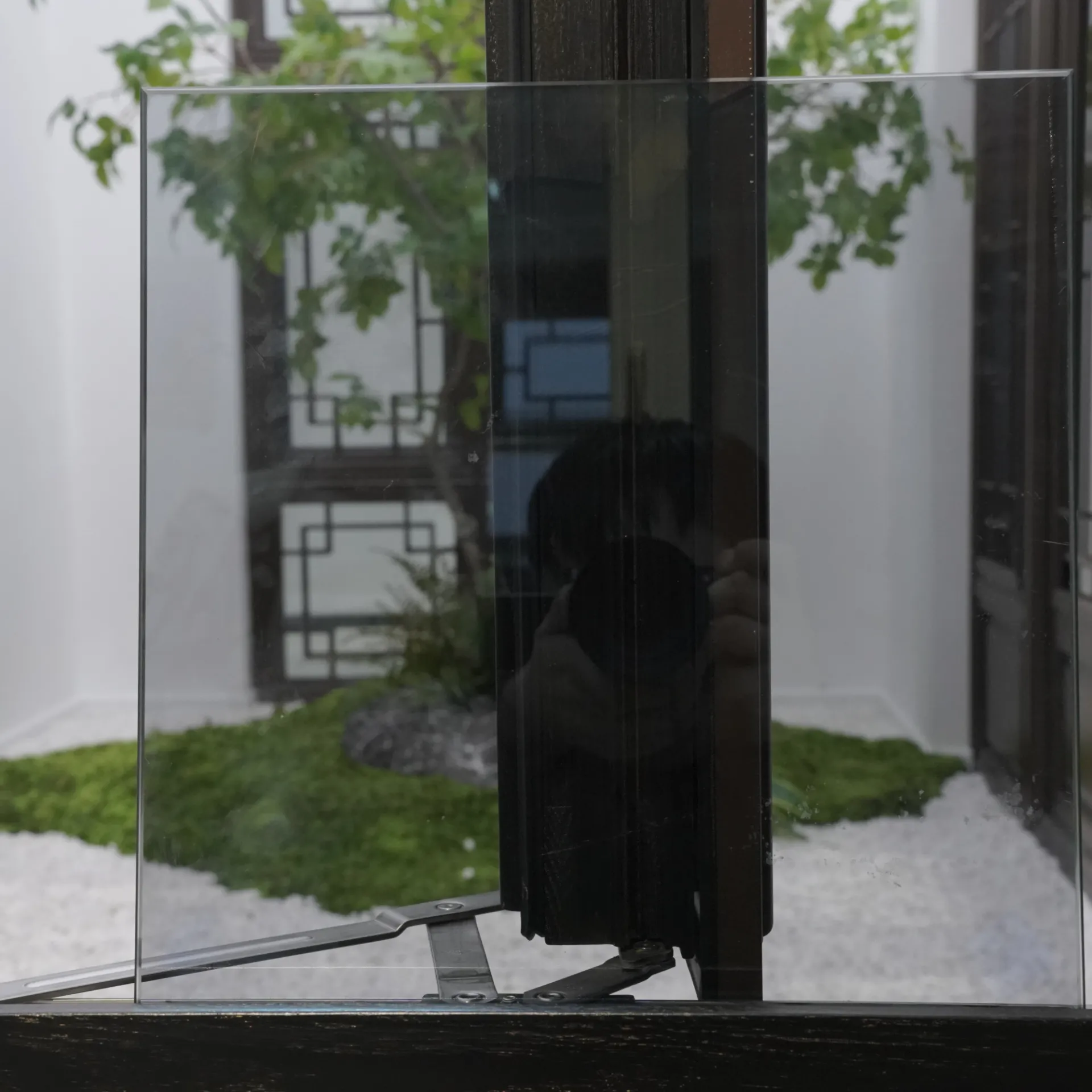
Low-E glass (Low-Emissivity Glass) is a functional glass with multiple layers of metal or metal oxide films coated on its surface. Its core feature is reducing heat transfer via radiation by lowering the glass's emissivity (ε value), while maintaining high light transmittance and low thermal conductivity. The principle is that the coating reflects far-infrared rays (the main form of heat propagation), preventing indoor heat from dissipating and outdoor heat from entering, thus achieving "thermal insulation" without affecting visible light transmission.
II. Core Application Scenarios
1. Building Energy Conservation
- Residential and Commercial Windows/Doors: Blocks indoor heat radiation in winter to keep warmth, and reflects outdoor solar heat in summer to reduce air conditioning loads, with energy savings exceeding 30%.
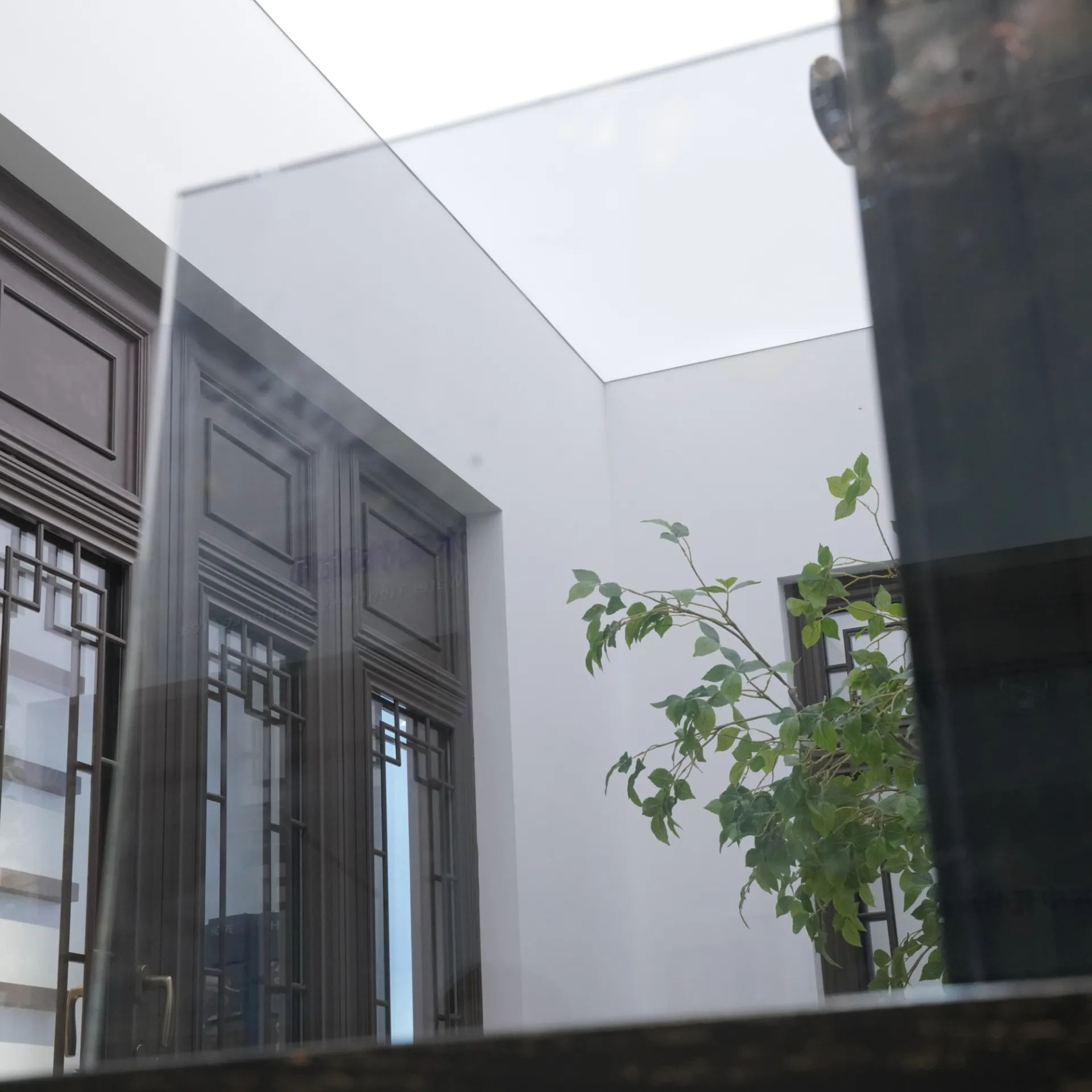
- Curtain Walls and Skylights: High-transmittance Low-E glass balances natural light introduction and thermal insulation, commonly used in office buildings and malls to reduce light pollution and energy consumption.
2. Special Climate Zones
- Cold Regions: When used with insulating glass, it significantly improves thermal insulation and reduces condensation.
- Hot Regions: Low-transmittance Low-E glass, combined with shading, effectively blocks UV and infrared radiation to lower indoor temperatures.
3. High-End Residential and Interior Design
- Floor-to-Ceiling Windows and Partitions: Maintains transparent views while minimizing heat exchange, enhancing living comfort.
- Soundproofing Scenarios: Combined with laminated glass, it integrates thermal insulation and soundproofing, suitable for buildings near streets or airports.
4. Industrial and Equipment Applications
- Refrigeration Warehouses and Constant-Temperature Labs: Prevents heat penetration to maintain stable temperature and humidity.
- Solar Equipment: Some Low-E coatings optimize solar absorption and reflection for photovoltaic modules or collectors.
5. Automotive and Transportation
- Automotive Windshields: Low-E coatings on certain vehicle models reduce air conditioning energy consumption and UV damage to passengers.
- High-Speed Rail and Aircraft Windows: Helps control cabin temperature for improved ride comfort.
III. Core Advantages and Types
- Advantages:
- Significantly reduces heating/cooling costs in the long term.
- Balances light transmittance and thermal insulation without compromising natural lighting.
- Can be combined with insulating or laminated glass to expand functions like soundproofing and safety.
- Main Types:
- On-line Coated Low-E Glass: Lower cost and better durability, suitable for general energy-saving needs.
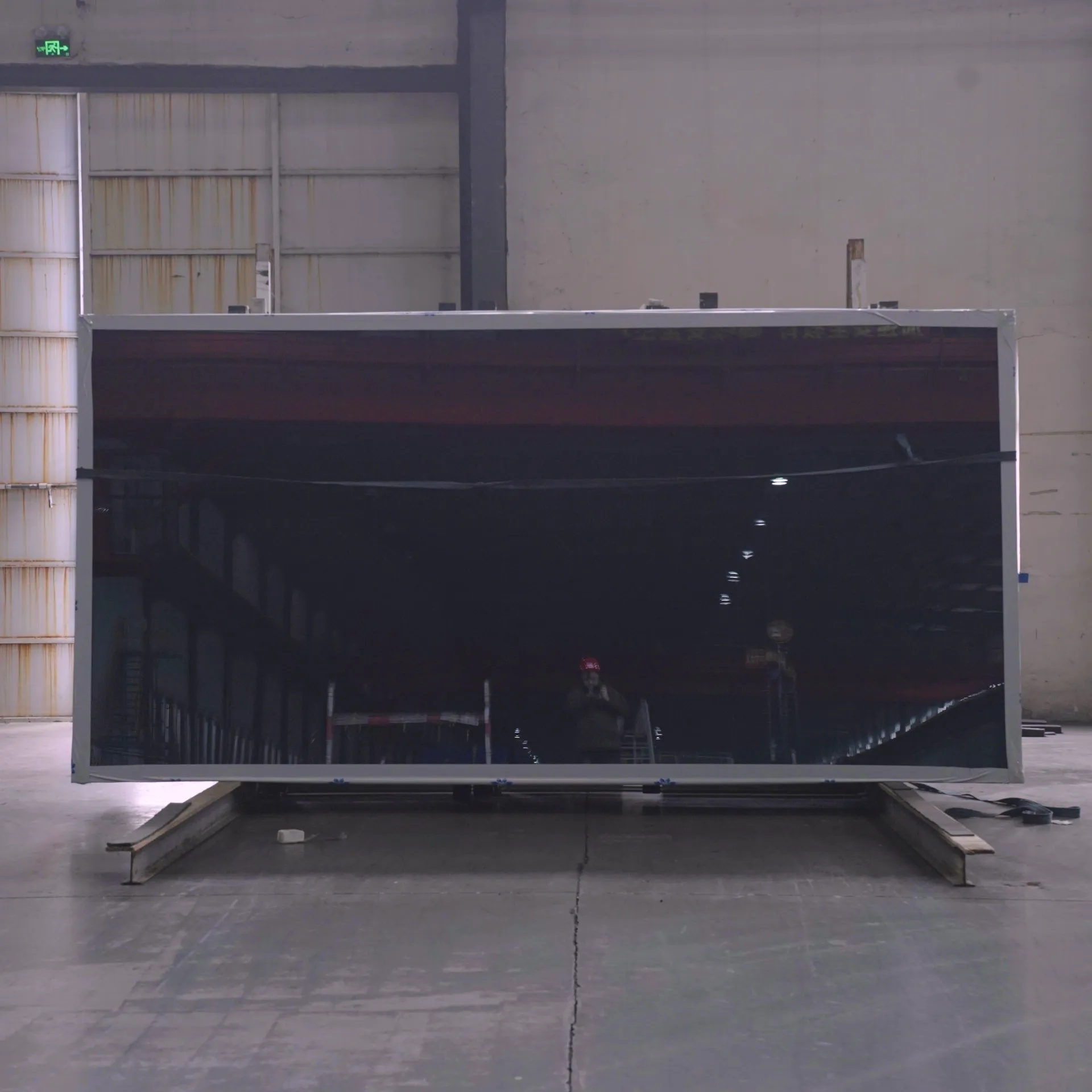
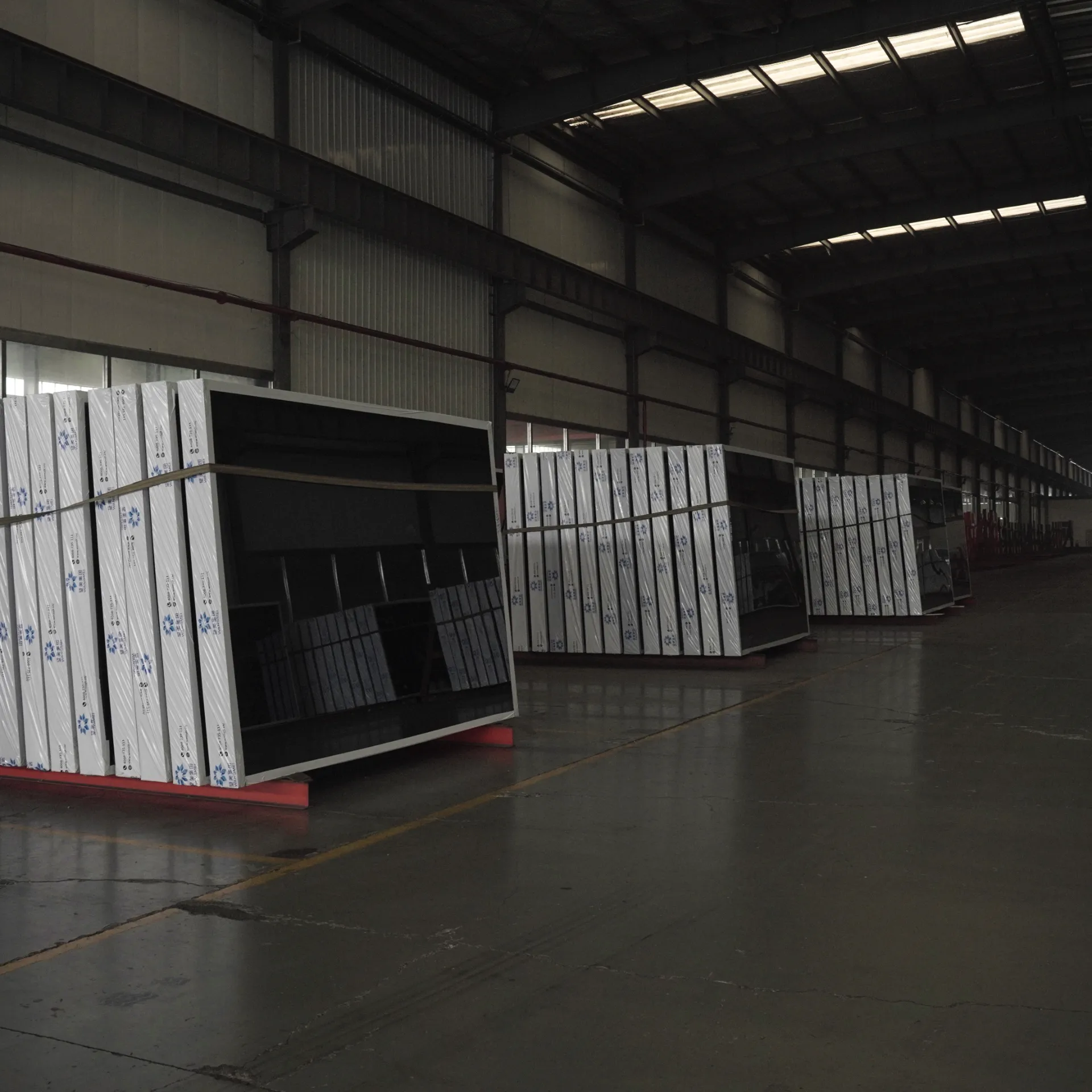
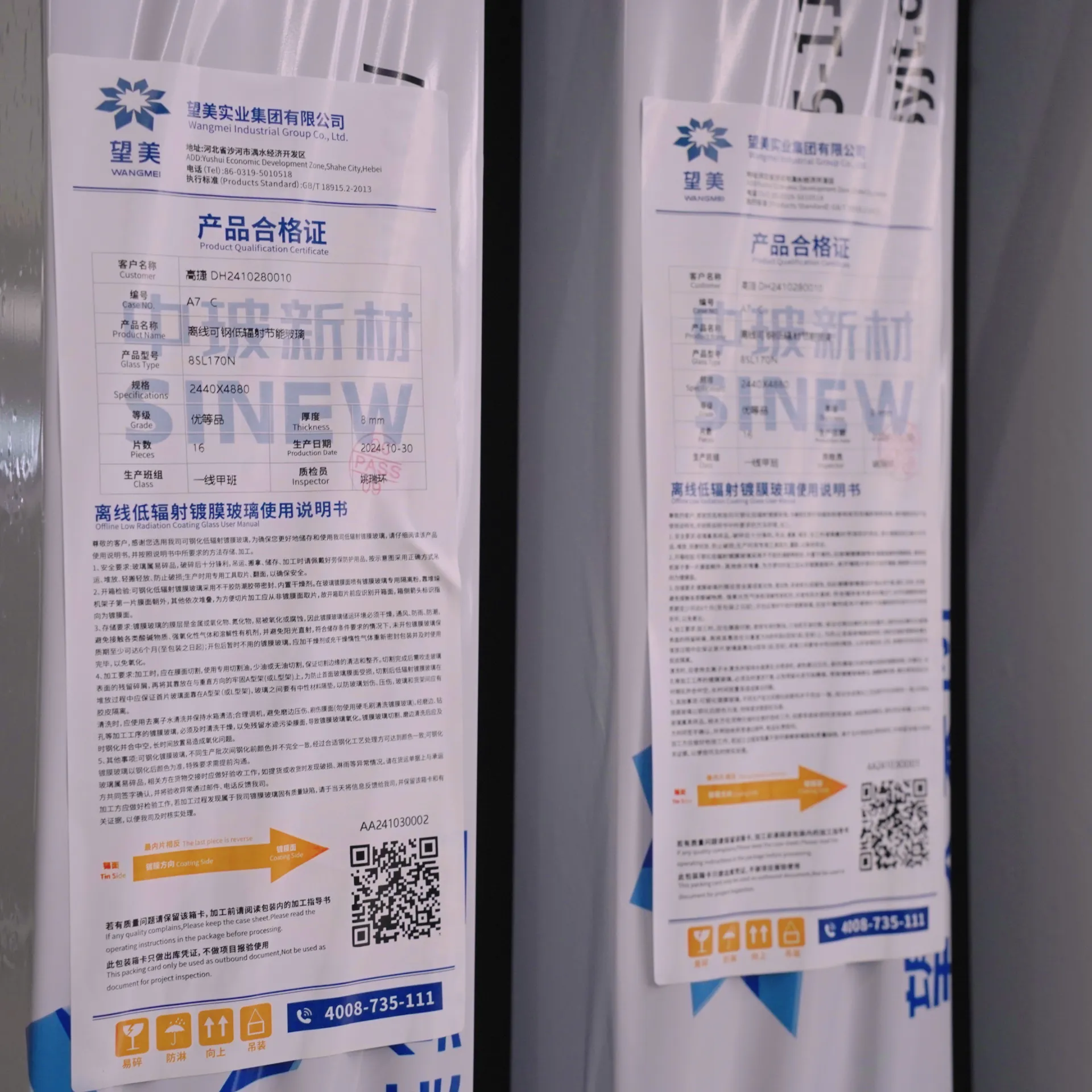
- Off-line Coated Low-E Glass: Superior thermal insulation but requires pairing with insulating glass, ideal for high-end buildings.
Through optical coating technology, Low-E glass has become a mainstream choice in building energy conservation and comfortable space creation. Its application continues to expand, especially under the global low-carbon trend.
Double Glazing with Low E Coating
Double Silver Low E Glass
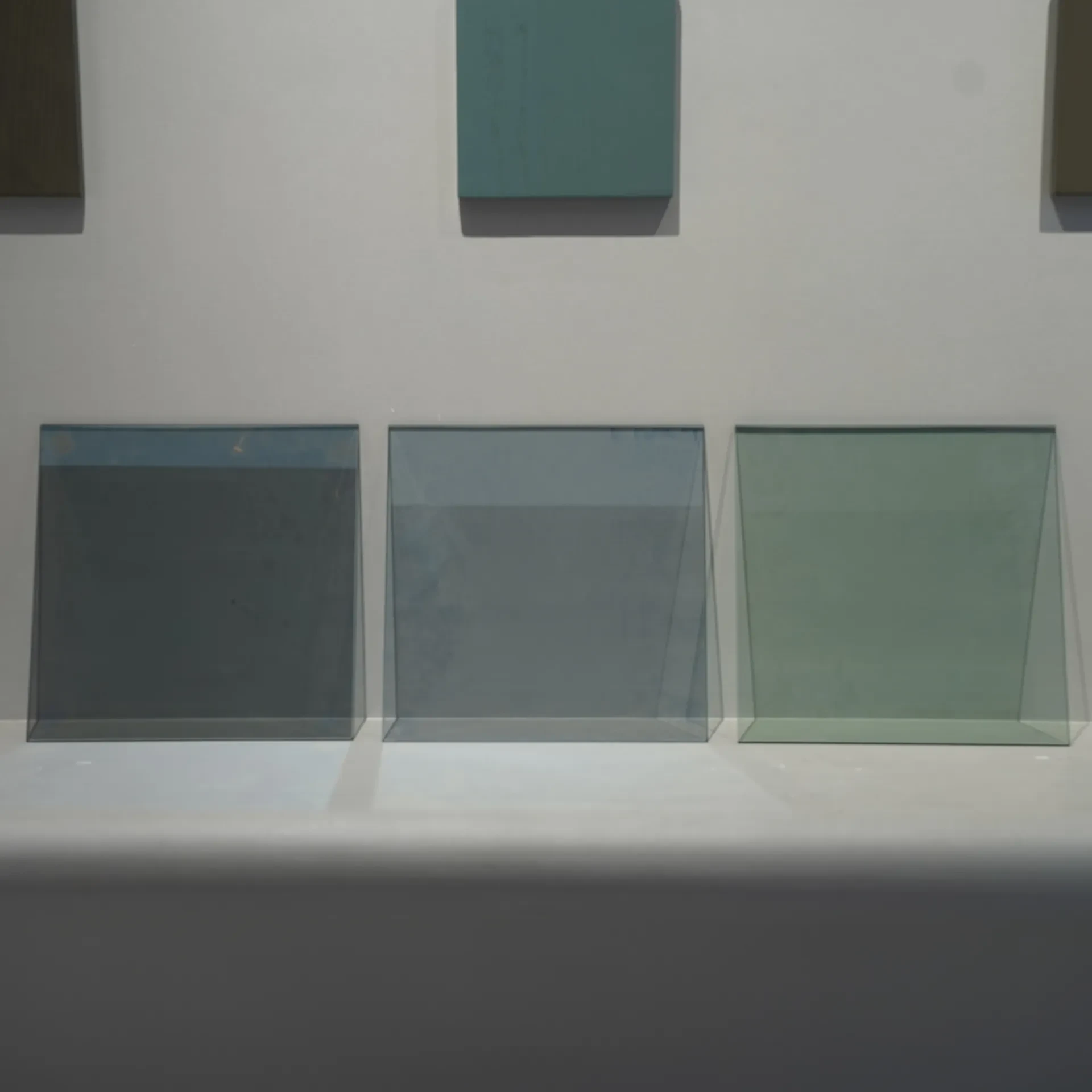
Our advanced double silver Low-E glass delivers superior thermal performance for energy-efficient buildings. The dual silver layer coating reflects infrared heat while maintaining excellent visible light transmission, outperforming single silver alternatives. This innovative glass solution reduces heat loss in winter and minimizes solar heat gain in summer, helping buildings achieve stringent energy codes. The coating is typically applied to the second surface in insulated units for optimal durability and performance. With higher selectivity ratios than conventional Low-E glass, it provides better balance between daylighting and solar control. The neutral appearance ensures minimal color distortion while the durable coating withstands environmental exposure when properly protected in insulated glazing units.
Low-E Glass Meaning
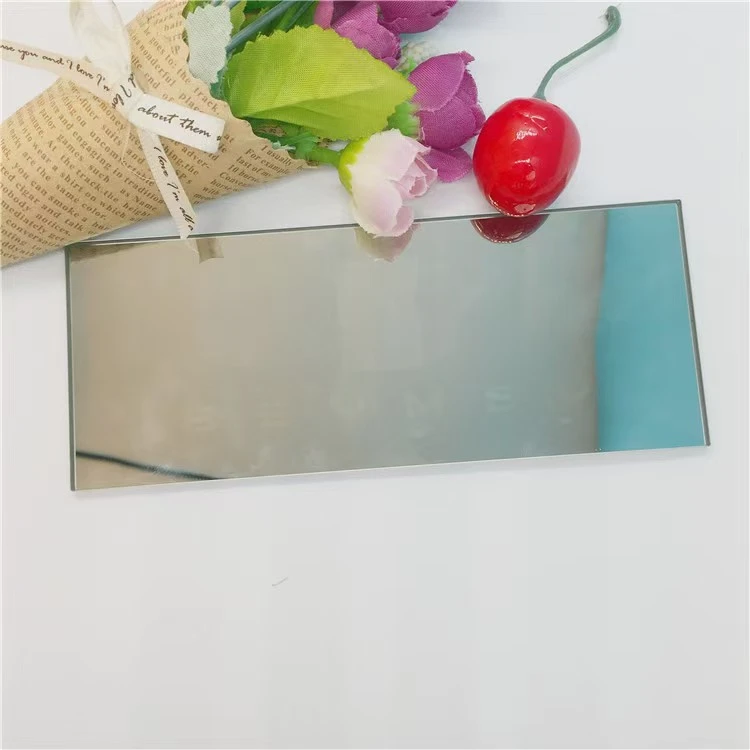
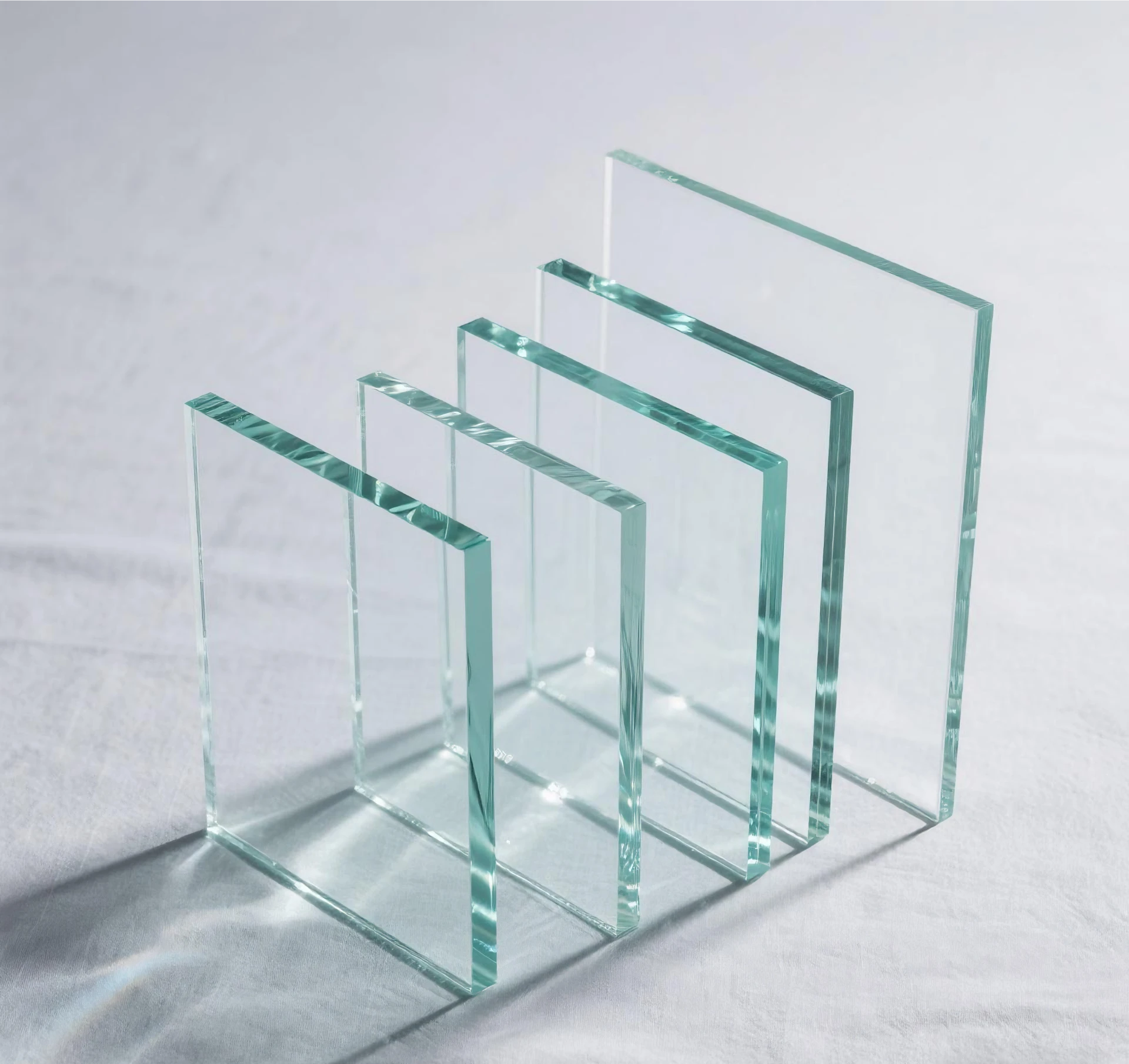
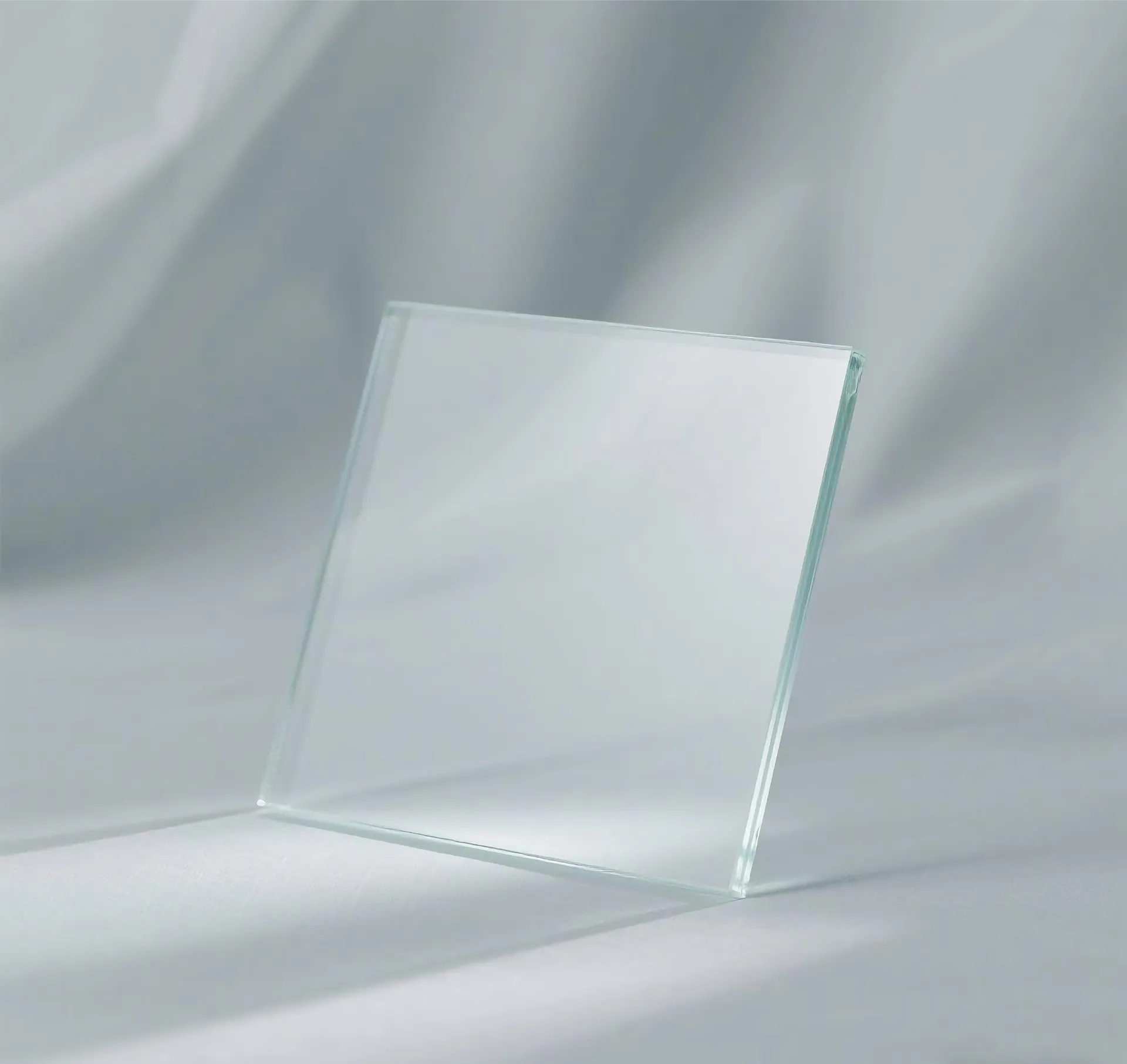
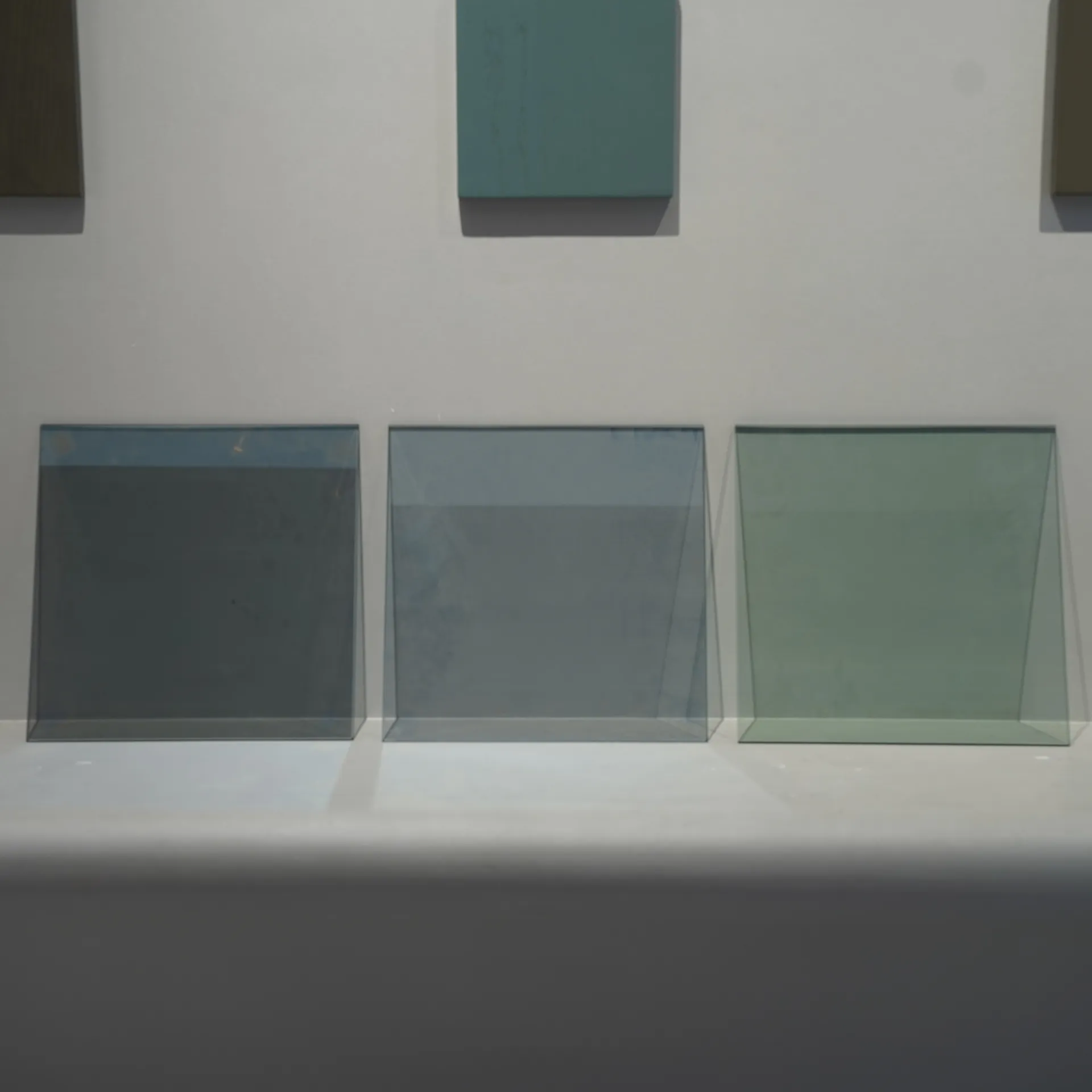
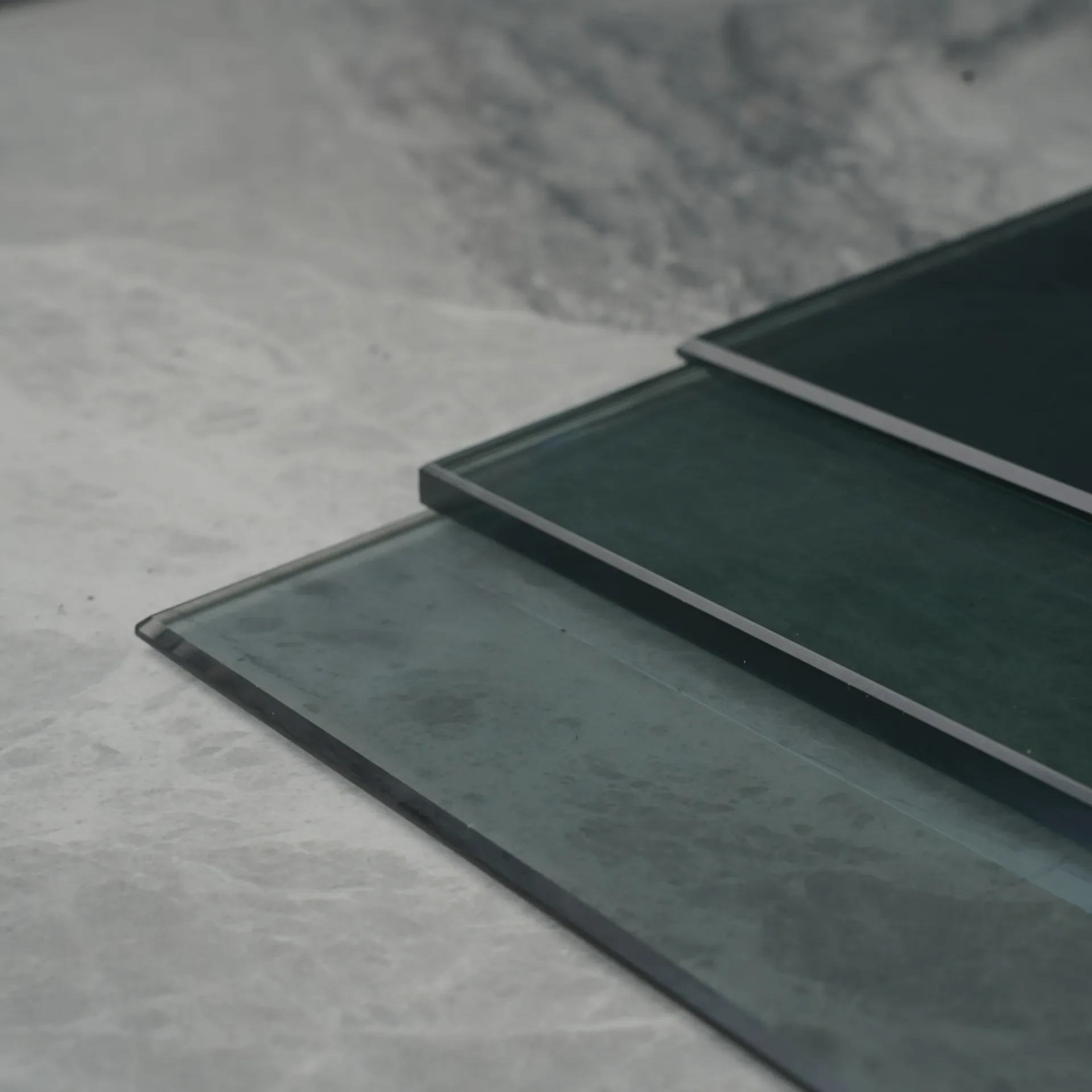
Low-emissivity (Low-E) glass features a microscopically thin metallic coating that reflects infrared light while allowing visible light to pass through. This innovative technology helps regulate indoor temperatures by keeping heat inside during winter and blocking solar heat in summer. The nearly invisible coating doesn't compromise natural light transmission, making it ideal for energy-efficient windows in both residential and commercial buildings. Different types of Low-E coatings cater to varying climate needs, with some prioritizing winter warmth and others focusing on summer heat rejection. This smart glass solution significantly reduces energy costs while maintaining comfort year-round.