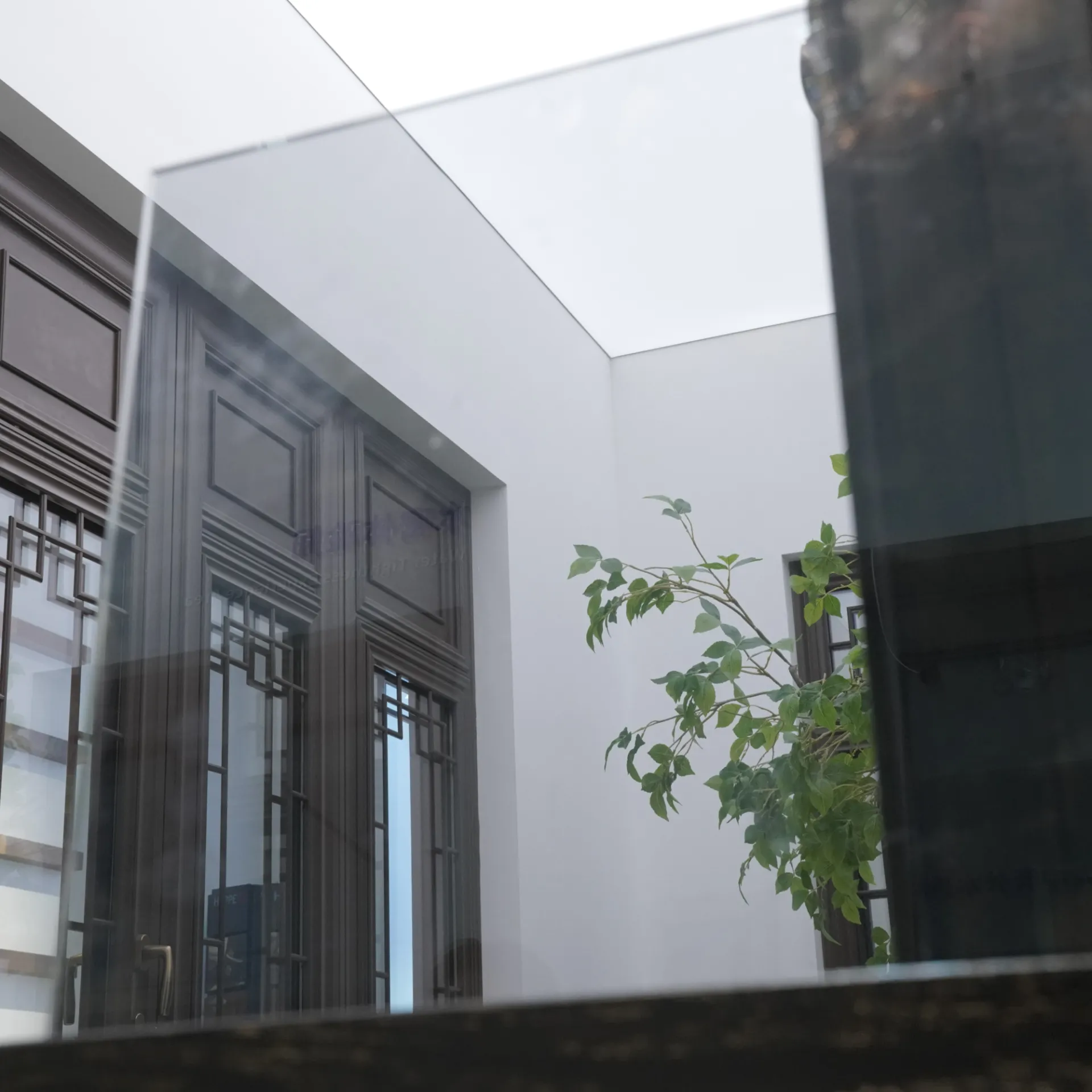
Product Description
Introduction and Applications of Solar Control Coated Glass
I. Introduction to Solar Control Coated Glass
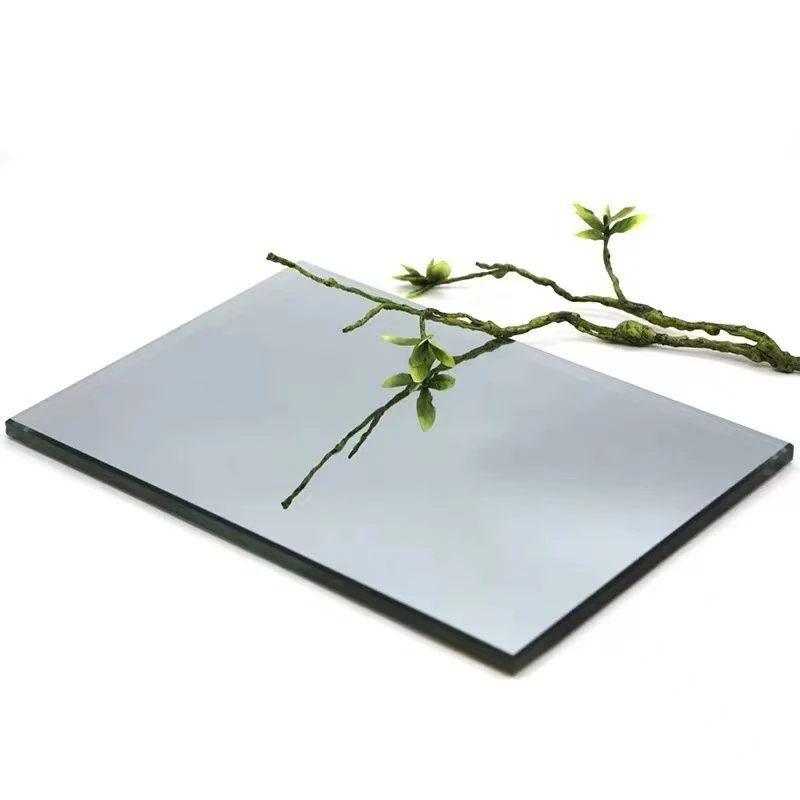
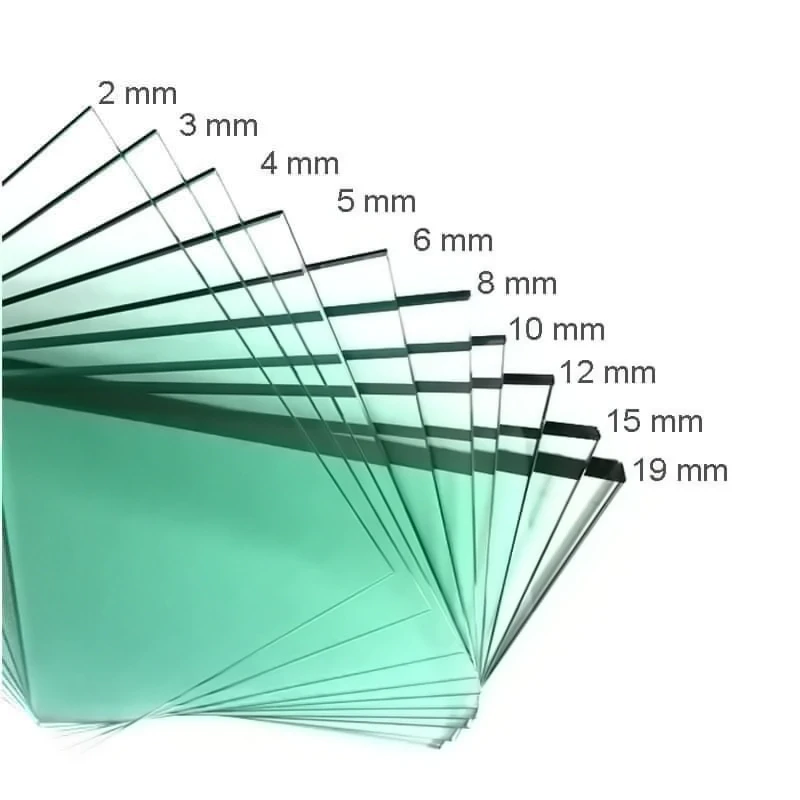
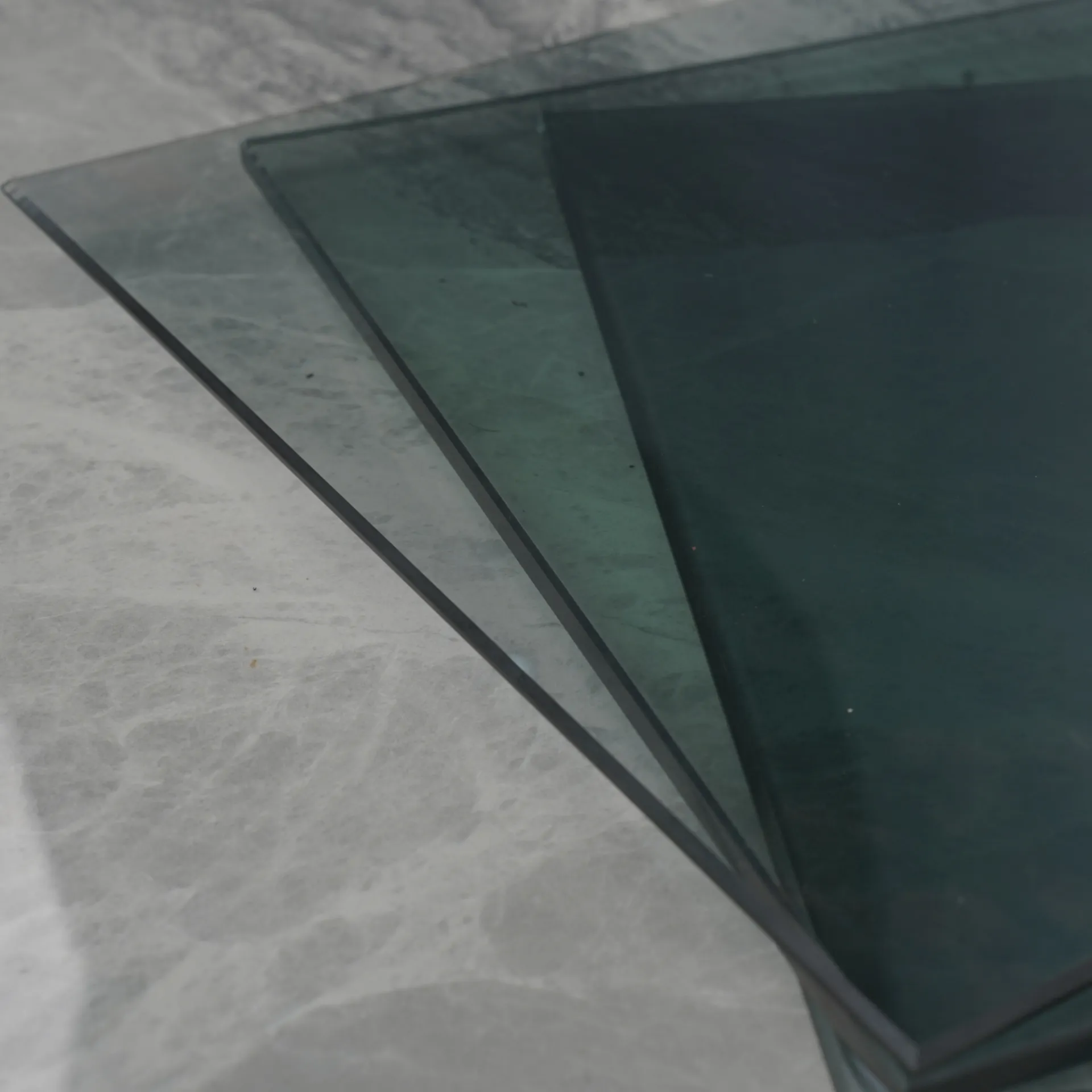
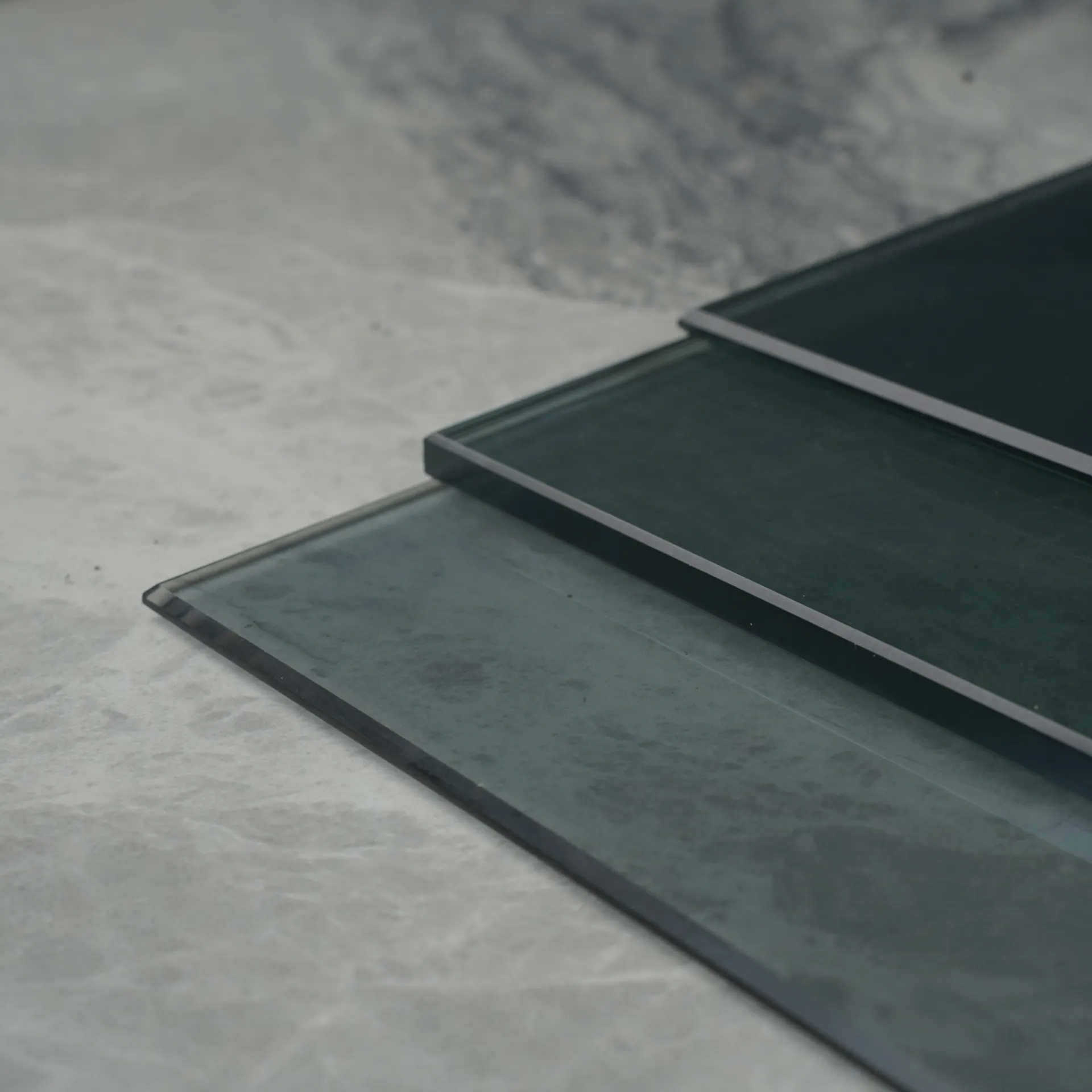
Solar Control Coated Glass is a functional glass that imparts the ability to regulate solar radiation transmission through surface coating technologies (such as magnetron sputtering and chemical vapor deposition). Its core principle utilizes the selective reflection and absorption of light at different wavelengths (visible light, near-infrared light, ultraviolet light) by the coating layer, reducing solar heat (infrared radiation) entering indoor spaces and minimizing UV damage to indoor items, while maintaining a certain light transmittance.
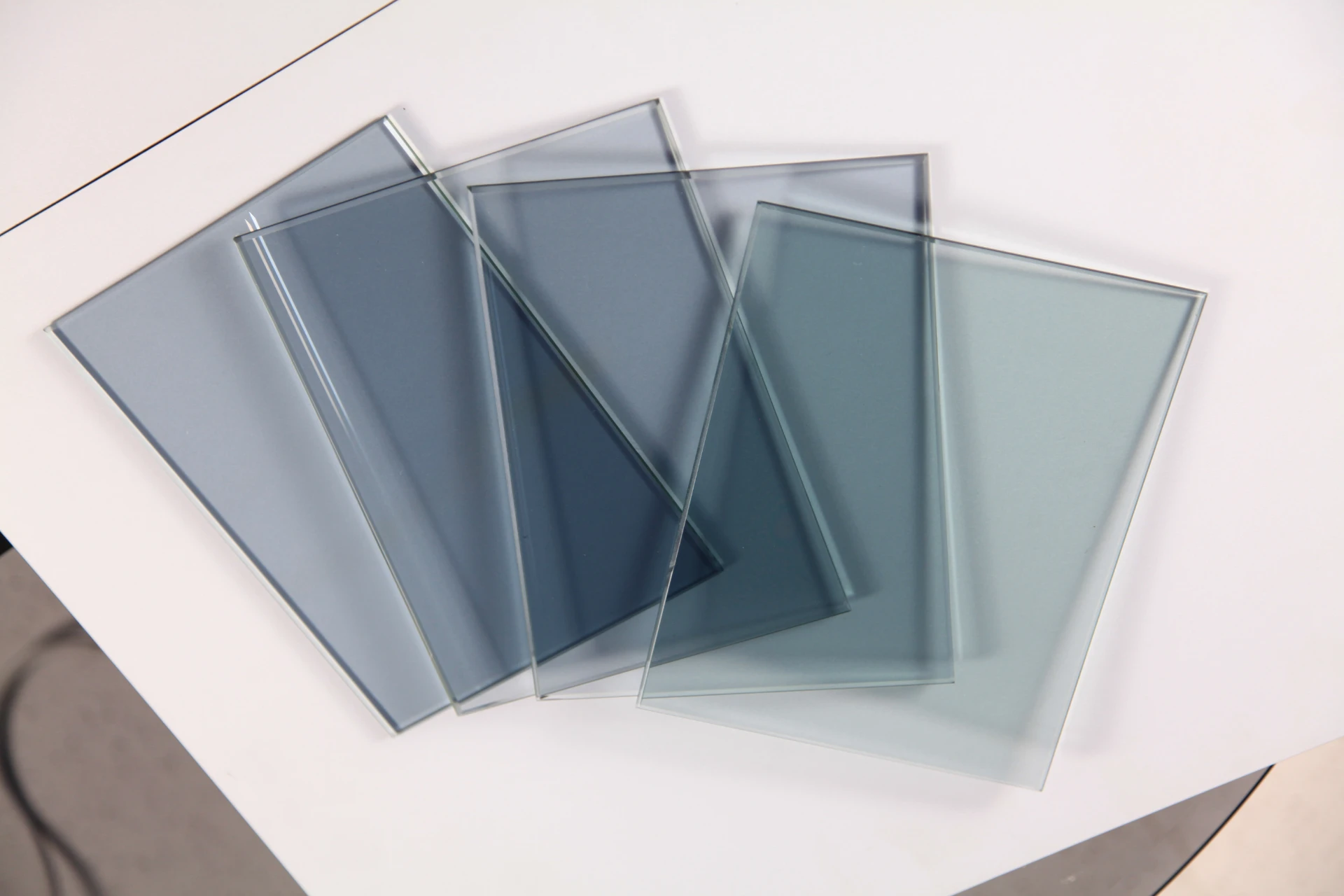
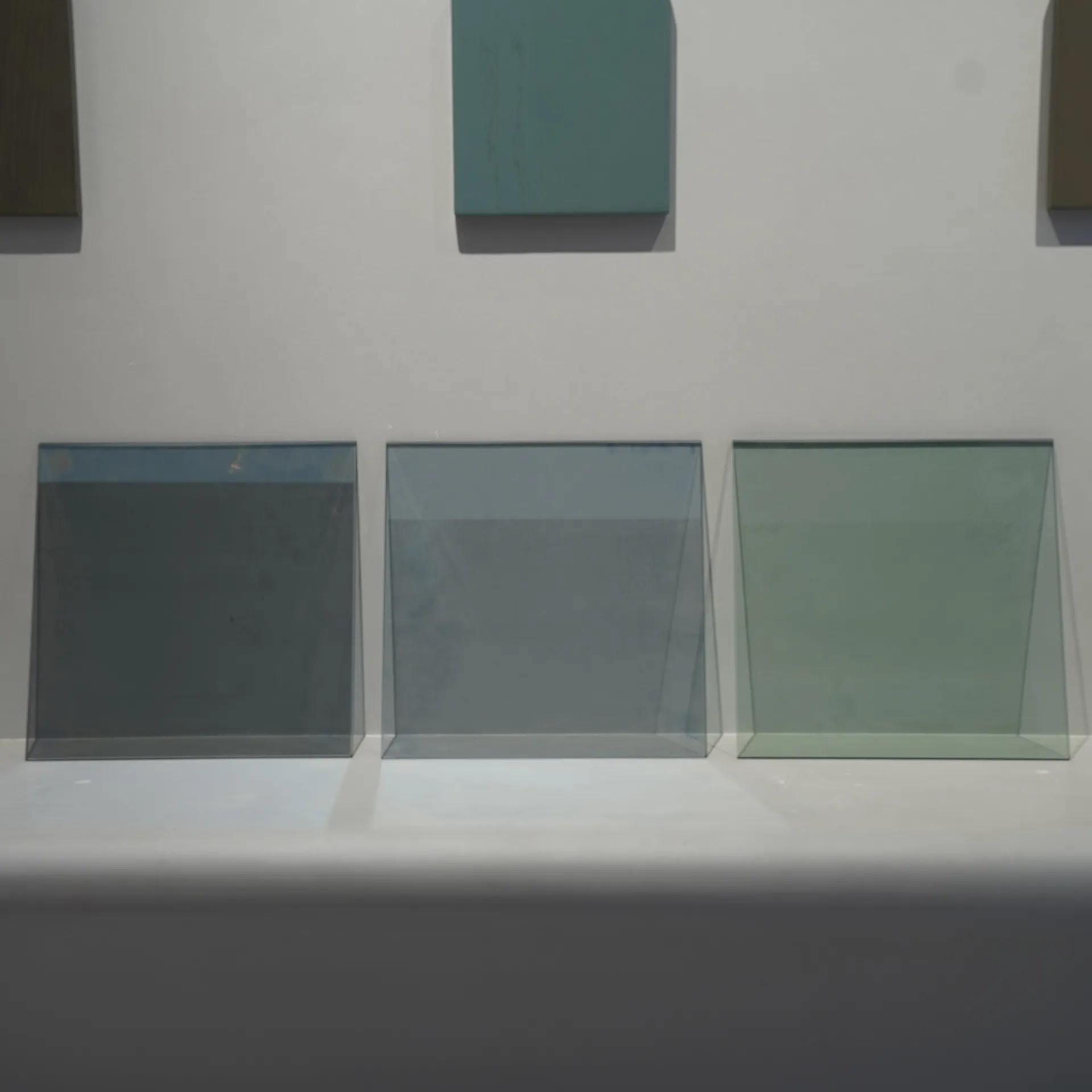
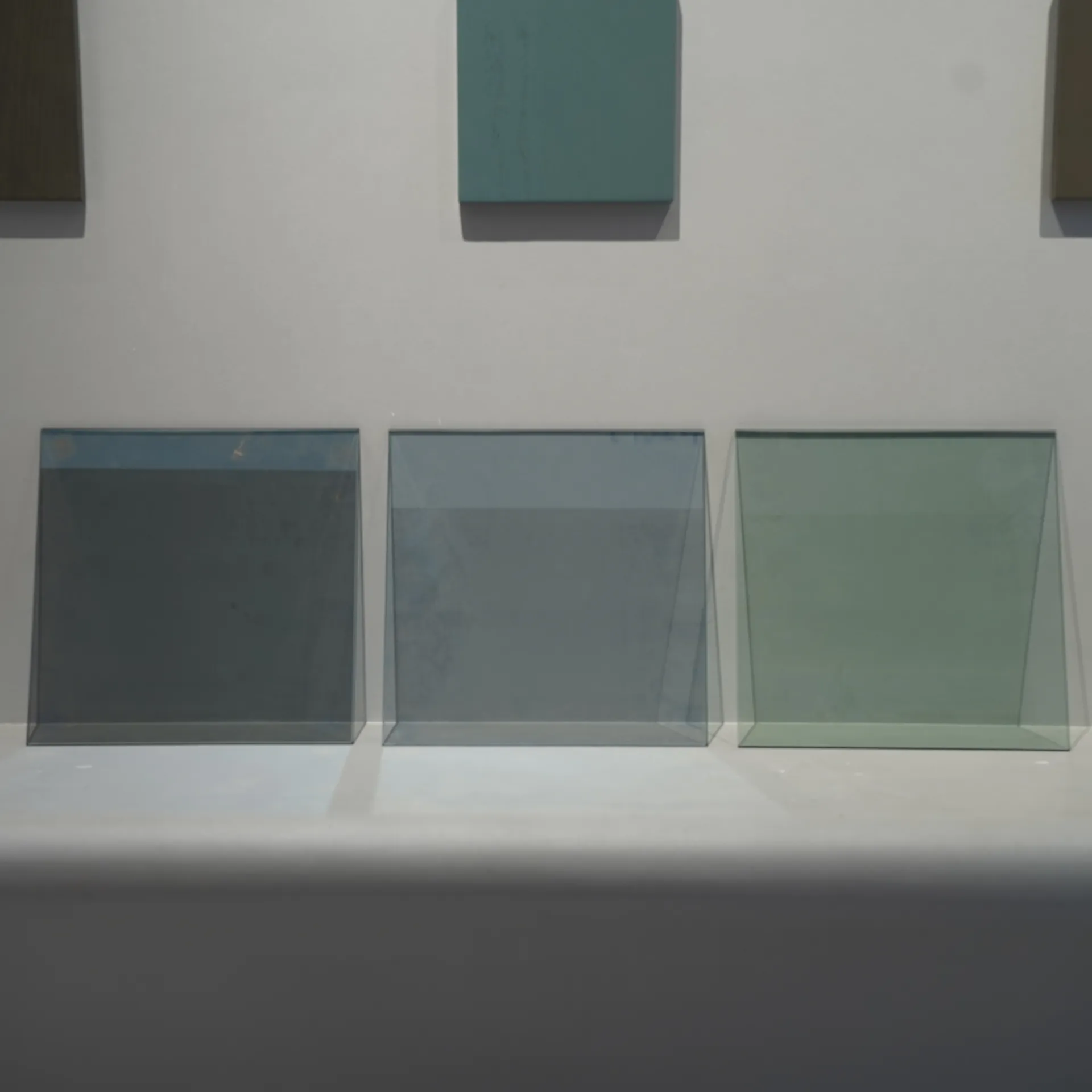
The coating layer of this glass is typically composed of metals, metal oxides, or composite films, and the layer structure can be adjusted as needed to achieve different performances such as "high light transmittance and low heat transfer" or "low light transmittance and high thermal insulation". Compared with ordinary glass, solar control coated glass can effectively balance the needs of day-lighting and energy-saving goals, serving as a key material for building energy conservation and indoor environment optimization.
II. Core Application Scenarios
1. Building Exteriors and Windows/Doors
- High-Rise Curtain Walls: Adjusting visible light transmittance (e.g., 30%-70%) through coating reduces glare, while blocking more than 60% of solar infrared radiation to lower air conditioning loads. Suitable for public buildings such as office buildings and hotels.
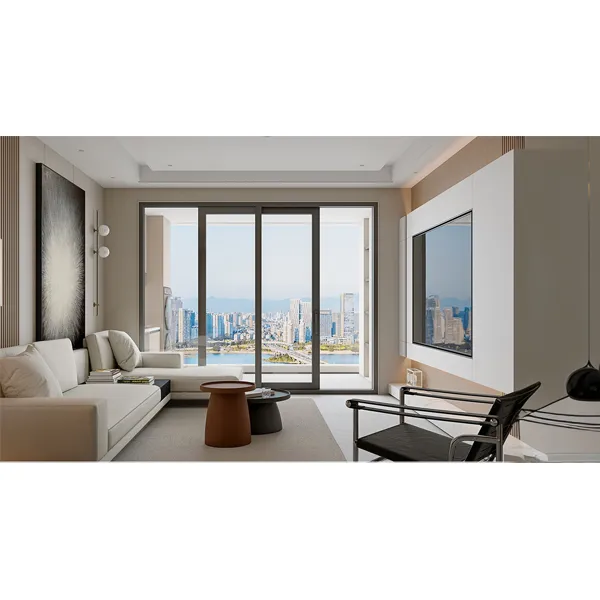
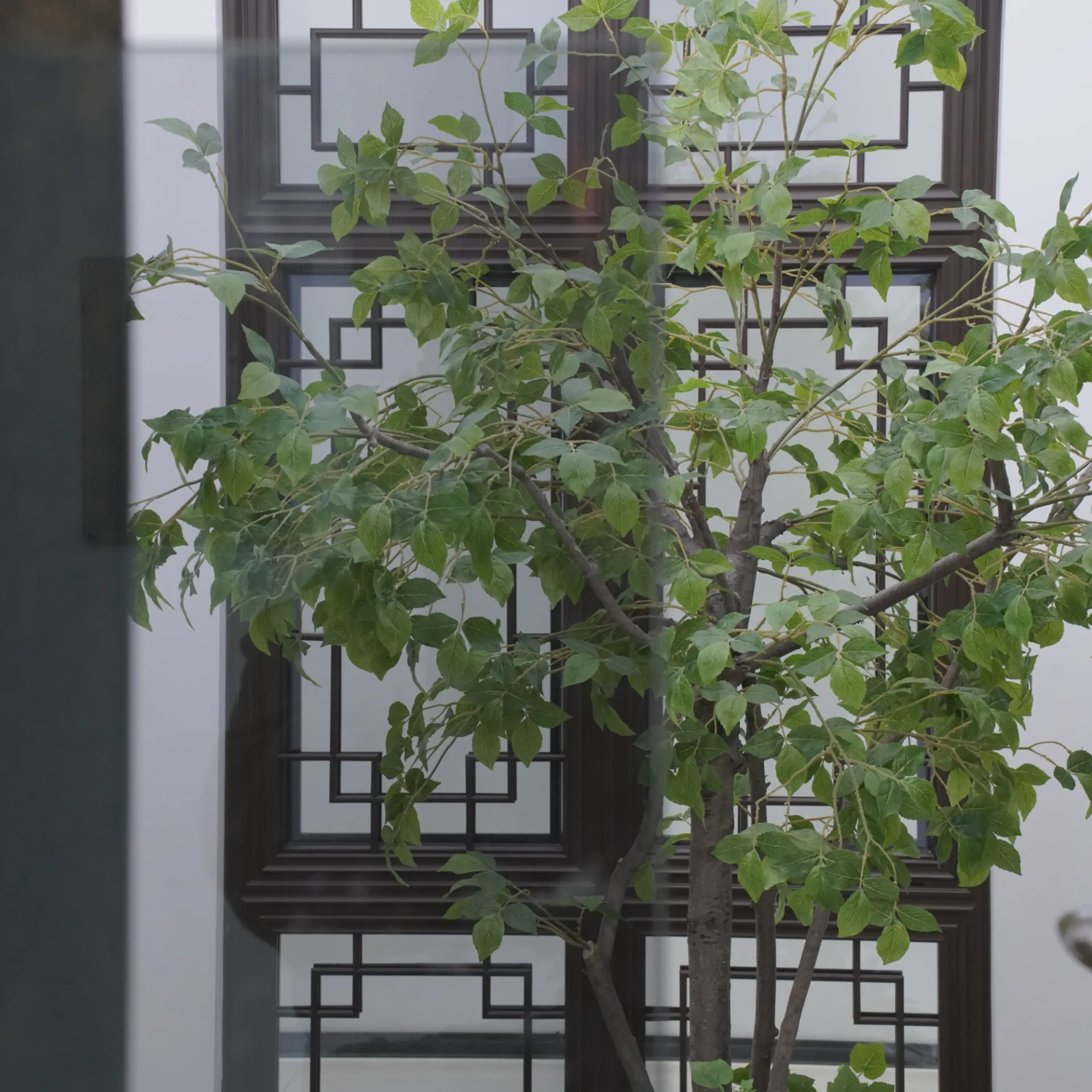
- Residential Windows/Doors: Balances indoor day-lighting and thermal insulation, preventing room temperature from rising due to direct sunlight in summer and reducing indoor heat radiation in winter to enhance living comfort.
2. Commercial and Public Spaces
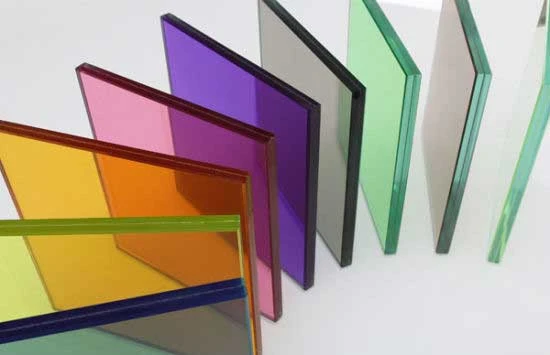
- Malls and Exhibition Halls: Controls strong light incidence to prevent UV aging of window exhibits, paintings, etc., while enhancing the aesthetic appearance of buildings through coating colors (such as blue, green, gold).
- Gymnasiums and Greenhouses: Reduces interference of strong light in sports scenes or adjusts light intensity in greenhouses to avoid plant damage from strong light.
3. Transportation and Equipment Fields
- Automotive Glass: Sun control films on windshields and side windows block UV and infrared radiation, lowering interior temperature and protecting passengers and interior components (such as leather seats and instrument panels).
- Rail Transit and Ships: Such glass is used for high-speed rail windows and cruise ship portholes to reduce the impact of strong light and heat during high-speed travel, enhancing the passenger experience.
4. Electronic Devices and Special Scenarios
- Display Covers: Some outdoor electronic screens (such as billboards and bus stop signs) use solar control coated glass to reduce interference from sunlight reflection on image clarity.
- Laboratories and Precision Instruments: In environments requiring light source intensity control (such as optical laboratories and medical testing equipment), specific wavelength light is filtered through coating to ensure experimental accuracy.
III. Core Advantages
- Energy Conservation and Consumption Reduction: Reduces air conditioning energy consumption, provides thermal insulation in summer and heat preservation in winter, meeting green building standards.
- Light Environment Optimization: Reduces glare, adjusts indoor light softness, and protects vision.
- UV Protection: Blocks more than 90% of UV rays, delaying the aging of furniture, fabrics, etc.
Solar control coated glass achieves multiple functions of "light control, heat control, and UV control" through optical coating technology, and is widely used in building energy conservation, transportation equipment, electronic displays, and other fields. It has become the mainstream choice to replace ordinary glass, especially in high-temperature regions or scenarios with high requirements for light environment.
What Is Solar Control Glass
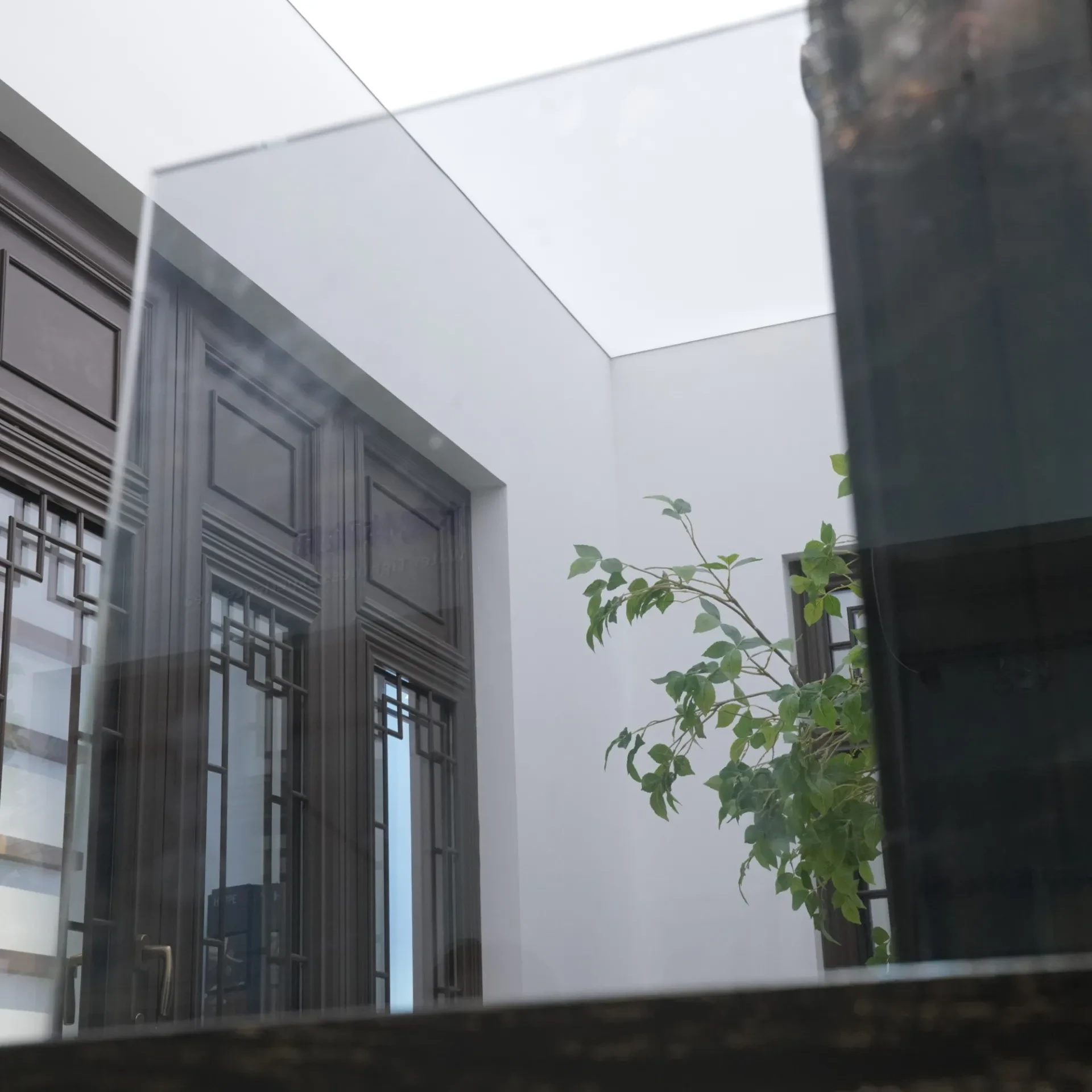
Solar Glass vs Normal Glass
Solar control glass represents a significant upgrade over standard glass for modern buildings. Unlike conventional glass that allows unrestricted heat transfer, solar glass incorporates specialized coatings or body tints to selectively filter sunlight. It can reject up to 70% of solar heat while maintaining good visibility, reducing cooling loads by 30-50%. Normal glass lacks these properties, leading to uncomfortable temperature fluctuations and higher energy consumption. Solar glass also blocks 99% of UV radiation that fades furnishings, while standard glass only stops about 25%. The advanced technology maintains natural daylight benefits without the drawbacks of excessive heat gain, making it essential for sustainable construction in warm climates.
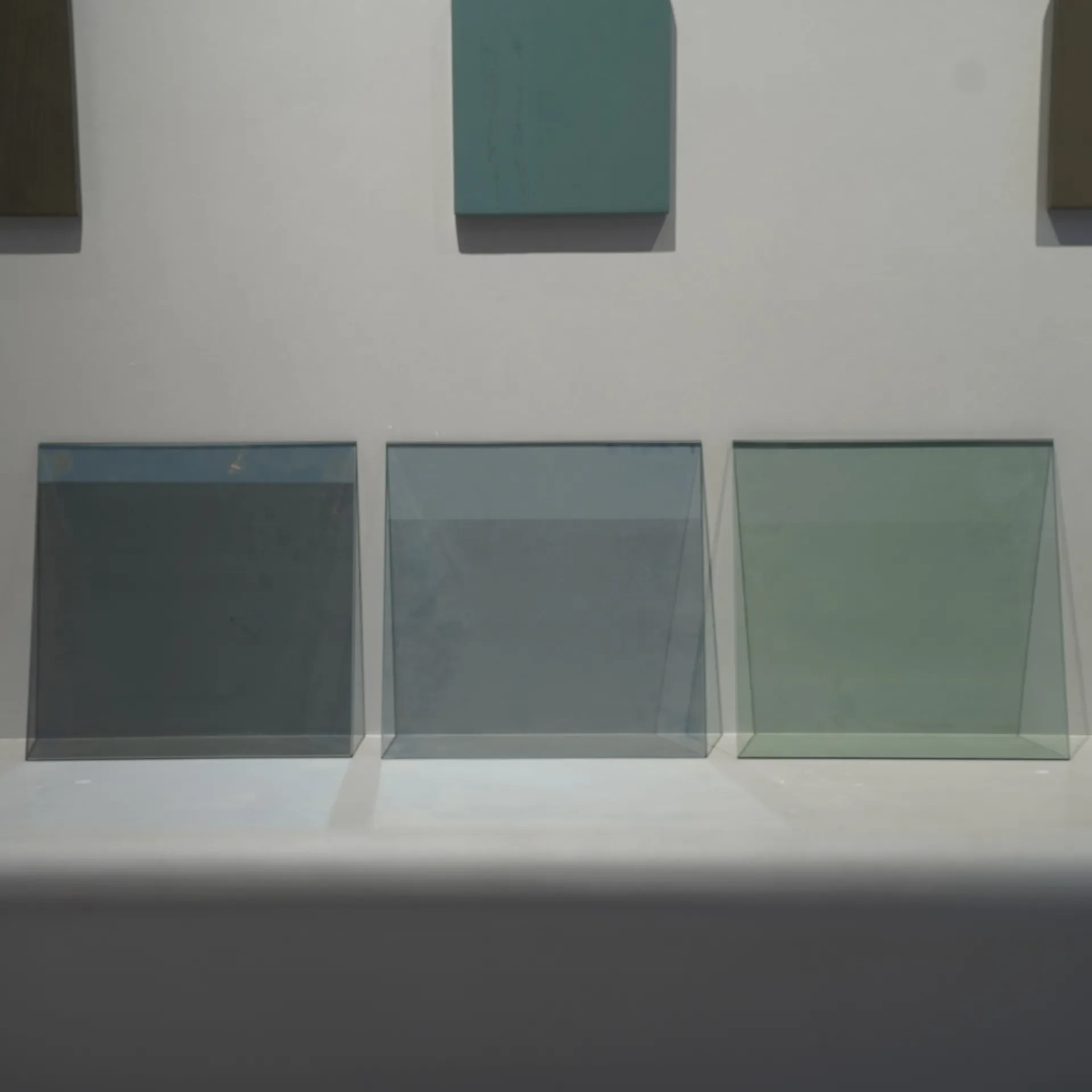
Solar Control Glass vs Low-E Glass
While both solar control glass and Low-E glass improve energy efficiency, they serve different primary purposes. Solar control glass specializes in blocking infrared radiation to prevent excessive heat buildup, making it ideal for hot climates and sun-facing facades. Low-E glass, while also providing some solar protection, primarily focuses on insulating properties to retain indoor heat. Modern advancements sometimes combine both technologies for maximum performance. The choice depends on your specific needs—solar control for sun-drenched offices or Low-E for temperature regulation in varied climates. Both options contribute to sustainable building design while enhancing occupant comfort.