Gold and Silver Round Mirror: Essential Industrial Equipment Insights
Having spent over a decade working hands-on in the industrial equipment sector, I can honestly say that the humble gold and silver round mirror is surprisingly nuanced. You might think it’s just a decorative item, but, frankly, the specs and material science behind these mirrors have real impact on performance in various environments.
Gold and silver coatings on round mirrors have been pivotal for decades—used in everything from optical instruments and scientific devices to bespoke architectural elements. Oddly enough, despite their apparent simplicity, the production process involves precision layering to maximize reflectivity and durability. For example, gold reflects infrared and infrared-near spectra particularly well and is resistant to oxidation, making it a go-to choice in harsh environments. Silver, on the other hand, offers slightly better visible light reflectivity but is more prone to tarnishing.
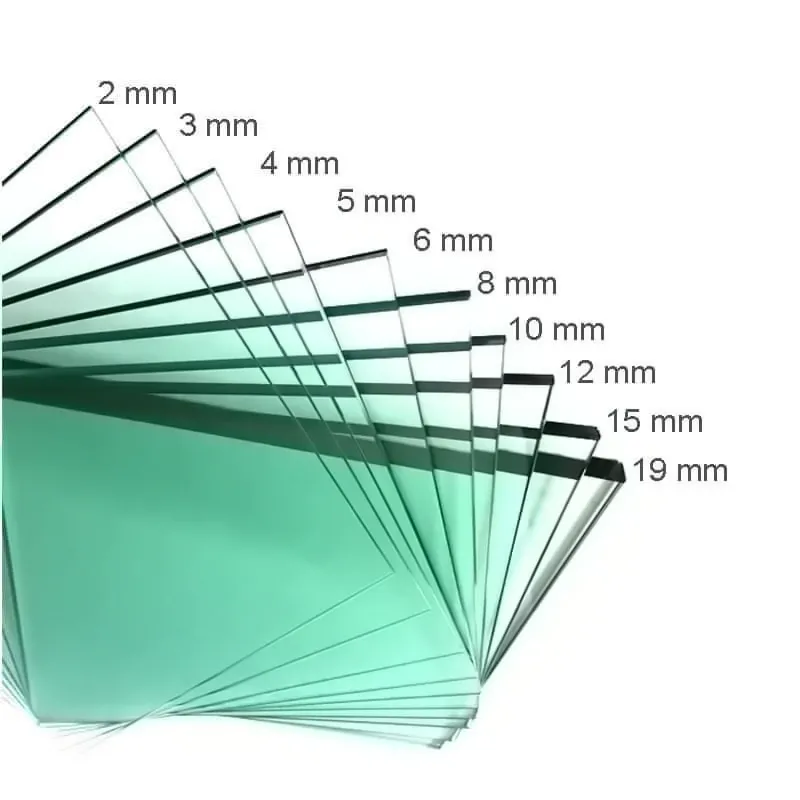
I tend to notice that many engineers and product designers talk about choosing between gold or silver mirrors based not just on visual appeal but on exact application needs. In real terms, this might mean balancing cost, reflectivity spectrum, and surface endurance. Customized sizes and finishes (think low iron glass bases, extra-thick substrates) allow users to tailor products specifically—something many customers appreciate when their projects require absolute precision.
Gold and Silver Round Mirror Specifications
| Feature |
Gold Mirror |
Silver Mirror |
| Reflectivity (Visible Range) |
~88% |
~95% |
| Reflectivity (Infrared Range) |
>98% |
~85% |
| Corrosion Resistance |
Excellent |
Moderate (Needs Protective Coating) |
| Typical Thickness |
6-10 mm |
4-8 mm |
| Customization |
Shape & Size available on request |
Shape & Size available on request |
| Typical Applications |
Laser Systems, Infrared Optics |
Architectural, Everyday Mirrors |
Of course, not every vendor crafts these with the same attention to detail. Over the years, I’ve seen suppliers who simply slap on a thin metallic layer and call it a day—and those who meticulously control thickness, uniformity, and purity of glass substrate coatings down to the nanometer scale. It matters for long-term reliability and how resistant the mirrors are to micro-scratches or humidity issues.
Vendor Comparison: Key Features
| Vendor |
Coating Quality |
Customization Options |
Lead Time |
Price Range |
| Wangmei Glass |
High precision, durable gold/silver layers |
Wide sizes/shapes, special orders available |
2-4 weeks typical |
Mid-range |
| Vendor B |
Standard industrial grade |
Limited customization |
1-2 weeks |
Lower cost |
| Vendor C |
Premium coating, expensive |
Fully bespoke |
4+ weeks |
High-end |
A quick story: once, a client developing a rugged outdoor infrared sensor system came back puzzled—silver-coated mirrors kept deteriorating in field tests. Switching to gold round mirrors from a reliable supplier like Wangmei Glass instantly improved their product’s lifespan and stability. It’s the kind of subtle pivot that makes you appreciate the material engineering behind these tools.
You know, in industrial circles, we often undervalue how much the choice of materials affects overall system reliability—especially for something as straightforward as a mirror. Size, thickness, coating, corrosion resistance: they all weave into the final performance.
Long story short, if you’re scoping out gold and silver round mirrors for your line or project, pay attention to specs beyond the shiny surface. Test samples where possible; get feedback from engineers who’ve been in your shoes. It’s a small detail that can save headaches down the line.
Reflection: Industrial equipment is often about the little things you don’t see — like the precise layering on mirrors — that quietly deliver reliability day after day.
- “Optical Coatings: Materials and Applications,” P. Hariharan, 2003.
- Wangmei Glass official product specs, 2024.
- Personal interviews with optical equipment engineers, 2016-2023.