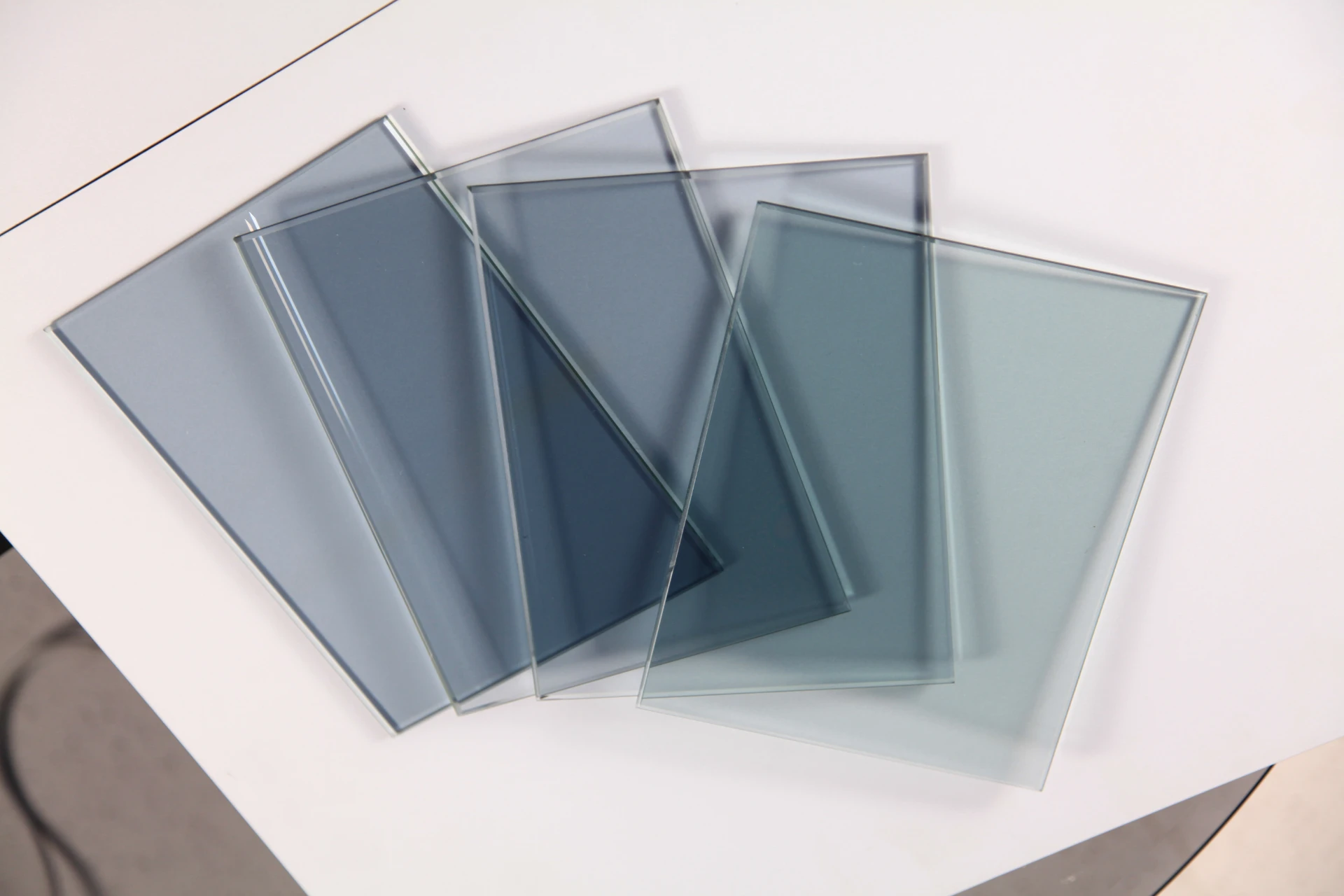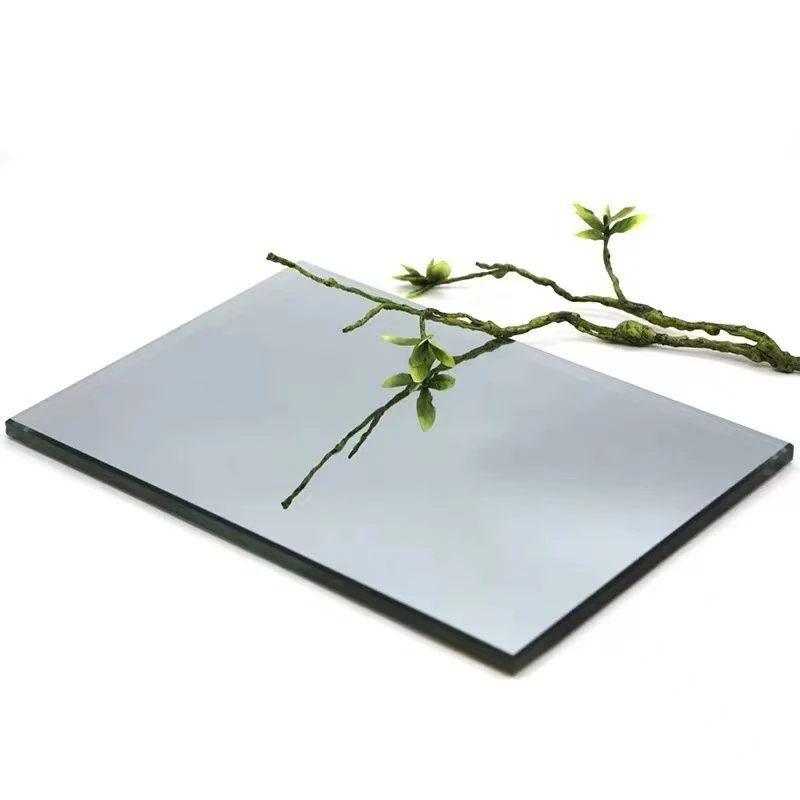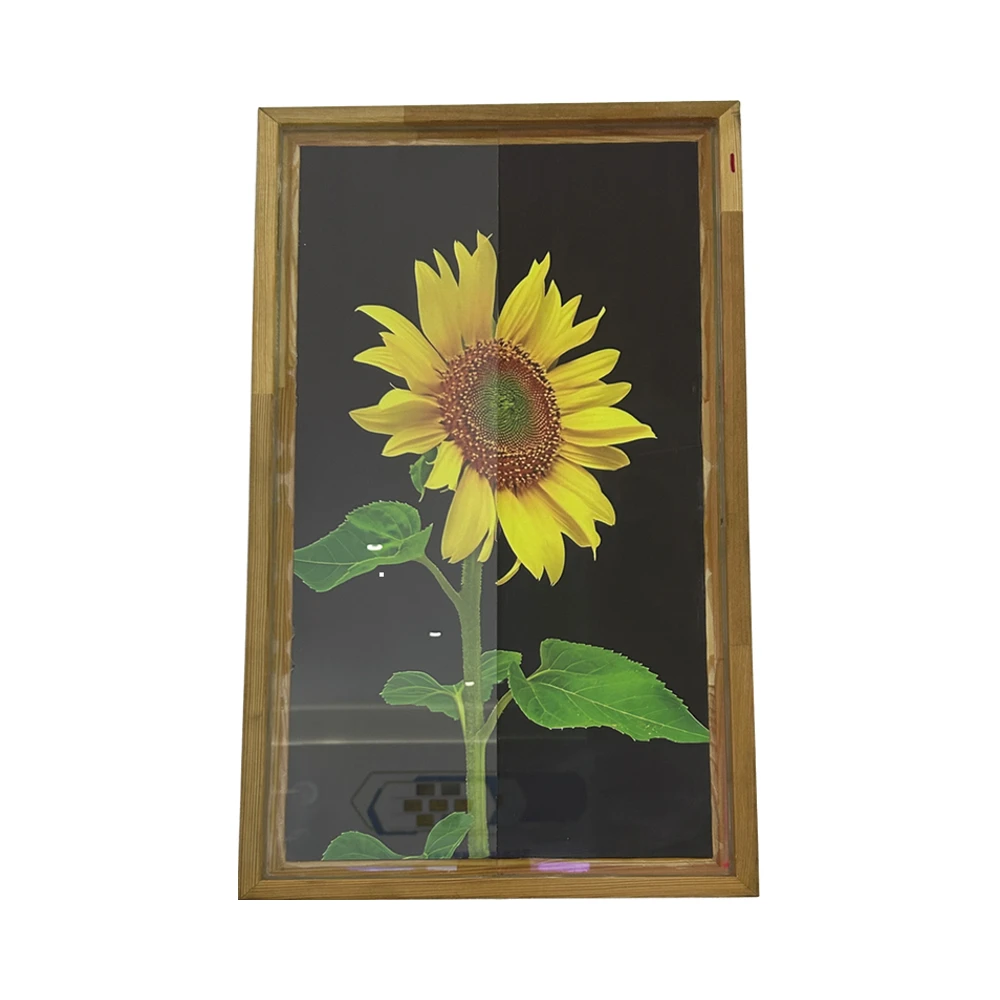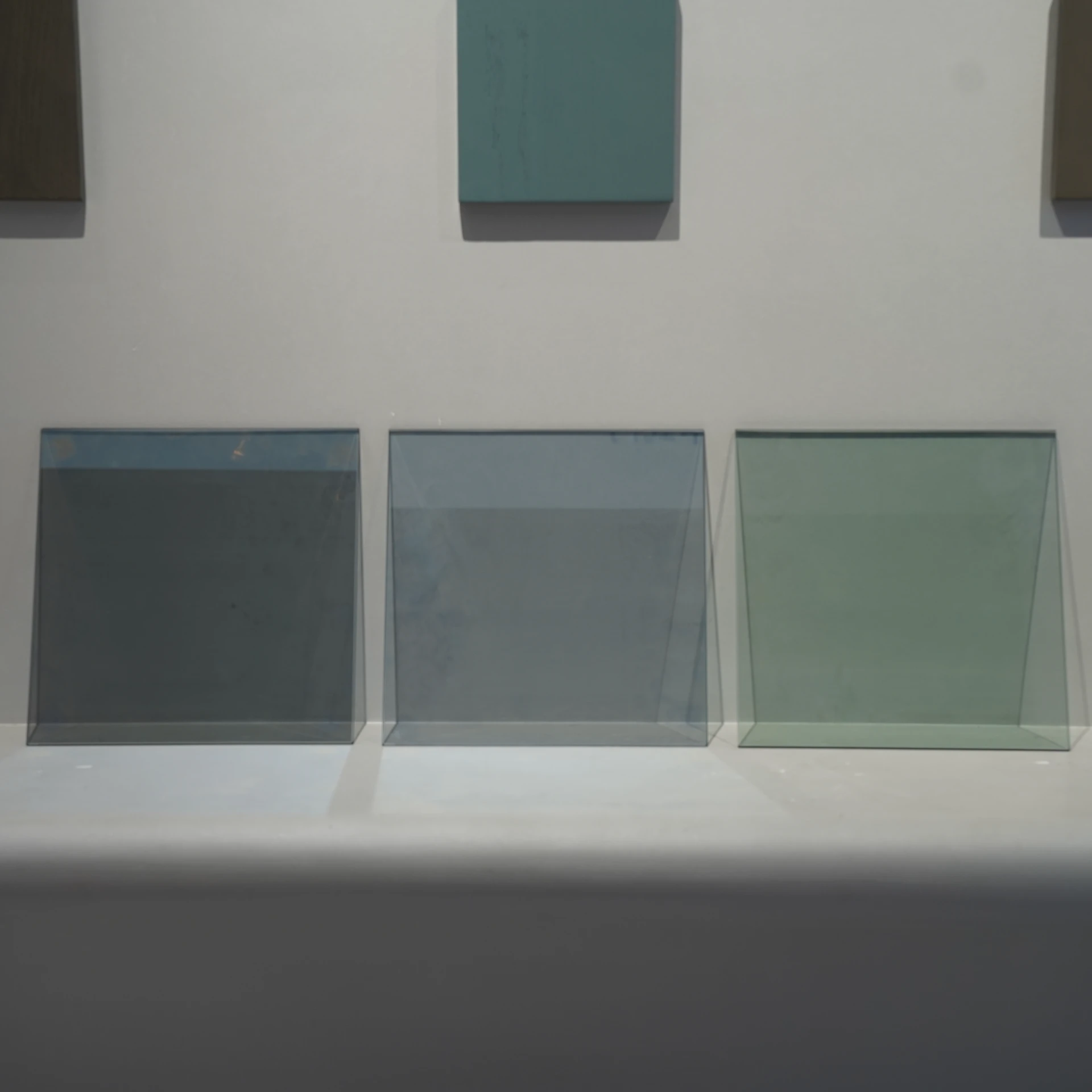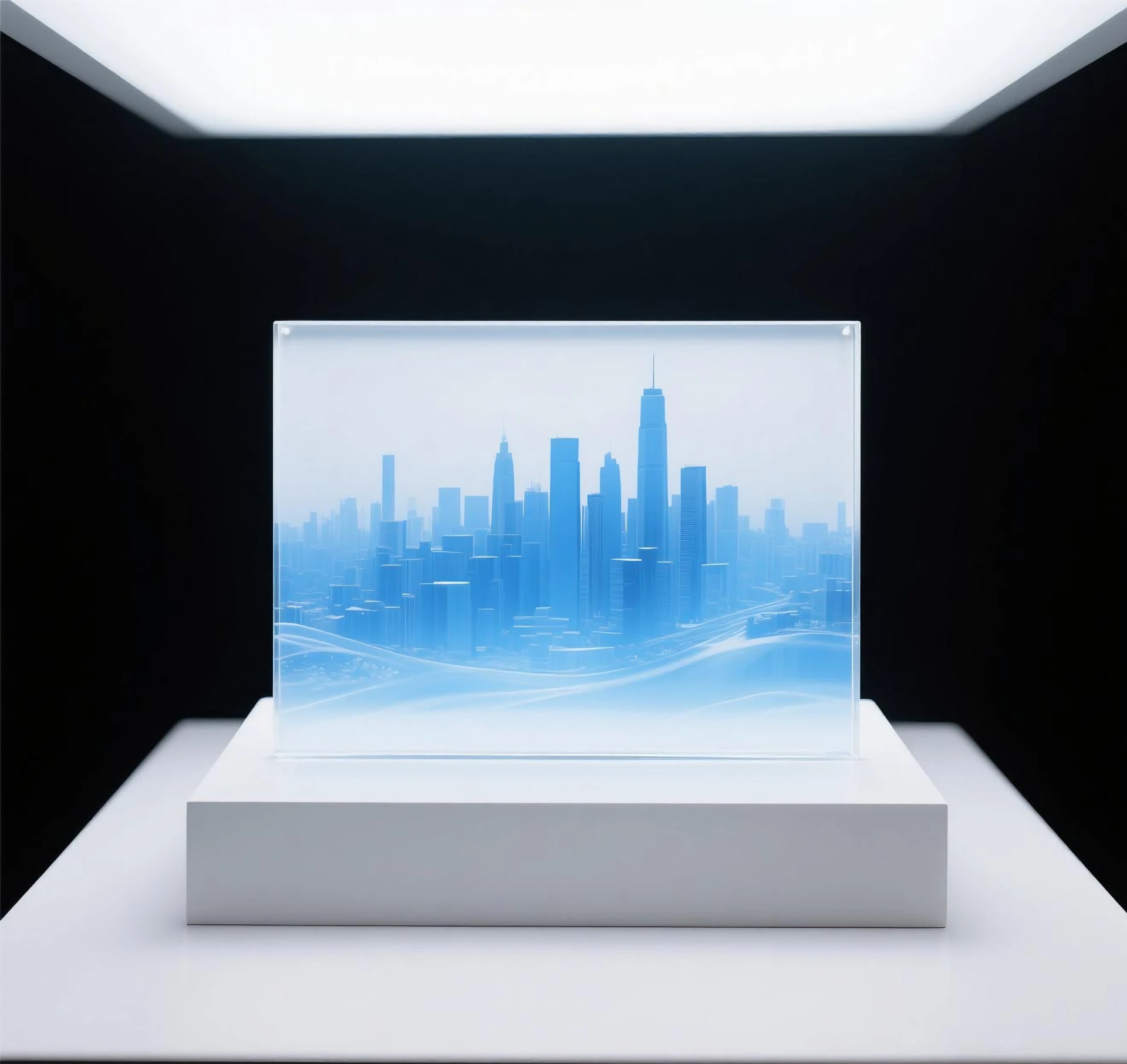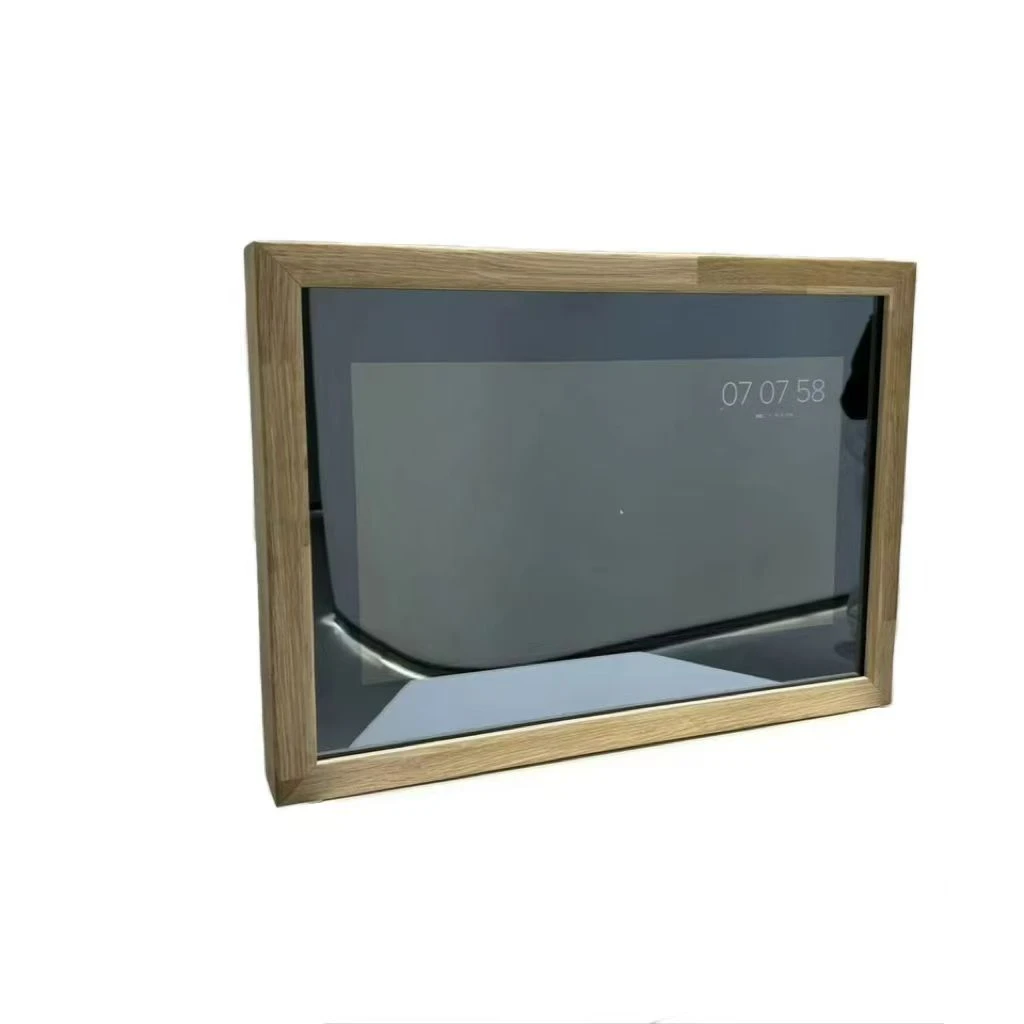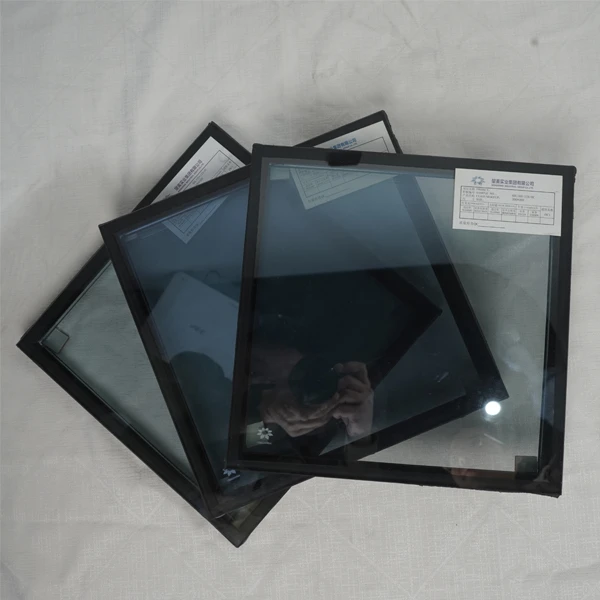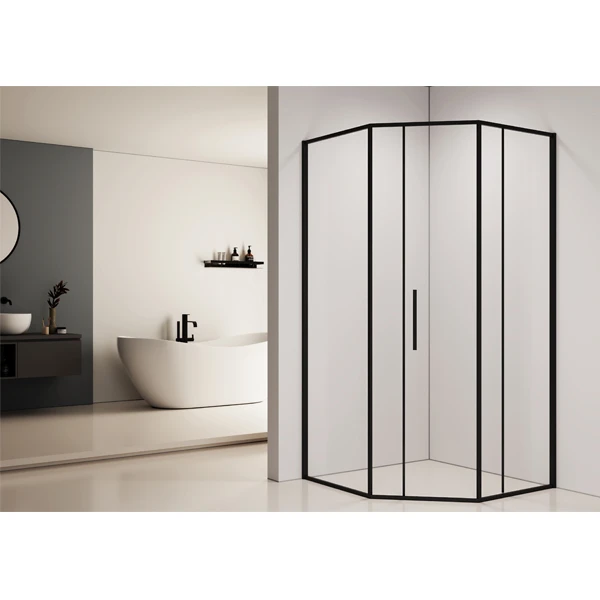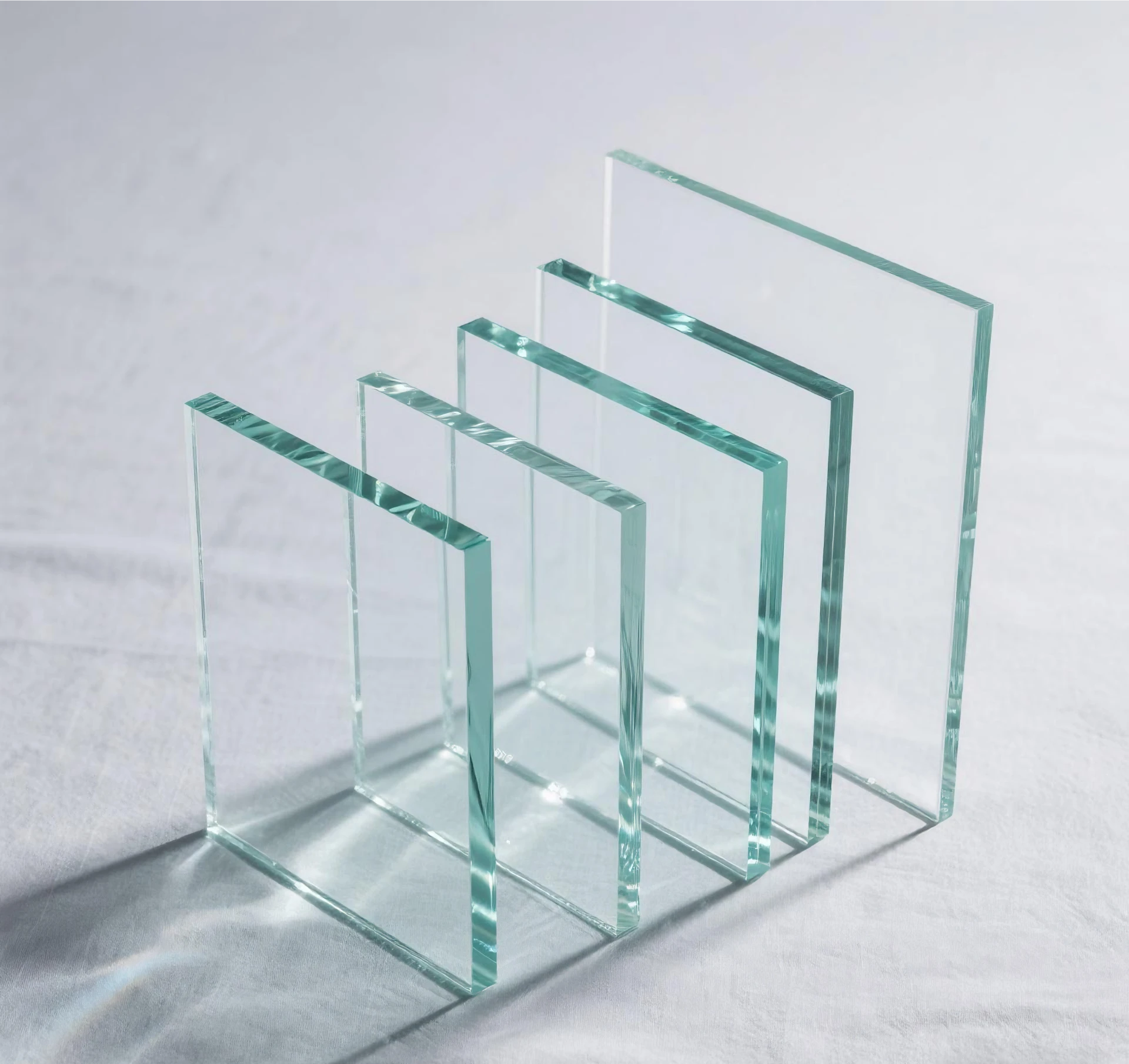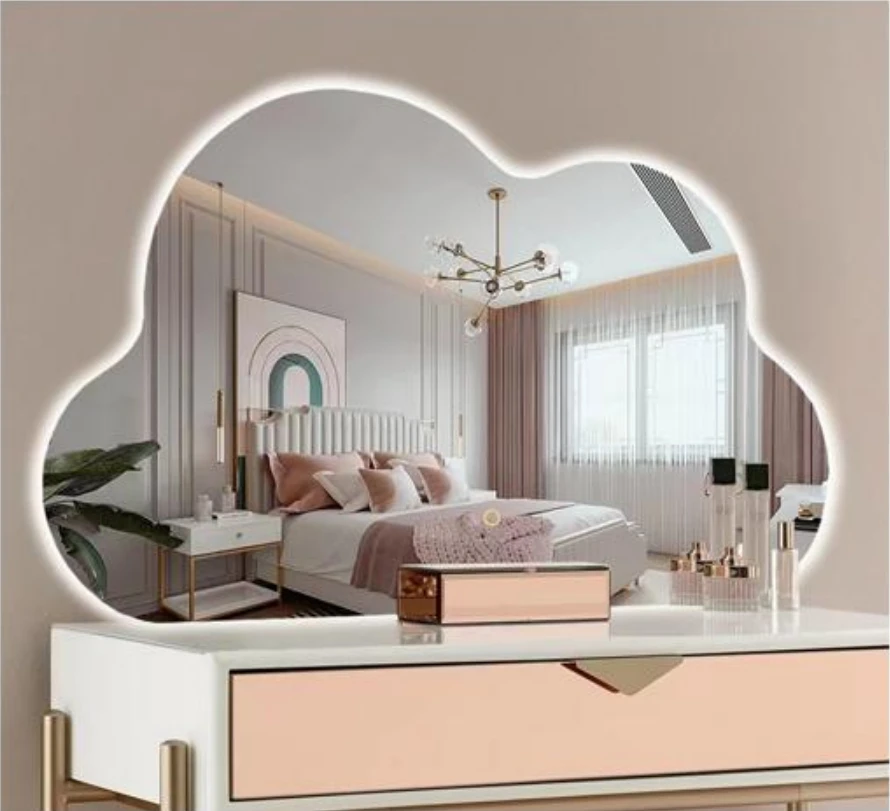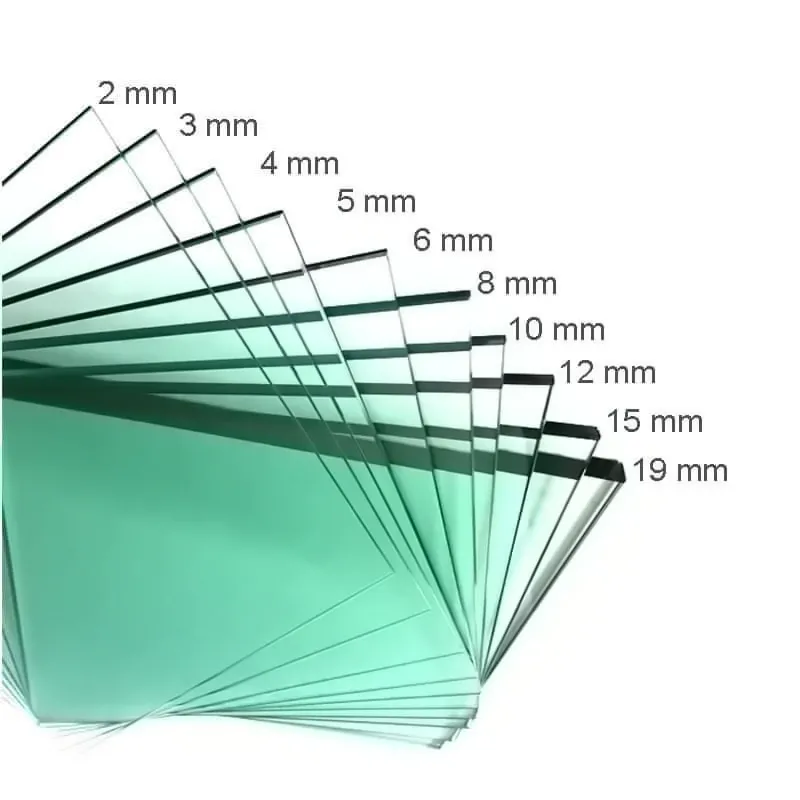
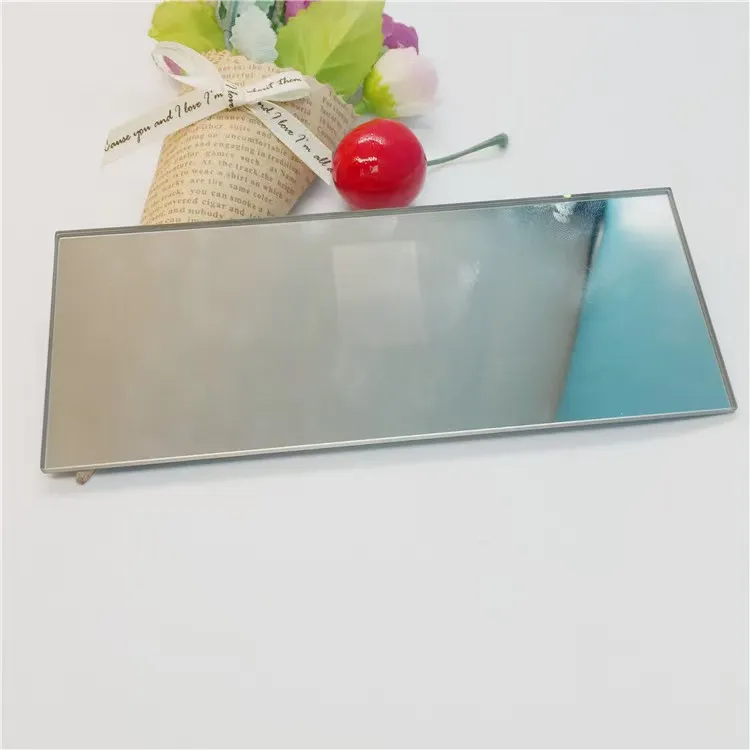
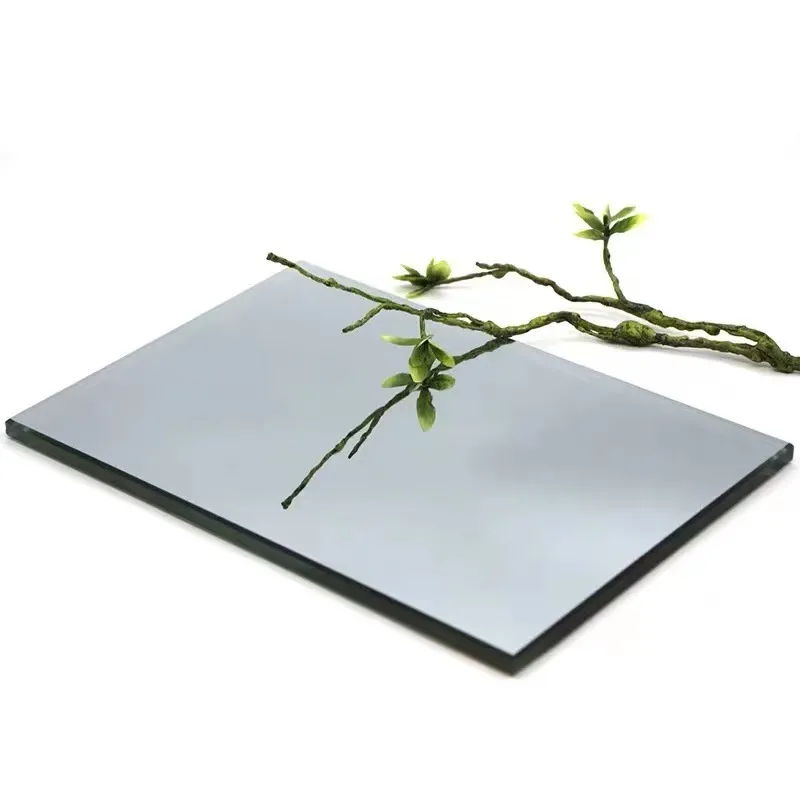
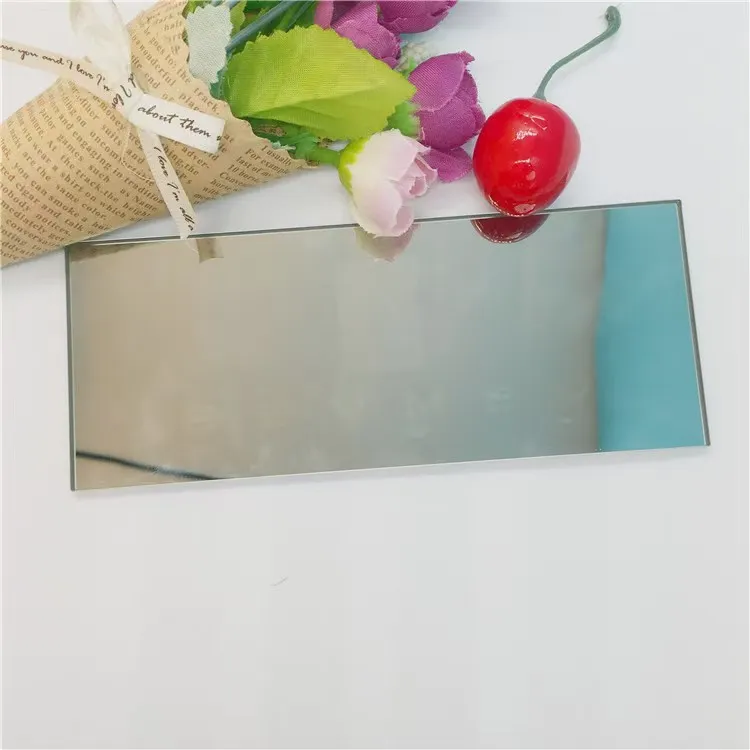
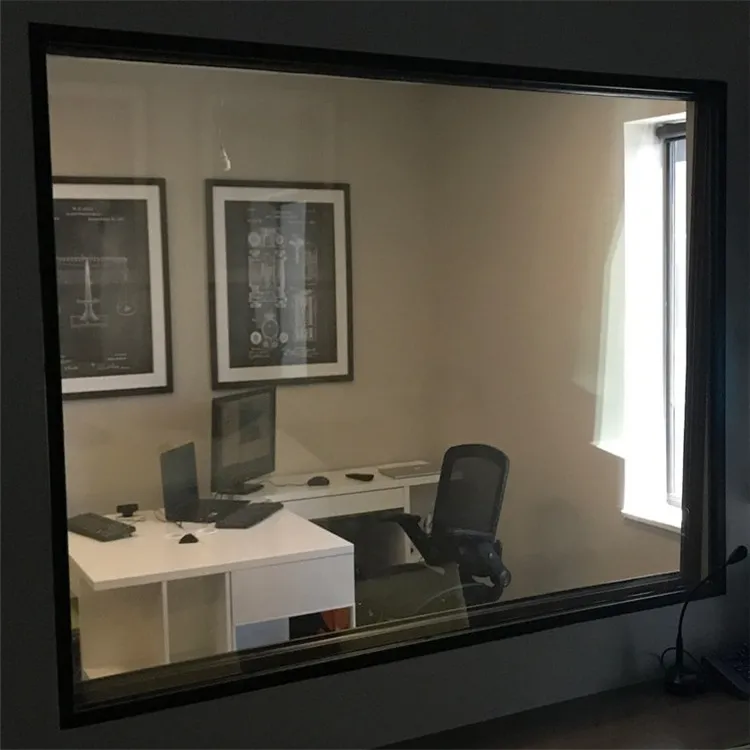
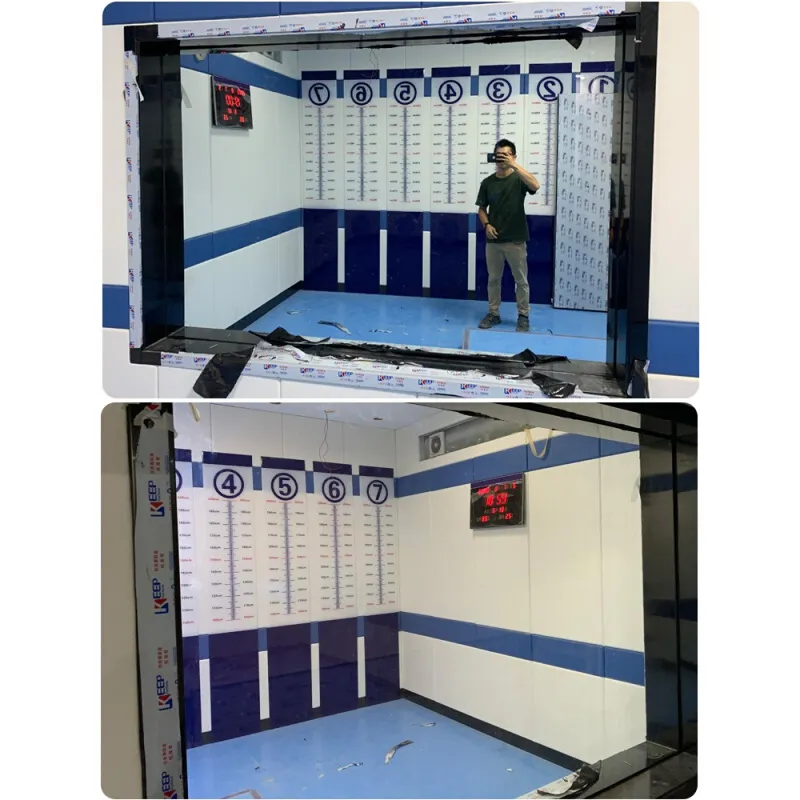
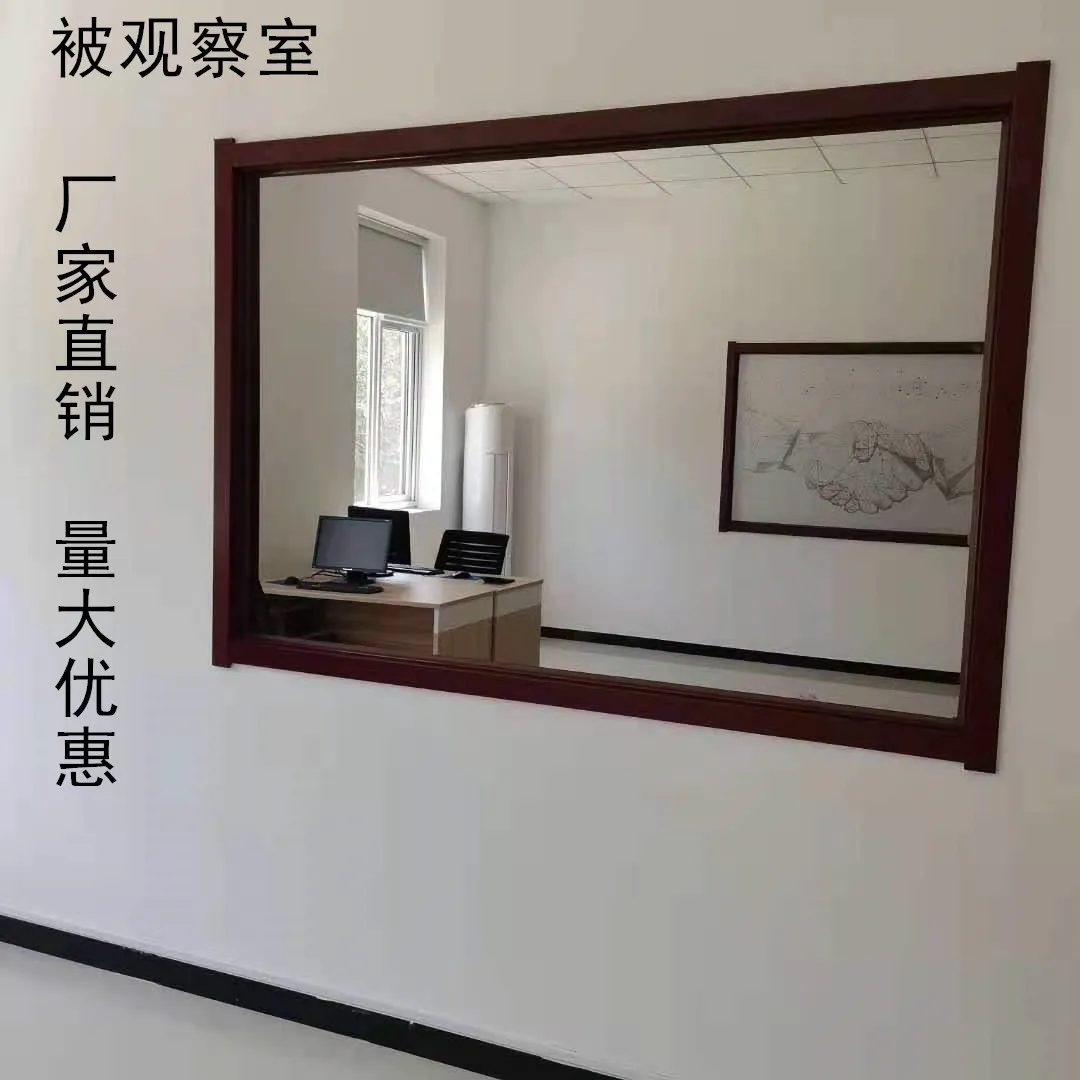
Unidirectional perspective glass also known as "one-way mirror" or "privacy glass", one-way mirror is a special glass that achieves "one-way visibility" through surface coating (such as metal or metal oxide films). Its core principle relies on the ambient light intensity difference between two sides: the brighter side sees the glass as a mirror (dominated by reflection), while the dimmer side can clearly see through (dominated by light transmission). For example, during the day, when the outdoor light is strong, the indoor side can view the outside clearly, while the outdoor side only sees the reflected image (similar to a mirror). At night, maintaining the one-way effect requires controlling indoor lighting.
- Interrogation Rooms/Observation Rooms: The outer side (brighter side) of the interrogation room is for interrogators, and the inner side (dimmer side) is for suspects. This ensures interrogators can observe the other party, while suspects only see a mirror, reducing psychological pressure.
- Bank/Jewelry Store Counters: Laminated one-way mirrors prevent customers' passwords from being spied on. Staff on the inner side can communicate clearly, and the glass also has anti-explosion safety functions.
- High-Rise Building Curtains: During the day, the indoor side can see the outdoor scenery, while the outdoor side sees the glass as a mirror, reducing light pollution. At night, indoor strong lights need to be turned off to maintain privacy.
- Office/Home Partitions: One-way glass partitions in conference rooms ensure the corridor (brighter side) cannot see the interior, while the interior can view the corridor, balancing day-lighting and privacy. In bathrooms, it allows light transmission without visibility during the day, but requires curtains at night.
- Automotive Privacy Glass: Rear windows of some vehicle models use one-way mirror technology, making it difficult to see inside from outdoors while ensuring clear outdoor views from within. Sunshades can enhance the effect at night.
- Industrial Equipment Observation Windows: One-way mirrors are used in observation windows of high-temperature furnaces and clean rooms, allowing operators on the brighter side (control room) to observe internal equipment without strong light irritation.
- Hospital ICU/Psychological Counseling Rooms: Medical staff or counselors observe patients/visitors from the brighter side without disturbing them.
- Fitting Rooms/Photography Studios: The outer side of fitting rooms acts as a mirror (protecting privacy), and the inner side can see the outside (convenient for customers to check outfits), but light control is necessary.
III. Core Advantages and Usage Tips
- Advantages: Dynamically adjusts privacy based on light intensity difference without extra operations (unlike mandible glass requiring power), and costs less than some smart glasses.
- Precautions: Turn off lights on the dimmer side at night (e.g., draw curtains when indoor lights are on) to avoid losing the one-way effect. Light transmittance is usually below 30%, requiring supplementary lighting for day-lighting.
One-way mirror balances the needs of "observation" and "privacy" through optical design, serving as a practical choice for concealed observation and spatial isolation in both professional security and daily scenarios.