System Doors and Windows - Durable, Energy-Efficient, Quiet

System Doors and Windows - Durable, Energy-Efficient, Quiet

27 Oct 2025

System Doors And Windows: field notes from the jobsite and the lab

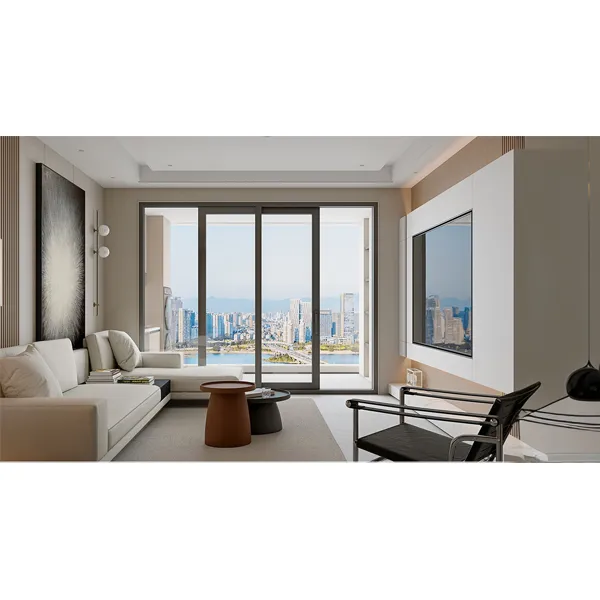
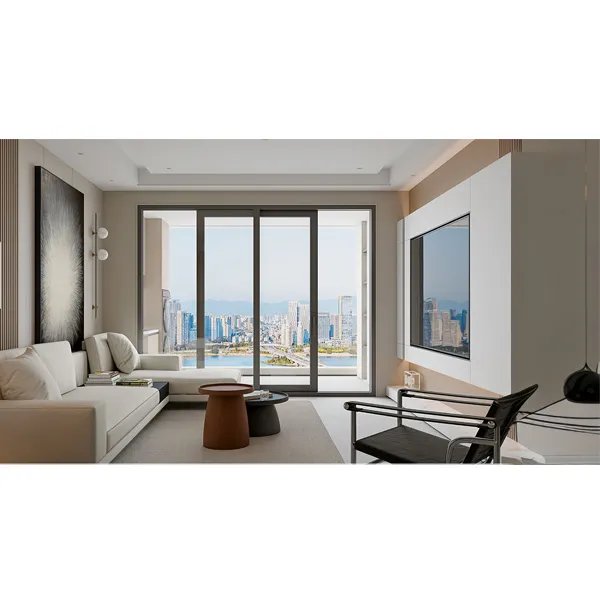
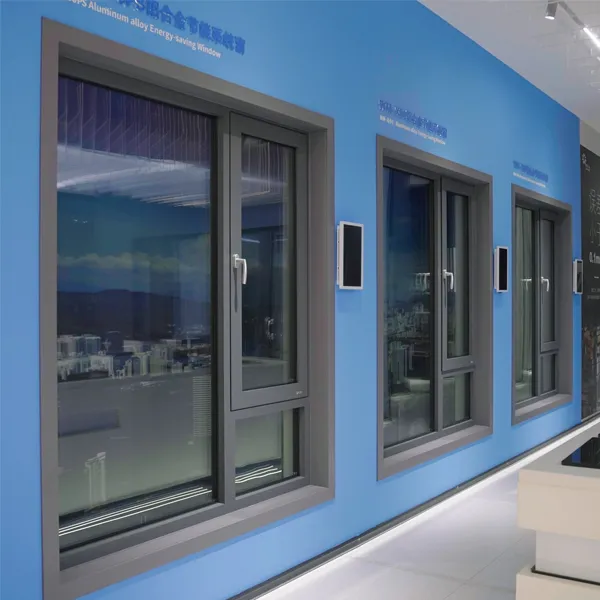
If you work in building envelopes, you already know the difference between commodity frames and real system doors and windows. The latter behave like mini façades—thermal, acoustic, structural, security—integrated. To be honest, this is where projects either hit their energy targets or miss by a mile.
System Doors and Windows - Durable, Energy-Efficient, Quiet

What’s trending in 2025

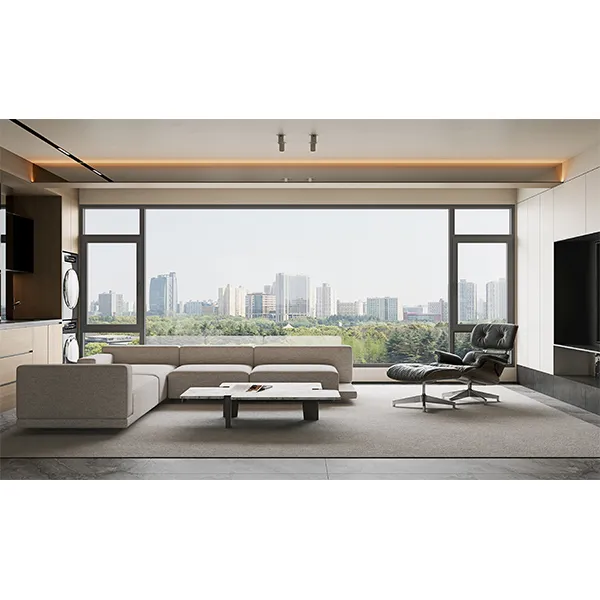
Three clear shifts: 1) thermal-break design moving from simple PA66 strips to multi-cavity bridges, 2) triple glazing trickling into coastal and high-altitude markets, and 3) verified performance—owners now ask for EN or ASTM reports up front. Many customers say, “show me the U-value, not the brochure.” Fair enough.
System Doors and Windows - Durable, Energy-Efficient, Quiet System Doors and Windows - Durable, Energy-Efficient, Quiet

Technical snapshot

Below are typical specs I’ve seen on mid–high-end system doors and windows coming out of Yushui Economic Development Zone, Shahe City, Hebei, China—an area that’s quietly become a serious fabrication hub.

ItemSpec (typical, real-world may vary)
Frame material6063-T5/T6 thermal-break aluminum + PA66 GF25
GlazingLow‑E IGU, 5+12A+5 or 5+14A+5; triple available; argon ≈90%
U-value≈1.2–1.8 W/m²·K (NFRC/ISO 10077 modeled)
Sound insulationSTC ≈ 35–45 dB (ASTM E90)
Air/water/windEN 12207 Class 4; EN 12208 up to E1200; EN 12210 C5/B5
SealsEPDM gaskets; warm-edge spacer; dual-seal IGU
HardwareMultipoint locks, SS304/316; optional RC2–RC3 (EN 1627)
FinishPowder coat, anodized, or PVDF; salt-spray ≥1,000 h
Service life≈25–40 years with routine maintenance
System Doors and Windows - Durable, Energy-Efficient, Quiet System Doors and Windows - Durable, Energy-Efficient, Quiet

Process flow (what to ask your vendor)

  • Materials: billet traceability, PA66 GF25 thermal strips, certified Low‑E glass.
  • Methods: CNC cutting, crimped thermal-break, TIG-welded corners, butyl + secondary seal (polysulfide/silicone), chamber drying.
  • Testing: ASTM E283/E330/E331; EN 12207/12208/12210; acoustic per ASTM E90; U-factor per NFRC/ISO 10077.
  • QA: 100% water-spray booth test (randomized lots), hardware cycle tests ≈20,000–50,000 cycles.
  • Industries: hospitality, healthcare, education, coastal residential, high-rise, boutique retail.
System Doors and Windows - Durable, Energy-Efficient, Quiet System Doors and Windows - Durable, Energy-Efficient, Quiet

Applications and advantages

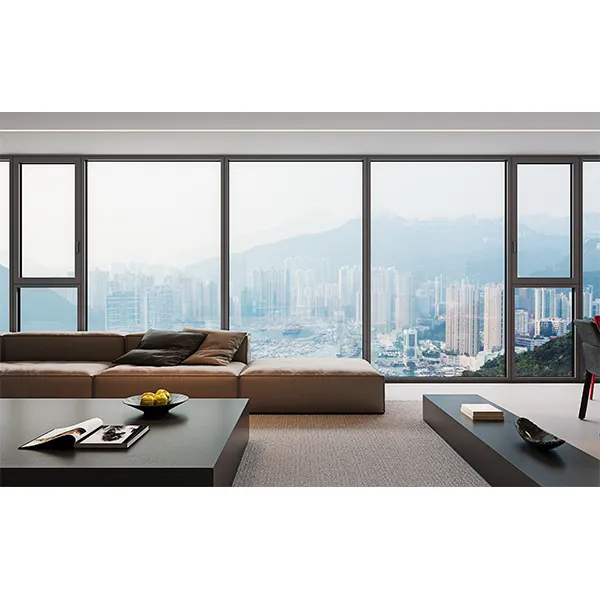
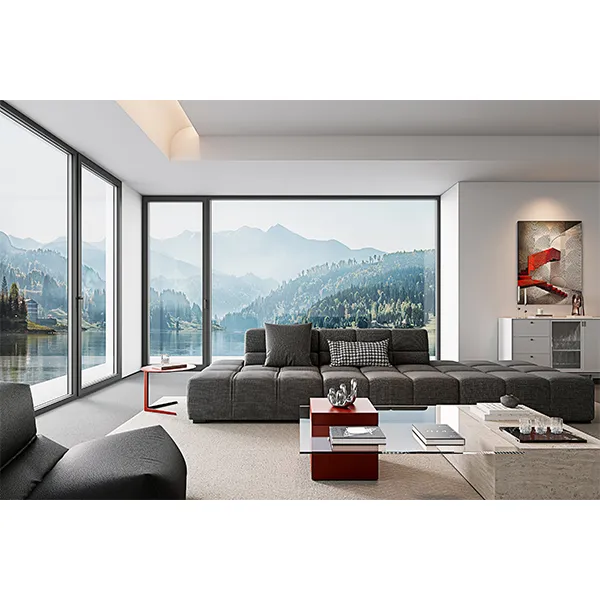
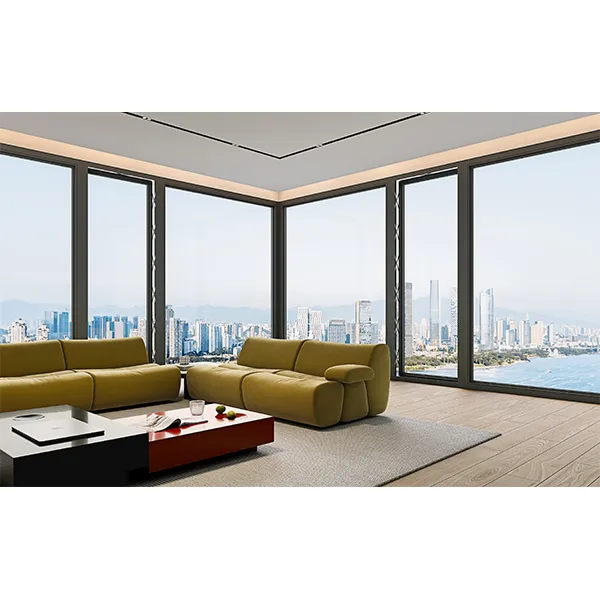
For hotels seeking calmer rooms, system doors and windows with laminated IGU and decoupled frames hit that “surprisingly quiet” brief. In cold regions, warm-edge spacers and deep rebates reduce condensation at the sightline. Coastal builds? Consider PVDF finishing and 316 hardware, even if the bid team grumbles.
System Doors and Windows - Durable, Energy-Efficient, Quiet System Doors and Windows - Durable, Energy-Efficient, Quiet

Vendor comparison (field reality)

VendorLead timeCustomizationPerformance (≈)Certs
Wangmei (Hebei)4–8 weeksHigh (profiles, coatings, IGU)U 1.2–1.8; STC 35–45CE, NFRC, ISO
Regional OEM A6–10 weeksMediumU 1.6–2.2ISO
European Brand B8–14 weeksHighU 0.8–1.4CE, Passivhaus (select)
Importer C (trade-only)Stock/variableLowU 1.9–2.6
System Doors and Windows - Durable, Energy-Efficient, Quiet System Doors and Windows - Durable, Energy-Efficient, Quiet

Customization and testing

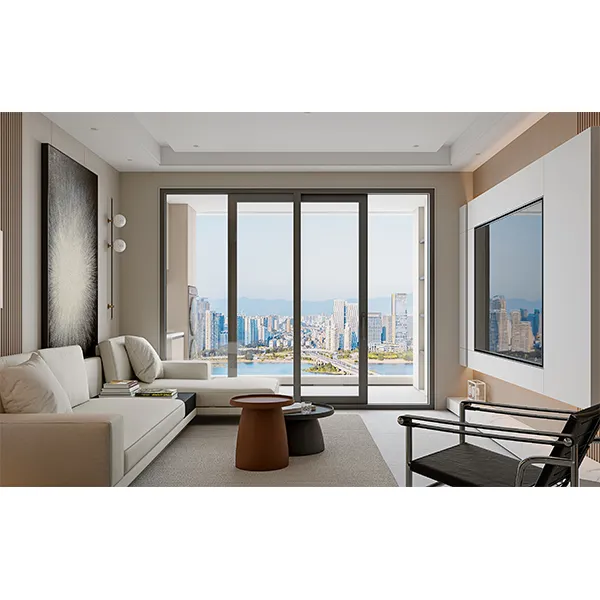
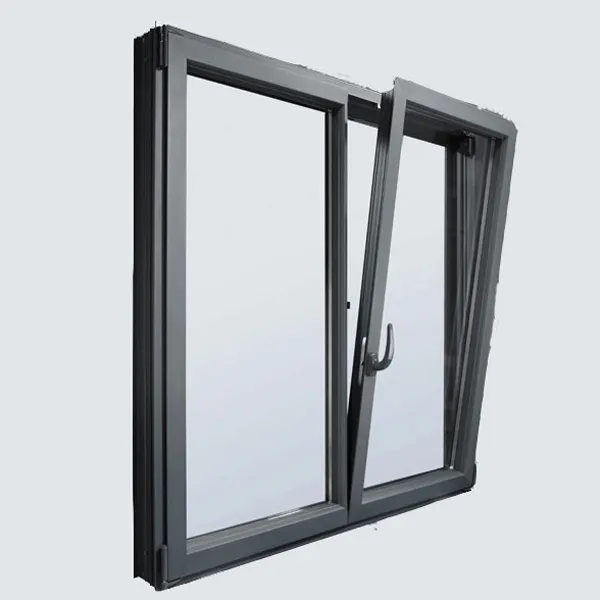
Options include inward/outward casement, tilt-turn, lift-slide, and thermally broken door thresholds. I like to see project-specific mock-ups: one acoustic, one water penetration at E1200, and one cycle test. It seems that when we skip mock-ups, commissioning drags.
System Doors and Windows - Durable, Energy-Efficient, Quiet System Doors and Windows - Durable, Energy-Efficient, Quiet

Mini case studies

  • Coastal boutique hotel: triple Low‑E + 316 hardware; night-time dB inside dropped ≈18–22 dB. Guest reviews called rooms “calm.”
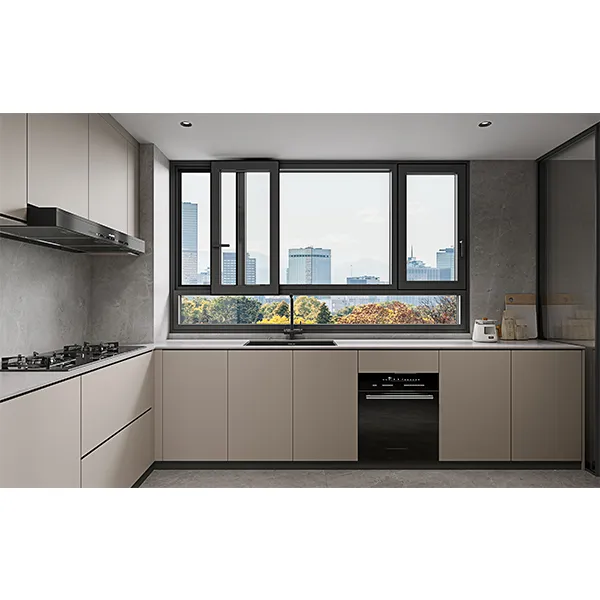
  • Cold-climate school retrofit: warm-edge spacers and Class 4 air tightness; winter condensation at mullions virtually gone.

Feedback is candid: facility teams praised the robust hinges; one GC noted the on-site glazing beads were “forgiving,” which saved an afternoon.
System Doors and Windows - Durable, Energy-Efficient, Quiet System Doors and Windows - Durable, Energy-Efficient, Quiet

Certifications and origin

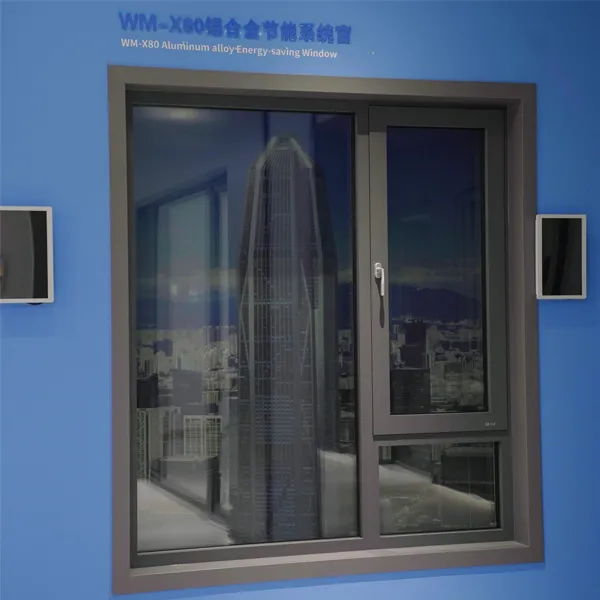
System doors and windows typically ship with CE (EN 14351‑1), NFRC reports, and ISO 9001/14001 plant certs. Origin: Yushui Economic Development Zone, Shahe City, Hebei Province, China. Actually, the supply chain here is tight—extrusion, tempering, and IGU lines within short haul.
System Doors and Windows - Durable, Energy-Efficient, Quiet System Doors and Windows - Durable, Energy-Efficient, Quiet System Doors and Windows - Durable, Energy-Efficient, Quiet System Doors and Windows - Durable, Energy-Efficient, Quiet

Quick tips before you order

  • Request EN/ASTM test reports that match your configuration, not “similar.”
  • Ask for corner samples and gasket cross-sections; cheap seals will fail first.
  • Specify installation tolerances and sealant brand in the contract. Little things, big outcomes.

Authoritative citations

  1. EN 14351-1: Windows and doors – Product standard, performance characteristics.
  2. EN 12207/12208/12210: Air permeability, water tightness, wind resistance test methods.
  3. ASTM E283/E330/E331/E90: Air leakage, structural, water penetration, acoustics.
  4. NFRC 100/200: U-factor and SHGC procedures; ISO 10077 thermal performance.
  5. EN 1627: Resistance to burglary classification (RC2–RC3 commonly specified).

If you are interested in our products, you can choose to leave your information here, and we will be in touch with you shortly.