It might seem simple—a pane of glass that’s darker than usual—but tinted window glass for house has quietly become a global game-changer in building design and energy conservation. Across continents, this specialized glass helps owners reduce energy costs, improve indoor comfort, and even protect privacy and interiors from harmful UV rays. Its relevance stretches far beyond aesthetics, touching on sustainability, climate adaptation, and the growing desire for smarter homes.
Globally, buildings reportedly consume around 40% of energy according to the International Energy Agency (IEA), and a significant chunk of that is cooling and heating. What if your windows could cut down that energy draw substantially? Tinted glass is a smart answer to a complex problem.
Consider this: the United Nations notes that, by 2050, nearly 70% of the world’s population will live in urban areas. With urbanization comes high-density housing and towering apartment blocks, which often mean heat buildup and increased energy demands. The World Bank estimates that household energy use has been rising steadily, making energy-efficient building materials like tinted glass a critical element.
Yet the challenge isn’t just energy. In many regions, from sun-soaked deserts to tropical coastal zones, homes require protection against glare, UV damage, and overheating. Tinted window glass for houses helps mitigate these issues by selectively insulating and controlling light and heat intake.
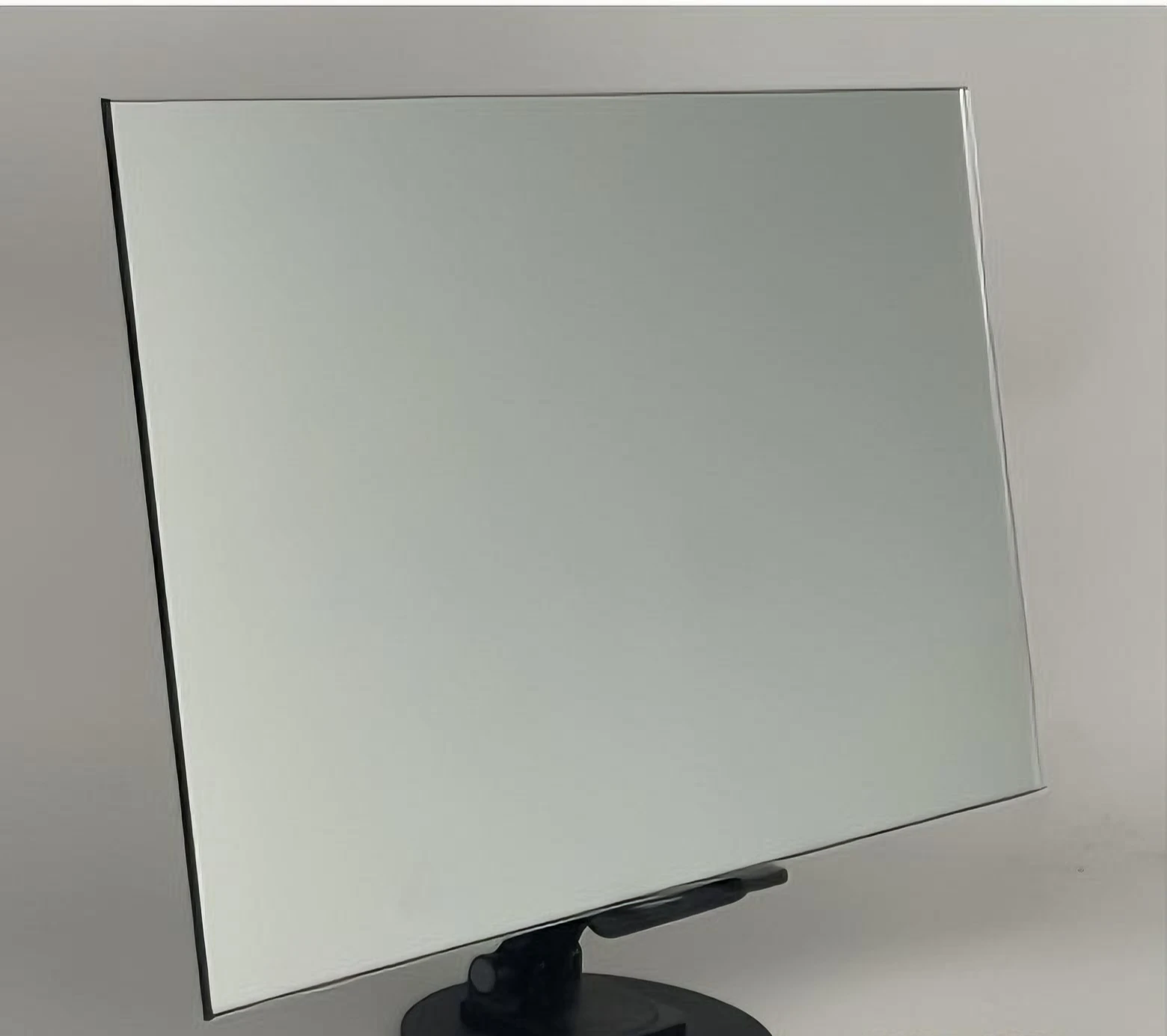
Simply put, tinted window glass is glass that has been treated or coated to absorb and reflect a portion of incoming sunlight, lowering the transmission of visible light and solar heat. Unlike plain, clear glass, tinted window glass adjusts the home’s internal climate, reduces glare, and blocks harmful ultraviolet radiation.
From a construction and industrial perspective, it’s not just one product but a category: various types of tinting methods exist, including chemical dyes, metal oxide coatings, and ceramic layers that can be integrated during manufacturing or applied afterward.
In humanitarian contexts, this glass can improve living conditions in temporary shelters by helping regulate temperature and improving privacy, an aspect often overlooked in rapid construction scenarios.
This is often the primary motivation: tinted glass reduces solar heat gain, lowering cooling loads, especially in hot climates. Depending on the tint’s composition, shading coefficients can drop by 25% to over 50%, which feels huge on your energy bill.
Ultraviolet rays can damage furniture, flooring, and even skin over long exposures. Tinted glass can block nearly 99% of UV, improving life indoors regardless of the country.
It’s a careful balance — too dark, and you lose natural daylight; too light, and you get too much glare. Good quality tinted glass achieves this balance, enhancing visual comfort.
Many tinted glasses are laminated or tempered, enhancing strength and safety. This means less worry about breakage and intrusions — often a welcome plus.
Beyond function, the range of available shades lets builders customize the home's appearance and add a privacy layer without blinds or curtains.
While higher upfront than plain glass, the payback through energy savings and longer-lasting interiors contributes significantly to long-term value.
From sprawling suburbs in California to high-rise buildings in Dubai, tinted window glass has found widespread adoption. In hot and sunny Australia, for instance, tinted glass is standard for energy-efficient homes, confirmed by building codes.
More interestingly, in tropical developing countries, NGOs installing emergency shelters are starting to use tinted safety glass to help refugees and disaster survivors stay cooler without sacrificing light. This isn’t just a trend — it’s an evolving humanitarian necessity.
In Europe, strict regulations spurred innovations in solar control coatings that double as sound insulation, perfect for urban dwellers. And even in snowy Scandinavian climates, tinted glass reduces glare and helps maintain a cozy indoor environment during short daylight months.
| Attribute | Range / Value | Notes |
|---|---|---|
| Visible Light Transmission (VLT) | 15% to 70% | Darker tints mean lower VLT & more privacy |
| Solar Heat Gain Coefficient (SHGC) | 0.25 to 0.5 | Lower SHGC means less heat enters the home |
| UV Blockage | Up to 99% | Protects interiors & occupants |
| Glass Thickness | 4mm to 12mm | Varying thickness for strength & insulation |
| Safety | Tempered/Laminated Options | Improves break resistance |
When you put it all together, it’s clear: the benefits of tinted window glass aren’t fleeting. Sure, you pay a little more upfront, but over time, energy savings accumulate. Less air conditioning, less artificial lighting, and less fading of your favorite rug—these are all practical pluses.
Then there’s the emotional side — the feeling of comfort, of privacy preserved, of knowing your home is protected from outside prying eyes and harsh elements. Many homeowners swear by the sense of calm that tinted glass brings, creating cozy spaces that still invite the sunshine but without its harsher edges.
Socially, there's an increasing movement towards green building certifications like LEED and BREEAM, where smart window choices play a large role. So, it’s also a badge of responsible modern living.
Solar control glass is evolving fast. New ceramic tints, nano-coatings, and even electrochromic smart glass that adjusts tint levels electronically on demand are stepping beyond basics. Imagine windows that darken as the sun intensifies, and then lighten again to admit more daylight when it’s cooler.
We’re also seeing integration with solar panels—so-called building integrated photovoltaics (BIPV)—where glass performs multiple roles simultaneously. Digital tools now help architects precisely model tint levels for optimal energy saving and aesthetics.
And yes, sustainability policies globally are pushing the glass industry toward recycling and cleaner production methods, which is good news for planet-conscious buyers.
Choosing the wrong tint can backfire—too dark, and a home feels gloomy and unsafe; too light, and you get too much heat and glare. Matching local climate to product specs is critical, a fact many miss by “just picking a popular shade.”
Then there’s cost — tint upgrades can feel pricey. But savvy buyers look for life cycle costs, factoring in energy savings and lower maintenance over decades.
Installation quality also matters: poorly sealed tinted glass can fog up or delaminate. That’s why reputable vendors and installers make all the difference.
| Vendor | Tint Options | Safety Certifications | Sustainability Practices | Approx. Price Range (per m²) |
|---|---|---|---|---|
| Wangmei Glass | Wide (15%-70% VLT) | Tempered, Laminated | ISO 14001 certified; Recycled glass use | $40-$70 |
| SolarGuard Inc. | Moderate (30%-60% VLT) | Tempered only | Limited recycling efforts | $45-$65 |
| EcoTint Glass | Niche (20%-50% VLT) | Laminated specially for safety | Strong focus on sustainability | $50-$80 |
Q1: How much energy can tinted window glass save in a typical home?
A: Depending on glass tint level and climate, energy savings for cooling alone can range from 10% to 30% annually. The exact amount depends on your home’s design and location.
Q2: Will tinted glass reduce natural light too much?
A: Good quality tinted glass balances light transmission and glare reduction. You’ll still get pleasant daylight indoors but without the harsh brightness or UV damage.
Q3: Can tinted windows improve security?
A: Yes. Many tinted glasses come tempered or laminated, which are stronger and less easy to break than plain glass, adding safety and security to your home.
Q4: Is tinted glass difficult to maintain?
A: Not particularly. Like any glass, it requires regular cleaning. The tint does not fade or peel with quality materials, but always check warranty terms.
Q5: How can I ensure I’m selecting the right tinted glass?
A: Consult with a reputable vendor and consider climate, orientation, and your comfort preferences. Many companies, including Wangmei Glass, offer expert advice and customized options.
In wrapping up, tinted window glass for house is more than just a shade — it’s about smarter energy use, enhanced comfort, and a bit of that subtle luxury that helps your home feel just right no matter the weather. From environmental benefits to the emotional comfort of privacy and security, it’s a smart investment in the future of living.
If you’re curious about upgrading your windows or building a new home with sustainability in mind, I’d recommend exploring products from trusted companies like Wangmei Glass. Their range covers practically every need and taste, and their global footprint means you'll get quality no matter where you live.
So, take a step into the future of home design — your windows might just be the smartest part of your house.

2026-04-09
Elevate Your Interior with an ornate silver leaner mirror


If you are interested in our products, you can choose to leave your information here, and we will be in touch with you shortly.