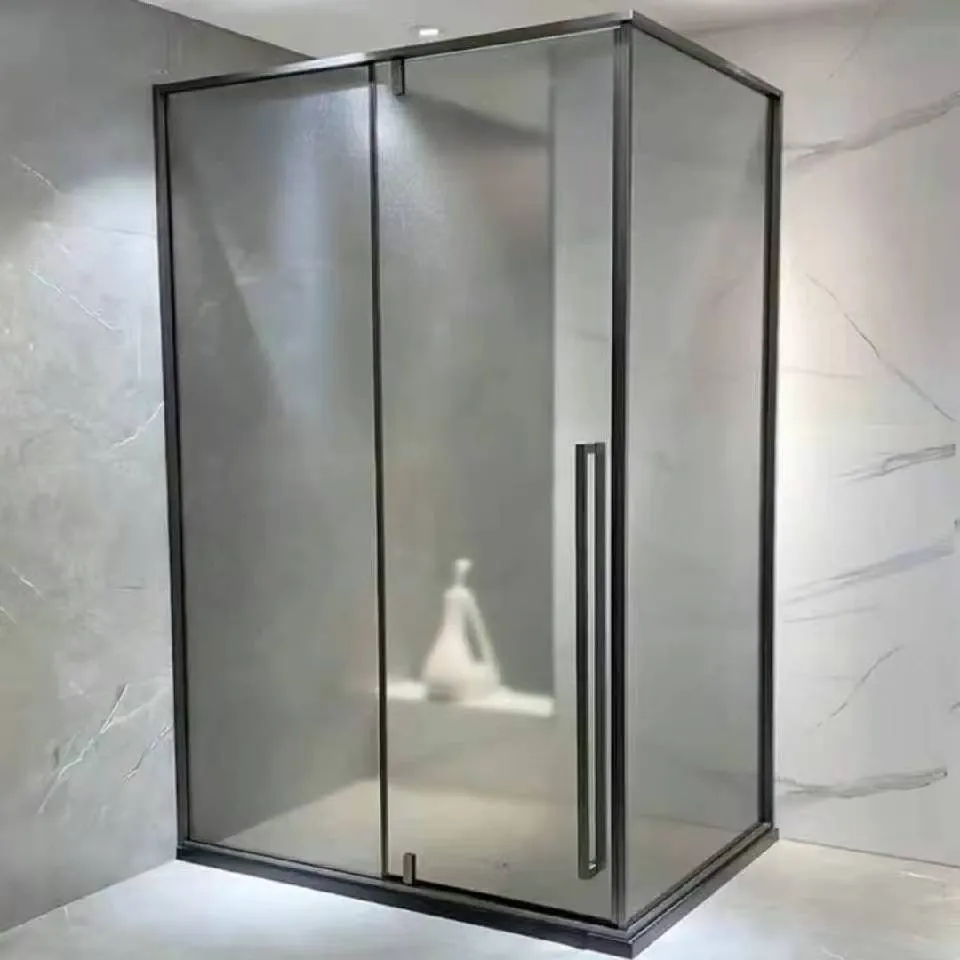
Tempered glass isn’t new—builders, architects, and engineers have trusted it for decades due to its strength and safety. But add a tint? That simple shift creates a material that’s far more than just tough; it controls light, heat, and privacy with style and function. Globally, tinted tempered glass is becoming a go-to solution that balances energy efficiency, security, and aesthetics. For industries aiming to reduce energy costs or meet strict sustainability goals — it’s a game changer.
Why does it matter so much? Well, think about urban buildings that brim with glass facades, cars that roar down highways, or even the habitats in harsher climates. These environments demand materials that can withstand stress, reduce glare, and save energy—without compromising on look or feel. Plus, with climate concerns pushing for greener construction materials, tinted tempered glass has stepped up as a practical yet elegant answer.
If you peek into the 2023 Global Glass Report from the International Organization for Standardization (ISO), you’ll find that over 60% of new glass used worldwide is now tempered or treated for specific functions. Among these, tinted tempered glass usage has surged—especially in regions like Europe, Asia-Pacific, and North America. The reason? Regulatory rules on energy efficiency and occupant comfort are tightening faster than ever.
Buildings alone consume roughly 40% of global energy (according to the UN Environment Programme), so anything that can reduce heating, cooling, and lighting costs by moderating solar gain is crucial. Tinted tempered glass reduces UV penetration, which lowers heat inside buildings or vehicles, decreasing dependency on air conditioning systems—the largest energy hogs globally.
On top of that, consumer demand for sustainable, multi-functional materials continues to rise. Offices, hotels, airports, and even transport sectors increasingly rely on tinted tempered glass because it’s versatile enough to meet aesthetic trends and technical requirements alike.
At its core, tinted tempered glass is standard safety glass that’s been heat-treated to increase strength and then infused or coated with pigments that give it a shaded or colored appearance. This combination means you get glass that's:
Think of it as safety glass with a cool pair of sunglasses — it blocks harmful UV rays and lowers interior temperatures while maintaining durability under stress. This balance is why industries from construction to automotive rely on it to meet both safety and comfort needs.
Tempering creates compressive stresses on the glass surface, which means when it breaks, it crumbles into harmless granular pieces instead of sharp shards. Tinted or not, the glass holds up to impacts, thermal shock, and wind pressures—vital for high-rise windows or heavy-traffic vehicles.
The tint’s ability to reduce solar heat gain can cut HVAC costs in buildings by 15–25%, depending on the tint density and glass thickness. This is both an environmental and financial win.
Tints reduce glare from direct sunlight, which improves interior lighting comfort and reduces eye strain. Additionally, it provides privacy without the need for curtains—handy for conference rooms or homes facing busy streets.
Manufacturers offer a range of shades and reflectivity levels, letting architects and designers tailor tints for specific climates, aesthetic styles, or building codes.
Certified tinted tempered glass meets international safety norms like ANSI Z97.1 and EN 12150-1, crucial for insurance and regulatory approvals.
| Specification | Details |
|---|---|
| Thickness | 4mm, 6mm, 8mm, 10mm, 12mm |
| Tint Colors | Gray, Bronze, Blue, Green |
| Visible Light Transmission (VLT) | 15% – 50% |
| Solar Heat Gain Coefficient (SHGC) | 0.25 – 0.50 |
| Safety Certification | ANSI Z97.1, EN 12150 |
| Thermal Resistance | Can withstand up to 250°C rapid temperature change |
For instance, in Southeast Asia’s scorching urban centers, many new malls combine green-certified designs with tinted tempered glass facade systems to both cut energy bills and comply with local environmental regulations. Likewise, some NGOs deploying fast-built clinics in hot climates trust this kind of glass to improve indoor conditions without adding power-hungry cooling equipment.
| Vendor | Product Range | Lead Time | Sustainability | Pricing Level |
|---|---|---|---|---|
| Wangmei Glass | Wide color & thickness; customizable | 2-4 weeks | ISO 14001 Certified | Mid-Range |
| Guardian Industries | Extensive; focus on automotive | 3-6 weeks | Sustainable sourcing policies | Premium |
| Saint-Gobain | Broad industrial & architectural glass | 4-5 weeks | Advanced environmental programs | High-End |
It feels like every year I hear more engineers and architects praising tinted tempered glass not just for technical specs, but for how it enhances quality of life. The immediate benefits of safety, privacy, and energy savings lead to ripple effects:
These qualities aren’t just technical checkboxes; they contribute to more sustainable, humane, and forward-thinking building strategies worldwide.
Hold onto your hat, because tinted tempered glass is evolving fast! New coatings based on nanotechnology promise even better UV rejection without darkening interiors. Some manufacturers experiment with switchable tints controlled electronically.
The rise of green building certifications like LEED and BREEAM pushes innovation to optimize glass for energy modeling. Further, digital façades that dynamically adapt tint to the sun’s angle could soon be much more common—offering smarter user experiences and huge energy savings.
Of course, tinted tempered glass isn’t a flawless fix. Installing it improperly, or selecting the wrong tint for climate, can lead to overheating or poor interior lighting.
Plus, tinting slightly reduces visible light transmission, which might impact indoor daylighting if overused. Raw materials and manufacturing still carry environmental footprints, though advances in recycling and waste reduction are underway.
Experts recommend precise building energy modeling, collaborative material selection, and rigorous testing protocols to avoid these pitfalls. Fortunately, vendors like Wangmei Glass offer strong customization and consultancy to ensure right-fit solutions.
Q1: How much energy can tinted tempered glass realistically save in a typical office building?
A1: Depending on tint density and climate, energy savings from reduced cooling loads range from 10% up to 25%. It’s most effective combined with other energy-efficient systems.
Q2: Is tinted tempered glass safer than regular tinted glass?
A2: Absolutely. Tempering increases strength and causes the glass to shatter into small granular pieces rather than sharp shards—making it much safer in accidents.
Q3: Can the tint color be customized for my project?
A3: Yes, most manufacturers offer customizable tint colors and densities to match building design needs and comply with local regulations.
Q4: How durable is tinted tempered glass under extreme weather?
A4: It’s designed to endure high wind pressures, thermal shocks, and impacts. Proper installation is key to maximizing its durability.
So, tinted tempered glass is more than just a building material; it’s a clever mix of safety, energy efficiency, design, and future-readiness. Its growing global use signals a broader shift toward smarter, more sustainable glass that answers the demands of modern life without sacrificing style or performance.
Curious to explore your options? Visit https://www.wangmeiglass.com for detailed products and expert guidance on tinted tempered glass solutions. Trust me, it’s worth a look if you’re involved in construction, design, or just want to understand how a slice of glass could do so much.
2026-01-03
Discover Large Gold And Silver Mirror: Durable, Luxurious Reflective Solutions for Industry


If you are interested in our products, you can choose to leave your information here, and we will be in touch with you shortly.