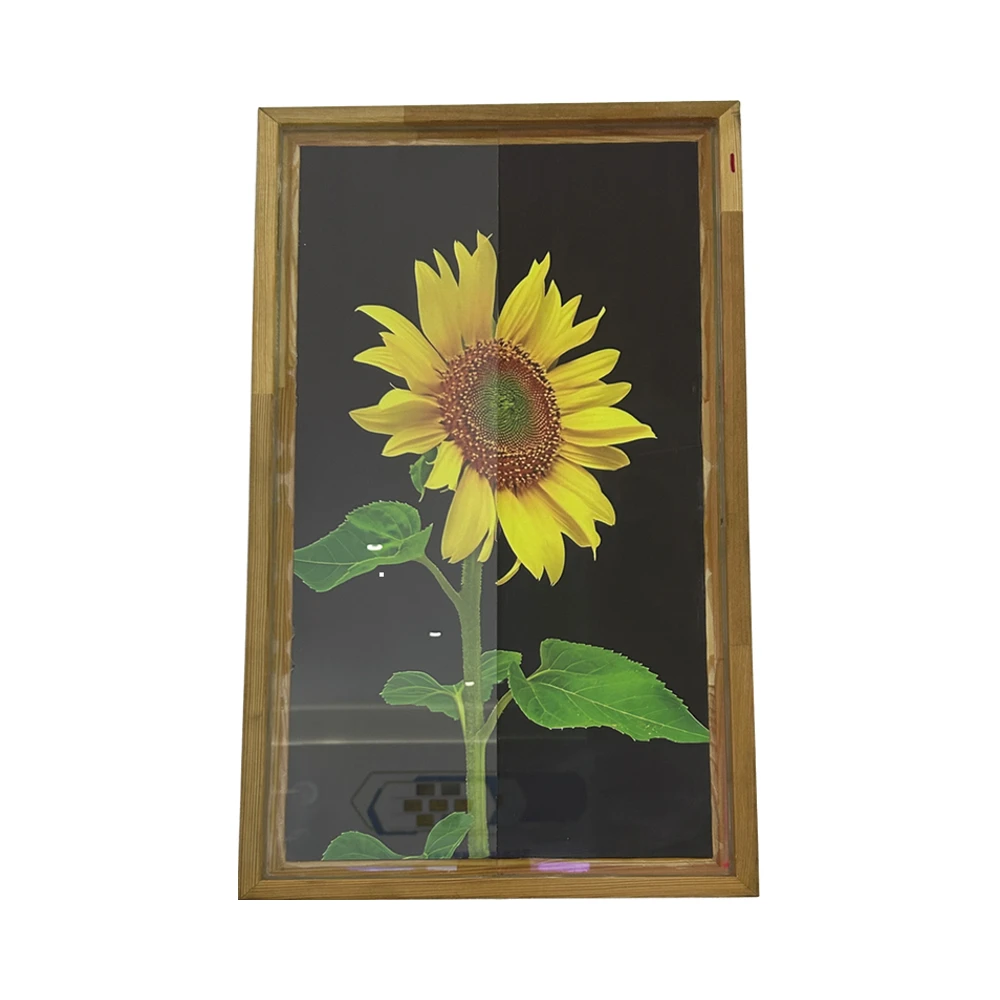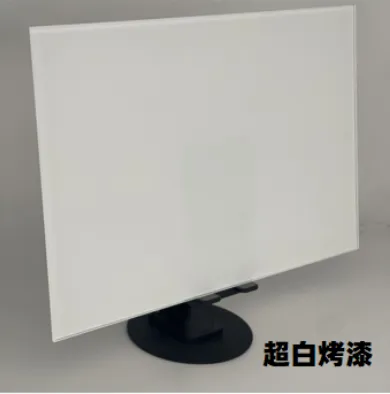
In a world increasingly focused on sustainability, safety, and efficient design, tinted toughened glass plays a quietly pivotal role. At first glance, tinted toughened glass might seem like just another building or automotive material. But dig a little deeper and you’ll find it’s an unsung hero helping to regulate energy consumption, provide structural integrity, and improve comfort in diverse environments globally.
Why does this matter? Between climate change policies, urbanization surges, and evolving architectural demands, tinted toughened glass offers a balance of strength, aesthetics, and energy efficiency that's hard to beat. Understanding its benefits can shape smarter construction and industrial decisions — whether you're in a skyscraper in Dubai, a remote research station in Scandinavia, or a high-tech manufacturing plant in China.
Glass may sound old-school, but when it’s toughened and tinted, it’s a tech-advanced product meeting modern challenges.
Globally, buildings account for roughly 39% of carbon emissions (UN Environment Programme, 2021), with cooling and heating being major energy consumers. Tinted toughened glass reduces heat gain and glare, lowering reliance on air conditioning and thus energy costs — a direct hit at emissions.
Moreover, industrial safety standards like ISO 12543 and ASTM C1048 emphasize the use of tempered and laminated glass for occupant protection. Tinted toughened glass fits perfectly here by combining durability with light management.
Yet, challenges remain — like balancing cost, scalability, and maintaining aesthetic appeal alongside performance. This is where innovations in tinted toughened glass come in to solve those dilemmas one pane at a time.
Simply put, tinted toughened glass is a type of safety glass that’s been heat-treated (or “tempered”) to be stronger than regular glass. It also has a tint added, usually by mixing color pigment during manufacture or applying a coating, to filter incoming light and control solar heat.
Its strength means when it does break — say in a quake or impact — it shatters into small granular bits rather than dangerous shards, improving safety. The tinting isn’t just for looks; it reduces sun glare and solar heat gain, creating better indoor environments and contributing to energy savings.
Basically, it’s safety and smart energy management rolled into one clear pane, meeting the needs of modern architecture, transport, and even humanitarian aid – where protected, climate-controlled environments matter.
Thanks to tempering (rapid heating and cooling), this glass is roughly 4-5 times stronger than standard annealed glass. It’s designed to resist breakage, thermal stress, and impacts — great for high-wind areas or industrial sites. And if it does break, it crumbles safely, protecting people and property.
The tint helps reduce solar heat gain coefficients (SHGC) by as much as 30-50%, depending on the product. Less heat enters, so buildings and vehicles rely less on air conditioning, trimming energy use and carbon footprints.
From subtle gray to bronze to blue, tints come in various hues and intensities, allowing architects and designers to play with mood, privacy, and lighting ambiance without sacrificing transparency or light quality.
Tinted toughened glass blocks a significant amount of ultraviolet (UV) radiation, protecting interiors and occupants from harmful solar rays, which helps preserve furnishings and reduces health risks.
It fits well with other green building materials, supporting LEED and BREEAM certifications by promoting sustainable design.
Tinted toughened glass isn’t just a pretty face in construction. Its mix of strength, energy management, and aesthetics makes it a core material for modern industry worldwide.
Take, for example, humanitarian organizations providing temporary housing in tropical storm zones; tinted toughened glass windows can mean the difference between sweltering interiors and livable conditions.
| Specification | Details |
|---|---|
| Thickness Range | 4 mm – 12 mm |
| Tint Colors | Gray, Bronze, Blue, Green |
| Solar Heat Gain Reduction | 30% – 50% |
| UV Transmission | Less than 10% |
| Impact Resistance | 4-5x standard annealed glass |
| Standard Compliance | ISO 12543, ASTM C1048 |
From a logical viewpoint, its durability alone helps reduce replacement costs and downtime — a huge plus in commercial buildings or transit. Energy savings on cooling translate to lower operating expenses year-round, especially in sunny climates.
Emotionally, tinted toughened glass offers a sense of security and comfort. Imagine a workplace where glaring sunspots disappear yet one still sees the outdoors comfortably. Or a family enjoying safer car rides without the harsh sun beating through windows. It fosters trust in product quality and innovation, especially as more consumers and businesses pursue sustainable solutions.
Exciting developments include integrating smart coatings that adapt tint levels based on sunlight intensity — kind of like photochromic lenses for buildings. Another trend is combining tinted toughened glass with photovoltaic cells to create windows that produce electricity, further aiding green energy goals.
We’re also seeing automation speeding up manufacturing processes while ensuring higher quality and customization, plus more eco-friendly pigmenting methods to reduce chemical waste.
The future is dynamic, aiming to blend tech, sustainability, and user experience seamlessly.
Cost can be a hurdle — initially, tinted toughened glass is pricier than standard glass. However, when you factor in lifecycle savings, it usually balances out.
Another common issue is color uniformity on large panels. Modern digital tinting and quality control have dramatically improved this, making large curtain walls more consistent.
Environmental concerns over manufacturing chemicals are being tackled by developing greener pigments and recycling scraps more thoroughly.
| Vendor | Range of Tints | Standard Compliance | Pricing Level | Lead Time |
|---|---|---|---|---|
| Wangmei Glass | Gray, Bronze, Blue, Green | ISO, ASTM | Mid | 2-3 weeks |
| Global Glass Corp | Gray, Bronze | ISO only | Mid-High | 3-4 weeks |
| ClearView Technologies | Blue, Green | ASTM only | High | 1-2 weeks |
Walking through the spectrum of what tinted toughened glass offers — durability, safety, energy efficiency, and aesthetics — it’s clear why this material is making waves worldwide. For builders, industrial designers, and humanitarian groups alike, it promises long-term value both environmentally and economically.
Whether your project demands reducing power bills, protecting people, or simply creating a more pleasant space, tinted toughened glass delivers on many fronts. I suppose you could say it’s the quiet innovator working behind the scenes.
Ready to bring smarter glass solutions to your project? Visit our website: https://www.wangmeiglass.com and discover a full range of tinted toughened glass products tailored to your needs.
2026-03-26
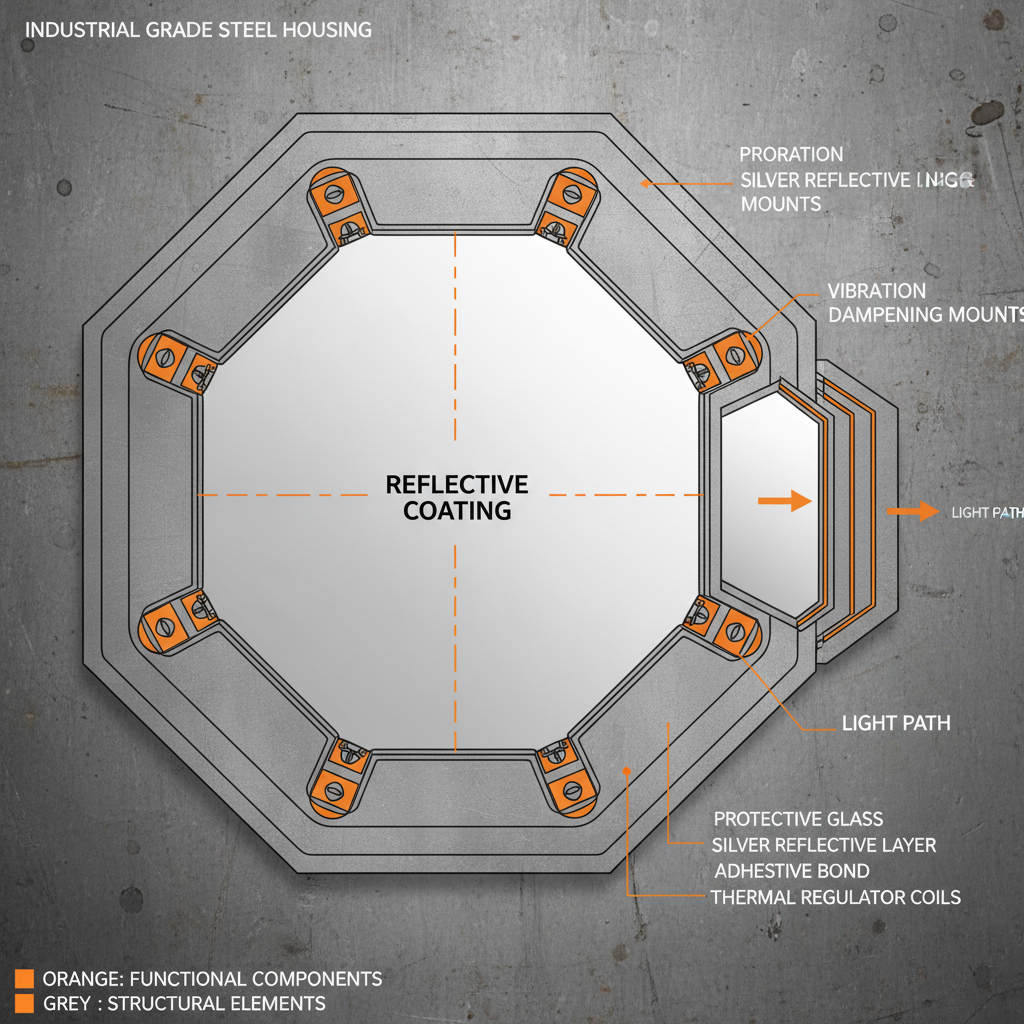
Elevate Your Home with a Stunning Octagon Silver Mirror from Wangmei Glass


If you are interested in our products, you can choose to leave your information here, and we will be in touch with you shortly.