Product Description
Introduction and Applications of Tempered Laminated Glass
I. Introduction to Tempered Laminated Glass
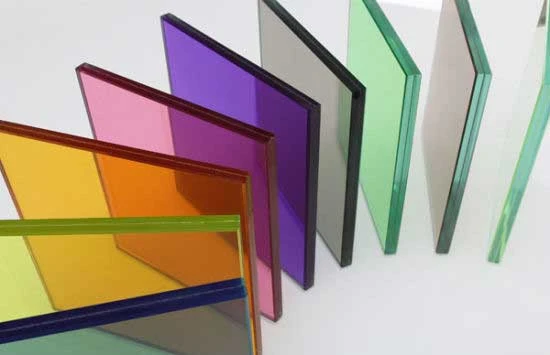
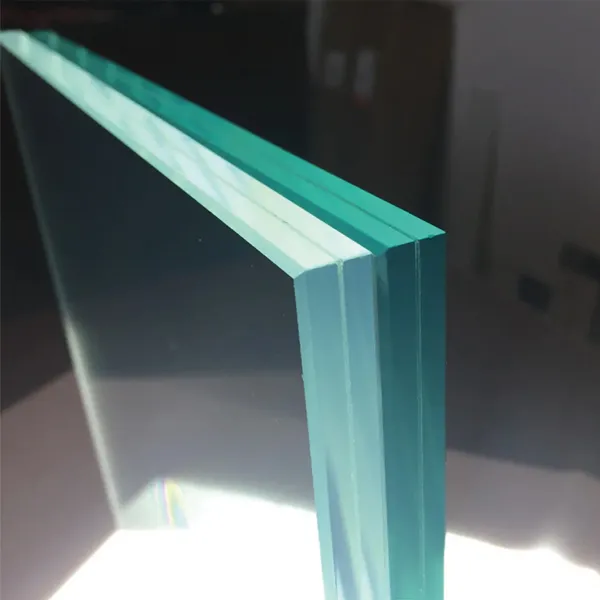
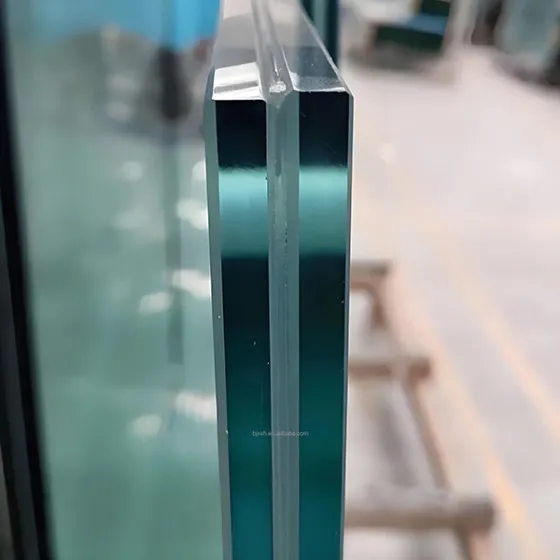
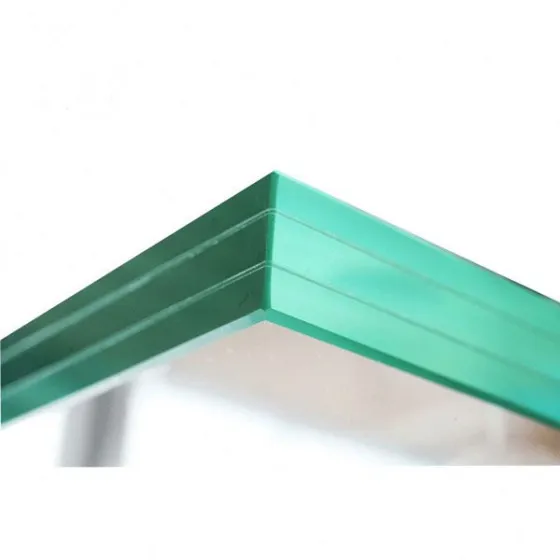
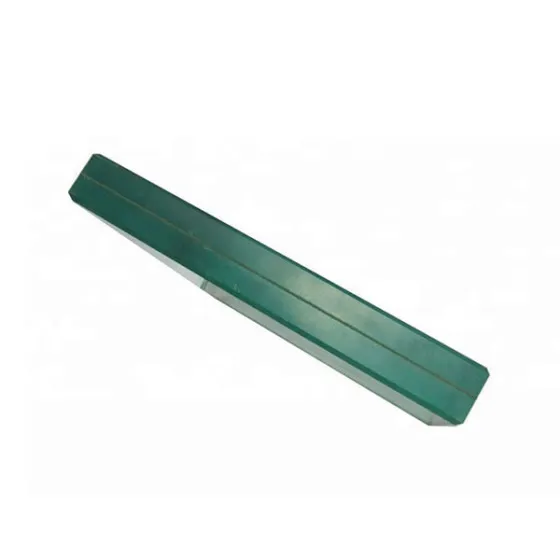
Tempered laminated glass is a composite safety glass formed by bonding two or more pieces of tempered glass with interlayers (such as PVB, EVA, SGP films) under high temperature and pressure. It combines the high-strength impact resistance of tempered glass (excellent wind pressure and temperature difference resistance) with the safety and explosion-proof properties of laminated glass (fragments adhere to the film without falling off when broken), while offering functions of sound insulation, UV protection, and thermal insulation. It represents a typical high-end safety glass.
Core Characteristics:
1. Dual Safety Assurance: Tempered glass breaks into obtuse granules, and the interlayer film further fixes the fragments to prevent splashing and injury, complying with strict safety standards.
2. Outstanding Mechanical Properties: Wind pressure resistance is 3-5 times that of ordinary glass, with strong tolerance to abrupt temperature changes (withstanding over 200℃ temperature difference) and low susceptibility to cracking from thermal shock.
3. Composite Functions: The interlayer blocks over 99% of UV rays, reduces noise by 30-40 decibels (e.g., PVB film significantly absorbs medium-high frequency noise), and minimizes heat conduction to enhance energy efficiency.
II. Application Scenarios
1. Construction Engineering
- High-rise Building Envelopes: Glass curtain walls of skyscrapers and hotels resist strong winds and typhoons, preventing high-altitude falling objects in case of breakage, in line with building safety codes.
- Skylights and Daylighting Roofs: Used in large-span lighting areas of malls and stadiums, combining wind pressure resistance, UV protection (to prevent indoor furnishings from fading), and thermal insulation to reduce air conditioning energy consumption.
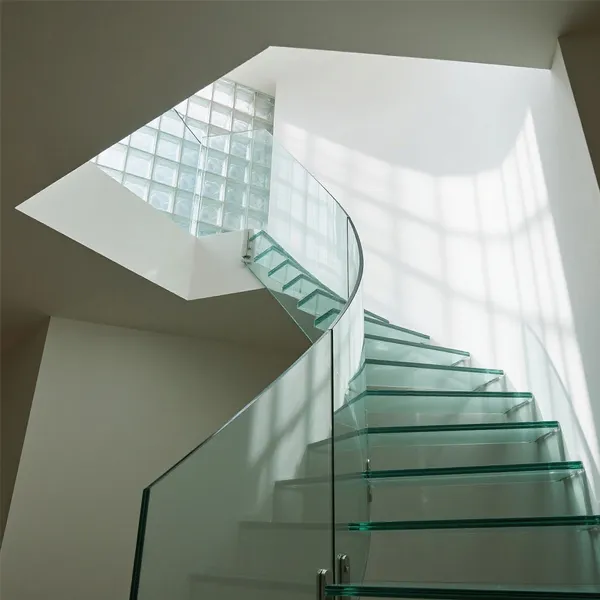
- Safety Doors/Windows and Balcony Railings: French windows and balcony glass in homes and schools maintain structural integrity even under impact or self-explosion, protecting children and pets from injury.
2. Public Safety and Special Scenarios
- Bank and Jewelry Store Protection: As the base structure of bulletproof glass (multi-layer tempered laminated combination), it resists violent damage like hammering or gunshots while ensuring transparency.
- Museums and Exhibition Spaces: Blocks UV rays to protect cultural relics and artworks; fragments remain intact when broken, enhancing security with anti-theft systems.
3. Transportation
- Automotive Front Windshields: The mainstream configuration is "tempered glass + PVB interlayer", which keeps fragments from splashing during collisions. PVB film also reduces cockpit noise for safer driving.
- High-speed Rail and Metro Windows: Meets requirements for wind pressure resistance (during high-speed travel), sound insulation (reducing track noise), and impact resistance (against foreign objects), with tempered laminated structure as the standard.
4. Indoor Functions and Decoration
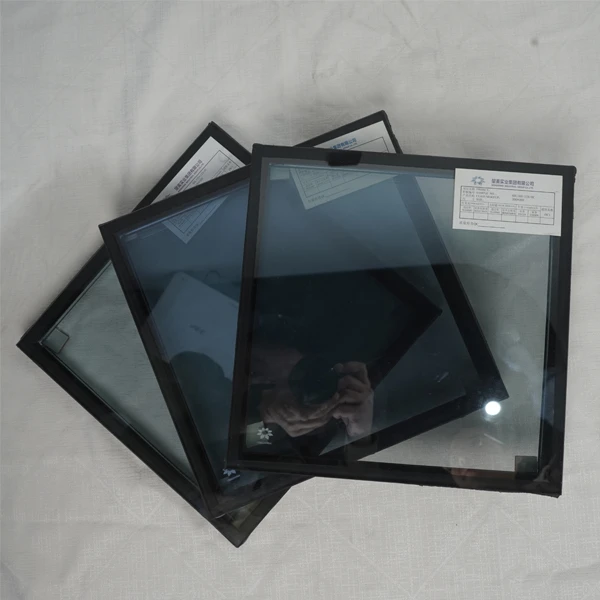
- Soundproof Partitions and Screens: Multi-layer tempered laminated glass in recording studios and conference rooms, combined with hollow structures, can achieve sound insulation over 45 decibels to block external interference.
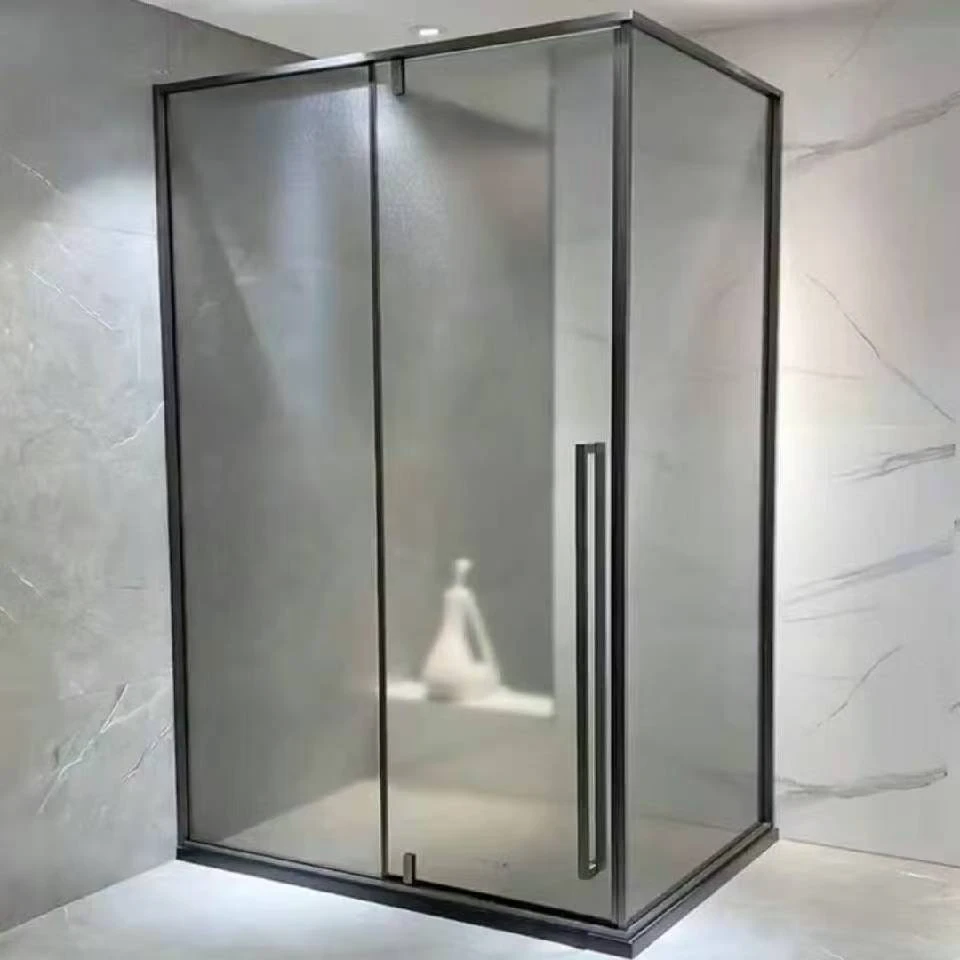
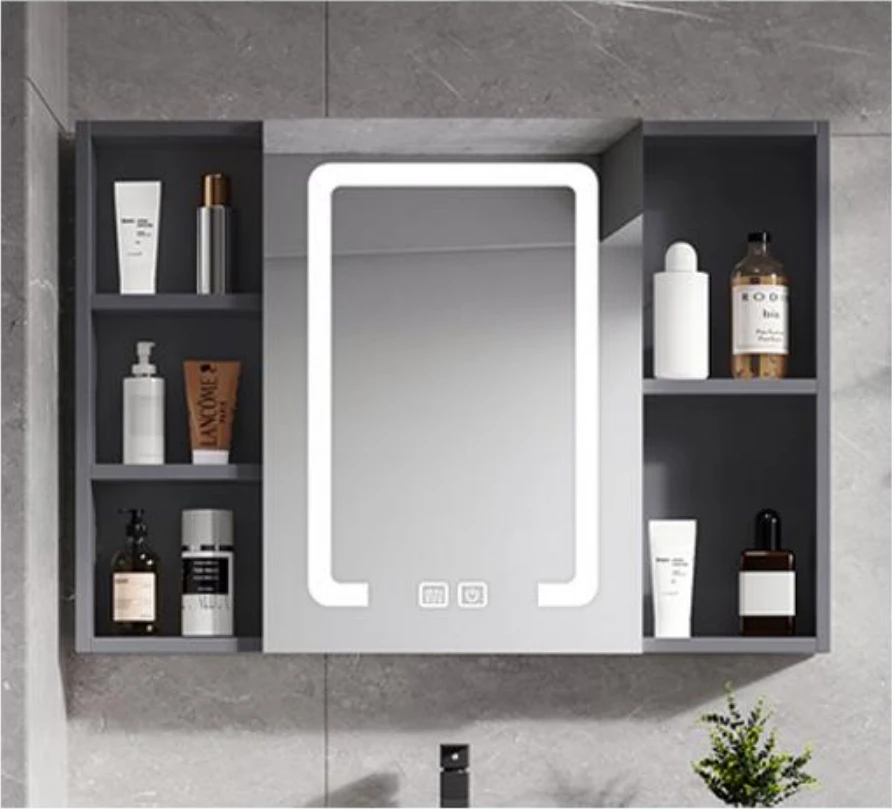
- Bathroom and Kitchen Safety Glass: Addresses the "self-explosion" risk of tempered glass, ensuring fragments do not fall off. Ideal for wet or high-temperature environments like shower partitions and kitchen glass above stoves.
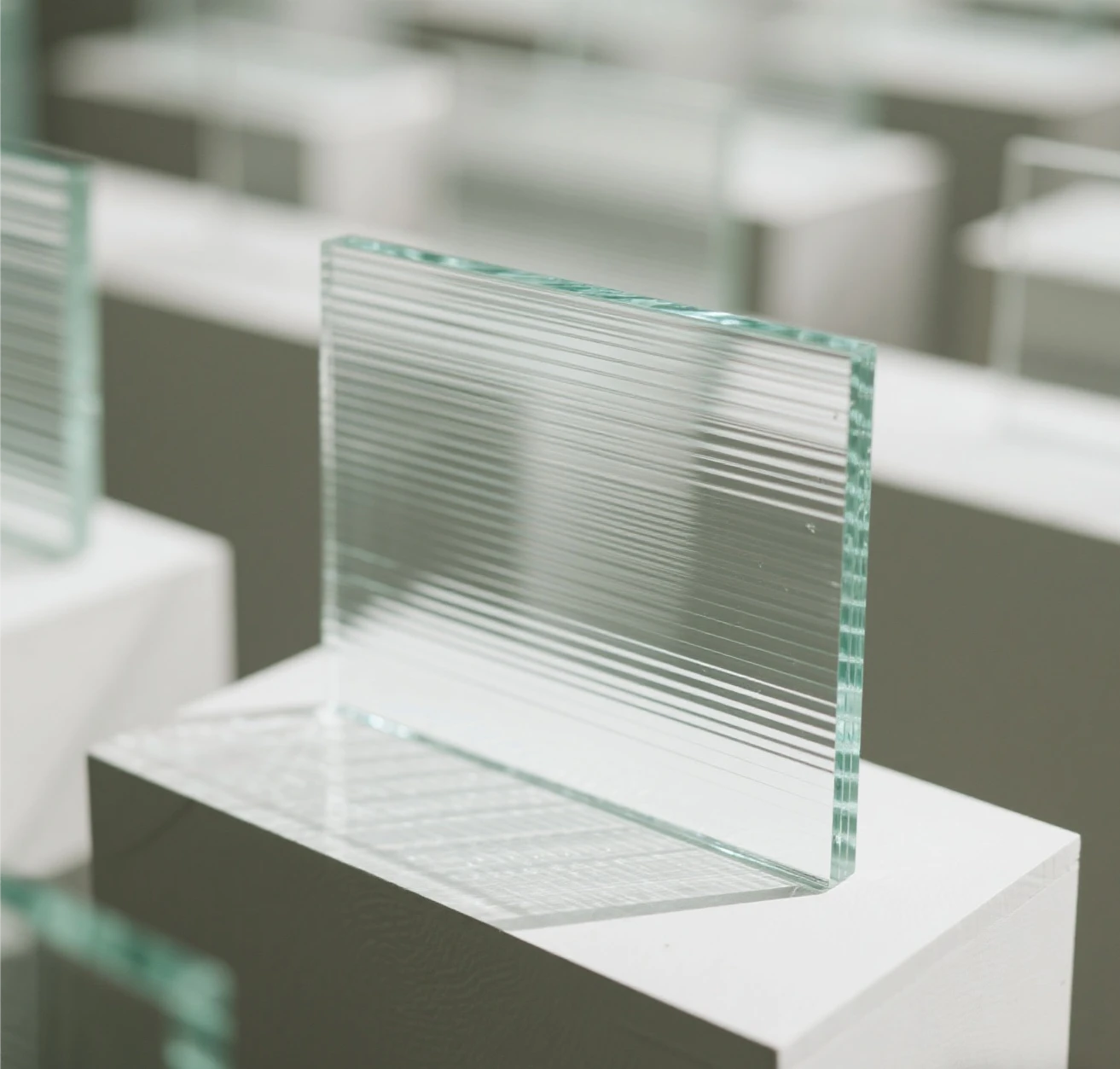
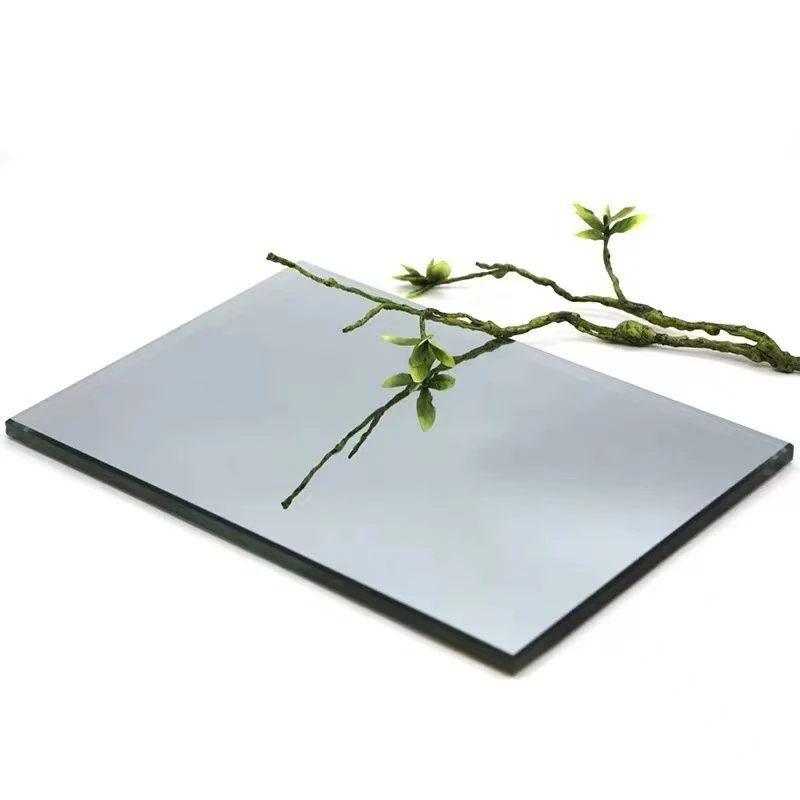
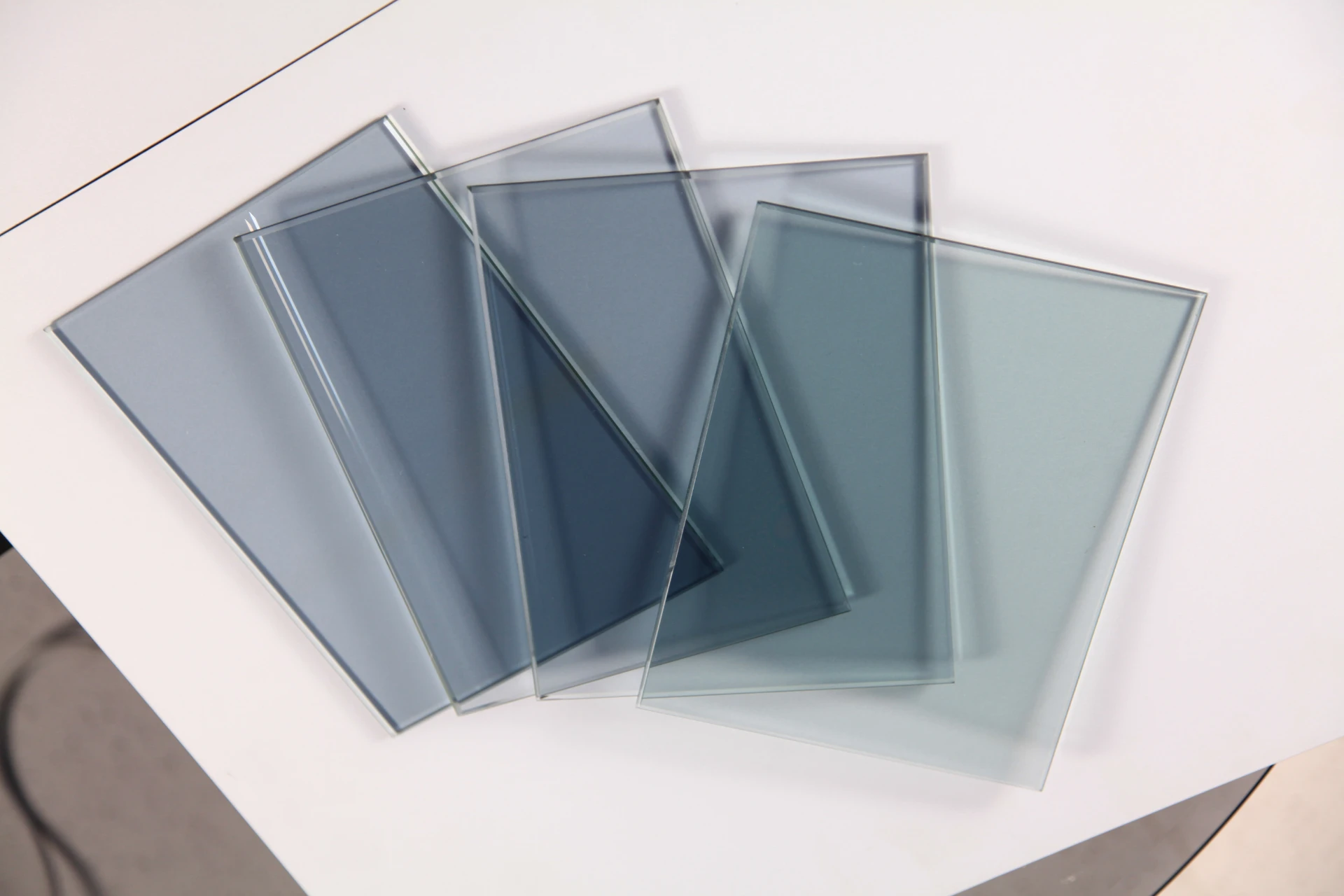
- Art Decorative Glass: Customized partitions and foyer screens are created through colored PVB films, gradient interlayers, or wire embedding, integrating safety and aesthetic effects.
Tempered laminated glass, through its composite advantages of "strength + safety", has become a core material in modern construction, transportation, and safety protection—particularly irreplaceable in scenarios involving life safety and valuable item protection.
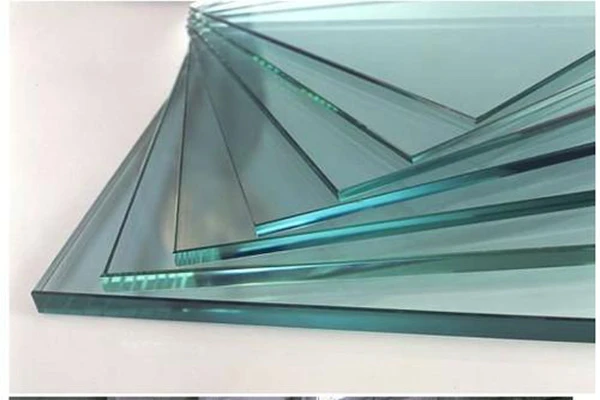
Toughened Tempered Safety Glass
Tempered Laminated Glass Thickness
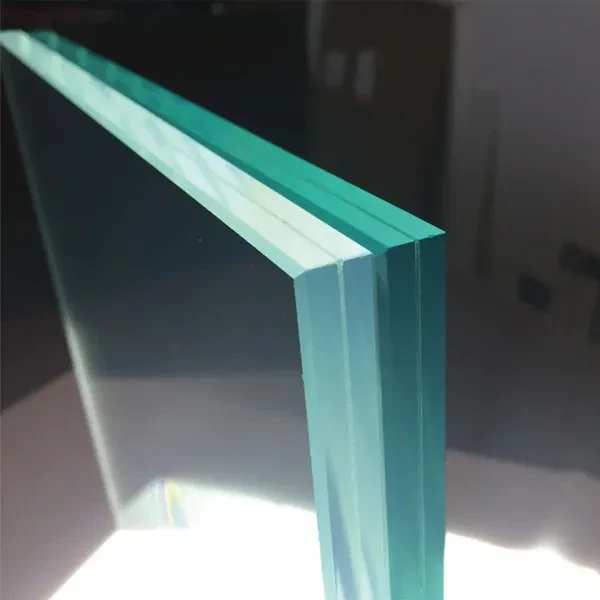
The thickness of tempered laminated glass plays a crucial role in its strength and application. Typically ranging from 6mm to 12mm, thicker glass provides increased durability, making it suitable for high-impact areas like storefronts, balustrades, and automotive windshields. The tempering process enhances its toughness, making it up to five times stronger than standard glass, while the laminated interlayer ensures safety by preventing dangerous shattering. Thinner options (6mm-8mm) work well for interior partitions and shower doors, while thicker panels (10mm+) are preferred for exterior facades and security glazing. Choosing the right thickness ensures optimal performance, balancing safety, transparency, and structural integrity for any project.
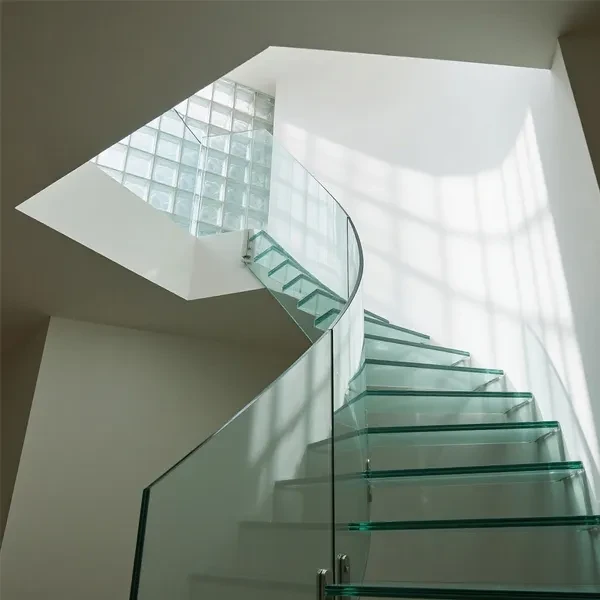
Tempered Laminated Glass Specification
Tempered laminated glass represents the pinnacle of safety glazing, combining the strength of tempering with the protective interlayer of lamination. This dual-process glass undergoes heat treatment to increase its structural integrity before being bonded with a durable PVB or SGP interlayer. The result is a product that offers impact resistance, security against forced entry, and protection from UV radiation. Specifications typically include thickness options from 6mm to 25mm, various interlayer types, and the ability to withstand significant wind loads and thermal stress. These characteristics make it the preferred choice for high-rise buildings, hurricane-prone areas, and security-sensitive applications where uncompromising protection is required.