
Product Description
Introduction to Transparent Laminated Glass
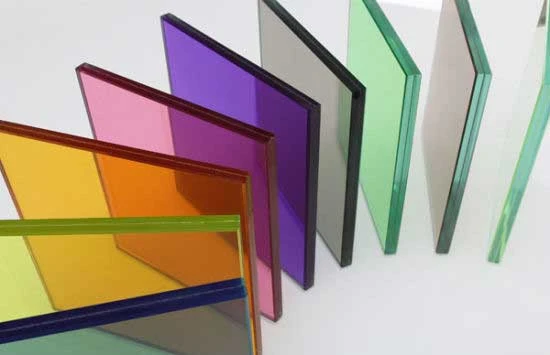
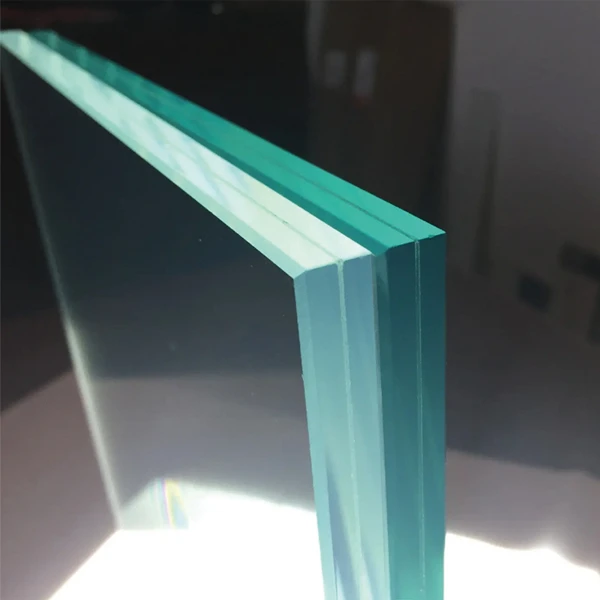
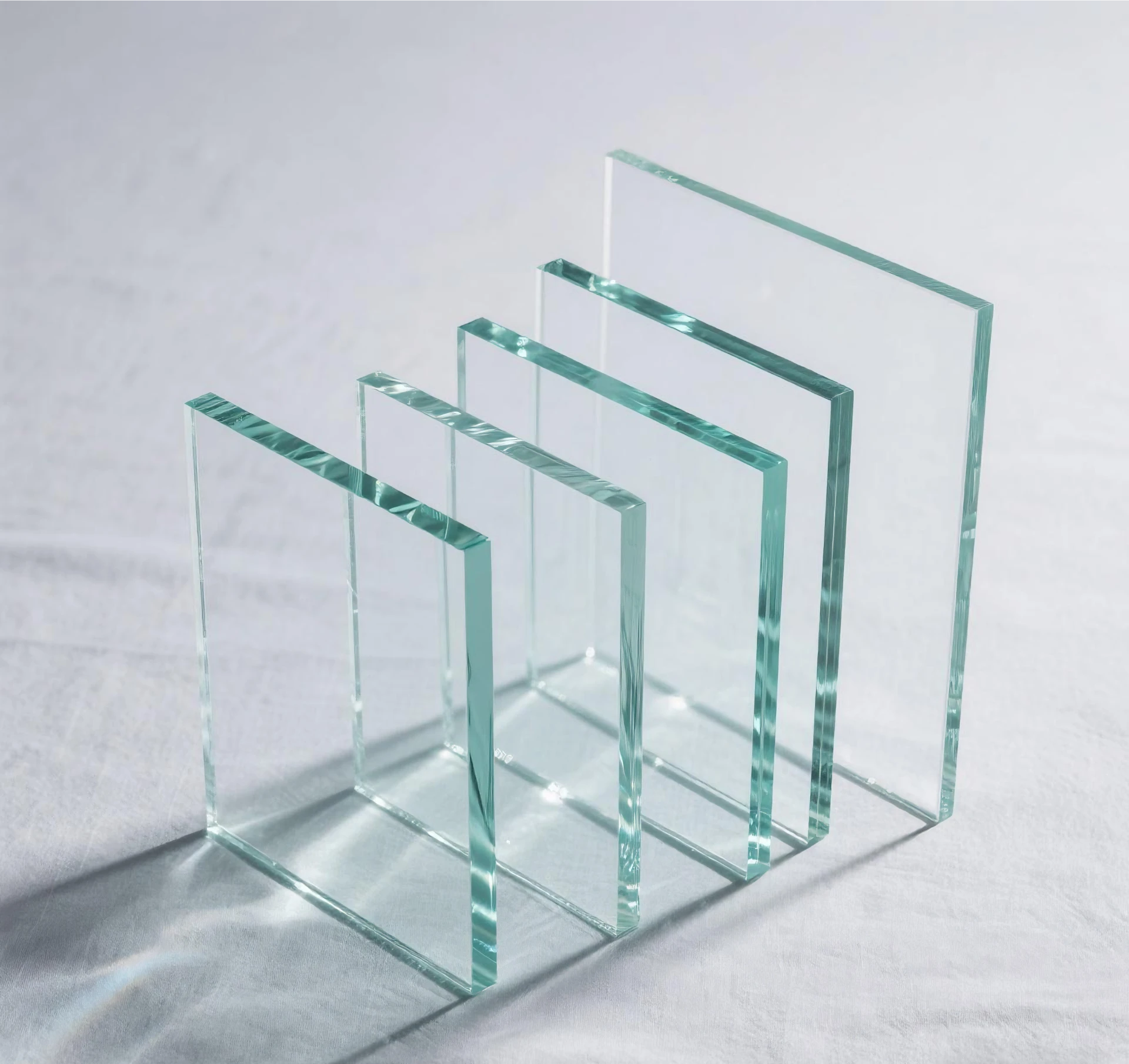
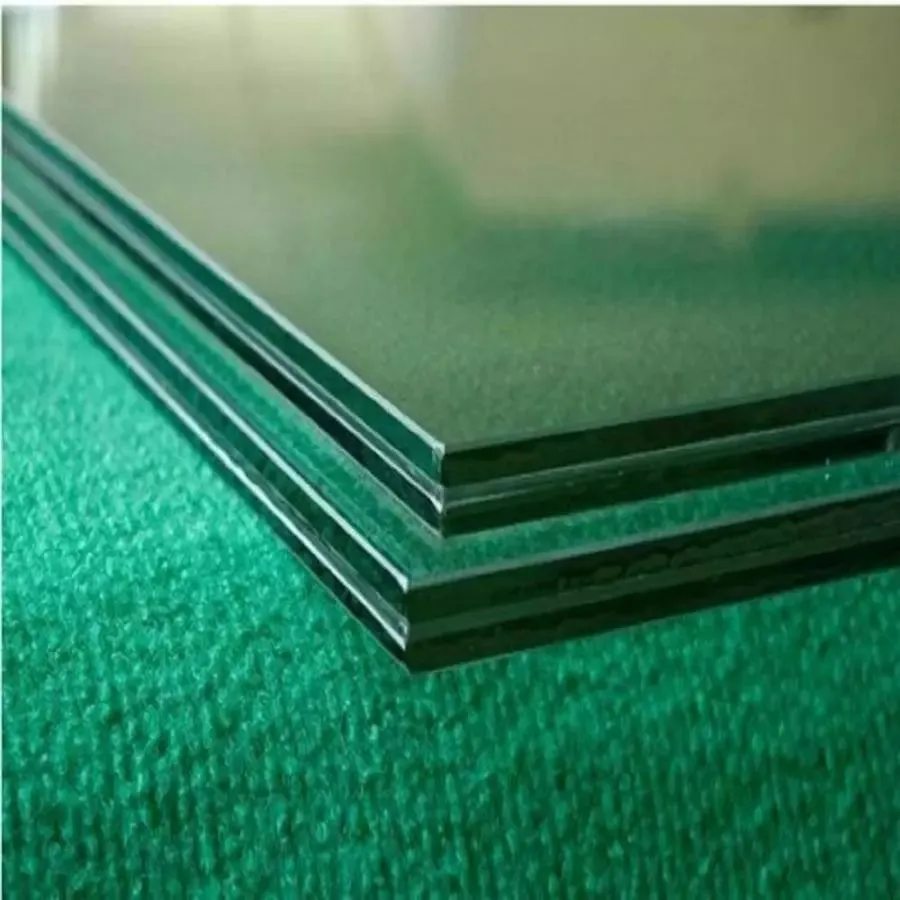
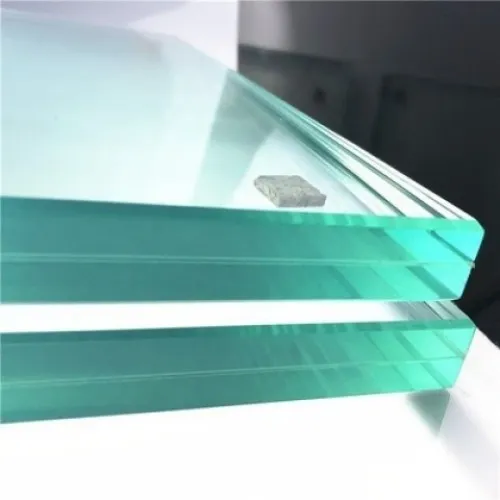
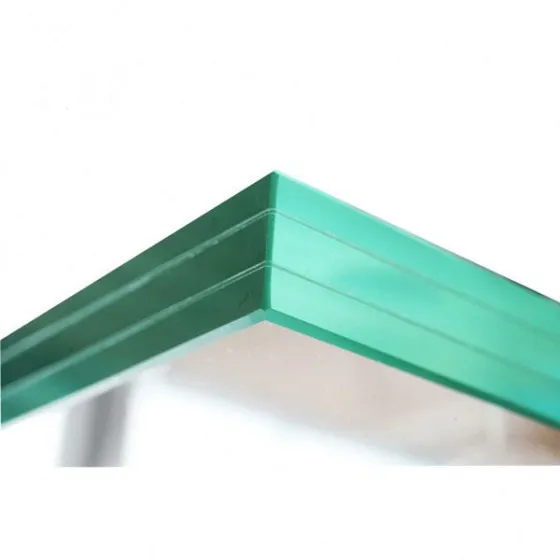
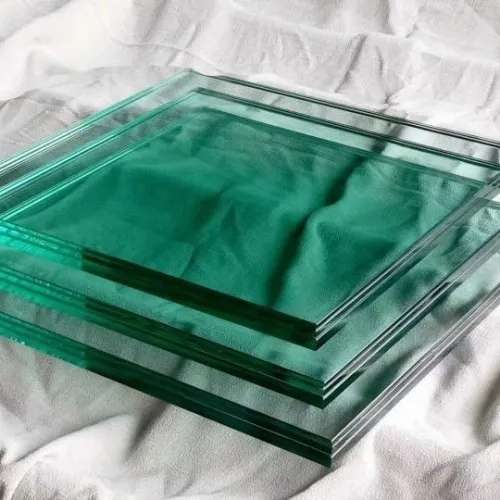
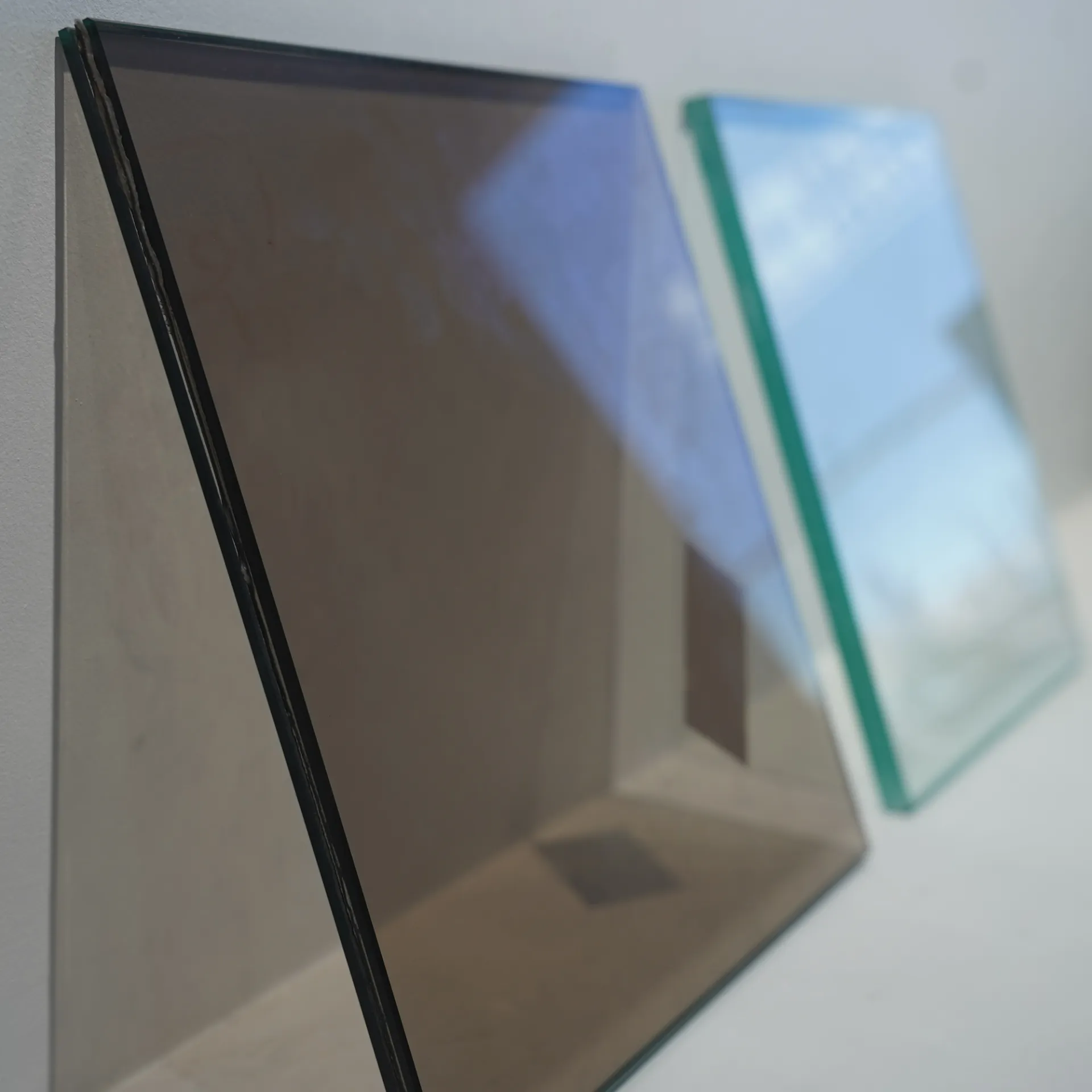
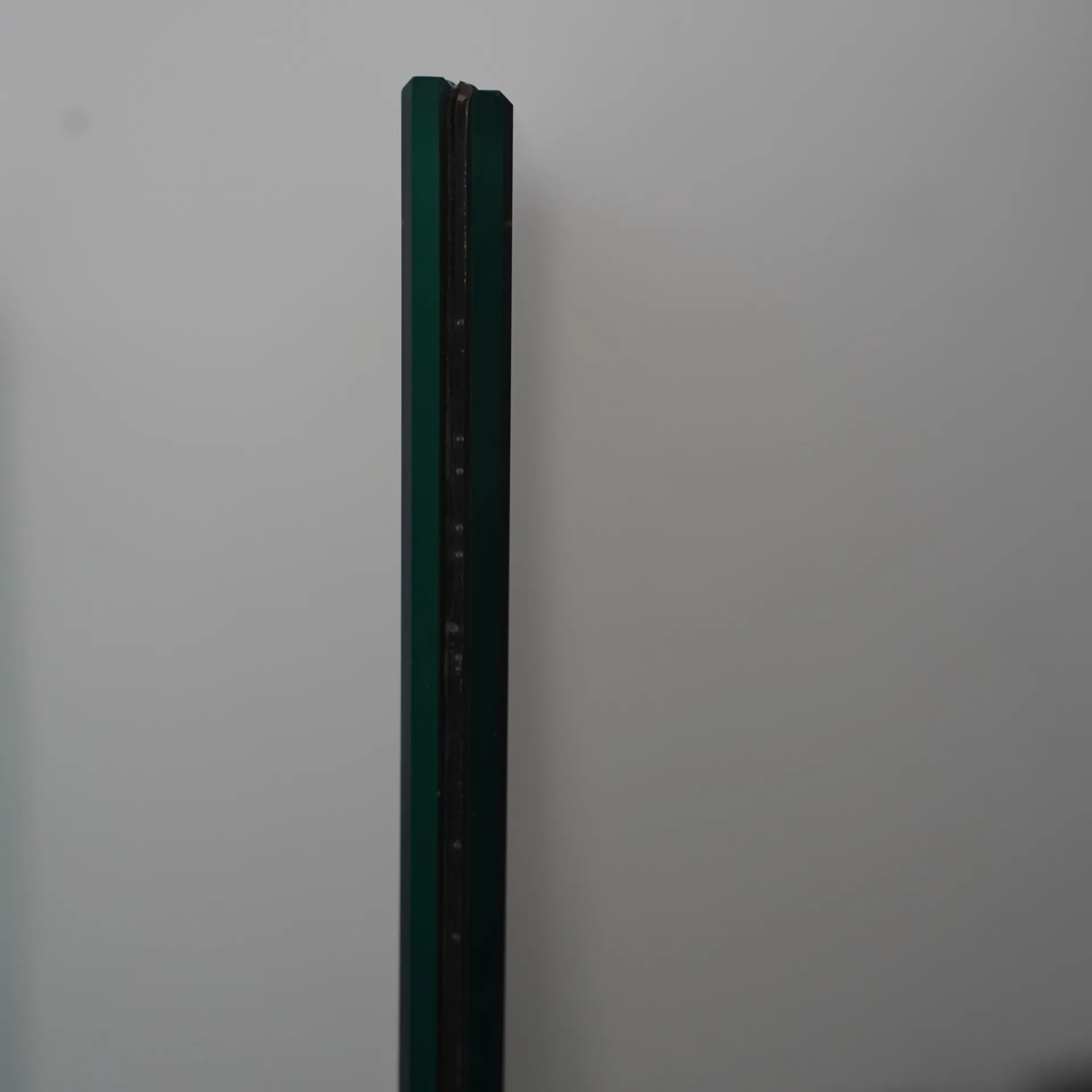
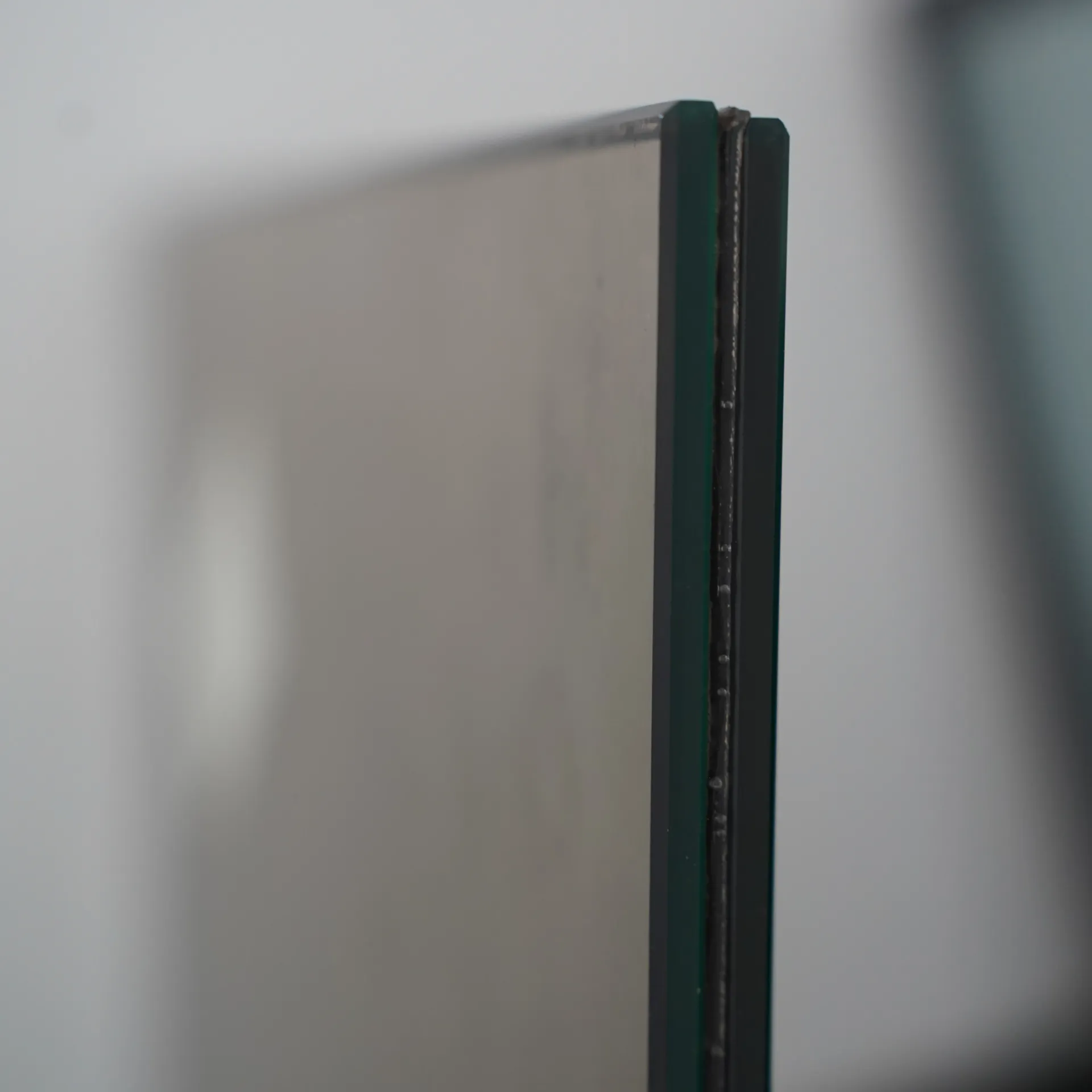
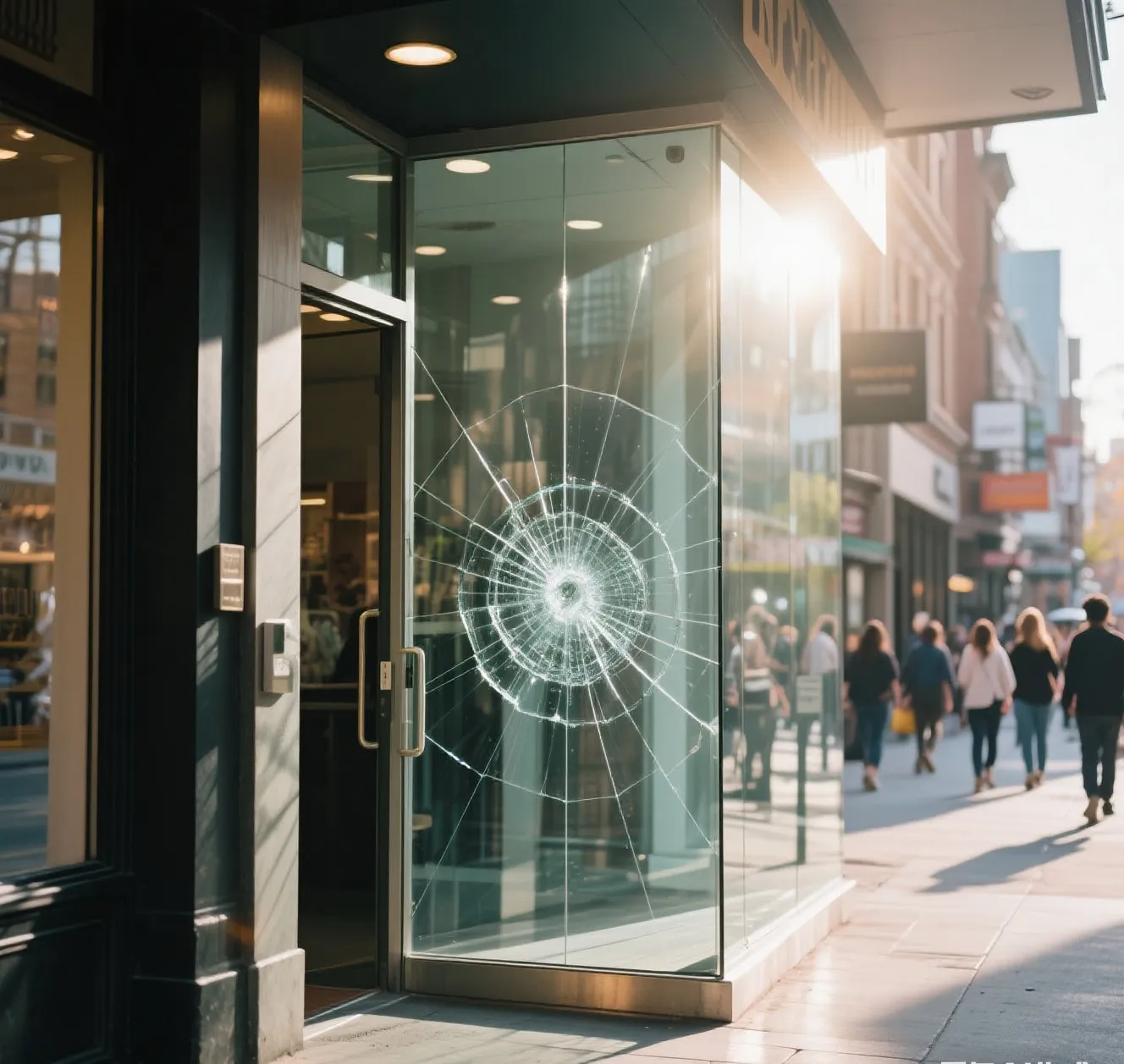
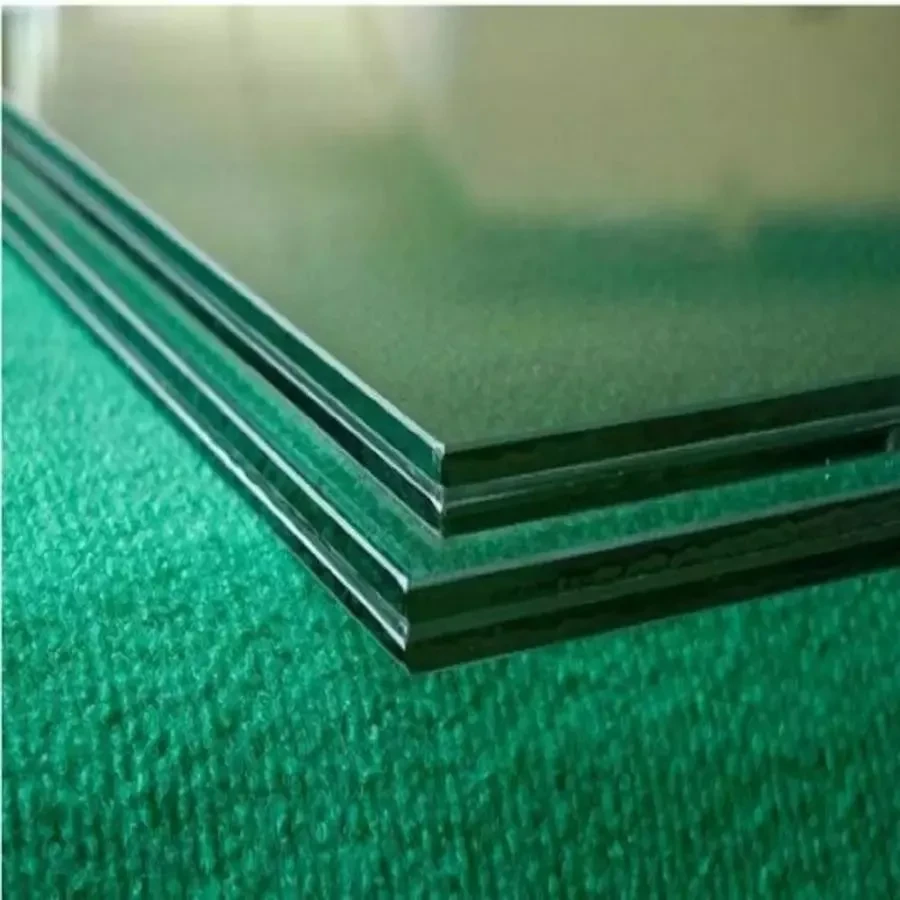
Transparent laminated glass is formed by bonding two or more layers of glass with intermediate films such as EVA (Ethylene-Vinyl Acetate) film, PVB (Polyvinyl Butyral) film, or SGP (Ionoplast Interlayer) under high temperature and pressure, creating an integral composite structure. Even if the glass breaks, the fragments adhere to the film without falling off, ensuring safety and explosion-proof properties. Meanwhile, the interlayer blocks part of ultraviolet (UV) rays and sound waves, providing functions of sound insulation, UV protection, and thermal insulation. Different glass thicknesses and film layers can be selected according to needs, adapting to diverse scenarios.
Application Scenarios
1. Building Safety Protection
- High-rise building doors and windows: Prevents glass fragments from falling, enhancing safety, especially in typhoon and earthquake-prone areas.
- Glass curtain walls: Combines aesthetics with impact resistance. For example, the exterior facades of shopping malls and office buildings can maintain integrity even when hit by external forces.
- Skylights and daylighting roofs: Reduces the risk of high-altitude falling objects and mitigates UV damage from direct sunlight through the laminated layer.
2. Sound Insulation Scenarios
- Buildings near airports and railways: PVB film absorbs medium and high-frequency noise. Examples include airport terminals and residential windows along high-speed rail lines, effectively blocking noise from aircraft takeoffs/landings and train operations.
- Recording studios and studios: Enhances sound insulation through multi-layer laminated structures to maintain a pure indoor acoustic environment.
3. Fields with Special Safety Requirements
- Bank and jewelry store windows: Impact resistance resists external damage, improving anti-theft performance.
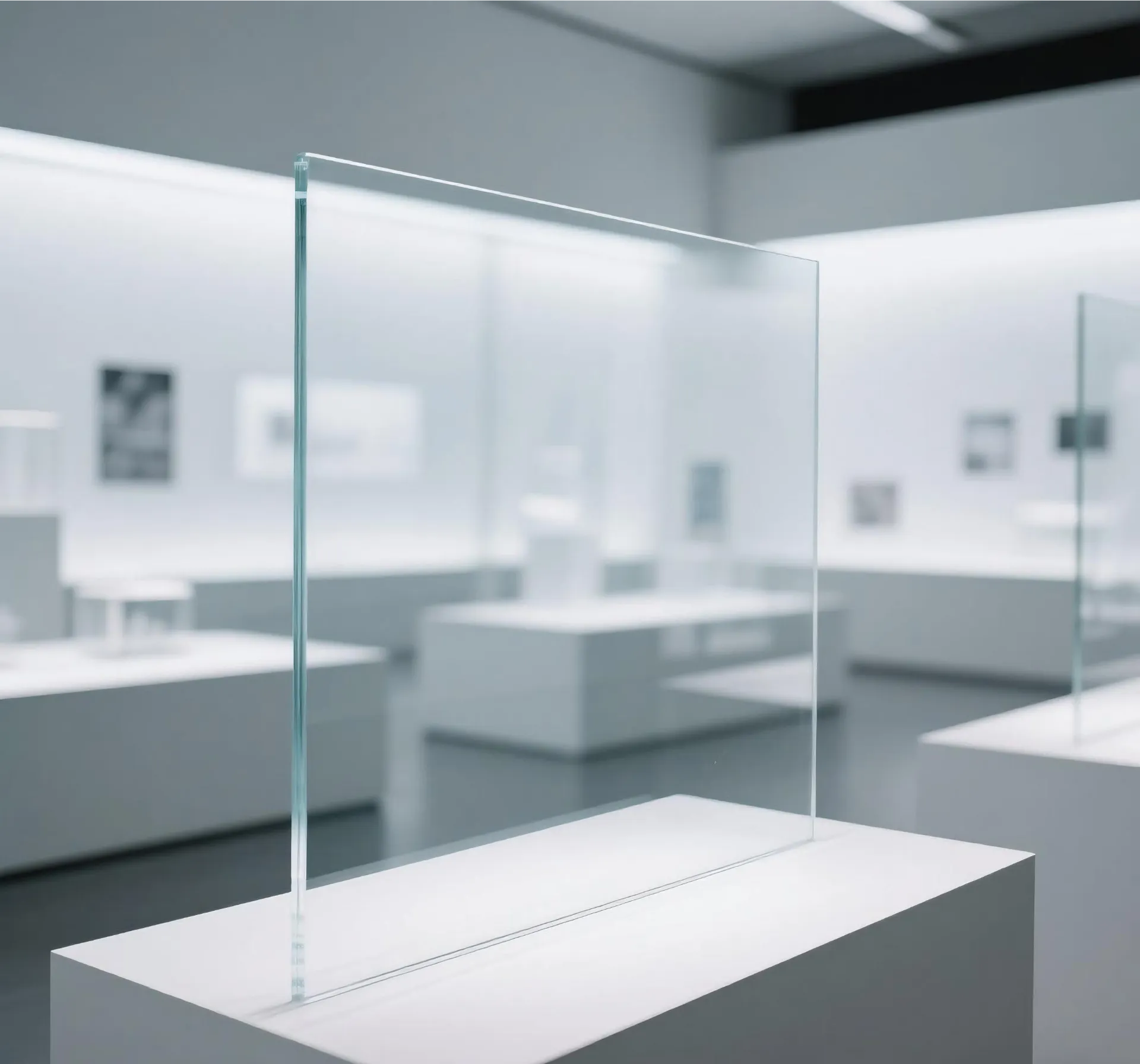
- Museum display cases: Blocks UV rays to prevent exhibits from fading, and keeps fragments from scattering when broken, protecting cultural relics.
4. Automotive and Rail Transit
- Automotive front windshields: In collisions, glass fragments stick to the film to avoid splashing injuries, a mandatory configuration in automotive safety standards.
- Metro and high-speed rail windows: Combines wind pressure resistance and sound insulation to enhance riding safety and comfort.
5. Indoor Decoration and Partitions
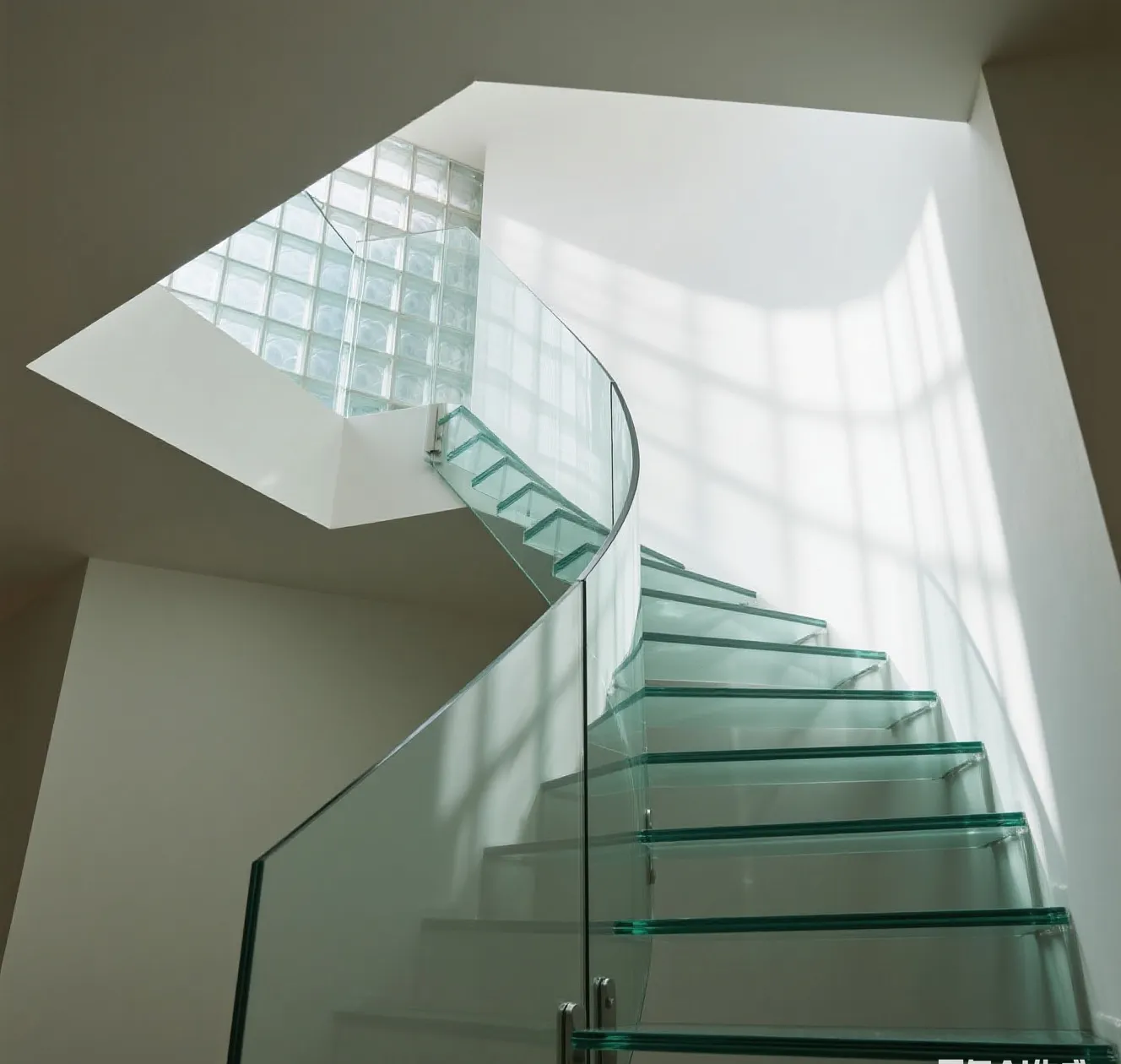
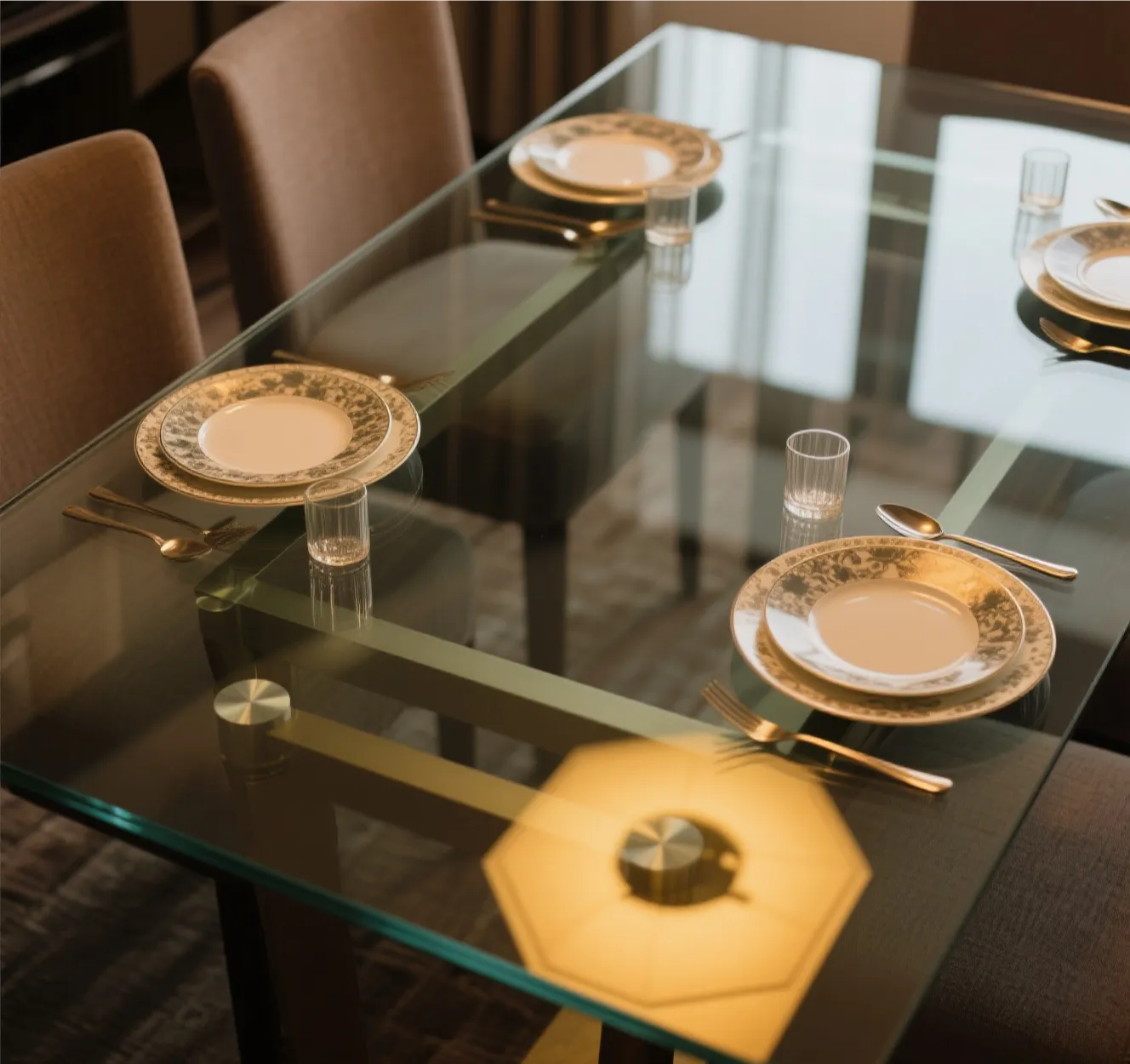
- Indoor glass partitions: such as transparent partitions in offices and hotels, ensuring daylighting while enhancing safety—no splashing risk when broken.
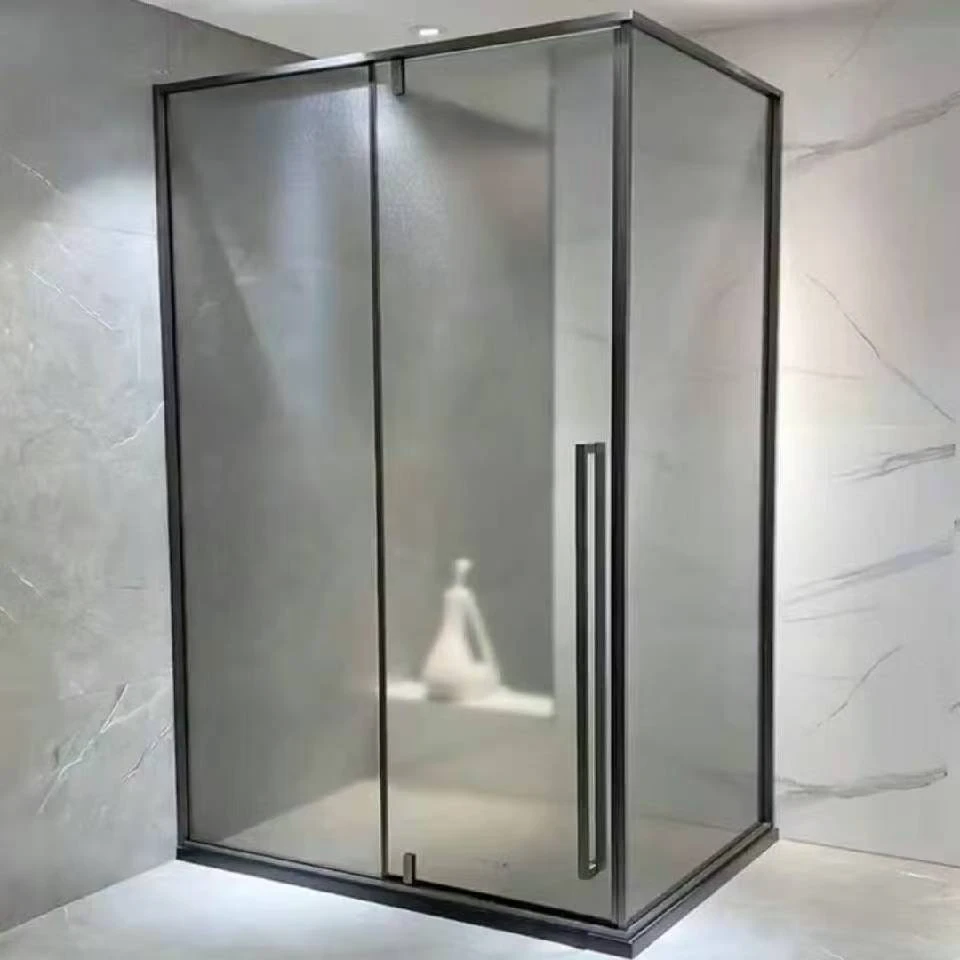
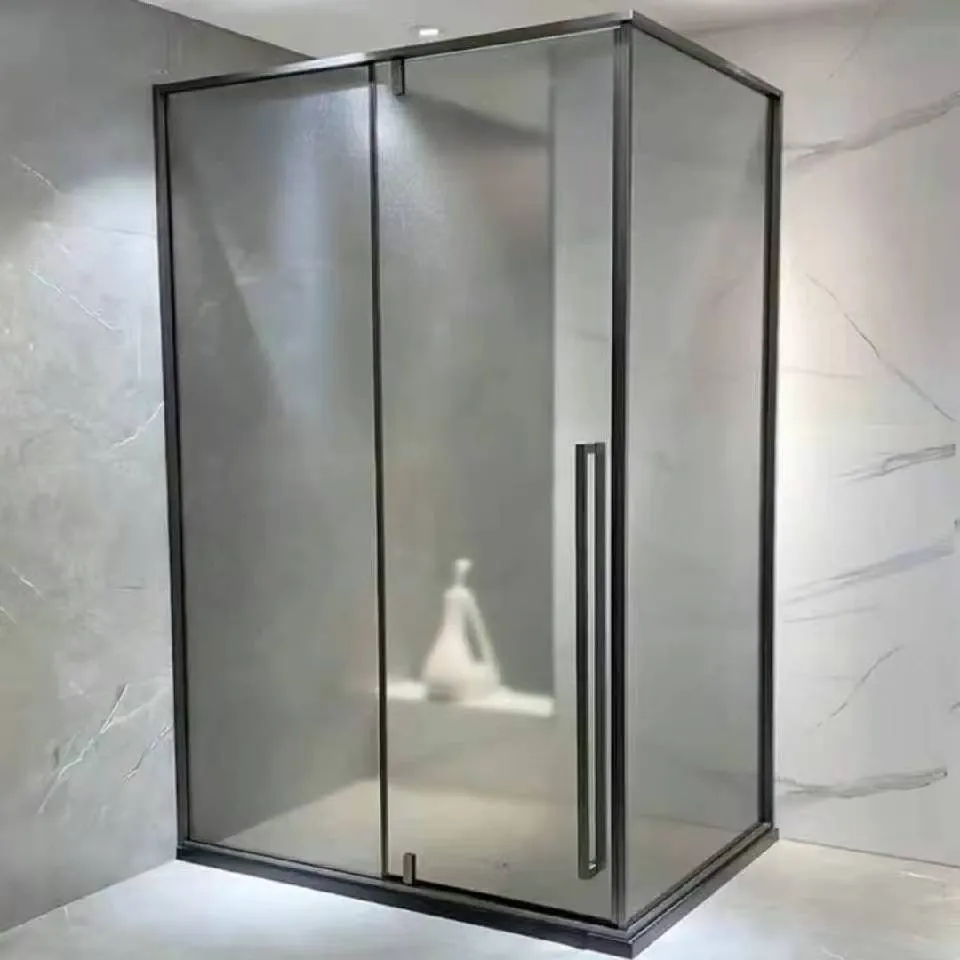
- Bathroom glass: Prevents self-explosion injuries during bathing, meeting safety requirements for bathroom spaces.
Clear Laminated Safety Glass
Clear Laminated Glass vs. Tempered Glass
Clear laminated glass and tempered glass are both safety glass options, but they serve different purposes. Laminated glass consists of two glass layers bonded with a plastic interlayer, offering superior impact resistance and sound insulation—ideal for windows, skylights, and hurricane-resistant installations. Even when broken, the interlayer holds the glass together, enhancing security. Tempered glass, on the other hand, is heat-treated for increased strength and shatters into small, blunt pieces, reducing injury risks. It’s commonly used in shower doors, glass railings, and table tops. While laminated glass excels in security and noise reduction, tempered glass is preferred where extreme breakage resistance is needed. The choice depends on the project’s safety, acoustic, and structural requirements.

Is Laminated Glass Expensive?
While laminated glass carries a higher price point than standard float glass, its value proposition justifies the investment for many applications. The additional cost reflects the complex manufacturing process involving multiple glass plies and specialized interlayers. However, when considering its extended lifespan, safety benefits, and energy-saving potential, laminated glass often proves cost-effective over time. The price varies based on thickness, interlayer type, and any additional treatments like acoustic or security enhancements. For projects where safety, sound reduction, or UV protection are priorities, the premium for laminated glass becomes a worthwhile expenditure rather than an unnecessary expense.