Product Description
Introduction to Tempered Glass for Doors and Windows
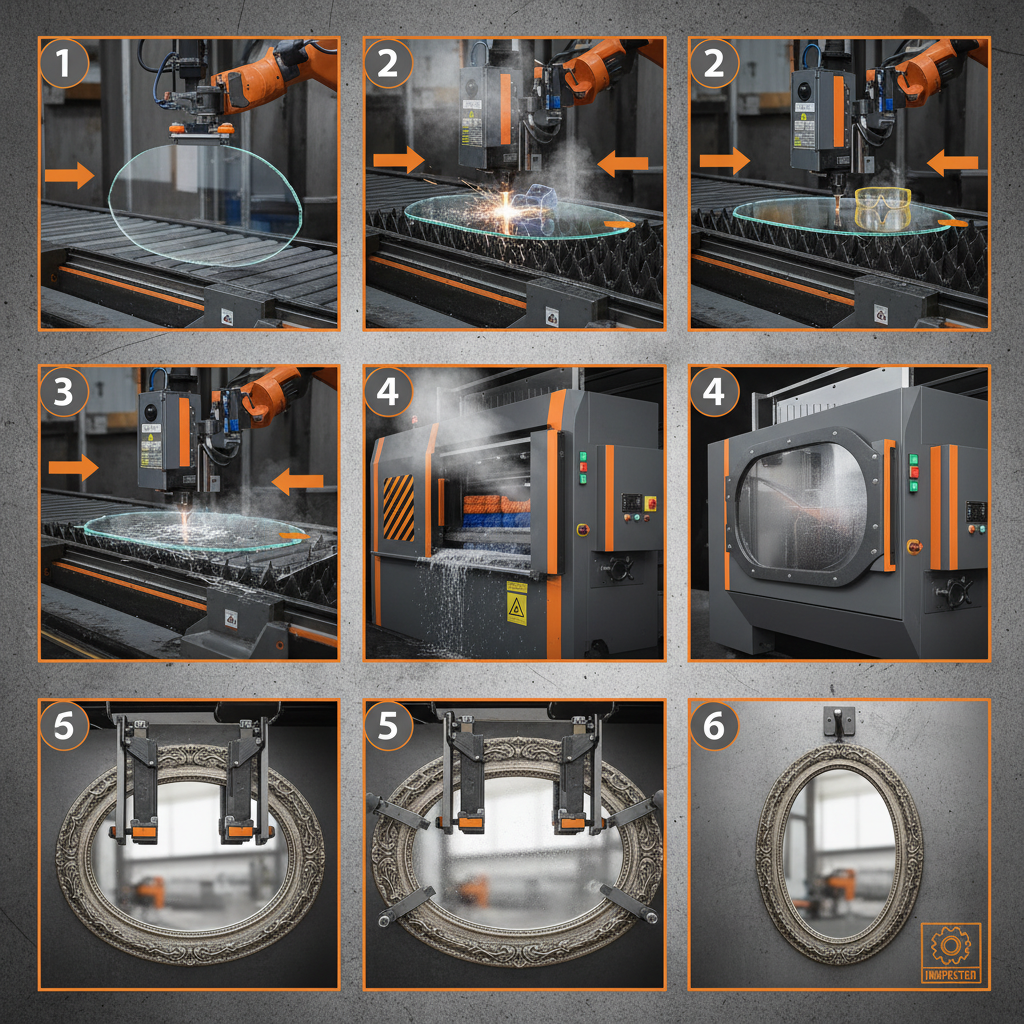
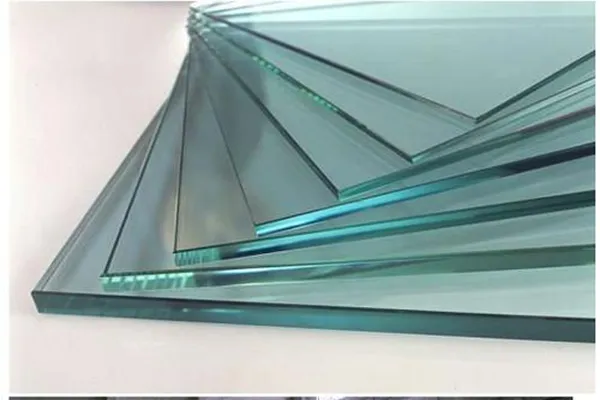
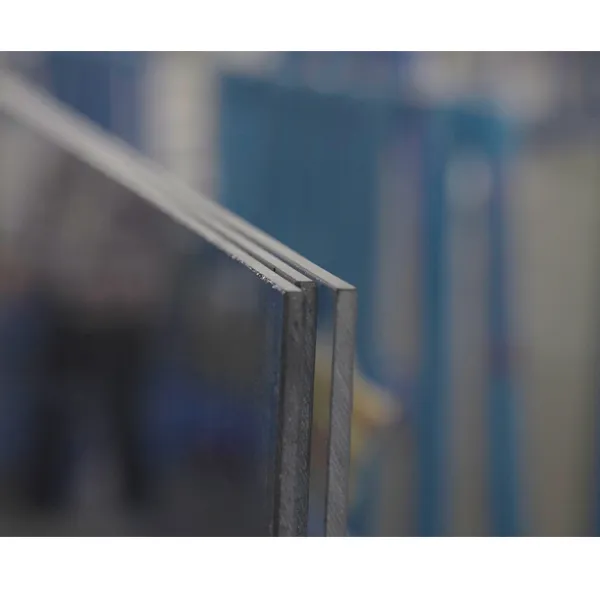
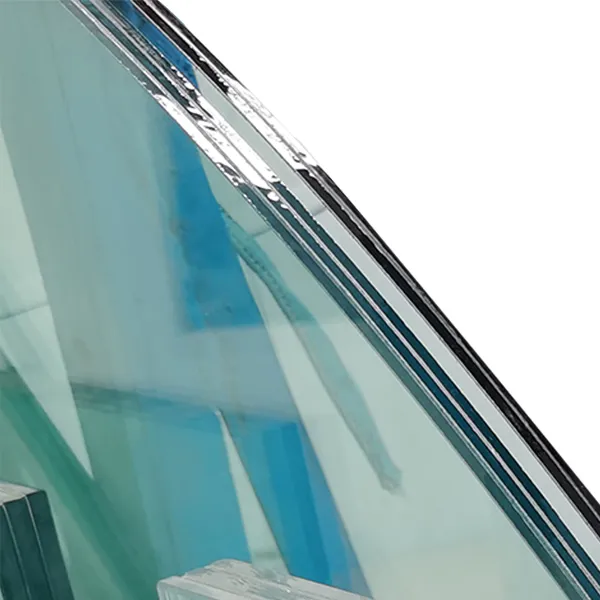
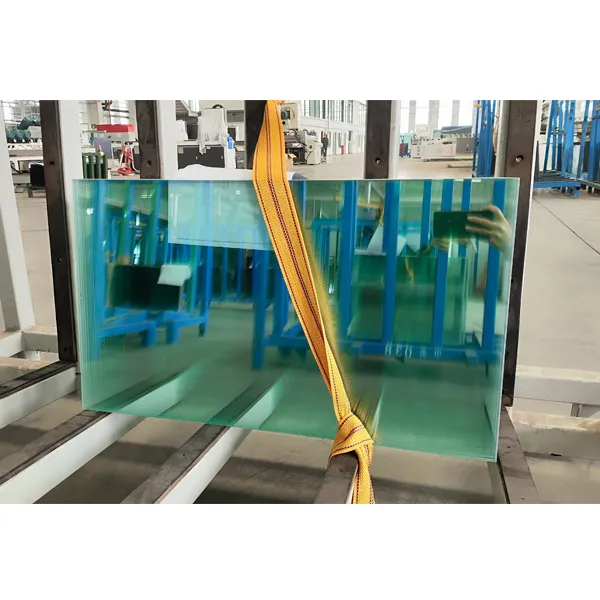
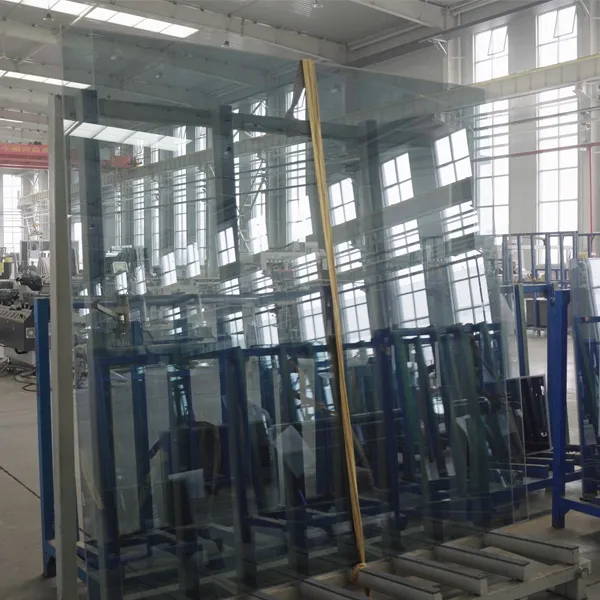
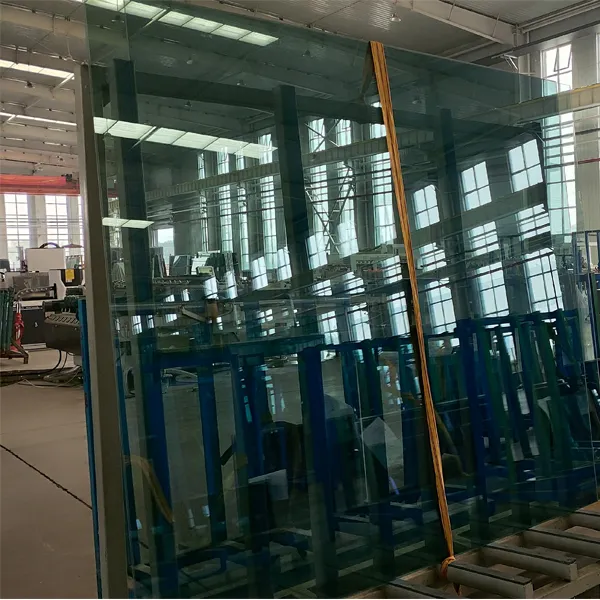
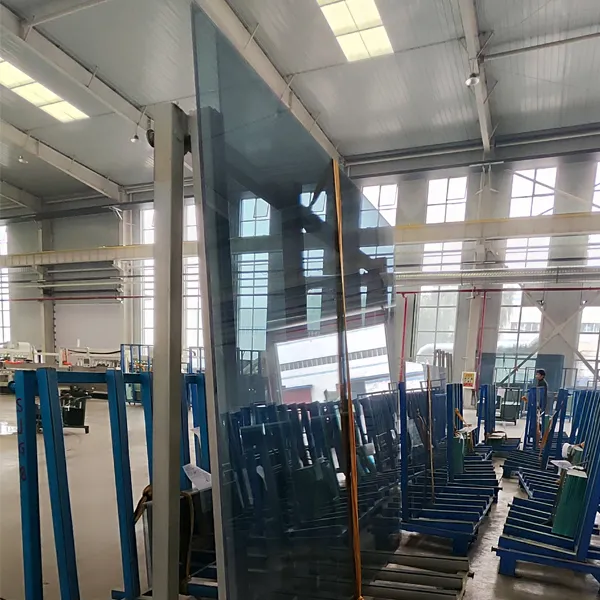
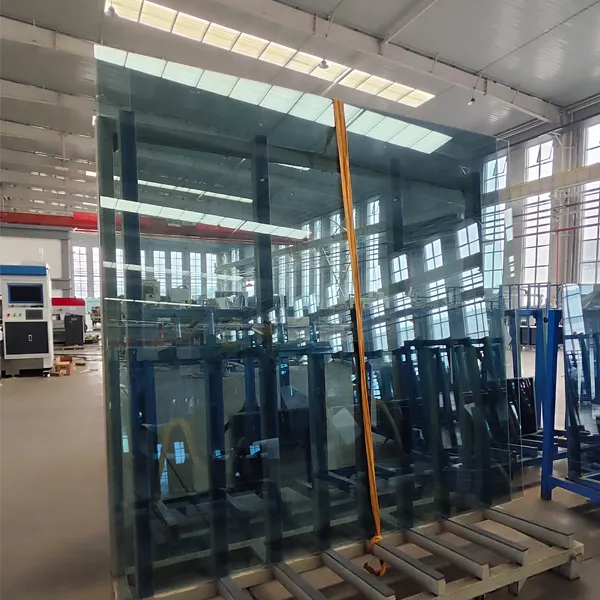
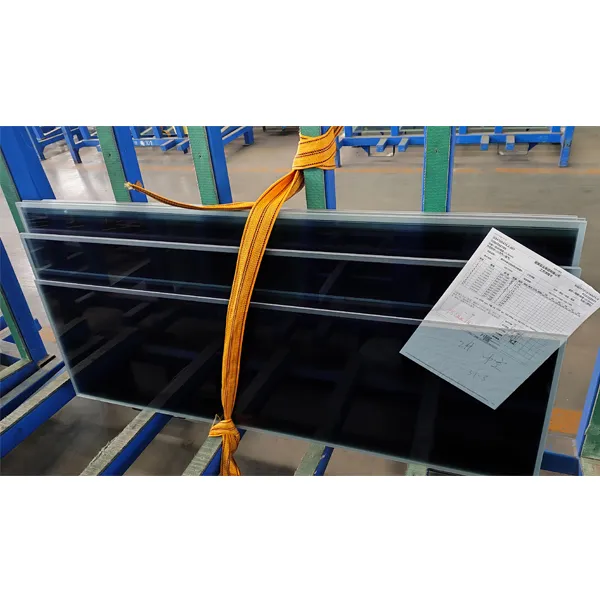
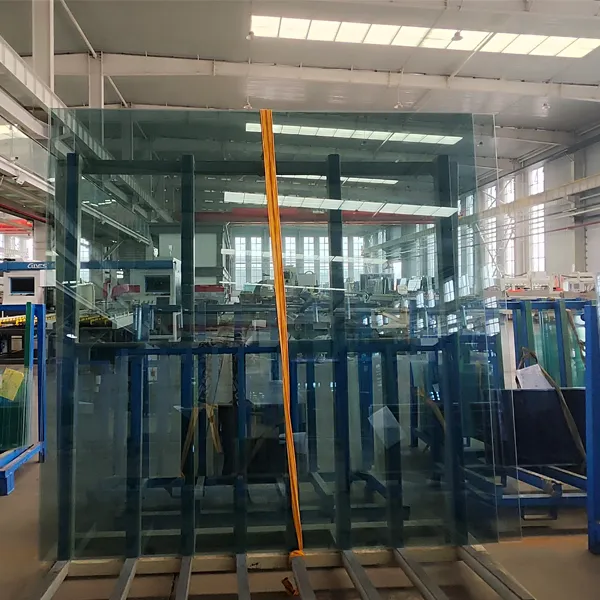
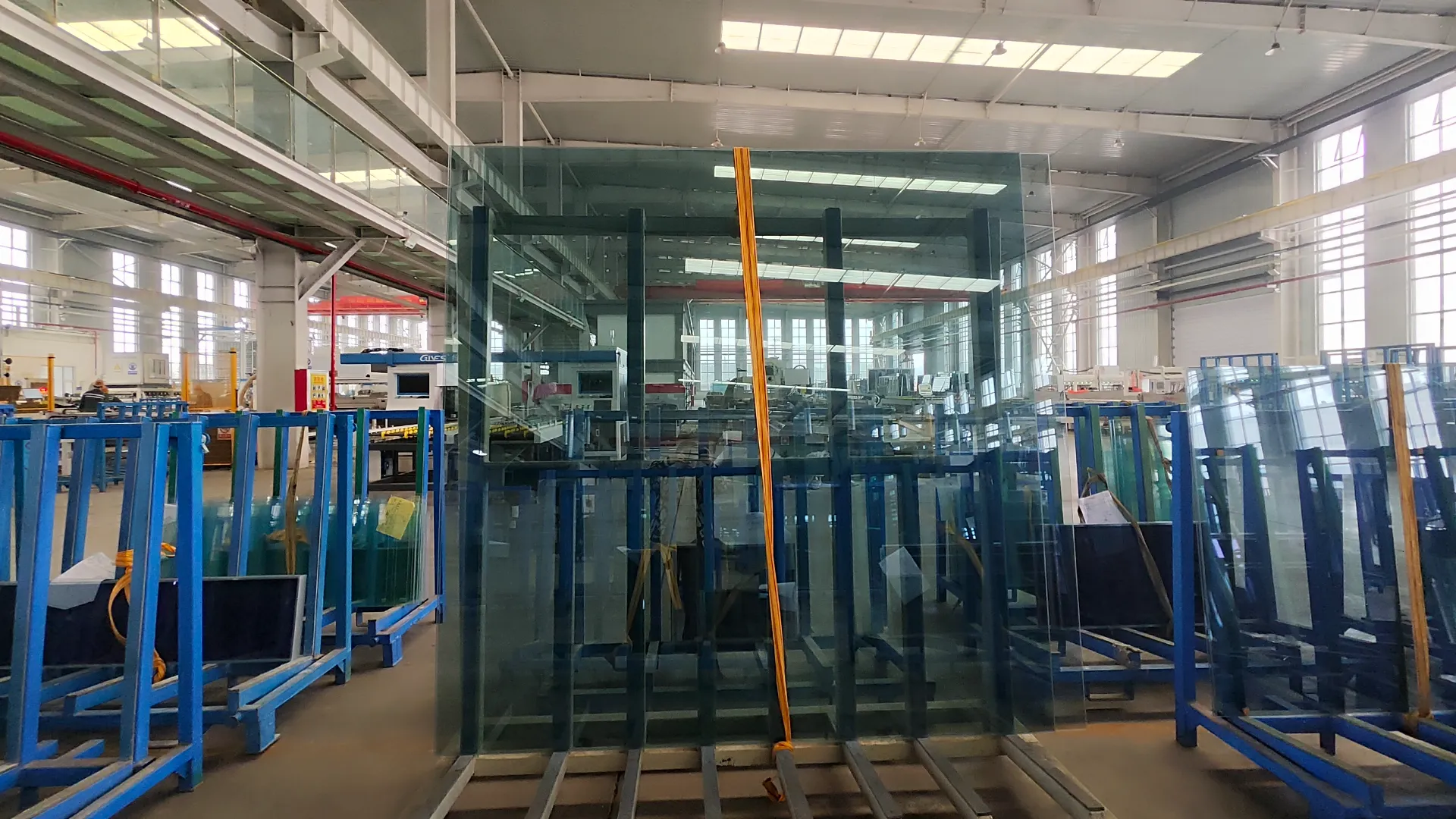
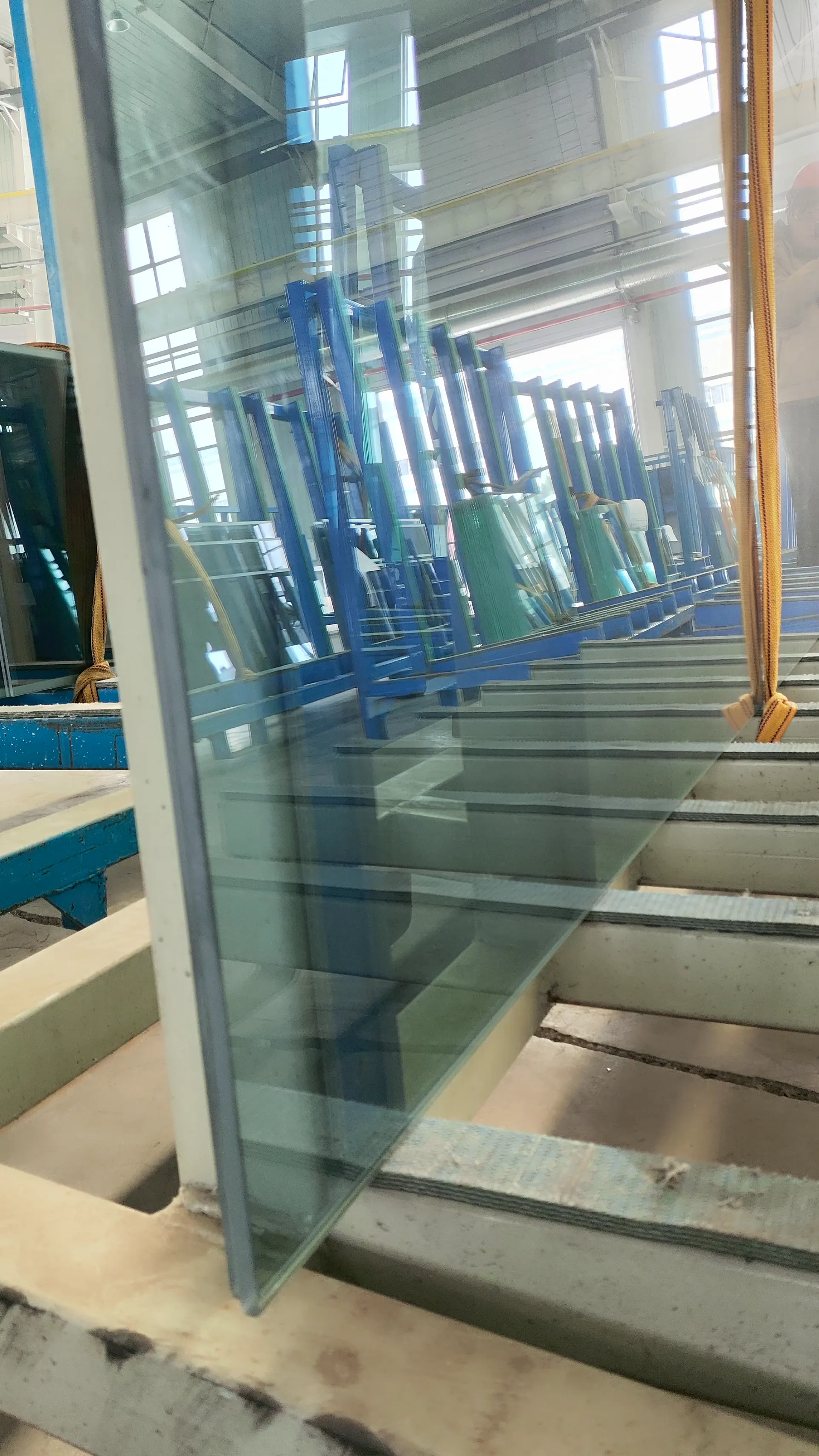
Tempered glass for doors and windows is a type of safety glass whose performance is enhanced through physical or chemical treatment of ordinary flat glass. Physical tempering involves heating ordinary glass to near its softening point (600–650℃), then rapidly cooling it with air (quenching), which forms uniform compressive stress on the glass surface and tensile stress inside. This stress state gives tempered glass high strength—its bending and impact resistance are 3–5 times higher than those of ordinary glass.
Chemical tempering, alternatively, uses ion exchange: alkali metal ions in the glass surface layer are exchanged with those in molten salt, creating a compressive stress layer on the glass surface.
When tempered glass breaks, it shatters into small, non - sharp fragments, greatly reducing the risk of injury to humans. This meets the requirements for building safety glass.
Applications of Tempered Glass for Doors and Windows
- Building doors and windows: Widely used in doors and windows of residential, commercial, and office buildings. It not only meets lighting needs but also ensures safety, preventing injuries caused by glass breakage due to external impacts or temperature changes. For example, tempered glass in exterior windows of high - rise residences can withstand harsh weather like strong winds and hailstorms, while tempered glass in floor - to - ceiling doors and windows of commercial buildings can endure collision risks from high foot traffic.
- Sun-rooms: Sun-rooms require large areas of glass for sufficient lighting. Tempered glass, with its high strength and safety, can withstand thermal expansion and contraction stresses caused by seasonal temperature changes, as well as external forces like strong winds and snow, ensuring the safety and stability of the sunroom.
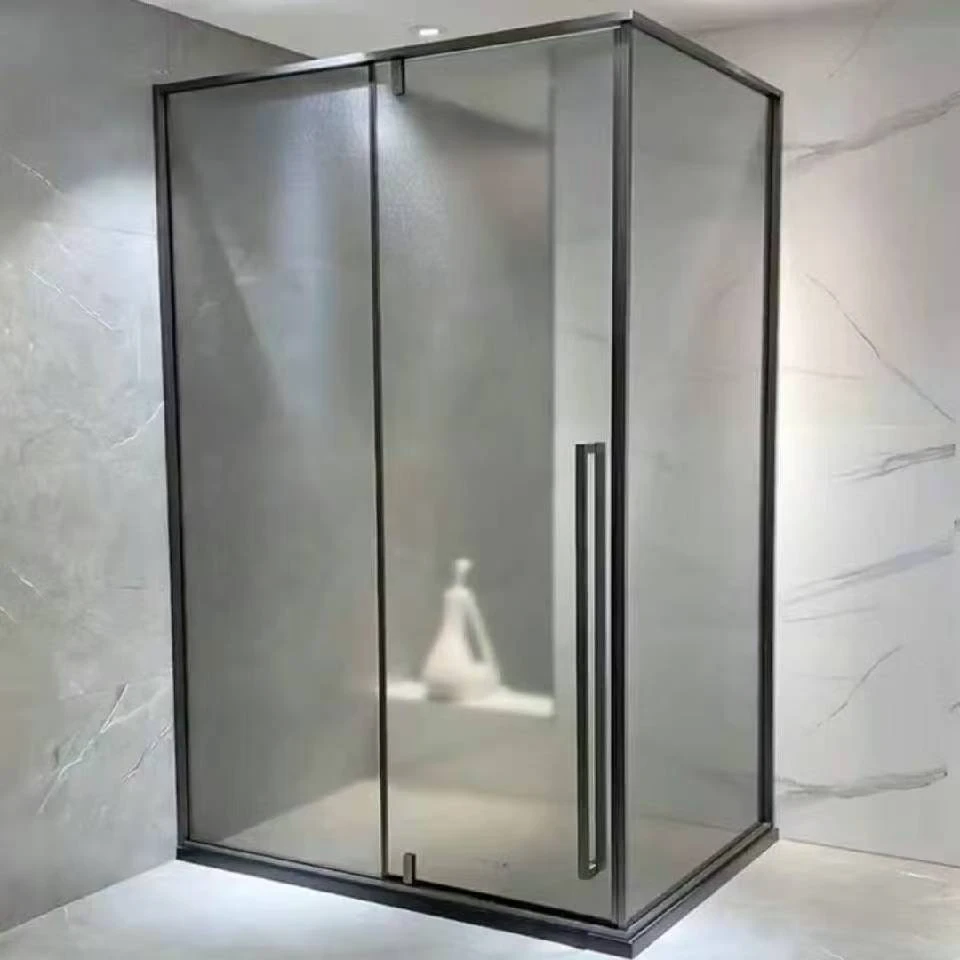
- Indoor partitions: Used for dividing interior spaces, such as office partitions or separations between living rooms and dining areas. Tempered glass’s high light transmittance maintains spatial transparency, while its safety features prevent injuries from accidental breakage.
- Skylights: Tempered glass in building skylights can resist impacts from falling objects like hailstones, ensuring the skylight’s normal operation and personnel safety. It also has good thermal insulation, reducing indoor heat loss or excessive heat gain.
Tempered Glass for Sliding Door
Is Tempered Glass Good for Windows?
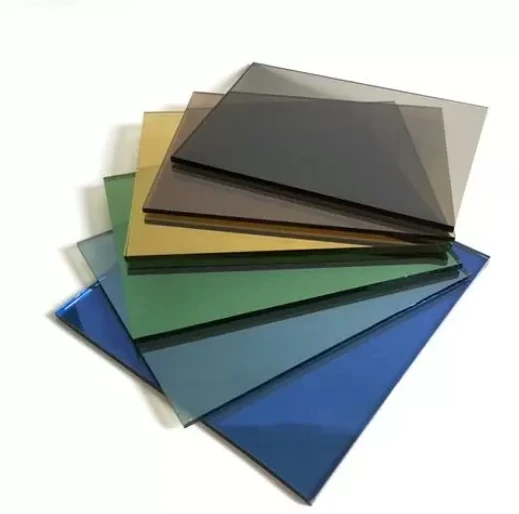
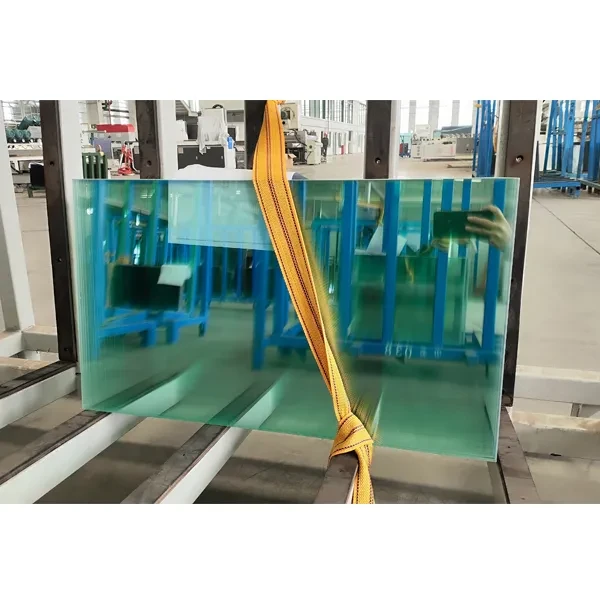
Yes, tempered glass is an excellent choice for windows due to its enhanced safety and durability. It is designed to withstand strong impacts, extreme temperatures, and environmental stress, making it ideal for both residential and commercial use. In case of breakage, it fragments into small, less hazardous pieces, reducing the risk of injury. Tempered glass also provides better resistance to scratches and wind pressure compared to standard glass. Its versatility allows for customization in thickness, tint, and coatings to improve energy efficiency and UV protection. Whether for large glass facades or standard windows, tempered glass offers reliability, security, and aesthetic flexibility.
Windows Tempered Glass Requirement
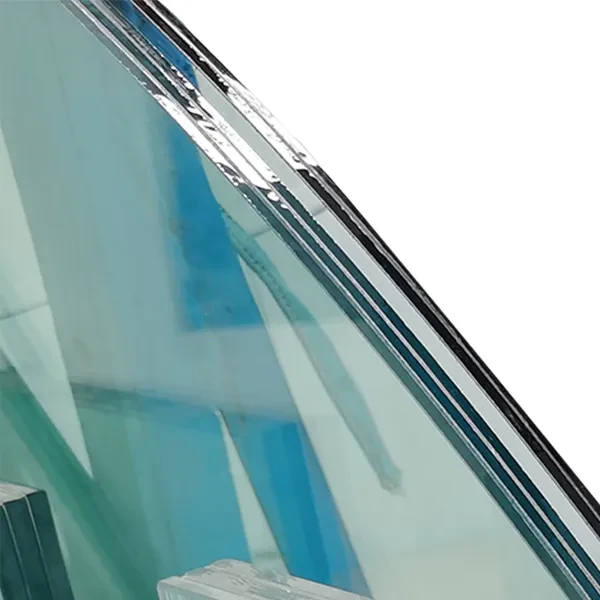
Tempered glass is often required for windows in specific locations to ensure safety, particularly in areas prone to human impact. Building codes typically mandate tempered glass for large windows, sliding doors, and glass near walkways or in bathrooms. The tempering process makes the glass up to five times stronger than standard glass, and its breakage pattern—small, granular pieces—reduces injury risks. Whether for high-rise apartments, commercial spaces, or residential homes, tempered glass windows provide peace of mind while meeting regulatory standards.