16 Oct 2025
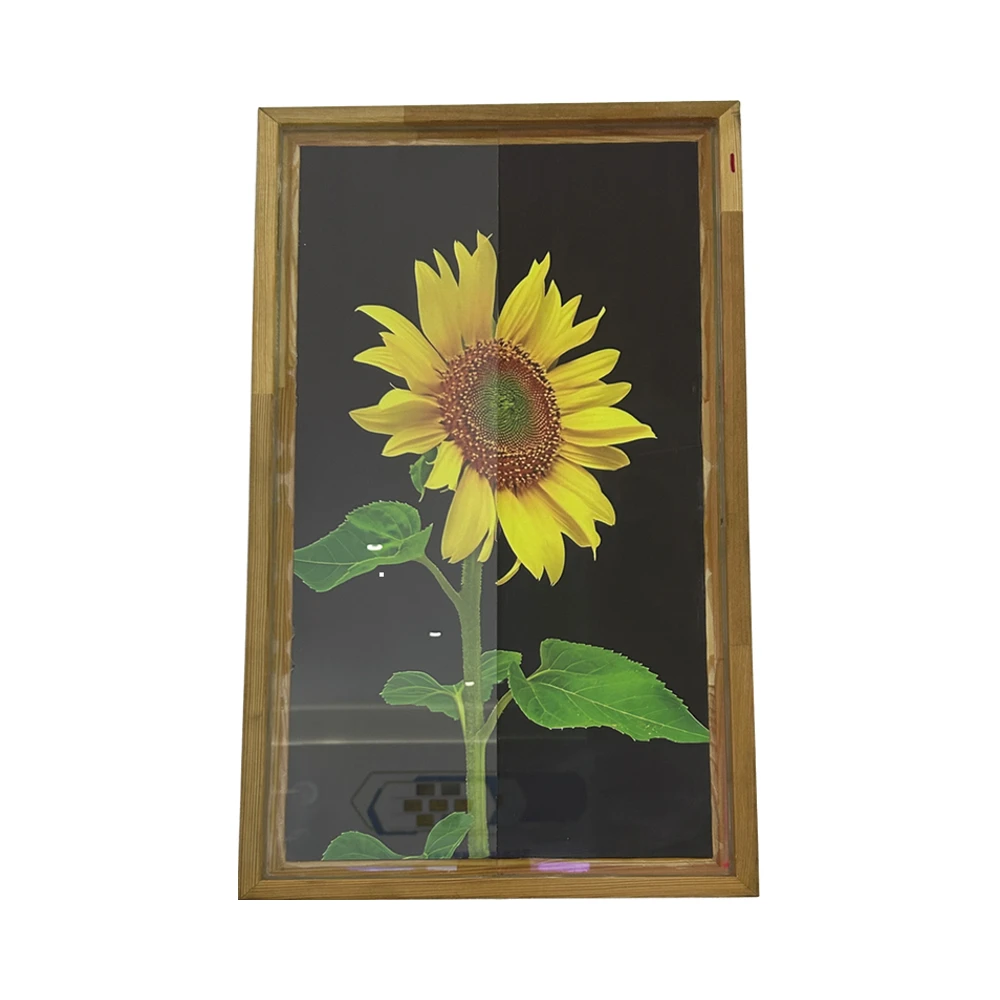
If you’ve ever watched rainbow light skate across a hotel lobby and wondered how they pulled that off, there’s a good chance it was holographic glass. I’ve seen it in retail pop-ups in Shanghai and in a quiet museum stairwell in Milan—two wildly different vibes, same technology.
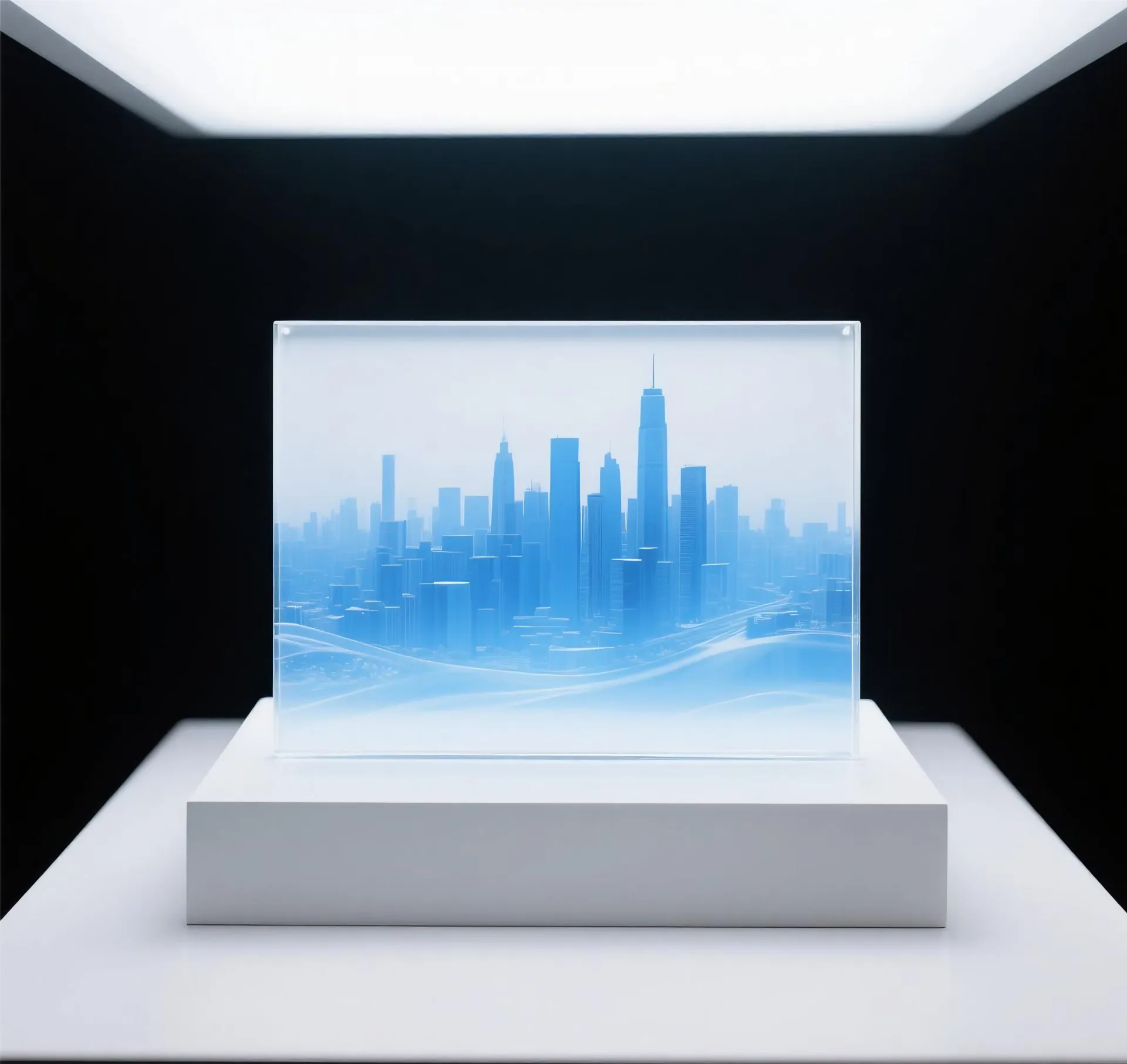
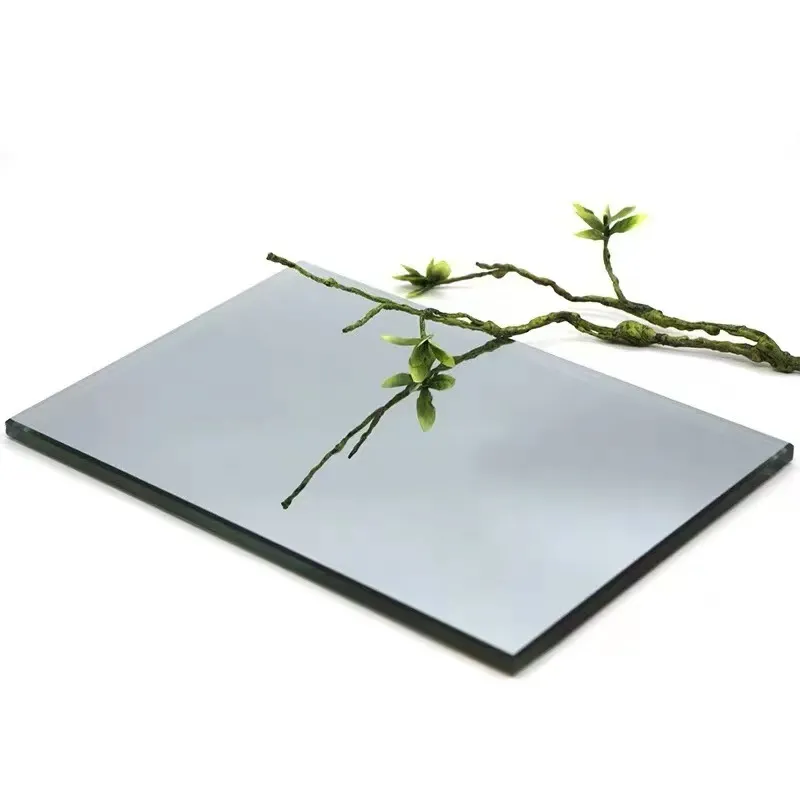
holographic glass—sometimes called polyhologlass—is essentially laminated glass with a transparent diffraction (holographic) film sandwiched between layers. It was first introduced in Taiwan and, to be honest, it’s moved fast from “niche art glass” to mainstream architectural feature. Many customers say it’s the sweet spot between statement piece and practical safety glass.
| Substrates | Clear/low-iron tempered glass laminated with EVA or PVB + PET holographic film |
| Thickness (overall) | ≈ 6–12 mm common; custom up to 21 mm |
| Max sheet size | ≈ 2400 × 3600 mm (real-world use may vary by kiln/autoclave) |
| Visible transmittance | ≈ 70–88% (depends on film density and color) |
| UV blocking | ≈ 95–99% with PVB/EVA interlayers |
| Impact safety | Meets laminated glass norms (e.g., EN 12600 2B2/3B3, ANSI Z97.1 Cat A) when specified |
| Service life | Indoor ≈ 10–20 years; protected exterior edges ≈ 8–15 years |

Origin matters, too: production I toured in Yushui Economic Development Zone, Shahe City, Hebei, China, has dialed in consistency—surprisingly clean color across batches.
Advantages? holographic glass diffuses natural light, blocks UV, and keeps fragments bound if broken—form and function in one layer cake. Maintenance is basically standard glass care (no abrasives on coatings, obviously).
| Vendor | Certs (indicative) | Thickness | MOQ | Lead time | Customization |
|---|---|---|---|---|---|
| Wangmei (Hebei) | ISO 9001; EN 14449; ANSI Z97.1 (project-based) | 6–21 mm | ≈ 20 m² | 12–20 days | Patterns, logos, gradients |
| Regional Fabricator A | EN 12600; ASTM C1048 | 8–15 mm | ≈ 30 m² | 3–5 weeks | Limited colors |
| Design Studio B | Project-tested only | 6–12 mm | Small-batch | 4–8 weeks | Art-grade, bespoke films |
Our recent panels (1.52 mm PVB + PET film) achieved EN 12600 2B2 on 8.76 mm builds; spectro reads came back with 82% VLT on low-iron. Customers say glare is lower than expected, and, actually, privacy improves at off-angles. For compliance, specify laminated safety per ISO 12543/EN 14449 and ensure local code alignment with ANSI Z97.1 or EN 12600.
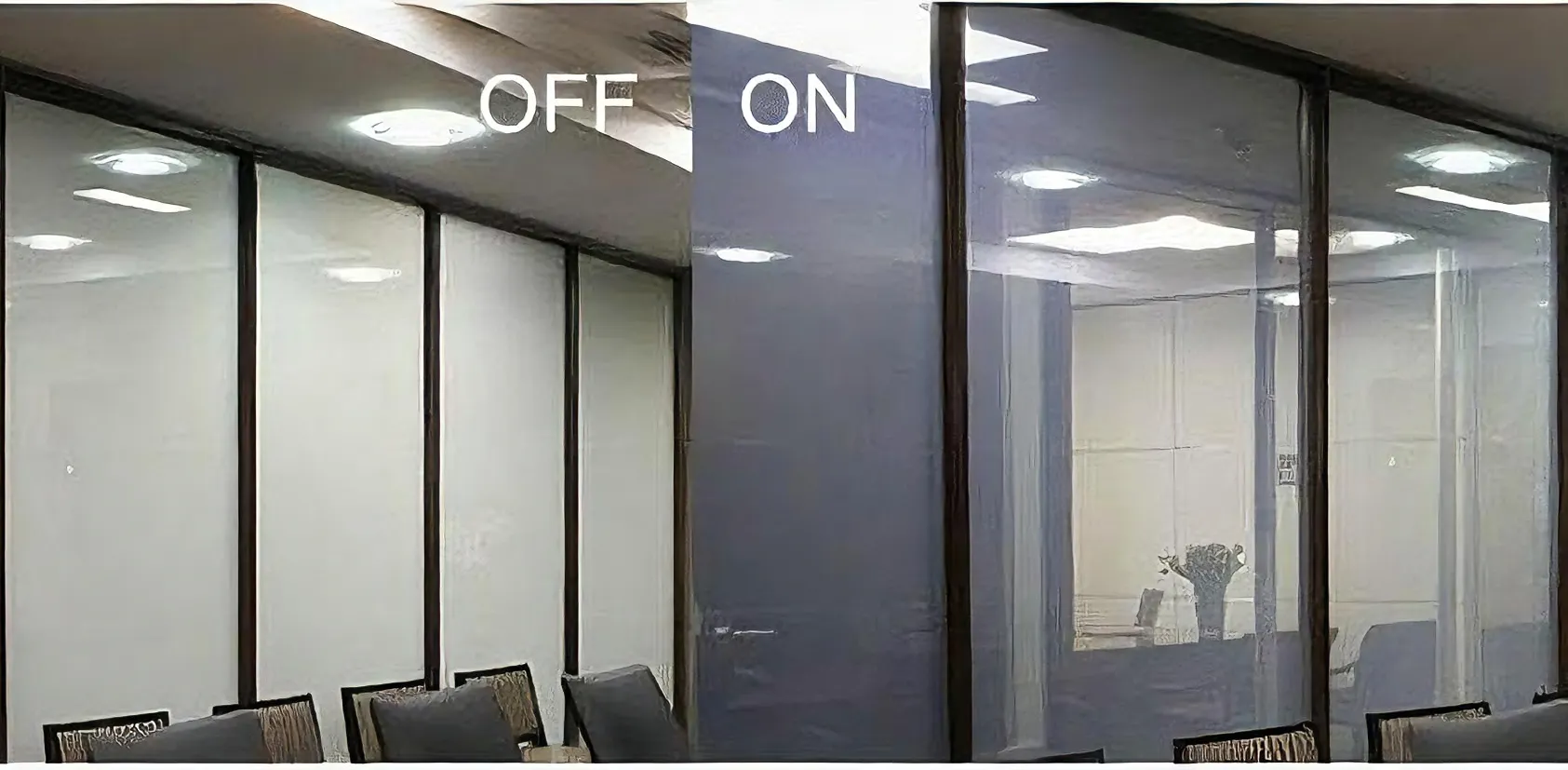
Use holographic glass when you want light to do the storytelling—without sacrificing safety. And, I guess, to make your photographer very happy.