10 Oct 2025
In the demanding landscape of modern architecture, renewable energy, and display technology, the demand for materials that offer unparalleled clarity and superior light transmission is paramount. Ultra Clear Float Glass, often referred to as low-iron glass, represents a significant advancement in glass technology. Unlike standard float glass, which exhibits a characteristic green tint due to its higher iron oxide content, ultra clear variants boast exceptional transparency, making them ideal for applications where visual fidelity and energy efficiency are critical. This material's unique composition minimizes light absorption and maximizes solar energy transmittance, enabling groundbreaking designs and enhanced performance across various industries.
Our focus is to provide B2B decision-makers and technical professionals with a comprehensive understanding of this advanced material, from its intricate manufacturing process and technical specifications to its diverse applications and strategic advantages. We will also delve into industry trends, vendor comparisons, and the extensive customization options available, ensuring our clients can make informed decisions tailored to their project's unique requirements.
The production of Ultra Clear Float Glass is a highly sophisticated process, building upon the foundational principles of traditional float glass manufacturing but with stringent control over raw material purity. The primary objective is to significantly reduce the iron oxide content, which is responsible for the greenish hue in standard glass.
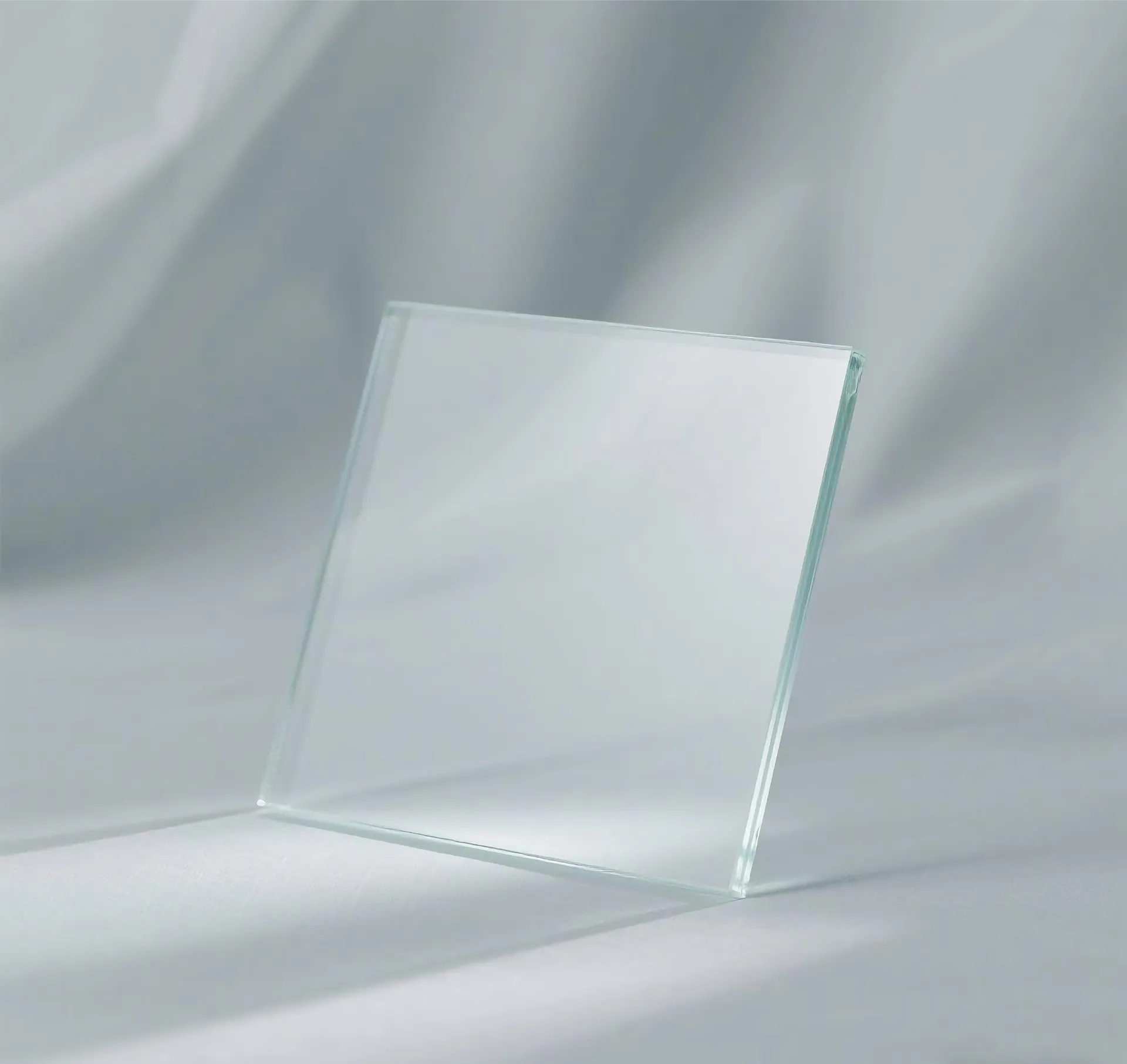
Figure 1: Illustration of the glass manufacturing process emphasizing clarity.
Our Ultra Clear Float Glass undergoes rigorous testing to comply with international standards such as ISO 9001 for quality management, ASTM C1036 for architectural flat glass, and EN 572-2 for basic soda-lime silicate glass. These standards ensure dimensional accuracy, optical quality, and mechanical strength. With proper installation and maintenance, the service life of Ultra Clear Float Glass in typical applications can exceed 30 years, demonstrating exceptional durability and resistance to environmental degradation.
Ultra Clear Float Glass is critical in industries demanding optimal light transmission and visual clarity. Key sectors include:
In these scenarios, the low iron content not only minimizes the green tint but also improves the overall spectral performance, leading to superior light quality and reduced energy consumption for lighting and heating/cooling.
The superior performance of Ultra Clear Float Glass is quantified by several critical technical parameters. Understanding these specifications is essential for engineers and designers to ensure optimal product selection for their specific application requirements.
| Parameter | Unit | Typical Value (3.2mm thickness) | Description |
|---|---|---|---|
| Visible Light Transmittance (VLT) | % | ≥ 91.5 | Measures the percentage of visible light passing through the glass. |
| Solar Energy Transmittance (Tsol) | % | ≥ 91.0 | The proportion of total solar energy transmitted through the glass. Crucial for solar applications. |
| UV Transmittance (Tuv) | % | ~ 65.0 - 70.0 | Percentage of ultraviolet radiation passing through. Can be further reduced with coatings. |
| Visible Light Reflectance (VLR) | % | < 8.0 | The proportion of visible light reflected by the glass surface. Lower values reduce glare. |
| Ferric Oxide Content (Fe2O3) | % | < 0.015 | Crucial for optical clarity; significantly lower than standard glass (>0.1%). |
| Thermal Conductivity | W/(m·K) | ~ 0.98 | Rate at which heat passes through the material. |
| Density | kg/m³ | ~ 2500 | Weight per unit volume. |
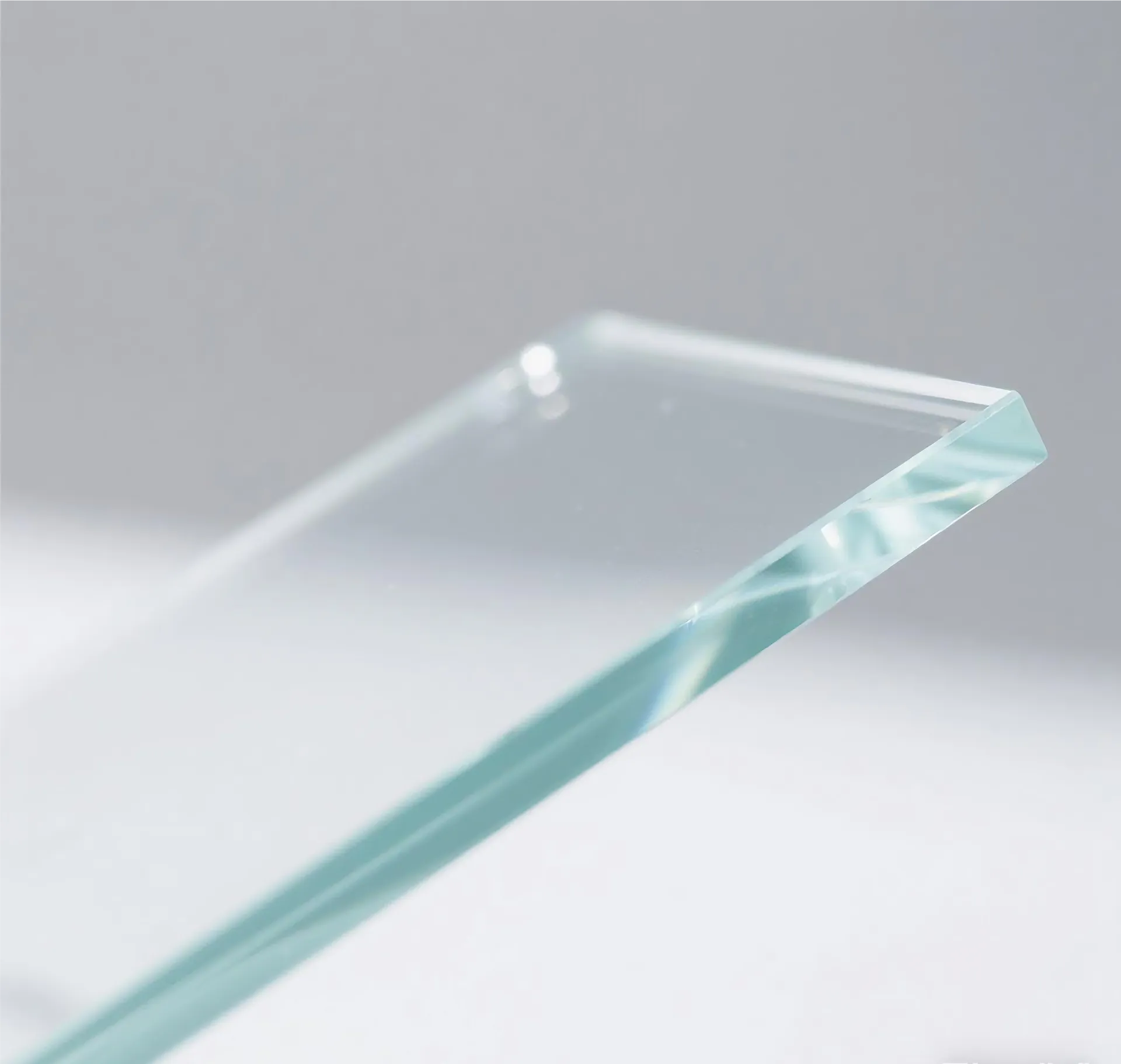
Figure 2: Ultra Clear Float Glass panels in a high-clarity application.
The market for Ultra Clear Float Glass is experiencing robust growth driven by several macro trends. Sustainable architecture and the global push for renewable energy are primary catalysts. As building codes become stricter regarding energy efficiency and daylighting, demand for high-performance glazing, including low-iron options, is escalating. Furthermore, the rapid expansion of the solar energy sector, particularly in PV module manufacturing, underpins a significant portion of the market, as these glasses are critical for maximizing module efficiency.
Technological advancements are also playing a crucial role. Innovations in anti-reflective (AR) coatings further enhance the light transmission properties of Ultra Clear Float Glass, making it even more attractive for solar and display applications. The development of self-cleaning coatings (hydrophilic or hydrophobic) also adds significant value, reducing maintenance costs and improving long-term performance in outdoor installations. The trend towards larger glass formats and complex shapes in architectural design also pushes the boundaries of manufacturing capability and customization.
The distinct technical advantages of Ultra Clear Float Glass stem primarily from its reduced iron content, which translates into superior optical and energy performance.
| Feature | Standard Float Glass | Ultra Clear Float Glass |
|---|---|---|
| Iron Content (Fe2O3) | ~0.1% - 0.15% | <0.015% |
| Visible Light Transmittance (3.2mm) | ~86-88% | ≥91.5% |
| Solar Energy Transmittance (3.2mm) | ~83-85% | ≥91.0% |
| Color Tint | Noticeable green tint, especially on edges | Virtually colorless, crystal clear |
| Applications | General glazing, basic windows, mirrors | Solar panels, high-end architecture, displays, greenhouses |
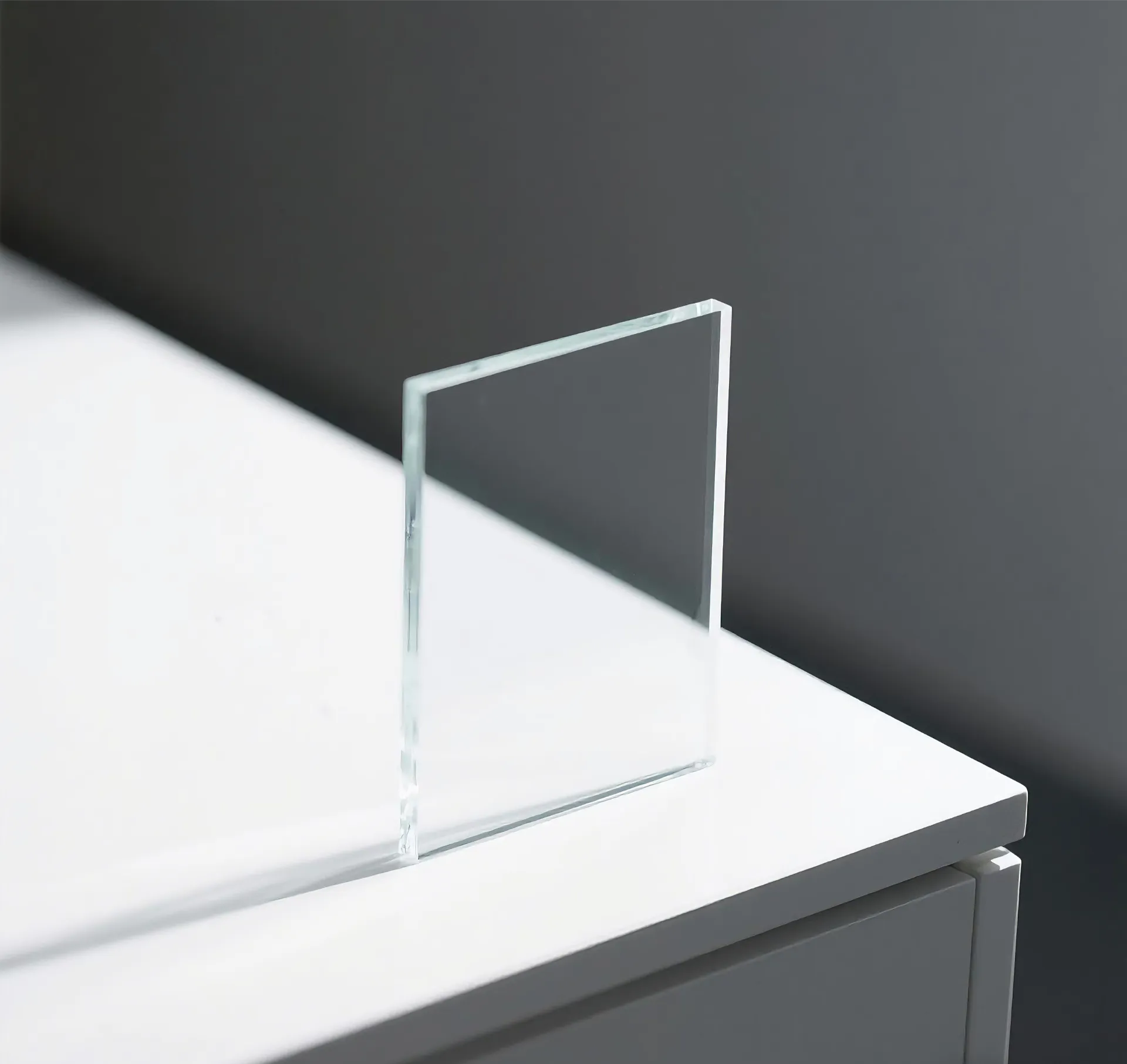
Figure 3: Exemplary transparency of Ultra Clear Float Glass in a facade.
Choosing the right vendor for Ultra Clear Float Glass is crucial for project success. While many suppliers offer this product, differentiation lies in manufacturing consistency, adherence to international standards, customization capabilities, and post-sales support. We distinguish ourselves through:
Our Ultra Clear Float Glass has been successfully integrated into numerous high-profile projects worldwide, demonstrating its superior performance and versatility.
A major solar energy developer in the Middle East deployed our 3.2mm Ultra Clear Float Glass with an anti-reflective coating for their 100MW PV power plant. The high solar transmittance (exceeding 93% with coating) resulted in an estimated 3-5% increase in energy yield compared to standard glass PV modules. The client reported, "The optical clarity and enhanced energy capture of their low-iron glass were critical to achieving our ambitious efficiency targets and ensuring a rapid return on investment." This project showcased the significant energy-saving potential and long-term durability of our glass in harsh desert environments.
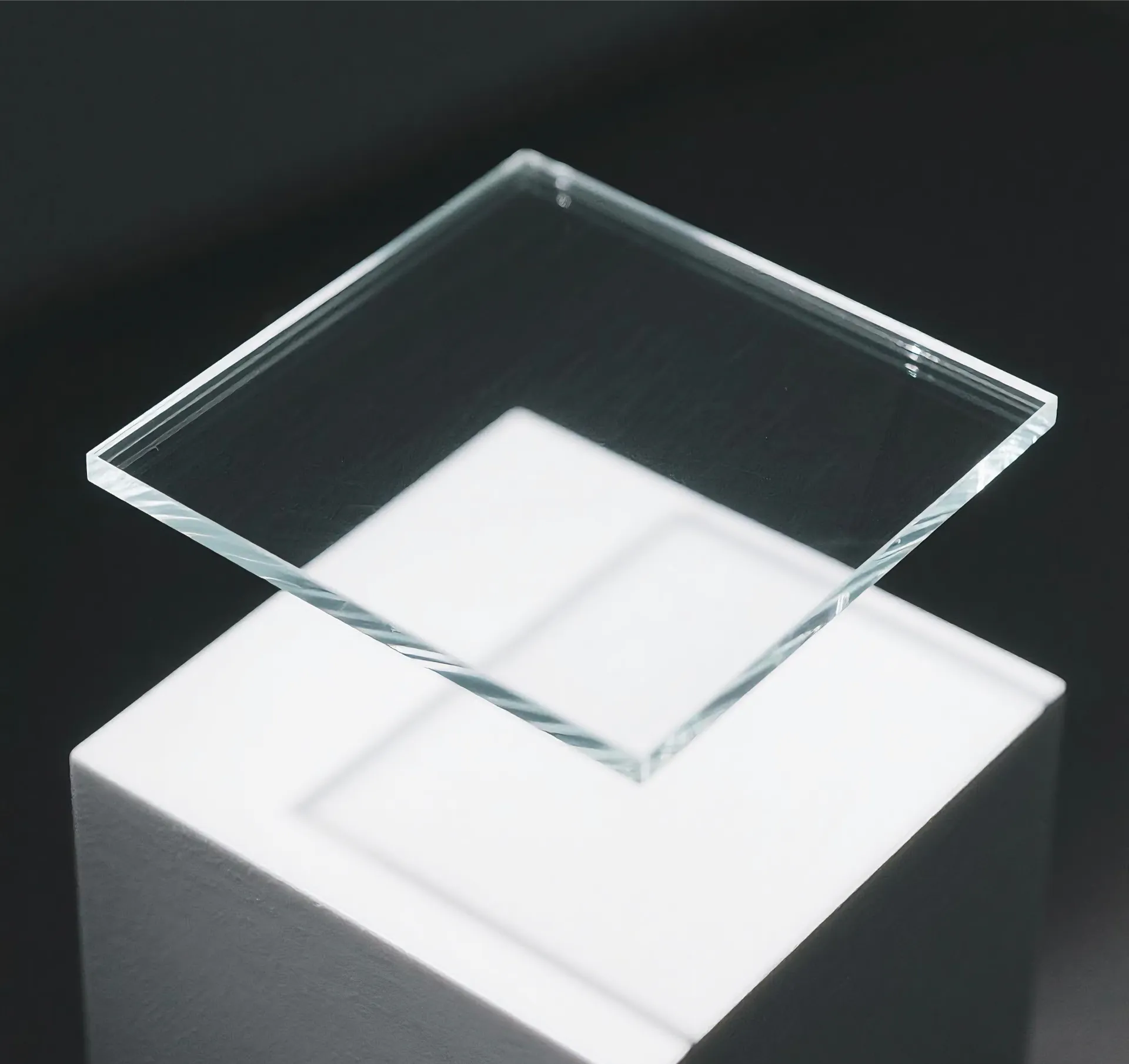
Figure 4: Solar panels utilizing Ultra Clear Float Glass for maximum efficiency.
For a prestigious national museum renovation, our 6mm laminated Ultra Clear Float Glass was selected for all display cases and sensitive exhibit glazing. The objective was to provide maximum visual clarity and protection from UV degradation for priceless artifacts. The glass's low iron content ensured true color representation of the exhibits, while the laminated structure offered enhanced security and acoustic insulation. Our UV-blocking interlayers further mitigated the risk of fading, demonstrating excellent corrosion resistance against environmental factors and preserving the integrity of the exhibits. A curator commented, "The clarity is astounding; it feels as if there's no glass at all, allowing visitors an unhindered view while providing superior protection against UV damage and potential impacts."
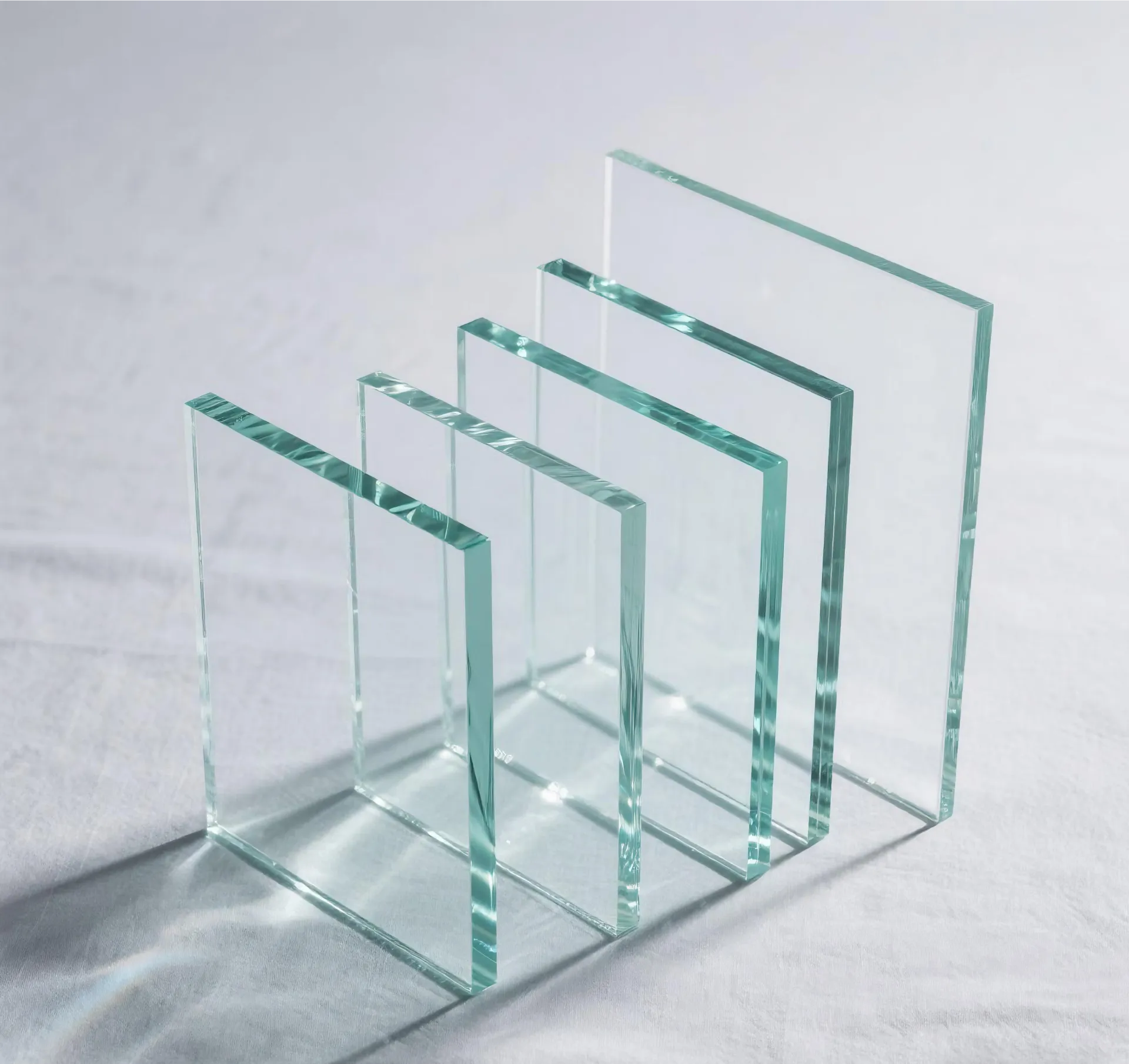
Figure 5: Precision cut Ultra Clear Float Glass for specialized applications.
We stand behind the quality of our products with a comprehensive warranty program. All Ultra Clear Float Glass products come with a 5-year limited warranty against manufacturing defects and visible degradation of optical properties under normal usage conditions. Our dedicated customer support team is available to assist with technical queries, order tracking, and any post-delivery issues, ensuring a seamless experience from inquiry to installation and beyond. Contact us for detailed warranty terms.
Ultra Clear Float Glass is not merely a component but a strategic investment for projects demanding superior optical performance, enhanced energy efficiency, and uncompromised aesthetic appeal. Its low iron content and precise manufacturing process deliver unparalleled transparency and light transmission, making it the preferred choice for forward-thinking architects, solar developers, and product designers. We are committed to delivering high-quality, customized glass solutions that meet the evolving needs of global industries, backed by rigorous quality control and exceptional customer support.