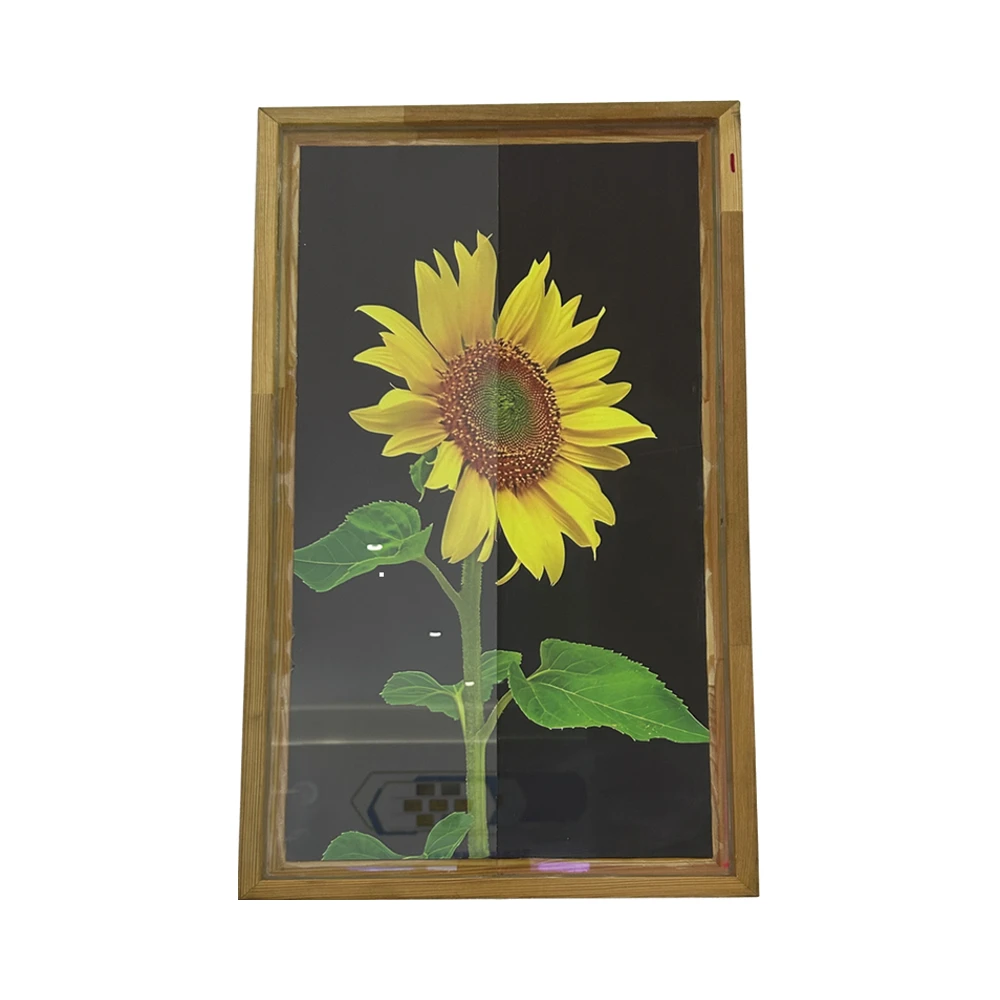
Beveled low e glass might sound like technical jargon from a glass factory, but honestly, it’s a game-changer in building design, energy conservation, and even humanitarian construction. Across the globe, as millions seek to reduce energy waste or improve housing resilience, understanding how this type of glass works and why it’s important is becoming key. In simple terms, beveled low e glass combines the aesthetic appeal of beveled edges with the exceptional heat control properties of low emissivity coatings — offering a smarter, cleaner way to insulate windows without sacrificing style.
From dense urban areas combating climate change to remote regions needing durable, cost-effective construction materials, beveled low e glass plays a unique role. According to the International Energy Agency, buildings are responsible for nearly 40% of global energy consumption, much of it through inefficient windows that let heat out or in. Low emissivity (“low e”) coatings reduce this unwanted heat transfer dramatically. When paired with beveled designs—those slanted edges that add charm and help refract sunlight skillfully—you get glass that not only cuts costs but also elevates comfort and architectural beauty.
Oddly enough, while we've long focused on insulation in walls and roofs, window tech like beveled low e glass is catching up as one of the smartest investments for sustainable architecture worldwide.
In the simplest terms, beveled low e glass is a type of energy-efficient glass panel with two distinct features:
Put together, these features make windows not just functional shields against weather, but also components that contribute to greenhouse gas reduction and improved occupant wellbeing—two major humanitarian goals in modern construction.
The low e coating is designed to limit thermal radiation through the window. By cutting down heat transfer, this glass reduces reliance on heating and cooling systems—translating into lower energy bills and carbon footprints. For industries and homeowners alike, this efficiency pays off.
The beveled edges add a sophisticated, timeless look. This is especially appreciated in heritage building restorations or luxury residential projects, where window appearance is paramount. The beveling also subtly bends sunlight, creating interesting light patterns indoors.
Most beveled low e glass is tempered or laminated, improving strength. This makes it more resistant to breakage or damage during transportation and installation—a factor that can’t be overlooked when working in harsh or disaster-prone environments.
By improving thermal insulation, these glass types reduce fossil fuel consumption indirectly, aligning with UN Sustainable Development Goal 7 on affordable and clean energy. They also often have recyclable components, enhancing circular economy values.
The initial investment can be higher than regular glass, but lifecycle savings and aesthetic benefits typically offset this. Plus, many governments offer incentives for installing energy-efficient windows that include beveled low e glass.
Beveled low e glass has found its way into numerous practical applications:
If you’re curious about specific product variations, here’s a quick overview.
| Specification | Standard Product | Premium Product |
|---|---|---|
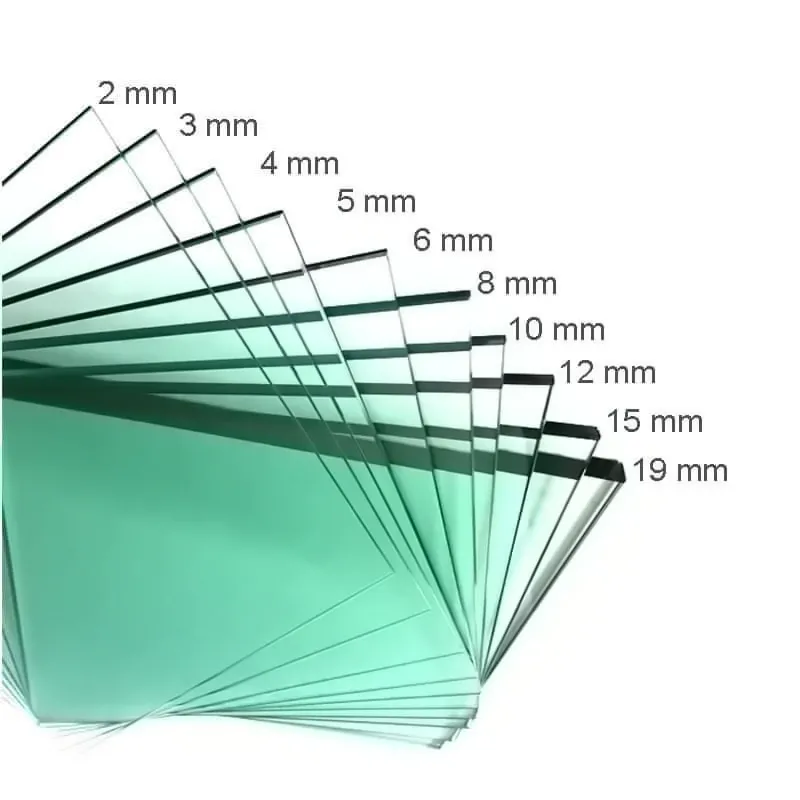
| Thickness | 6 mm | 8 mm |
| Low E Coating Type | Pyrolytic (Hard Coat) | Sputtered (Soft Coat) |
| U-Value (W/m²K) | 1.2 | 0.9 |
| Visible Light Transmittance | 70% | 65% |
| Bevel Width | 20 mm | 30 mm |
| Vendor | Global Reach | Customization Options | Typical Lead Times | Sustainability Credentials |
|---|---|---|---|---|
| Wangmei Glass | Asia, Europe, N. America | Full bevel range, coatings | 4-6 weeks | ISO 14001 certified, eco-packaging |
| ClearEdge Glass | Europe, Australia | Limited bevel profiles | 6-8 weeks | Uses recycled glass input |
| EcoVista Windows | N. America, S. America | Custom tint/colors | 3-5 weeks | VOC-free coatings, sustainable sourcing |
OK, so why go through the effort and cost? Well, the benefits stack up pretty compellingly:
It feels good to recommend a product that aligns economics with emotion—that notion of safer, healthier, more dignified shelter for all.
Beveled low e glass technology isn’t standing still. Expect to see:
Such developments make the choice of beveled low e glass today a bit like investing early in a winning technology.
Of course, no product is perfect. Here are some common challenges and how experts address them:
Q: How does beveled low e glass compare to standard double-pane windows in energy savings?
A: Beveled low e glass often offers better thermal performance due to specialized coatings that reduce radiant heat transfer. While double-pane windows insulate through trapped air, adding low e technology can cut energy loss by an additional 30-50%, depending on climate.
Q: Can beveled low e glass be used in historic building renovations?
A: Absolutely. Its beveled edges complement traditional aesthetics, making it suitable for heritage sites. Plus, it improves energy performance without altering the building’s external appearance significantly.
Q: Is beveled low e glass suitable for tropical climates?
A: Yes. It helps in hot climates by reflecting infrared radiation, keeping interiors cooler and reducing air conditioning costs—especially when combined with shading and ventilation strategies.
Q: How long does the low e coating last?
A: Typically, coatings last the lifespan of the glass if installed correctly, often 10-20 years or more. Premature wear is rare unless subjected to harsh cleaning chemicals or physical damage.
With global energy demands rising and sustainability under the spotlight, beveled low e glass offers an elegant, effective answer. It’s a small detail that packs a big punch—enhancing buildings visually while delivering real-world savings and environmental benefits. Whether you’re a developer, architect, or an environmentally conscious homeowner, it’s worth exploring how this technology can serve your projects. For detailed specs, customization and to explore options, beveled low e glass suppliers like Wangmei Glass provide excellent support.
Let’s face it, in building materials, it’s rare to find something that balances tradition, innovation, and eco-consciousness so well.
Mini takeaway: Beveled low e glass is more than just decorative window glass—it's an investment in energy efficiency, durability, and sustainable living.
References:
2026-01-01
Large Antique Silver Mirror - Timeless Craftsmanship & Quality
2026-01-30
Enhance Your Home Decor with a Stunning Large Square Silver Mirror


If you are interested in our products, you can choose to leave your information here, and we will be in touch with you shortly.