Bronze and Silver Mirror: Tough Elegance in Industrial Equipment
Having spent over a decade in the industrial equipment arena, I’ve come across countless materials and finishes. Yet, bronze and silver mirror surfaces always intrigue me. They’re not just pretty faces — these mirrors carry a certain rugged grace and functional reliability that make them fascinating both in design and application.
If you’re like me, perhaps you wonder what makes bronze mirrors occasionally favored over the classic silver ones, or vice versa. Well, it partly comes down to the environment they’re exposed to and the life expectancy expected from them. Bronze mirrors, with their warm, earthy tones, often resist corrosion and blemishes in ways silver can't always manage — especially in coastal or industrial atmospheres where moisture and chemicals lurk.
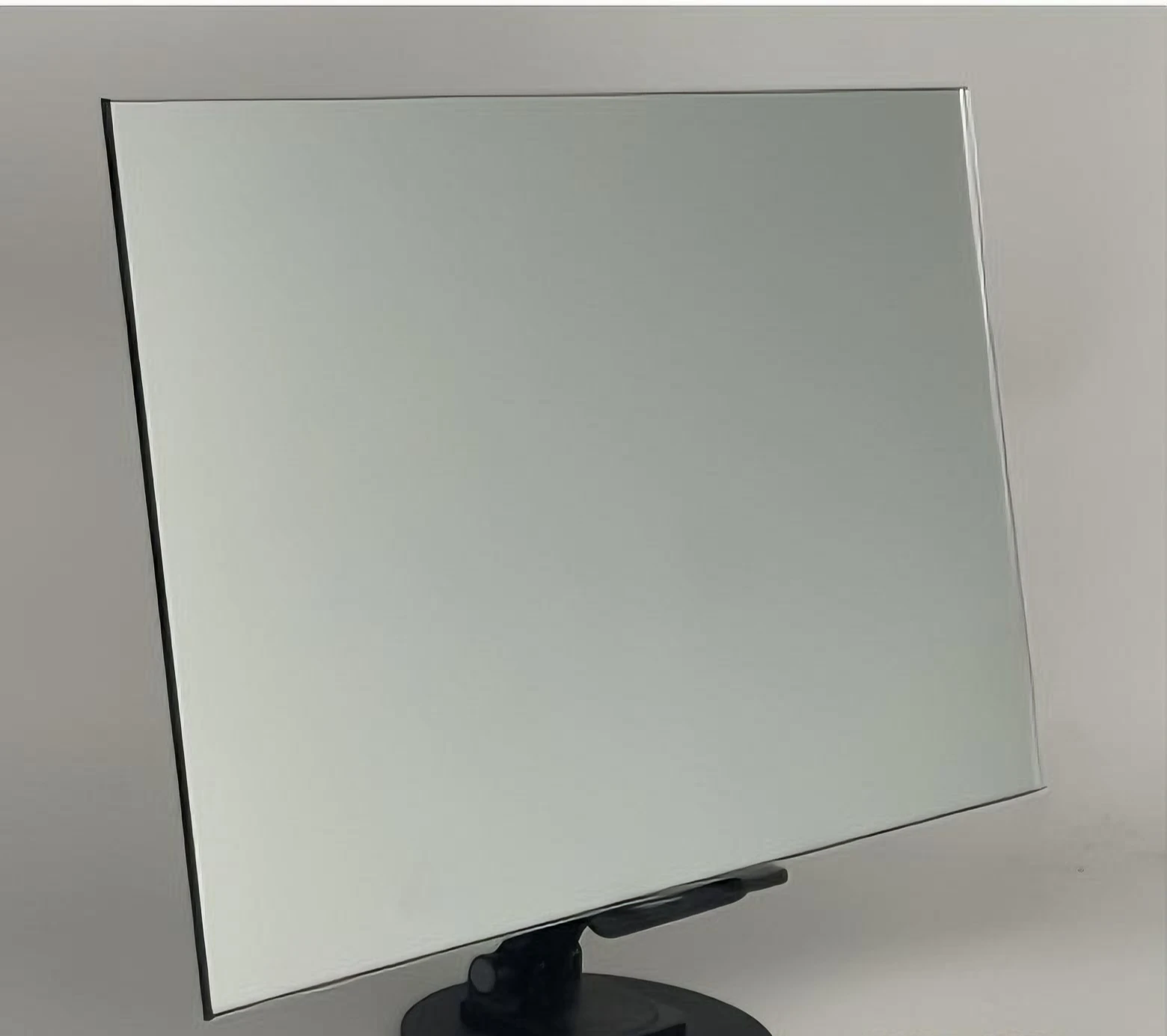
Silver mirrors, on the other hand, have this unmistakable crisp reflectivity that engineers love. They’re excellent for applications requiring precise optical clarity — think high-end inspection devices or machinery with tight tolerances. The silver backing delivers high reflectance, but it does demand a bit more care in hostile conditions, because silver tarnish creeps up on you faster than you’d expect.
I recall a client once who needed mirrors for a marine navigation system. Initially, they chose silver mirrors, but after a season battling salt spray, they switched to bronze. The difference? They said the bronze mirrors kept their integrity and finish far better, saving downtime and replacement costs — an unexpected but welcome benefit.
Of course, when selecting these mirrors, customization possibilities are key. Thickness, glass substrates, and anti-reflective coatings can all be tweaked to fit varied industrial needs. In real terms, a well-specified mirror can keep a system running smoother and longer — and that’s where the expertise of vendors matters.
Typical Product Specifications for Bronze and Silver Mirrors
| Feature |
Bronze Mirror |
Silver Mirror |
| Reflectance |
~50%-60% |
~90%-95% |
| Corrosion Resistance |
High |
Moderate |
| Surface Finish |
Warm, Brownish Tone |
Bright, Silvery Gloss |
| Typical Glass Thickness |
3 - 6 mm |
2 - 6 mm |
| Common Uses |
Outdoor, Marine, Architectural |
Precision Instruments, Interior Equipment |
Now, I won’t pretend all vendors are equal. Navigating the supply chain for these mirrors can be tricky. Here’s a quick vendor comparison that I’ve found useful, based on delivery consistency, customization options, pricing, and after-sales support.
Vendor Comparison for Bronze and Silver Mirrors
| Vendor |
Customization |
Delivery Time |
Price Range |
Technical Support |
| Wangmei Glass |
High — tailored thickness & coatings |
7-14 days |
Moderate |
Responsive, knowledgeable |
| Vendor B |
Standard options only |
14-21 days |
Low |
Limited support |
| Vendor C |
Moderate, some custom orders |
10-15 days |
High |
Professional support |
If you want the full package — customization, support, and steady lead times — companies like Wangmei Glass stand out in this space. Frankly, their portfolio of bronze and silver mirrors shows a deep understanding of industrial demands — something you can’t quite fake.
In closing, whether you lean towards the classic silver mirror for precision or the resilient bronze for harsh environments, knowing the nuances makes your spec sheets less of a guessing game. Oddly enough, it's often those small subtleties that keep machines humming and dashboards gleaming day after day.
So, next time you look at a mirror in an industrial setting, whether bronze or silver, take a moment—it tells a story of balance between aesthetics, durability, and engineering needs.
References
- Industry Materials Handbook, 2022 Edition
- Marine Equipment Durability Survey, 2020
- Wangmei Glass Product Catalog and Technical Data