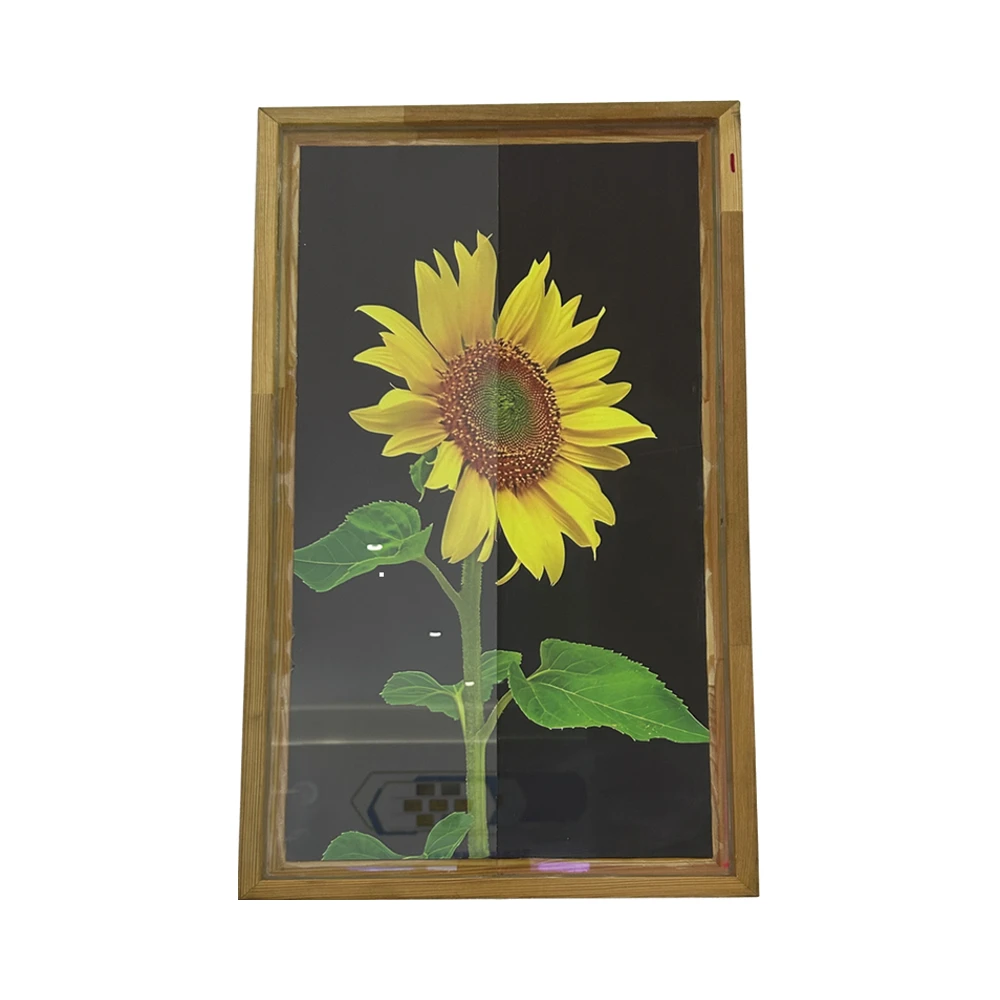
At first glance, a brown tinted glass window might seem like just another architectural detail, but its global relevance and benefits run far deeper than aesthetics. Beyond decorating modern facades, these windows play a significant role in energy conservation, glare reduction, and privacy enhancement worldwide. With the ongoing climate urgency and evolving building codes, understanding the technical and environmental advantages of brown tinted glass windows emerges as crucial for architects, builders, and homeowners alike.
Did you know that buildings consume nearly 40% of global energy according to the International Energy Agency (IEA)? A significant slice of that energy consumption is tied to heating and cooling, largely influenced by window performance. In this context, brown tinted glass windows act as a kind of unsung hero — they help regulate indoor temperatures by filtering sunlight, reducing reliance on air conditioning, and consequently cutting down CO2 emissions.
Reportedly, tinted glazing can reduce solar heat gain by 20-50%, depending on tint depth and glass quality. Countries with intense sunlight like Australia, the UAE, and parts of the USA particularly lean on tinted solutions to tackle soaring energy bills and climate comfort. Yet, the benefits transcend pure energy savings — privacy and visual comfort improvements also play into urban design trends, addressing challenges of high-density living.
Mini takeaway: Brown tinted glass windows serve a dual purpose globally — energy efficiency and enhanced occupant comfort — making them a practical choice in diverse climatic zones.
Simply put, a brown tinted glass window is a type of architectural glass that features a subtle brownish hue, produced by adding metal oxides or other materials during manufacturing. This tint acts as a filter, moderating what enters the building: filtering out harsh sunlight while still allowing natural light to preserve visual clarity. It is not just about color — the tint modifies the window's optical properties, including solar heat gain coefficient (SHGC) and visible light transmittance (VLT).
In modern construction and industrial applications, these windows offer a pragmatic balance: they shield interiors from excessive heat and UV radiation without sacrificing a warm, natural glow that clear glass lacks. In humanitarian contexts, say refugee shelters or medical facilities, brown tinted glass windows provide necessary privacy and temperature control, which can be literally lifesaving.
The adding of tints doesn't interfere with the glass’ structural integrity. In fact, quality tinted glass retains the strength of tempered or laminated options used in commercial construction. UV resistance prevents rapid aging and discoloration, which ensures these windows remain both beautiful and functional over years of exposure to sun, wind, and rain.
Brown glass windows are designed to lower solar heat gain, which is critical for reducing cooling loads. By selectively absorbing and reflecting infrared rays, they reduce glare and heat while preserving natural lighting. The warmth of brown tint minimizes visual strain compared to blue or green tints, making it popular in living and working spaces.
Aside from shading benefits, these windows are often paired with low-emissivity (Low-E) coatings to improve thermal insulation further. This combination creates a barrier that keeps heat inside when it’s cold and blocks unwanted heat during summer, trimming energy costs noticeably.
Thanks to their color depth, brown tinted glass offers moderate concealment from outside observers without sacrificing outward visibility. For office buildings, residential balconies, or hospital wards, this balance has real social and security implications.
While function drives their design, brown tinted windows exude an earthy sophistication that complements wood, brick, or concrete façades, making them a favorite in modern architectural projects aiming for warmth and subtlety.
Mini takeaway: When choosing brown tinted glass windows, prioritize durability, solar performance, insulation properties, privacy needs, and aesthetics to match your project’s real-world demands.
From bustling metropolitan hubs to quiet suburban homes, these windows have become central to diverse regional needs. In southern Europe and North America, they help homeowners combat scorching summers while maintaining comfortable indoor lighting. The commercial sector in Asia is integrating tinted glass to meet increasingly strict building codes for sustainability—as per ISO 14001 environmental management standards.
In developing countries, NGOs and governments incorporate brown tinted glass in modular housing schemes and hospitals, leveraging its ability to decrease energy demand drastically without driving up upfront costs. For instance, in tropical disaster relief housing, these windows help vulnerable communities manage heat and privacy, which directly improves well-being.
| Specification | Value/Range |
|---|---|
| Visible Light Transmittance (VLT) | 20% - 40% |
| Solar Heat Gain Coefficient (SHGC) | 0.25 - 0.45 |
| UV Rejection | Up to 99% |
| Thickness | 4mm, 6mm, 8mm options |
| Glass Type | Tempered / Laminated |
| Coatings Available | Low-E, Anti-reflective |
Speaking frankly, the immediate advantages boil down to lower energy consumption, which translates into direct cost savings on cooling bills. But it’s the intangible benefits that often linger longer in memory — the comfort of natural yet soft light bathing a room, the privacy shield without the need for blinds, and the sense of safety and permanence brown tint can offer a building tenant or staff user.
On sustainability, this windows’ contribution echoes loudly. The reduction in air conditioning demand shrinks a building’s carbon footprint. More so, brown tint glass can often be recycled at end-of-life, supporting cradle-to-cradle principles as demanded by ISO 14040 standards on lifecycle assessment.
Socially, it nudges innovation by helping architects and designers meet stringent building performance standards without sacrificing design creativity. And last but not least, it fosters trust: homeowners, offices, and public spaces feel a bit cooler, a bit safer — and that matters, doesn’t it?
Oddly enough, the future of tinted glass window tech feels like it’s dipping into science fiction. Smart glass with electrochromic capabilities can adjust tint strength based on sunlight intensity or user command. Imagine tinting windows darkening automatically on a sunny afternoon, then lightening up when clouds gather—all while conserving energy.
Nanotechnology is also making headway, embedding tiny particles to enhance UV protection or self-cleaning functions. Green energy integration is on the rise too, integrating photovoltaic elements directly into tinted glass surfaces to harvest solar power—marrying function and sustainability.
Policy-wise, more countries are setting ambitious net-zero targets that will push adoption of energy-saving window technologies, including brown tinted versions, into mainstream construction codes faster.
Of course, these windows aren’t a one-size-fits-all panacea. Some common issues include:
Nonetheless, advances in coating technology, better manufacturing standards, and custom tint calibration help to address these hurdles. Many engineers say combining tinted glass with smart shading solutions optimizes lighting and energy performance best.
On average, brown tinted glass windows can reduce solar heat gain by 20-50%, which can translate into 10-25% savings on cooling energy costs, depending on building orientation and climate. Paired with Low-E coatings, those savings increase.
They are, but care is needed to balance visible light transmission. In cold regions, choosing a lighter tint or adding insulating Low-E coatings ensures you don’t lose too much warmth or daylight during winter months.
Yes, most brown tinted glass can be recycled similarly to clear glass, provided it is separated properly and doesn't include certain coatings. Recycling supports lower embodied carbon in construction.
Brown tinted glass offers warmer light and better glare control versus blue or green tints, making it preferable for residential and office settings where cozy atmosphere and visual comfort matter.
Be mindful of shipping logistics, customs duties, certificate requirements like CE or ASTM, and compatibility with local building codes. Engaging vendors with export experience can simplify the process.
| Vendor | Product Range | Customization | Lead Time | Certifications | Pricing |
|---|---|---|---|---|---|
| Wangmei Glass | 4mm-10mm brown tinted, laminated, tempered | Color & thickness customization, coatings | 2-4 weeks | ISO 9001, CE, ASTM | Competitive |
| ClearVision Co. | Standard tinted palette, limited thickness | Minimal customization | 3-6 weeks | ISO 14001 | Mid-range |
| EcoTints Ltd. | Specializes in eco-friendly coatings | Extensive customization | 4-8 weeks | LEED, Cradle to Cradle | Premium |
So, what’s the bottom line? Brown tinted glass windows may seem like a niche design choice, yet they represent a smart, sustainable, and practical solution growing in importance. Their unique blend of energy-saving qualities, aesthetic warmth, and social benefits makes them an increasingly popular pick for projects worldwide. Whether you’re planning a cozy home, a cutting-edge office, or humanitarian shelter, these windows balance light, heat, and privacy with a quiet confidence that’s hard to beat.
Curious to explore more? Feel free to visit brown tinted glass window experts like Wangmei Glass to experience tailored solutions backed by quality and global shipping.
Until next time, keep an eye on your windows — the subtle heroes of modern architecture.

2024-04-26
The Strategic Cooperation Signing Ceremony between China Triumph International Engineering Group and Wangmei Group
2025-12-11
Gold and Silver Bathroom Mirror: Quality and Style Insights

2025-06-30
Wangmei's Products Passes German PHI Certification, Awarded Kangju Certification


If you are interested in our products, you can choose to leave your information here, and we will be in touch with you shortly.