In a world growing more conscious about energy use and sustainability, low e 270 glass emerges as a quiet hero. But what exactly is it, and why does it matter to industries and homeowners alike? Basically, it’s a type of glass designed to reduce heat transfer—helping buildings stay cooler in summer, warmer in winter, and ultimately, lowering energy bills. From tackling global climate challenges to improving everyday comfort, getting to know this glass is worth your time.
Worldwide, buildings account for roughly 40% of total energy consumption and 30% of greenhouse gas emissions, according to the International Energy Agency (IEA). That’s no small figure. Innovative glass technologies—like low emissivity (low e) glass specifically rated at 270 nm wavelength coatings—have emerged as a powerful tool to address this. The “270” refers to the exact spectral transmittance properties that balance natural light with heat control. In other words, it’s a carefully engineered solution crucial to cutting down energy waste and improving indoor climate.
Here’s the rub: many older windows let in too much heat during summer and let too much warmth escape in winter. That sends energy demands skyrocketing and costs along with it. Thus, using low e 270 glass aligns perfectly with global sustainability goals set by organizations such as the United Nations and ISO standards for energy efficiency.
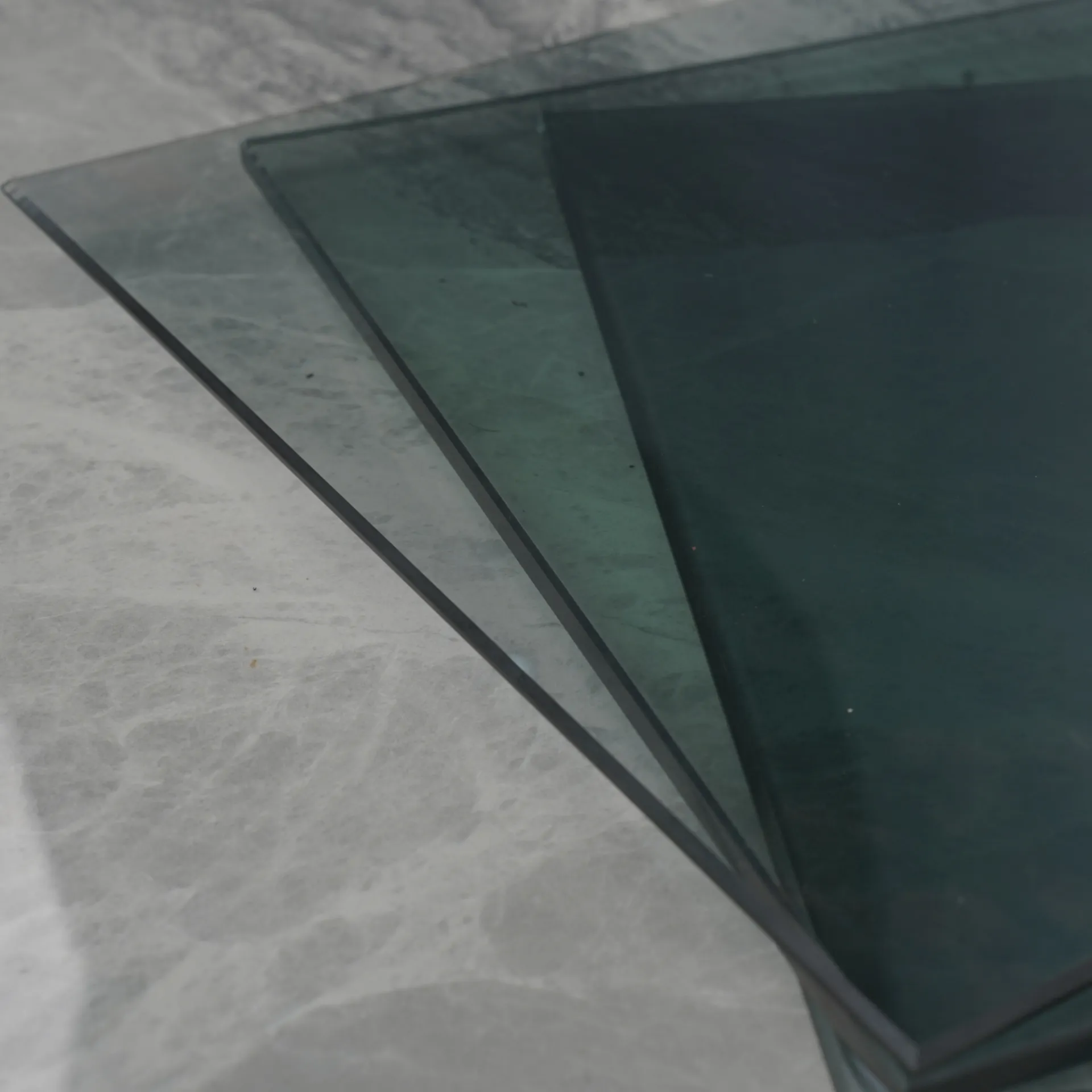
At its core, low e 270 glass is a type of glass coated with ultra-thin layers of metallic oxides that selectively reflect infrared light while allowing visible light to pass through. The "270" in the name points to its specific spectral property designed to optimize performance. Unlike conventional glass, it minimizes heat gain from outside during hot seasons and prevents heat loss indoors during cold periods.
This technical but elegant property has become vital, especially in modern architecture and humanitarian contexts—think of rapidly deployable shelters or green buildings aiming for net-zero energy use. This glass type helps maintain comfortable interior temperatures while reducing reliance on active heating and cooling.
Low e coatings are developed to withstand weathering, scratching, and UV radiation. The 270 glass is typically tempered, which not only bolsters its strength but also enhances safety in case of breakage. So, practically speaking, it lasts and performs reliably even in harsh environments.
Whether you’re glazing a small residential window or a sprawling industrial complex, low e 270 glass can be produced in various sizes and thicknesses. Manufacturers typically offer customizable options depending on the project requirements, supporting both retrofit and new builds.
Initial investment may be somewhat higher than standard glass, but the savings on HVAC costs and energy use often pay off over time. Plus, many regions now offer incentives or rebates for energy-efficient building materials, which reduce upfront expenses.
Lower energy consumption means fewer fossil fuels burned and less carbon dioxide emitted. Thus, using low e 270 glass supports climate change mitigation efforts and aligns with eco-conscious building certifications such as LEED.
Besides energy savings, this glass lets in ample natural daylight with minimal glare, improving occupant comfort. In offices or homes, this makes a tangible difference to wellbeing and productivity.
| Feature | Specification |
|---|---|
| Visible Light Transmittance | Around 70–75% |
| Solar Heat Gain Coefficient (SHGC) | Approximately 0.27 |
| U-Value (Thermal Transmittance) | ~1.0 W/m²K |
| Thickness Range | 4–12 mm |
| Coating Type | Sputtered metallic oxide low e coating |
Mini takeaway: Low e 270 glass blends impressive technical performance with practical durability and customizable options suitable for many building types.
This glass technology shines in a variety of settings around the world. In temperate climates, it’s a standard for energy-efficient homes and commercial buildings aiming to reduce climate control loads. For example, Scandinavian countries widely incorporate low e 270 glass to combat cold winters without sacrificing natural light.
In tropical areas, where cooling is a dominant concern, this glass helps manage solar heat intrusion effectively. Remote industrial zones employing solar-powered offices increasingly rely on low e glass to minimize energy usage.
Interestingly, NGOs involved in disaster relief have started specifying low e glass glazing for temporary or modular housing solutions. The rationale? Resistant, climate-adaptive materials that improve occupant comfort and safety while requiring minimal energy resources.
Mini takeaway: Whether in luxury skyscrapers or emergency shelters, low e 270 glass is making a meaningful difference globally.
From a social perspective, it’s about enhancing safety and dignity—something that’s often overlooked in technical specs but very important if you think about housing in vulnerable communities. People deserve good living conditions that are affordable and sustainable, and low e 270 glass plays a part here.
| Supplier | Coating Method | Typical Cost (USD/m²) | Lead Time | Global Reach |
|---|---|---|---|---|
| Wangmei Glass | Magnetron Sputtering | $45–60 | 2–3 weeks | Asia, Europe, Americas |
| Guardian Glass | Pyrolytic Coating | $50–70 | 3–4 weeks | Global |
| AGC Glass | Magnetron Sputtering | $55–65 | 2–3 weeks | Global |
It’s remarkable how low e glass technology keeps evolving. Recently, there’s growing integration with smart glass systems—glass that dynamically adjusts its properties based on sunlight intensity or temperature. Also, innovations focus on more eco-friendly coating materials and better recyclability.
Governments worldwide continue to tighten building codes toward net-zero energy goals, which means low e 270 glass and its variants will soon be a baseline rather than a luxury. Automated façade management combined with sensors enhances the value proposition even further.
Granted, the upfront costs and sometimes complex installation can deter some users. Also, if improperly specified, the glass might reduce too much daylight or cause unwanted reflections. Careful selection and working with experienced installers help overcome these.
Another challenge is regional availability. Partnering with reliable vendors—like the ones above—can ease sourcing worries. Additionally, ongoing education for architects and builders helps spread understanding and correct usage.
Low e 270 glass represents a smart investment for anyone aiming to build or retrofit structures with sustainability and comfort in mind. Its blend of energy efficiency, durability, and clarity not only helps reduce environmental impact but enhances everyday living quality.
To explore leading products or get expert advice, visit the official site: https://www.wangmeiglass.com. It’s a first step toward greener, smarter building solutions.
Final thought: As climate concerns grow and technology advances, embracing low emissivity glass like low e 270 glass feels not just smart but almost inevitable.


If you are interested in our products, you can choose to leave your information here, and we will be in touch with you shortly.