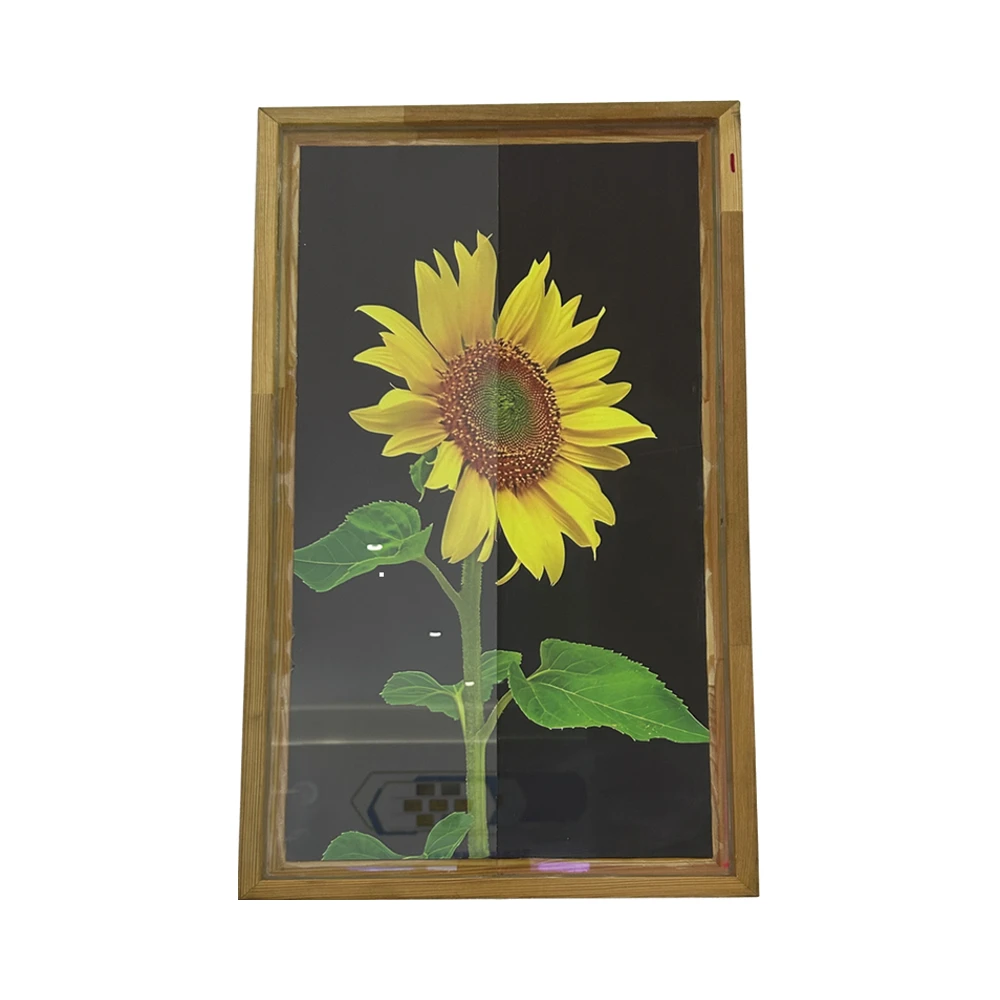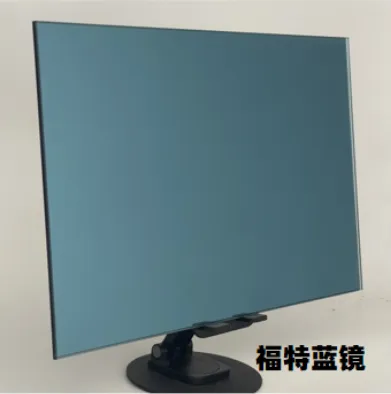
If you’ve ever squinted through a slightly coloured window or admired the subtle hues in a skyscraper’s glass facade, you’ve encountered tinted glass colour in action. It’s fascinating how a simple tint can transform aesthetics, enhance energy efficiency, and even impact human wellbeing on a global scale. We often take these tinted glass colours for granted, but their role in architecture, transportation, and industry is flush with technical magic and economic benefits.
Globally, with climate change intensifying and urban populations growing, the demand for smarter, sustainable building materials is skyrocketing. Tinted glass colours are quietly becoming front runners in these solutions—moderating solar heat, reducing glare, and contributing to lower carbon footprints. This article shines a light on why understanding tinted glass colour matters, its nuances, and its real-world impact.
According to the International Energy Agency (IEA), buildings consume nearly 40% of global energy, much of it lost in inefficient heating and cooling. A well-chosen tinted glass colour can reduce solar heat gain by up to 30%, which translates into huge energy savings worldwide (Wikipedia). Not only that, the UN’s Sustainable Development Goals emphasize sustainable cities, and glazing technologies like tinted glass directly contribute to these goals by promoting energy-efficient building envelopes.
The challenge? Finding the perfect tint balance—between light transmission, heat rejection, and aesthetic appeal—that suits every climate and building purpose. This balancing act is where the magic of tinted glass colour occurs.
Mini takeaway: Tinted glass colour is more than decorative; it’s an energy-saving, sustainability-driving innovation aligning with global eco-strategies.
Simply put, tinted glass colour refers to the intentional addition of colour pigments within glass during manufacturing to alter the visible light and heat that passes through. Unlike tinted car windows, which may be a film overlay, quality tinted glass integrates colour into the glass matrix itself, ensuring durability and uniform performance.
This isn't merely a stylistic choice; it’s a technical feature that controls solar radiation, reduces glare, and enhances privacy. Industries such as construction, automotive, and aerospace rely heavily on tinted glass colours for both form and function.
In humanitarian contexts, for example, solar control through tinted glass can drastically improve indoor comfort in disaster relief shelters without heavy cooling systems.
Mini takeaway: Tinted glass colour combines aesthetics with practical benefits—solar control and privacy, wrapped into a sleek surface.
One of the core purposes of tinted glass is to reduce solar heat gain. Depending on the pigment type and concentration, various tints can absorb or reflect infrared radiation, lowering cooling loads.
VLT measures how much natural light passes through. The challenge is having enough light for comfort and aesthetics without the harshness of direct sun glare. Tinted glass colours are engineered to fine-tune this balance.
The colour must not fade or deteriorate with prolonged UV exposure. High-quality coated and tempered tinted glass offers years of consistent performance.
Architects prize tinted glass colours for their ability to add character to facades—ranging from subtle greys, browns, and greens to more vibrant blues or bronzes.
More energy saved means fewer emissions. Plus, many manufacturers now produce tinted glass with recycled content and low-emission processes.
Mini takeaway: These core aspects define how well a tinted glass colour performs in real-world buildings and vehicles.
Tinted glass colour finds applications in many sectors worldwide:
For example, after flooding events in Southeast Asia, temporary medical structures featuring tinted glass panels have improved patient comfort and reduced reliance on energy-intensive cooling.
Mini takeaway: Around the world, tinted glass colours shape safer, smarter, and more energy-efficient spaces across industries.
So, why invest in tinted glass colour? The benefits stack up nicely:
Emotionally, these benefits create environments that feel safer, more inviting, and frankly, cooler in more ways than one.
Mini takeaway: Tinted glass colour combines bottom-line savings with top-line design appeal, a win-win.
Looking ahead, the field isn’t standing still. Some exciting trends include:
Increased digital design tools also help specifiers analyze optimal tints for unique climates and orientations, squeezing out every ounce of efficiency.
Mini takeaway: The future is tinted, dynamic, and intertwined with green tech for smarter buildings.
Despite many advantages, tinted glass colours face some hurdles:
Solutions include rigorous supplier vetting, advanced simulation tools to predict daylight effects, and blending tints with other glazing elements like fritting or low-E coatings.
Many engineers also recommend onsite mockups to avoid surprises later.
Mini takeaway: Careful planning, testing, and supplier partnerships unlock tinted glass’s full potential.
| Colour | Visible Light Transmission (VLT) | Solar Heat Gain Coefficient (SHGC) | UV Rejection (%) | Common Uses |
|---|---|---|---|---|
| Bronze | 28-40% | 0.30-0.45 | 99% | Commercial facades, automobile side windows |
| Grey | 25-35% | 0.25-0.40 | 98% | Office buildings, urban residential |
| Green | 30-50% | 0.35-0.50 | 97% | Modern commercial glass, curtain walls |
| Blue | 22-38% | 0.30-0.45 | 96% | Luxury cars, high-end residential |
| Vendor | Product Range | Customization Options | Sustainability Practices | Lead Time |
|---|---|---|---|---|
| Wangmei Glass | Wide (bronze, grey, green, blue) | High (custom tints & thickness) | ISO 14001 Certified, recycled glass content | 4-6 weeks |
| Pilkington | Moderate | Medium (predefined colours) | Strong focus on energy efficient production | 3-5 weeks |
| Guardian Glass | Extensive (specialty tints) | High | Sustainability programs, low VOC coatings | 5-7 weeks |
A1: Tinted glass colours reduce solar heat gain by absorbing or reflecting infrared radiation, lowering cooling loads and reducing energy consumption for air conditioning. This enhances overall building energy performance.
A2: Yes, depending on the tint's strength, visible light transmission (VLT) can be reduced. Proper selection ensures enough natural light enters without causing glare or making interiors too dark.
A3: No. The durability depends on the manufacturing methods and quality of pigments used. High-grade tinted glasses resist fading, UV degradation, and weathering better.
A4: Absolutely. Many manufacturers offer custom tinting options, allowing architects to select hues, transparency levels, and thicknesses tailored to project specifications.
A5: Leading producers follow ISO 14001 environmental management standards and often incorporate recycled materials, ensuring their tint production processes minimize ecological impact.
In the grand scheme of sustainable building and industrial innovation, tinted glass colour quietly but effectively delivers a trifecta of benefits—energy efficiency, design flexibility, and occupant comfort. As urban centers densify and environmental concerns mount, these glass hues provide architects and engineers with powerful tools to meet today’s building challenges.
If you're exploring tinted glass options with real-world performance and aesthetics, consider reaching out to trusted suppliers who understand your climate and design needs. For more detailed product options and expert guidance, don’t hesitate to visit our comprehensive catalogue at tinted glass colour.
Remember, the right tinting choice is part art, part science—and entirely worth it.
2026-03-09
Enhancing Spaces with the Timeless Elegance of a Mirror with Ornate Silver Frame


If you are interested in our products, you can choose to leave your information here, and we will be in touch with you shortly.