In a world that’s forever chasing innovation and sustainability, double coated glass plays an unexpectedly pivotal role. You might think of glass as just... glass, a fragile, inert material. But add a double coating, and you suddenly get an entirely new ballgame — enhanced durability, improved insulation, even energy efficiency. Since glass use is widespread across construction, electronics, automotive, and even humanitarian aid sectors, understanding these coated marvels matters.
Why? Because on a global scale, energy consumption and carbon emissions tied to buildings are massive — the International Energy Agency estimates buildings are responsible for nearly 40% of total energy use. Equip those buildings with smarter glass, like double-coated varieties, and you trim energy bills and emissions, all while improving comfort and safety.
So, whether you're an architect, a sustainability officer, or just curious about smart materials, getting acquainted with double coated glass unlocks a lot about modern industry’s push for greener, smarter products.
Looking at the huge construction boom sweeping across Asia, the Middle East, and parts of Africa, demand for advanced glazing solutions has never been higher. For instance, the United Nations Environment Programme (UNEP) highlights that integrating efficient materials like coated glass in buildings can reduce global CO₂ emissions by up to 30% within the next two decades.
Yet, challenges like thermal inefficiency, fragile standard glass, and rising costs have obstructed mass adoption of smarter glazing. This is where double coated glass shines: offering a blend of resistance and energy-saving qualities, it addresses key pain points—think insulation in cold or extremely hot climates, or extra safety in areas prone to natural disasters. In fact, investors and governments are beginning to incentivize such materials as part of green building certifications and codes.
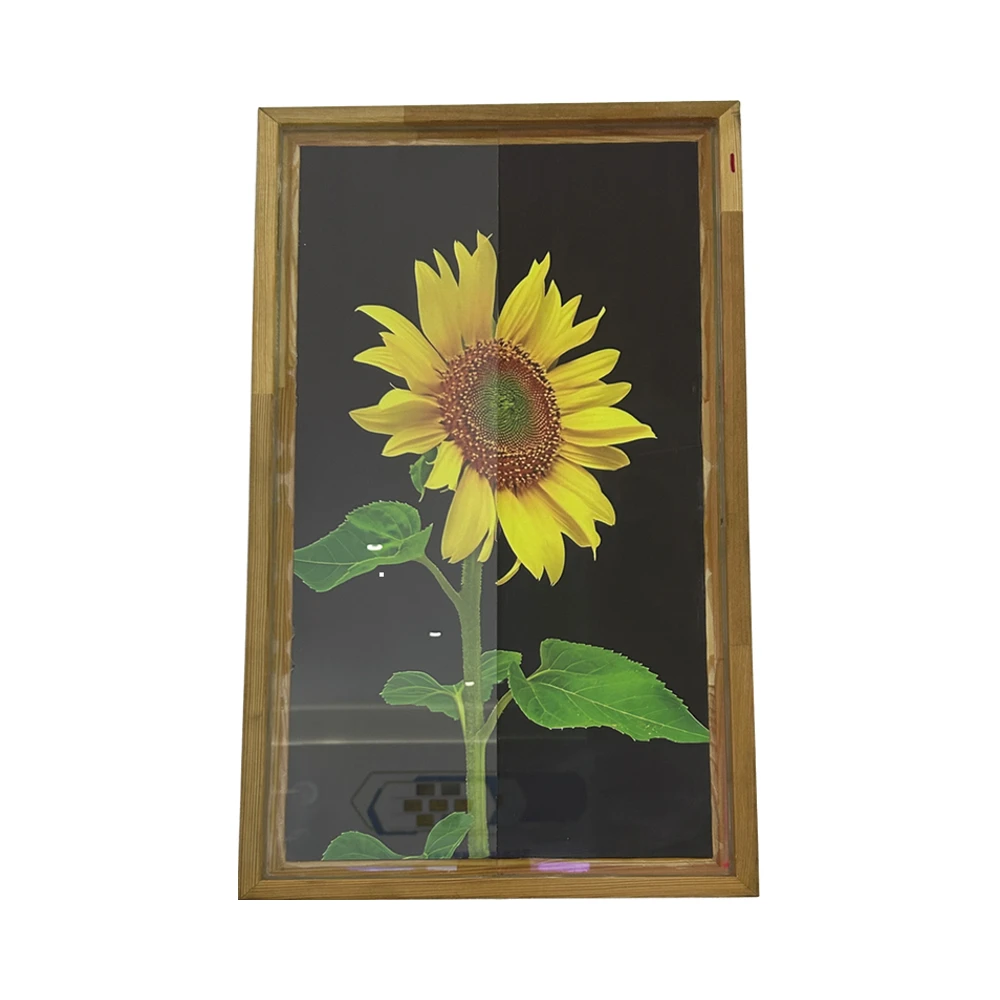
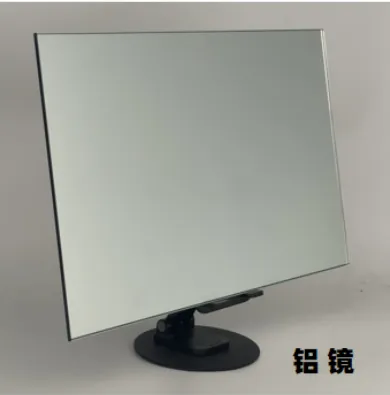
So, what exactly is double coated glass? At its core, it’s a piece of glass that’s been treated with two distinct layers of coating—usually thin metallic or ceramic films—applied using advanced processes like sputtering or chemical vapor deposition. These coatings can grant the glass additional properties such as enhanced thermal resistance, UV protection, reduced glare, or self-cleaning surfaces.
Imagine regular glass as a plain window. Double coated glass is that window but with a “super suit”: it blocks unwanted heat, resists scratches, and even sometimes helps generate or conserve energy. This ties deeply into industries pursuing sustainability, safety, and performance — from green building designs to advanced displays.
The double layer acts as a shield against moisture, dust, and physical wear. For commercial buildings in coastal cities or dusty deserts, this extends lifespan significantly.
Coatings can be engineered to reflect infrared heat while letting visible light pass through, maintaining warmth inside in winter and blocking heat during summer.
High-quality double coatings don’t sacrifice transparency — quite the opposite, they often reduce glare and improve daylighting inside buildings.
By controlling solar heat gain and loss, double coated glass reduces reliance on air conditioning and heating systems, which lowers energy bills.
Available in a wide range of thicknesses and formats, it suits everything from giant skyscraper facades to tablet screens and solar panels.
| Specification | Typical Value | Unit |
|---|---|---|
| Glass Thickness | 3–12 | mm |
| Visible Light Transmission | 70–85 | % |
| Solar Heat Gain Coefficient (SHGC) | 0.25–0.40 | Ratio |
| U-Value (Thermal Transmittance) | 1.1–1.4 | W/m²·K |
| Surface Hardness (Mohs Scale) | 6–7 | - |
Double coated glass isn’t just a lab curiosity. It’s in offices riding high in New York, temperate homes in Europe, and even refugee shelters in war zones. Consider these use cases:
NGOs working in remote industrial zones report that coated glass windows drastically improve interior comfort, reducing fuel use for generators powering air conditioning. That’s a tangible social and environmental win.
What drives the rising demand? Several compelling benefits, really:
Emotionally, owners say they feel good investing in something that’s both tech-forward and climate-friendly — it’s like trusting a brand that cares about the future, not just quick profits.
The future? It’s bright and quite literally shiny! Researchers are exploring double coated glass with integrated photovoltaic layers, turning windows into power generators. Automation in coating processes is making customization faster and cheaper, while emerging eco-friendly coating materials are reducing reliance on rare metals.
Digital transformation creates “smart” glass variants that can tint or clear on command, further improving energy efficiency. Plus, standards like ISO 20473 push manufacturers to higher transparency and performance benchmarks.
Of course, things aren’t perfect. High upfront costs still limit adoption in cost-sensitive markets. Coating durability against scratching or chemical damage is an ongoing concern, though testing methods keep improving. Plus, recycling coated glass isn’t as straightforward as normal glass due to the layers involved.
Innovative solutions include developing coatings that self-heal minor scratches and improving modular disposal processes. Plus, financing schemes help bring costs down, especially for large commercial projects.
| Vendor | Product Range | Typical Lead Time | Global Reach | Eco Certifications |
|---|---|---|---|---|
| Wangmei Glass | Customized double coated & solar glass | 4–6 weeks | Asia, Europe, North America | ISO 9001, LEED |
| Guardian Glass | Industrial double coated & coated tempered | 6–8 weeks | Global | ISO 14001, Energy Star |
| Saint-Gobain | Architectural double coatings & low-e glass | 5–7 weeks | Europe, Americas, Asia | LEED, BREEAM |
Double coated glass provides two distinct protective or functional layers instead of one, improving insulation, durability, and optical properties. This combination reduces energy loss more effectively and increases resistance to environmental damage — basically, it outperforms single coatings by almost doubling benefits in many cases.
With proper installation, double coated glass can last 15–20 years or more, even exposed to salty coastal air, extreme heat, or frequent storms. The coating layers protect the glass and are designed to resist degradation from UV light and weathering, greatly extending the product lifecycle compared to uncoated glass.
Recycling coated glass is more complex because the coatings are thin films that need separation. However, advances in processing technologies are enabling better recovery of glass and materials from coated products, and many manufacturers now use eco-friendly coatings to reduce environmental impact.
Absolutely! Manufacturers like Wangmei Glass offer tailor-made coatings to optimize energy efficiency for cold, hot, or humid climates. They also adapt coatings for applications such as solar panels or automotive glass depending on light transmission, reflectivity, and durability needs.
Most suppliers have export departments that handle logistics, customs paperwork, and packaging to prevent damage. Working closely with vendors who have global experience ensures smooth delivery and compliance with import regulations in your country.
If you’re engaged with sustainable building, high-performance windows, or advanced materials, double coated glass isn’t just a niche product. It’s a cornerstone technology pushing industries toward greener, safer, and smarter solutions worldwide. From cutting energy waste and enhancing occupant comfort to reshaping renewable energy installations, its benefits compound over the years. So next time you look through a window, consider the invisible coatings doing the heavy lifting behind the scenes — it’s a subtle revolution.
Curious to explore options, customizations, or technical specs? Visit https://www.wangmeiglass.com and discover how double coated glass can transform your projects.
2026-03-09
Enhancing Spaces with the Timeless Elegance of a Mirror with Ornate Silver Frame


If you are interested in our products, you can choose to leave your information here, and we will be in touch with you shortly.