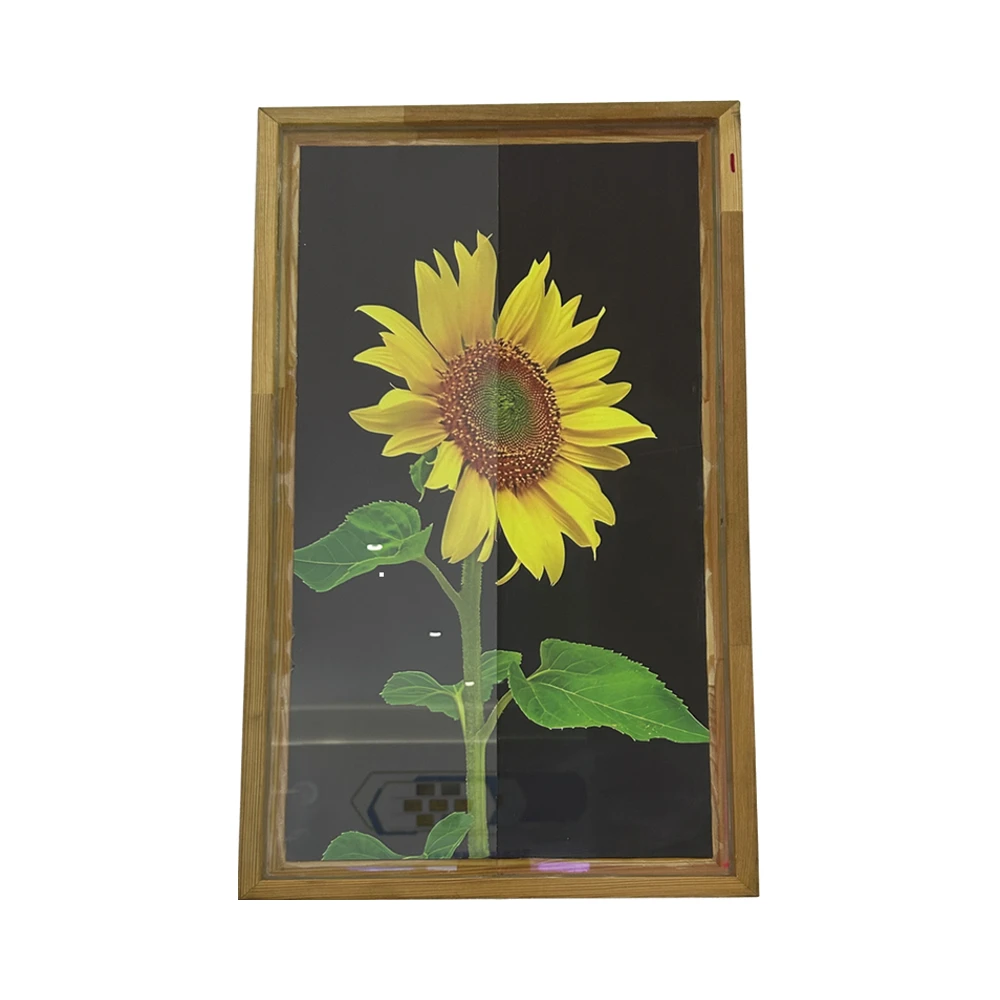
Fancy silver mirrors might sound like a luxury only interior designers obsess over, but their impact stretches far beyond decorative walls. Globally, the demand for high-quality reflective materials is growing in industries from architecture to solar energy. Mastering the nuances of fancy silver mirrors means unlocking benefits like improved energy efficiency, visual clarity, and durability. They’re not just stylish additions — they support sustainability and technological advances worldwide.
In 2023, the global mirror market was valued at over $13 billion, with the fancy silver mirror segment witnessing rapid growth due to rising construction and automotive sectors (Source: Statista). Silver’s unparalleled reflectivity makes it an industry favorite, though supply chain challenges and environmental concerns add a layer of complexity. For instance, improving mirror coatings can reduce energy consumption in building heating or cooling—an essential step considering rising global energy demands.
Yet, one challenge stands out: traditional mirrors can tarnish or degrade, compromising long-term performance. So, the industry’s eyes are on how advanced fancy silver mirrors can solve that.
At its core, a fancy silver mirror is a glass panel coated with a silver layer, enhanced with specialized treatments to boost reflectivity, durability, or aesthetic appeal. Unlike standard household mirrors, fancy variants incorporate anti-tarnish layers, decorative finishes, or customized thicknesses to meet very specific industrial or residential needs. These mirrors combine science and style — lending themselves equally to art galleries and solar thermal power plants.
Pure silver offers the highest reflectance of any metal (~95%), but bare silver is vulnerable to oxidation. So, manufacturers often coat silver with protective layers like silicon dioxide or other halide compounds to extend lifespan while maintaining brilliance.
The underlying substrate counts. Low-iron, ultra-clear glass reduces greenish tints, maximizing clarity and color accuracy — important for both decorative and technical uses, like optical instruments.
Fancy mirrors often incorporate advanced sealants that resist scratches, moisture, and chemical exposure, critical for outdoor and industrial environments.
Besides pure reflectivity, the surface might feature antiqued, frosted, or tinted finishes, supporting everything from privacy glass to artistic installations.
Thicker glass improves durability at the expense of weight and price; fancy mirrors strike a balance based on application.
| Feature | Standard Mirror | Fancy Silver Mirror |
|---|---|---|
| Reflectivity (%) | ~85–90% | >95% |
| Anti-tarnish Coating | No | Yes |
| Scratch Resistance | Low | Moderate to High |
| Glass Type | Regular Float | Low-Iron Ultra Clear |
| Finish Options | Basic (Silvered) | Decorative, Frosted, Tinted |
Fancy silver mirrors have a surprisingly wide footprint. In Europe, they’re essential in solar panel manufacturing, reflecting sunlight effectively into photovoltaic cells to boost efficiency. Meanwhile, North American architects prize fancy silver mirrors for eco-friendly building facades, pairing beauty with energy savings. Oddly enough, in Asia’s luxury retail sector, these mirrors elevate product displays, enhancing both light quality and visual appeal.
Even humanitarian organizations sometimes depend on these mirrors. In disaster relief shelters, fancy silver mirrors help create a sense of normalcy and dignity, reflecting natural light indoors. Some NGOs have reported that this small detail significantly improves mental well-being in temporary housing.
Fancy silver mirror technology thus connects very different worlds — from high-tech industry to grassroots human support.
The fancy silver mirror world is evolving fast. Emerging coatings based on nanotechnology promise even greater scratch resistance and self-cleaning surfaces. Meanwhile, combining mirrors with smart glass technology is taking off — imagine a mirror that tints automatically or doubles as a digital display.
Green manufacturing processes are also a hot topic, aiming to reduce waste and energy use during silver coating. With climate policies tightening worldwide, these innovations aren’t just luxuries; they’re necessities.
Definitely not all perfect: silver supply is finite, and ethical sourcing is critical. Many fancy silver mirrors make use of recycled silver, but demand still outpaces available supply.
Another challenge is maintaining peak reflectivity in varied environments, like coastal or industrial areas with corrosive atmospheres. Ongoing development of multi-layer protective coatings and glass laminations helps tackle these hurdles. Also, modular mirror designs ease installation and maintenance, which engineers really appreciate.
| Vendor | Reflectivity % | Coating Technology | Eco-certifications | Price Range (USD/m²) |
|---|---|---|---|---|
| Wangmei Glass | 96% | Multi-layer Silver + SiO2 | ISO 14001, LEED | $40–60 |
| Reflectron Inc. | 94% | Silver + Organic Sealant | RoHS Compliant | $35–55 |
| EuroSilver | 95% | Nano-coating Silver | ISO 14001 | $45–70 |
Fancy silver mirrors are not just decorative luxuries — they're critical tools blending aesthetics, function, and sustainability on a global scale. Whether in energy-efficient architecture, solar power innovation, or simply uplifting a living space, understanding their science and applications pays dividends.
Interested? Discover premium options with fancy silver mirror solutions that combine quality, eco-consciousness, and innovation.
It’s quite something how a mirror can reflect more than just image — it mirrors progress.
2026-01-03
Discover Large Gold And Silver Mirror: Durable, Luxurious Reflective Solutions for Industry

2026-04-16
Elegant Oval Mirror with Silver Frame for Modern Home Decor


If you are interested in our products, you can choose to leave your information here, and we will be in touch with you shortly.