The architectural glass industry is witnessing a significant shift toward functional coatings as energy efficiency and interior wellness become primary drivers in commercial and residential construction. For procurement managers and architects, identifying reliable coated glass manufacturers is no longer just about sourcing a material, but about integrating complex chemical properties—such as hydrothermal resistance and thermal insulation—into a building's envelope.
The challenge lies in the delicate balance between optical clarity and coating durability. In humid environments, such as luxury bathrooms or high-traffic commercial spas, the failure of a protective layer can lead to rapid oxidation and mirror degradation. This technical requirement has pushed the industry toward advanced silvering and aluminum-coating processes that can withstand constant moisture exposure without compromising the reflective index.
This analysis examines the engineering logic behind modern glass coatings, the critical selection criteria for industrial buyers, and how the evolution of smart mirror technology is redefining the standards for functional glass. We explore the technical frameworks used by leading providers to ensure long-term stability in challenging deployment scenarios.


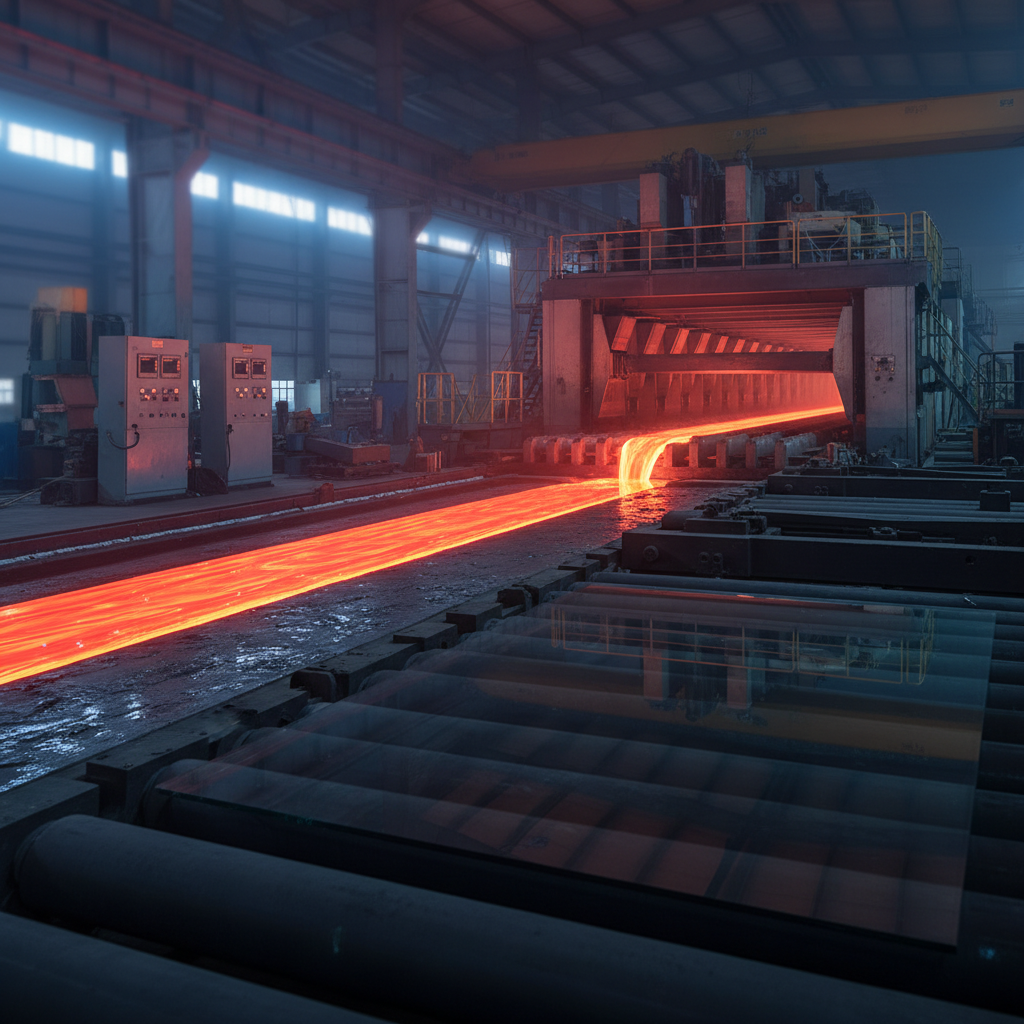
Modern functional glass is not a single material but a composite system. The core structure begins with a base of float glass, upon which a reflective layer—typically silver or aluminum—is deposited. For specialized applications like bathroom mirrors, this reflective layer is augmented by an anti-fog coating and a waterproof back-paint layer to prevent the atmospheric penetration of moisture.
The chemical bonding between the coating and the glass substrate determines the product's lifespan. High-grade production involves vacuum deposition processes where metal atoms are evaporated onto the glass surface, creating a dense, uniform layer that minimizes light scattering and maximizes the reflection coefficient.
In the context of glass manufacturing, humidity resistance is measured by the coating's ability to resist oxidation. When moisture penetrates the protective back-paint, it reacts with the metallic reflective layer, causing the "black edge" effect. Engineering this resistance requires a multi-stage sealing process that ensures the perimeter of the glass is hermetically protected.
Another critical metric is the anti-fogging efficiency. This is achieved through two primary technical routes: the application of hydrophilic coatings that prevent water droplets from forming spheres (maintaining a thin, transparent film) or the integration of heating wires that maintain the glass temperature above the dew point.
For professional buyers, verifying these metrics involves reviewing the salt spray test results and the thickness consistency of the waterproof layer. A variance of even a few microns in coating thickness can lead to premature failure in high-humidity environments, making process control the most vital asset of top-tier manufacturers.
A recurring challenge in the production of high-end coated glass is the tension between the thickness of the protective layers and the visual clarity of the mirror. While thicker waterproof coatings offer superior protection against oxidation, they can introduce subtle distortions or "waves" in the reflection if not applied with extreme precision.
This precision is particularly vital for smart mirrors, where the glass must remain transparent enough to allow LED light and digital displays to pass through from the rear, yet reflective enough to serve as a primary mirror. This requires a semi-transparent coating with a precisely calibrated light transmission rate.
Different coating methodologies yield distinct results in terms of durability, cost, and application suitability. Silver coatings are the gold standard for high-end residential and hotel mirrors due to their superior reflectivity, whereas aluminum coatings are often preferred for industrial applications where scratch resistance and cost-efficiency are prioritized over absolute clarity.
When evaluating these options, engineering teams use a normalized scoring system to weigh parameters such as oxidation resistance, optical purity, and cost-to-performance ratio. This allows for a data-driven selection process based on the specific environmental stressors of the target installation site.
In luxury hotel environments, bathroom mirrors serve as both a functional tool and a design centerpiece. The typical deployment scenario requires the use of tempered glass with a high-performance silver coating to ensure safety and long-term brilliance. Integration with smart home systems, such as touch-activated LED strips and integrated defoggers, is now a baseline requirement for five-star establishments.
Beyond the aesthetic, these installations must face rigorous maintenance cycles. The use of chemical cleaning agents can degrade lower-quality coatings, leading to clouding or peeling. Therefore, commercial specifications often mandate the use of a reinforced waterproof back-layer that is chemically inert to common industrial detergents, ensuring a decade of operational life without replacement.
The trajectory of glass coating technology is moving toward "active" surfaces. While current coatings are passive—meaning they simply resist moisture or reflect light—emerging R&D is focused on photo-catalytic coatings that can self-clean by breaking down organic contaminants under UV light. This would drastically reduce maintenance costs for large-scale commercial installations.
Furthermore, the integration of transparent conductive oxides (TCOs) is enabling the creation of mirrors that can act as touch interfaces without the need for bulky external sensors. This shift allows for a seamless integration of health-monitoring tools, such as integrated scales or skin-analysis sensors, directly into the glass surface.
Sustainability is also driving a move toward "green" coating processes. The industry is exploring alternatives to traditional heavy-metal deposition, focusing on vacuum-based organic coatings that offer similar reflective properties with a significantly lower carbon footprint and safer end-of-life recyclability.
Selecting the right product from various coated glass manufacturers requires a structured evaluation of the specific application environment. A budget-constrained residential project may only require a basic moisture-proof backplate, whereas a high-end spa requires a full suite of anti-fog, tempered, and smart-integrated features.
Buyers should evaluate the total cost of ownership, which includes the initial procurement price and the projected replacement frequency based on the coating's durability. A cheaper mirror that oxidizes within three years is significantly more expensive than a premium silver-coated mirror that lasts fifteen.
The following matrix provides an engineering framework for matching glass configurations to specific operational profiles, ensuring that the chosen material is optimized for its intended environment.
| Configuration Profile | Coating Technology | Durability Rating | Primary Use Case |
|---|---|---|---|
| Basic Residential | Standard Silver + Paint | Moderate | Budget Bathrooms |
| Luxury Hospitality | High-Purity Silver + Nano-Seal | High | 5-Star Hotel Suites |
| Public Commercial | Aluminum + Tempered Base | Ultra-High | Gyms & Public Restrooms |
| Wellness Center | Active Anti-Fog + Silver | High | Spas & Steam Rooms |
| Smart Integration | Semi-Transparent TCO | Moderate | Digital Smart Mirrors |
| Industrial/Exterior | Low-E + Protective Hardcoat | Ultra-High | Commercial Facades |
Black edges, known as oxidation, occur when moisture and oxygen penetrate the protective back-paint and reach the silver reflective layer. This chemical reaction converts the silver into silver oxide, which is non-reflective. This is typically caused by poor edge sealing or the use of low-quality waterproof coatings that degrade in humid environments. High-performance manufacturers prevent this by using multiple layers of specialized sealants and high-density back-painting.
Anti-fogging is achieved through two main methods. Hydrophilic coatings reduce the surface tension of the glass, causing water vapor to spread into a flat, transparent film rather than forming individual droplets that scatter light (fog). Alternatively, active anti-fogging uses embedded heating elements to raise the glass surface temperature above the dew point, preventing condensation from forming in the first place.
Tempered glass is not always necessary, but it is mandatory in high-traffic commercial areas and public restrooms for safety. Tempered glass is processed to break into small, blunt granules rather than sharp shards. When combined with a coating, the tempering process must be carefully managed to ensure the heat does not compromise the integrity of the reflective layer, which is why high-quality manufacturers often coat the glass after the tempering process or use specialized heat-resistant coatings.
Silver coatings provide the highest reflectivity and the most neutral color reproduction, making them ideal for high-end interior design. Aluminum coatings are slightly less reflective and can have a subtle grey tint, but they are significantly more resistant to corrosion and are often cheaper to produce. For most luxury bathroom applications, silver is preferred, whereas aluminum is used for industrial or exterior-facing mirrors.
To maintain coating integrity, users should avoid ammonia-based cleaners and abrasive scrubbing pads, which can create micro-scratches in the protective layer. The recommended approach is using a soft microfiber cloth with a mild, pH-neutral detergent or a dedicated glass cleaner. For mirrors with hydrophilic anti-fog coatings, avoid wax-based polishes, as these can fill the nano-pores of the coating and neutralize the anti-fog effect.
Buyers should request a Technical Data Sheet (TDS) specifying the coating material (e.g., silver purity), the number of protective back-coat layers, the salt spray test duration (e.g., 240+ hours), and the light transmission percentage for smart mirrors. Additionally, requesting certifications such as ISO9001 ensures that the manufacturer follows a consistent quality management system for coating thickness and uniformity.
The evolution of coated glass has transitioned from simple reflectivity to complex environmental management. By integrating nano-scale protection with active technologies like anti-fogging and smart connectivity, the industry is creating surfaces that are not only durable but interactive. The key to long-term success in any installation lies in the alignment between the coating's chemical properties and the specific moisture and usage profiles of the environment.
For architects and procurement teams, the focus must remain on verifying the technical thresholds of the reflective layers and the robustness of the sealing processes. As the market moves toward sustainable, self-cleaning, and intelligent surfaces, partnering with experienced coated glass manufacturers who prioritize material science over simple assembly will be the primary differentiator in project quality and longevity.